

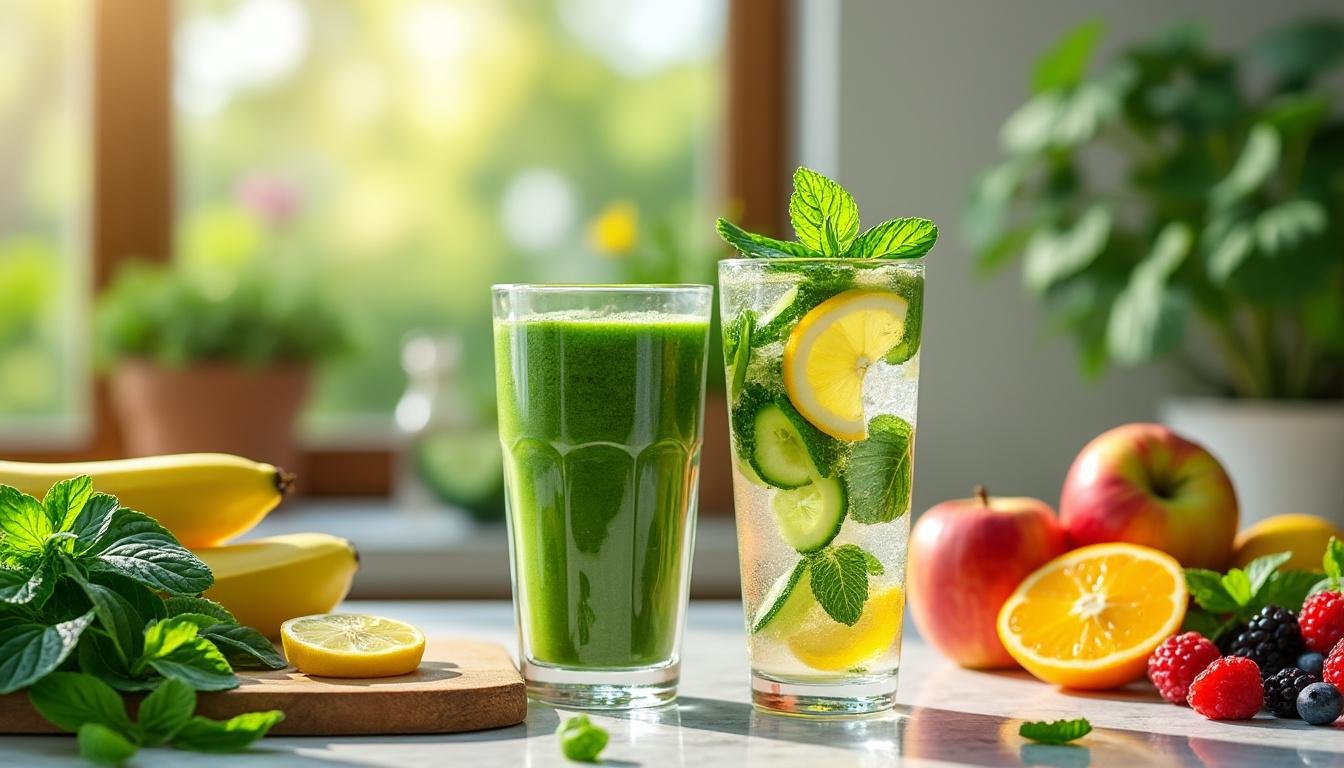
As summer approaches, the challenge of staying optimally hydrated intensifies with rising temperatures and increased outdoor activities. While water remains the cornerstone for fluid intake, it’s essential to explore other beverages that contribute not only to hydration but also to overall health without the burden of added sugars or empty calories. Selecting the right drinks can influence energy levels, appetite, and nutrient replenishment, shaping a holistic approach to summer wellness in 2025.
Choosing Optimal Hydration Sources: Top Beverages for Health and Refreshment
Hydration needs vary, with an average adult seeking around 2 ½ quarts (10 cups) of fluid daily to maintain bodily functions and compensate for fluid loss. During intense physical exertion or high heat, this need escalates. While water leads the pack in accessibility and benefits, other beverages can supplement hydration effectively when selected wisely.
- Evian, Aquafina, Fiji Water, and Smartwater stand out as popular bottled water options, offering purity and refreshing taste that cater to diverse palates.
- V8 and Naked Juice provide hydration along with vitamins A, C, and beneficial phytonutrients, though their caloric content warrants mindful consumption, ideally by diluting juices to extend hydration without excess calories.
- GT’s Kombucha and herbal teas offer probiotic benefits and hydration, adding a flavorful dimension to fluid intake without the diuretic impact of caffeine.
For those who find plain water uninspiring, enhancing its appeal by chilling or infusing with lemon or lime zest can boost flavor without compromising calorie goals.
Understanding the Role of Caffeinated Beverages in Fluid Intake
Caffeinated drinks like coffee and tea contribute to hydration but come with nuanced effects due to their mild diuretic properties. The body’s water loss through urination slightly rises, though this does not equate to net dehydration when consumed in moderation. Current guidelines advise limiting caffeine intake to approximately 200-300 milligrams per day, roughly equating to two or three cups of coffee. Herbal or decaffeinated versions of these beverages are suitable alternatives featuring significantly lower caffeine levels.
- Coffee-based beverages popular in 2025 often include elaborate preparations; however, their calorie content can significantly spike, reminding consumers to choose wisely.
- Tea, averaging around 40 mg caffeine per cup, offers a gentler stimulant effect and complements hydration efforts.
- Beverages like Hint Water and LaCroix provide flavored hydration without caffeine or sugar, making them ideal for those reducing stimulant intake.
Balancing Nutritional Value and Hydration: Milk, Soft Drinks, and Alcohol
While milk and milk alternatives such as fortified soy milk supply essential calcium, vitamin D, and hydration, soft drinks and alcoholic beverages offer hydration but with caveats. The latter categories often harbor excess calories, caffeine, or pose risks such as diuretic effects interfering with hydration balance.
- Milk varieties contribute important nutrients and are recommended at about three cups daily, encompassing yogurt and cheese as well.
- Soft drinks, despite their high water content, tend to deliver about 400 empty calories per 32-ounce serving and minimal nutrition, which could detract from healthier beverage choices.
- Alcoholic drinks do not count toward hydration needs due to their diuretic nature and warrant moderation—one drink daily for women, two for men—with special caution advised for those with certain medical conditions.
For well-rounded advice on making daily habits that improve cardiovascular health and overall wellness, exploring routines endorsed by health experts can be invaluable. For example, insights can be gained from cardiologist-backed mornings or quick, healthy habits easily adopted within minutes.
Crafting a Hydration Strategy for Active Summer Days
For individuals engaging in rigorous activity or experiencing heavy perspiration, the careful selection of fluids and electrolyte replacement becomes paramount. Sports drinks can support fluid absorption and electrolyte balance, although their caloric content should be considered.
- Electrolyte-rich beverages like Vitaminwater offer hydration coupled with vitamins, supporting recovery after physical exertion.
- Combining water with diluted fruit juices or using products like Naked Juice in moderation ensures hydration without excess sugar overload.
- Natural, low-calorie options such as LaCroix or Hint Water are ideal for continuous hydration without added sugars or calories.
- Awareness of fluid sources beyond beverages, including water-rich fruits and vegetables, enhances hydration efficiency.
Parents and caregivers seeking to bolster family health during warmer months may find benefit in resources discussing strategies to maintain child health and back-to-school wellness routines.

1 Comment
Pingback: As a Pharmacist, I Declined to Sell a Diuretic Herb to This Patient: Here's the Reason Behind My Decision - LiveWell Magazine