


Rooted Holiday Traditions in Rural America: Preserving Cultural Heritage and Festivities
In rural America, holiday celebrations are deeply intertwined with the cultural fabric and history of communities. Unlike urban settings where festivities may be more commercialized or diverse, rural areas often emphasize a strong connection to tradition, family gatherings, and local celebrations that reflect generations of shared memories and customs. These holidays are times when communities come alive with a particular vibrancy, highlighting the importance of heritage and the enduring value of longstanding rituals.
The essence of holiday traditions in rural communities typically includes a focus on authentic practices such as the use of real Christmas trees sourced from local farms, hoedanigheden of homemade dishes passed down through generations, and communal activities that reinforce bonds within neighborhoods. For example, many families uphold traditions of crafting decorations or preparing signature desserts that seldom vary from year to year, instilling a comforting sense of continuity.
Unique celebrations also pepper the varied rural landscapes of the United States. From Amish communities observing two distinct Christmas celebrations—each catering to a different side of the family—to Halloween festivities that double as harvest-time acknowledgments in farming areas, these customs reveal the distinctive ways rural folks interpret holidays in relation to their environment and cultural identity.
These traditions sustain not only personal and familial bonds but contribute to preserving a broader cultural heritage. Communities engage in parades, holiday markets, and shared meals that enable newcomers and long-time residents alike to partake in the regional spirit. Through such activities, rural America fosters a powerful sense of belonging and collective memory.
Organized events often feature local artists, craftsmen, and performers showcasing skills that have cultural significance, further enriching the holiday experience. These living traditions provide much more than entertainment; they act as vessels for history, allowing contemporary participants to access the cultural ethos of their ancestors and sustain it for future generations. More about how rural customs shape community identity can be explored in studies of living traditions in rural America.
- Use of locally sourced, natural decorations such as real Christmas trees
- Traditional family recipes featuring regional farm produce
- Community parades reflecting local cultural heritage
- Seasonal harvest celebrations doubling as holiday festivities
- Cultural performances maintaining artisan crafts and folk music
This connection between tradition and place is critical because it keeps rural holiday celebrations authentic and meaningful, distinguishing them from the more commercialized or diverse festivities found elsewhere. Exploring a collection of unique US holiday customs shows just how distinct these rural observances can be at the same time as they unify communities through shared values and joyous celebrations. Readers interested in distinctive seasonal traditions across the nation may appreciate insights from NPR’s compilation of unique US holiday traditions.
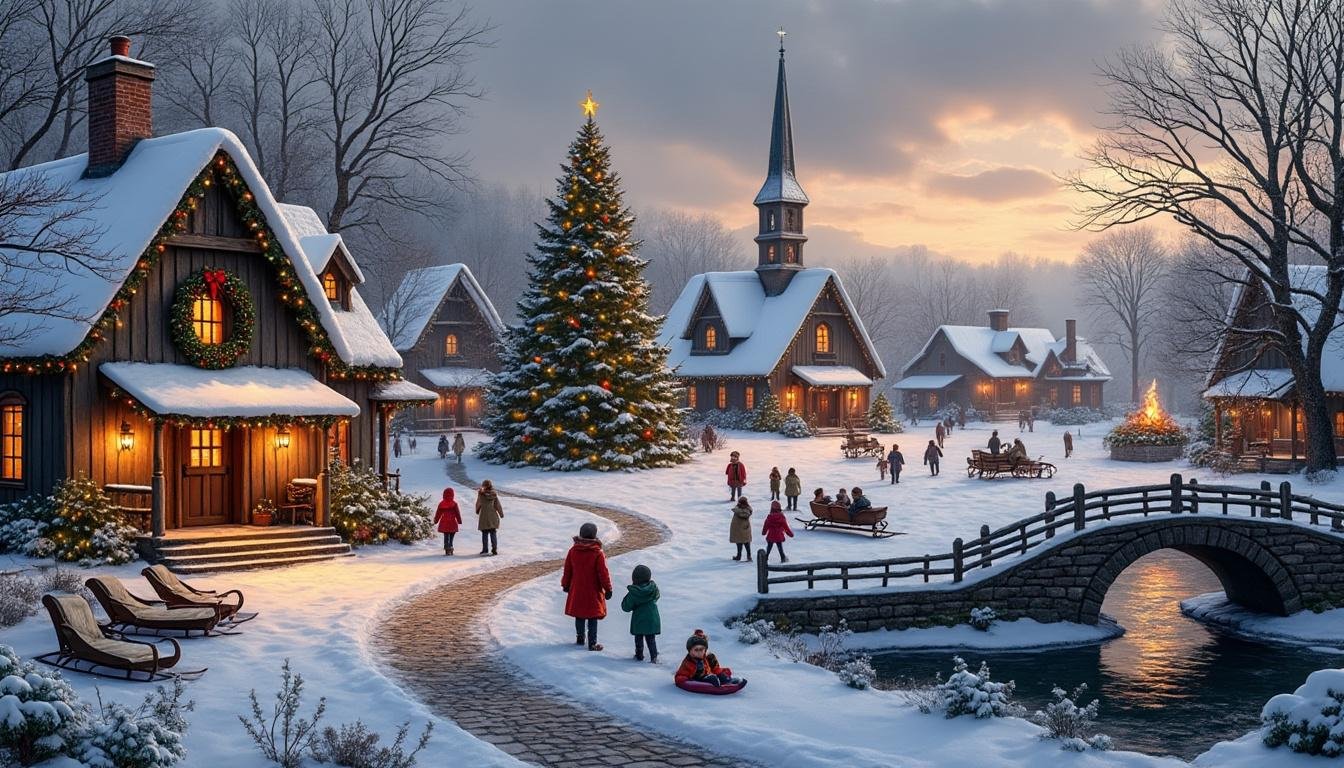
Community Spirit and Togetherness: The Key to Holiday Festivities in Rural Areas
The heart of holiday celebrations in rural America is undeniably the shining community spirit that fills the air during this season. In many rural areas, this sentiment of togetherness is more than a fleeting feeling; it embodies the collective attitude that sustains communities year-round, but especially during holidays such as Christmas, Thanksgiving, or Halloween. The notion of community spirit here is often visible in the ways neighbors support one another, share hospitality, and engage in events that foster social ties.
One vivid example are the countless holiday potlucks held in local schools, churches, and workplaces where food becomes a central motif of connection. As described in firsthand accounts from rural events, these gatherings highlight a communal sharing of traditional dishes, stories, and laughter among all age groups. Such shared meals serve not only as nourishment but as powerful social currency strengthening relationships and reinforcing local identity.
Community gatherings are further accentuated by volunteerism and neighborly acts—decking halls, organizing Christmas fairs, or helping those in need. These collective efforts exhibit the rural community’s commitment to inclusivity and mutual wellbeing during the holidays. The holiday season in rural places often becomes a reflection of how people cherish their social bonds and collective resilience.
Important celebrations also weave together diverse cultural elements, enriching the experience and fostering unity. Exploring how American traditions of holidays and parades emphasize community togetherness reveals similarities across regions, but the rural spirit offers a unique intimacy thanks to smaller populations and close-knit social networks.
- Local holiday potlucks featuring family recipes and community favorites
- Coordinated decorating projects by neighborhood groups
- Charity drives and food donations organized by community clubs
- Church services and concerts highlighting local participation
- Participation in local holiday parades, often featuring area schools and clubs
Ultimately, community spirit during rural holidays reflects deep-rooted values of cooperation and shared joy. Rural communities serve as examples of how holidays can be more than personal recreation—they become essential social bonds that help sustain rural life’s character and vitality.
Balancing Holiday Feasting with Healthy Living in Rural Communities
Holiday feasting is a cherished part of rural America’s cultural heritage but balancing indulgences with health concerns presents an ongoing challenge. For many, traditional holiday meals consist of hearty dishes prepared with love and abundance, often shared at multiple gatherings from families to workplaces. The tendency to overeat during the holidays is common and can occasionally lead to regret as the season progresses.
Stories from rural Thanksgiving potlucks and communal dinners frequently reflect the joy of savoring family recipes, yet with an awareness of the nutritional toll. According to firsthand accounts and observations, these meals can be loaded with calories—homemade rolls, rich gravies, pies, and casseroles dominate the food tables. While these foods are integral to tradition and community spirit, they can contribute to seasonal weight gain if not balanced with physical activity and moderation.
Rural communities face specific hurdles in managing wellness during this period, such as limited access to diverse grocery options or workout facilities. Nevertheless, many find ways to incorporate healthy living into holiday customs without feeling deprived. Practical strategies include:
- Sharing smaller portions while sampling multiple dishes
- Participating in post-meal walks around the neighborhood
- Incorporating fresh produce from local farms into holiday menus
- Balancing indulgent meals with lighter options throughout the day
- Engaging in winter-friendly physical activities such as sledding or ice skating
Experts also emphasize that wellness during the holidays stems from steady, realistic habits rather than quick fixes or fad diets. A balanced approach fosters enjoyment and health together, reflecting an understanding that food is both sustenance and social glue. For further guidance on integrating healthy habits into holiday celebrations, readers can refer to perspectives shared in rural holiday feasting insights and resources like cultivating healthy habits throughout the holiday season.
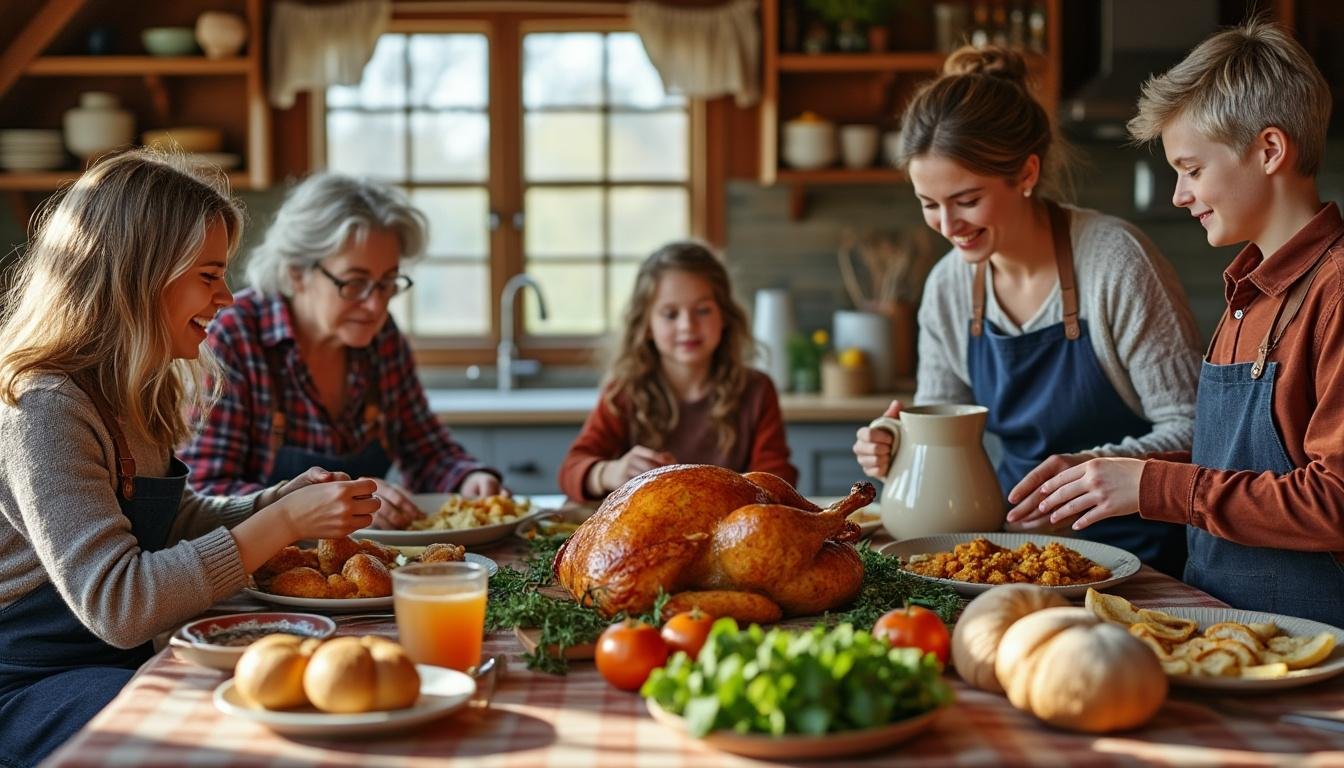
Local Celebrations and Their Role in Sustaining Rural Cultural Identity
Local holiday celebrations in rural America are more than just festive occasions; they serve as pivotal moments to reaffirm cultural identity and community values. Across rural regions, the expression of heritage during holidays is palpable—from craft fairs showcasing traditional handmade goods to storytelling sessions preserving local history. These annual celebrations ensure that unique rural identities endure amidst societal changes and globalization pressures.
Crafts such as pottery, weaving, and woodworking often receive renewed attention during holiday marketplaces where artisans display seasonal wares. Similarly, regional foodways come alive, spotlighting dishes and methods intrinsic to the rural environment—whether it’s a traditional pumpkin pie recipe with community secrets or a unique preparation of fresh vegetables grown on nearby farms.
Beyond crafts and cuisine, musical traditions like fiddling contests or holiday caroling provide another rich layer of cultural reinforcement. These practices contribute to a sense of belonging that transcends age and background, welcoming everyone into a shared narrative.
- Holiday craft markets focused on regional artisanal products
- Seasonal cooking classes teaching ancestral recipes
- Community music events celebrating folk traditions
- Storytelling gatherings emphasizing local history and legends
- Volunteering opportunities during holiday events strengthening civic pride
Such culturally anchored celebrations not only enrich holiday experiences but also build resilience within rural communities. Preserving these traditions offers a form of cultural resistance against homogenizing forces and ensures rural voices remain vibrant. Insights into how rural traditions shape stronger communities can be found in analyses presented by cultural heritage research in rural America.
Innovations and Adaptations in Rural Holiday Festivities in the 21st Century
While rooted in tradition, rural holiday celebrations have continuously adapted to contemporary realities and innovations to remain relevant and engaging. The integration of technology, changing demographics, and evolving community needs have shaped new ways to honor holidays in rural settings while respecting their roots.
The COVID-19 pandemic accelerated creative approaches, such as hosting online holiday gatherings, that maintained connections even when physical distancing was necessary. Many rural communities embraced virtual concerts, online craft fairs, and digital religious services, demonstrating resilience and flexibility. Additionally, ongoing advancements in agricultural practices enhance the quality and availability of local products used in holiday feasts, blending modern efficiency with traditional tastes.
Moreover, awareness of wellness increasingly influences holiday programming, with organizers including sessions on mental health, nutrition, and physical activity during the festive season. This balanced approach encourages embracing tradition alongside healthy living, addressing critical wellness challenges rural populations often face.
Transitioning celebrations to incorporate eco-friendly practices has also gained momentum. From sustainable decorating using natural materials to minimizing food waste at community meals, rural holiday festivities can serve as models for environmentally conscious celebrations.
- Virtual holiday events and online communal participation
- Use of technology to amplify traditional music and storytelling
- Integration of wellness activities connected to holiday programming
- Emphasis on sustainable, eco-friendly celebration practices
- Enhanced local food systems supporting authentic holiday dishes
For those interested in the evolution of American holidays, including the interplay of tradition and modernization, historical perspectives on evolving celebrations offer rich context. Furthermore, ongoing research demonstrates how agriculture and rural roots have helped shape modern holiday trends, highlighting the importance of adapting traditions while preserving their core meanings as explained in discussions by agriculture-focused holiday studies.
This harmonious blend of tradition with innovation not only ensures the survival of rural holiday customs but also enhances their relevance for future generations eager to celebrate their heritage with renewed enthusiasm and health awareness.
How do rural communities maintain traditional holiday customs?
Rural communities maintain traditional holiday customs through intergenerational family gatherings, community events such as parades and potlucks, and by supporting local artisans and farmers who provide traditional foods and crafts.
What role does community spirit play during rural holidays?
Community spirit is central during rural holidays, fostering togetherness through shared meals, cooperative decoration efforts, fundraising for those in need, and local celebrations that unite residents in joyful participation.
How do rural areas balance holiday indulgence with healthy living?
Balancing holiday indulgence with healthy living in rural areas involves portion control, incorporating physical activity into the season’s routines, utilizing fresh local produce, and focusing on moderation without sacrificing traditional flavors.
Are rural holiday traditions changing with modern technology?
Yes, rural holiday traditions are adapting by integrating technology for virtual gatherings, promoting wellness programming, and embracing sustainable practices to stay connected and relevant in the modern era.
Why are local celebrations important in sustaining rural cultural identity?
Local celebrations highlight the unique heritage through crafts, music, foodways, and storytelling, helping preserve the distinct cultural identities of rural communities and fostering a sense of pride and belonging.
