


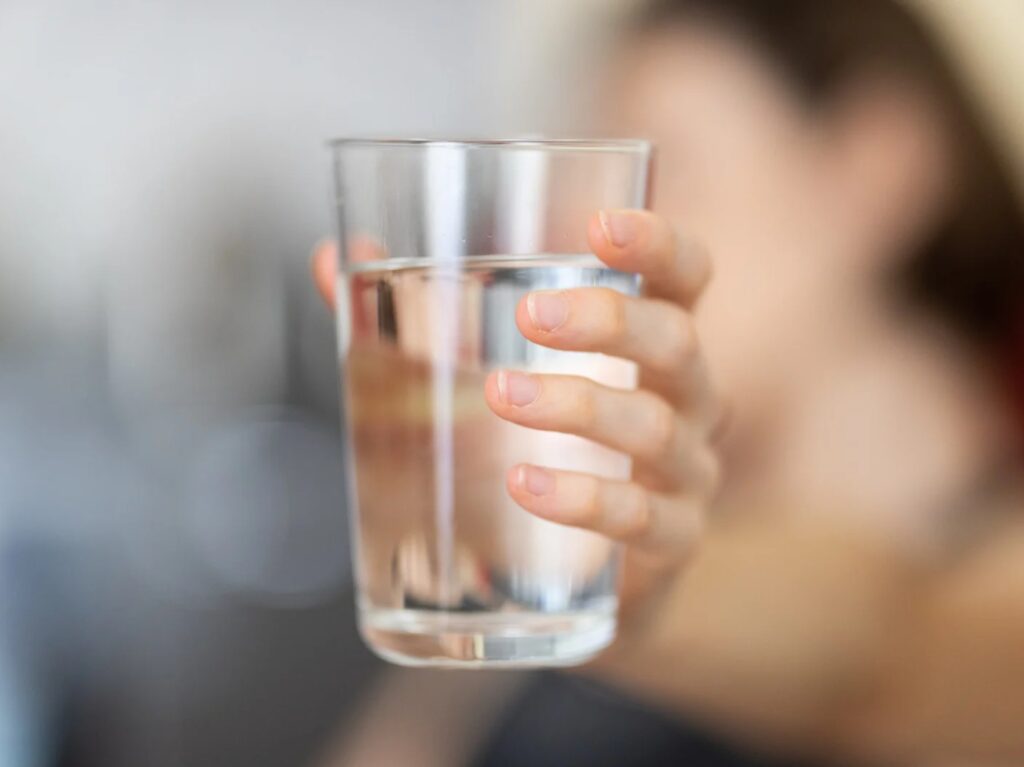
Are you really drinking enough? What the latest research says about daily hydration needs
Most of us have heard it: “Drink eight glasses of water a day.” But is that really enough? Or even necessary? As hydration science advances, experts are reevaluating just how much water we truly need—and whether we’re drinking as much as we think. Proper hydration isn’t just about quenching thirst—it’s essential to nearly every function in your body, from brain performance to temperature regulation.
So, are you drinking enough? Let’s look at what the latest research says and how you can meet your hydration goals in everyday life.
Why hydration matters more than you think
Your body is about 60% water, and even mild dehydration can impact your mood, energy, and focus. According to a 2022 review published in Nutrients, even a 1–2% loss of body fluid can lead to noticeable cognitive decline and fatigue.
Water also plays a role in:
- Digestive health
- Joint lubrication
- Body temperature regulation
- Kidney function and detoxification
Simply put, hydration is foundational to overall health—but it’s often overlooked until symptoms appear.
What the science says about daily water needs


The famous “8×8 rule” (eight 8-ounce glasses per day) is easy to remember, but it’s not a one-size-fits-all guideline. According to the National Academies of Sciences, Engineering, and Medicine:
- Men should consume about 3.7 liters (or about 125 ounces) of fluids per day
- Women should aim for around 2.7 liters (about 91 ounces) daily
Note: This includes all fluids, not just water—so tea, coffee, juice, and even water-rich foods (like fruits and vegetables) count.
However, hydration needs vary widely depending on factors such as:
- Climate (hot or dry weather increases fluid loss)
- Physical activity (sweating requires replenishment)
- Age (older adults may have a diminished thirst response)
- Health conditions (fever, infections, or kidney issues may increase needs)
Signs you’re not drinking enough
Dehydration isn’t always obvious. Thirst is actually a late signal that you’re already running low on fluids. Here are some earlier signs to watch for:
- Dry mouth or cracked lips
- Dark yellow urine
- Fatigue or low energy
- Dizziness or lightheadedness
- Poor concentration or headache
If you’re noticing any of these, it may be time to up your fluid intake—even before thirst kicks in.
Hydration tips that actually work
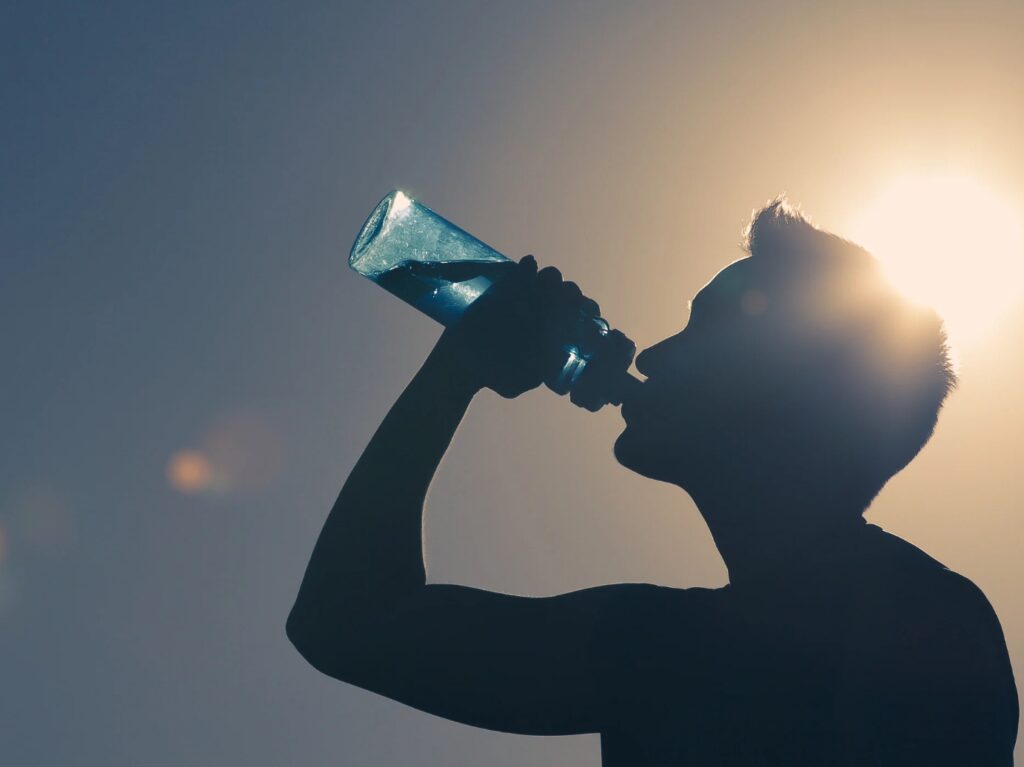
Drinking more water doesn’t have to mean carrying a gallon jug around all day. Here are practical ways to stay hydrated without overthinking it:
- Start your morning with a glass of water to kickstart metabolism
- Infuse water with lemon, mint, or berries if plain water feels boring
- Set reminders or use hydration-tracking apps
- Eat more hydrating foods like cucumbers, oranges, and lettuce
- Drink consistently throughout the day, not just when you feel thirsty
And yes, coffee and tea can count toward your fluid intake—just watch out for excessive caffeine if you’re sensitive.
Rethinking hydration: what matters most
While it’s important to stay hydrated, experts caution against obsessing over arbitrary numbers. What matters most is listening to your body, adjusting based on your lifestyle, and staying consistent.
“Hydration needs are dynamic. It’s less about hitting a target and more about understanding your body’s cues,” says Dr. Sarah Greer, a registered dietitian and hydration researcher.
You don’t need to chug water all day—but you do need to stay mindful. With growing evidence linking hydration to physical performance, brain function, and long-term health, it’s clear that water is one of the simplest, most powerful tools in your wellness routine.
Challenge for today: Grab a water bottle, add a slice of citrus, and make it your goal to finish it twice before bedtime. Your body will thank you.