


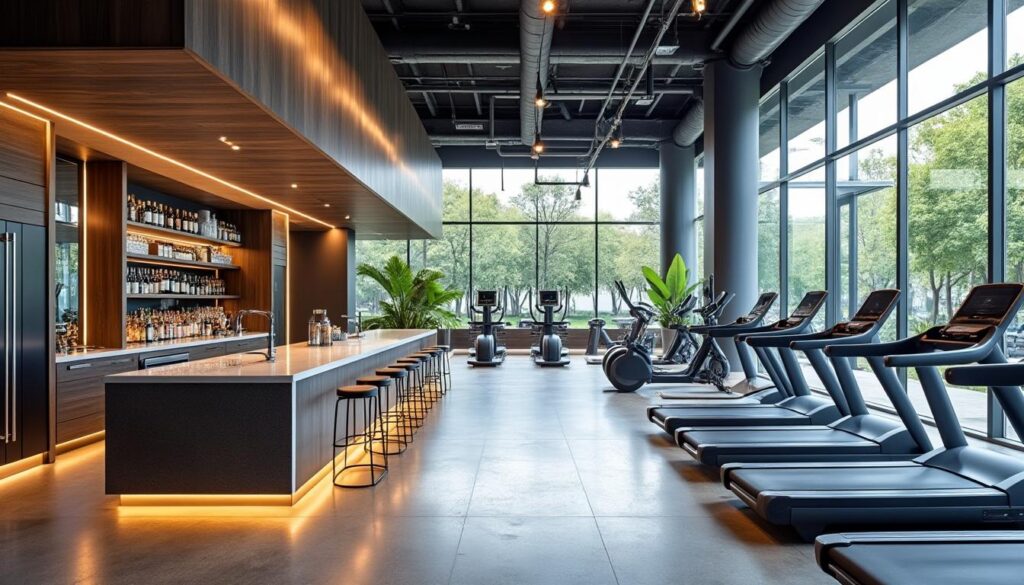
In recent years, the boundary between fitness centers and wellness spaces has increasingly blurred, giving rise to innovative environments that fuse physical activity with social engagement and holistic health experiences. This trend responds to growing consumer desires to integrate exercise with relaxation, nutrition, and community, transforming the traditional gym into a multifaceted destination. Concepts like FitBar, Wellness Haven, and the Fusion Fitness Lounge exemplify this evolution by combining workout areas with bars, cafes, and lounges that serve healthful beverages and promote mindful living. Architecturally, this convergence demands imaginative designs that accommodate diverse functions seamlessly, offer inviting atmospheres, and encourage both physical exertion and psychological rejuvenation.
Professionals in architecture and interior design have been experimenting with spatial configurations, innovative materials, and versatile installations to craft spaces that deliver more than just a workout. Rather, they aim to cultivate an immersive experience where patrons transition effortlessly from sweat sessions to social sips at a Gym & Juice bar or from intense training to unwinding in the Vibe Fitness Lounge. The intersection of fitness and wellness in design also caters to heightened psychological benefits. Exercise is recognized not only for its physical advantages but also for fostering self-confidence, easing stress, and improving cognitive function. Facilities like Sip & Sweat Studio and the Active Wellness Hub exemplify how integrated spaces support this mind-body connection, offering environments where users feel renewed and balanced.
Globally, locations such as the Elevate Gym Bar leverage design-driven fitness experiences to attract broad demographics and foster community ties. Meanwhile, Nourish & Move spaces embrace biophilic elements and tailored health offerings, from functional nutrition bars to ambient recovery zones. These innovations signal a transformative shift in how fitness venues are conceived, merging technical sophistication with wellness hospitality principles. To grasp the full scope of this gym-bar fusion phenomenon and its implications on modern wellness architecture, it is essential to explore key facets including design strategies, user psychology, spatial flexibility, technology integration, and cultural impacts shaping these dynamic environments.

Design Strategies for Creating Integrated Gym-Bar Environments
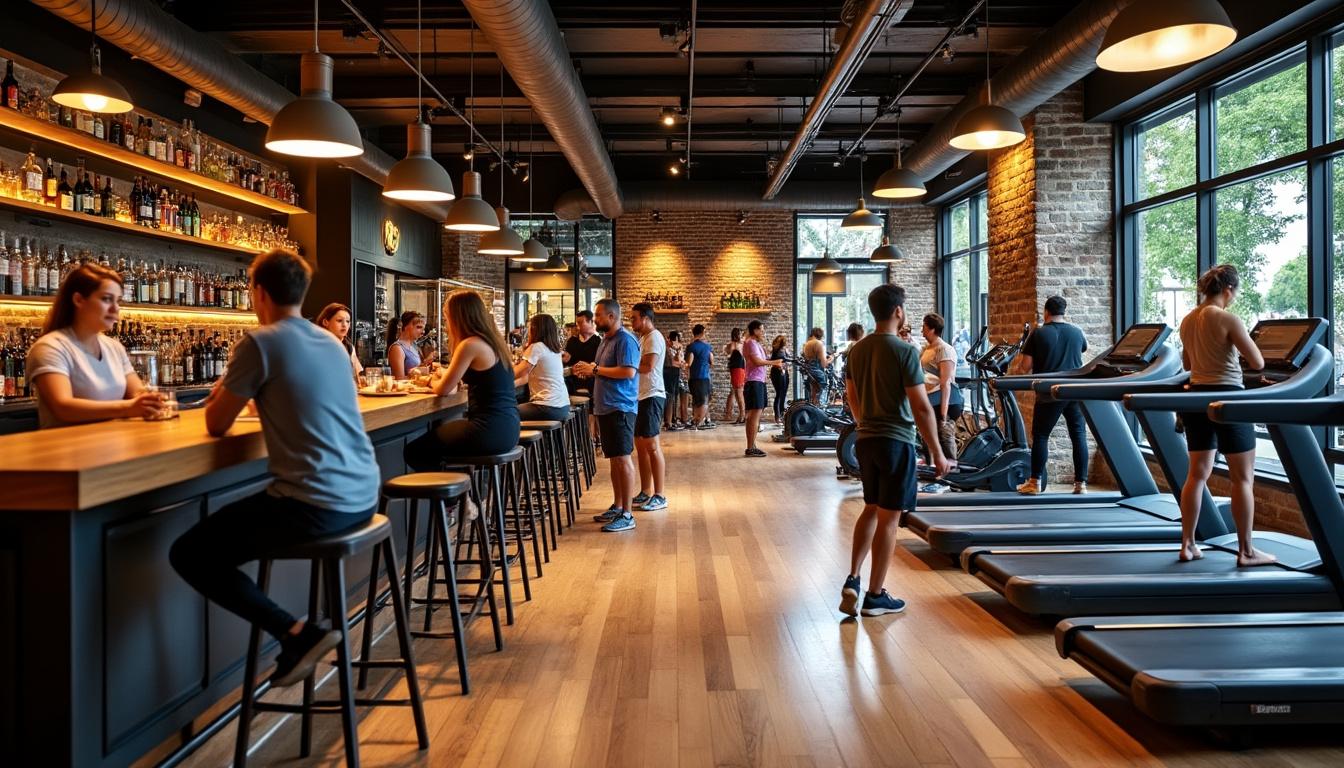
Architects and designers face the challenge of crafting spaces that simultaneously accommodate vigorous physical activities and relaxed social interactions. The success of concepts like Sweat & Sip and FitBar lies in blending functional zones without disruption, creating a coherent spatial narrative that encourages flow between exercise and leisure.
Central to these strategies is zoning. Spaces are carefully segmented yet visually connected, employing materials and lighting to distinguish active areas from calm, reflective zones. For example, high-energy workout spaces with durable flooring and bright, focused illumination contrast with the warm, inviting ambience of Wellness Haven’s juice bar or lounge, featuring softer textures and mood lighting. This delineation helps users mentally transition, supporting the psychological phases of pre-exercise preparation, post-workout relaxation, and social engagement.
Designers also emphasize multi-functionality. Furniture and equipment are strategically chosen or customized to enable shifts in usage throughout the day. Modular seating within the Fusion Fitness Lounge converts effortlessly from café tables to informal meeting spots post-class, while retractable barriers and movable partitions facilitate adaptability for events or group sessions.
Materiality plays a defining role, with a preference for natural, sustainable elements aligning with wellness narratives. Wood paneling, greenery, and biophilic design components permeate spaces such as the Active Wellness Hub, fostering connection to nature even within urban settings. These materials not only enhance aesthetics but also contribute to indoor air quality and acoustics, improving overall user experience.
A notable example is the Total Fusion Platinum project by ACME, which embraces luxurious finishes and integrated health amenities to elevate user experience beyond standard gym expectations. By referencing sources like this project, designers can appreciate how opulence and function merge to attract sophisticated clientele seeking comprehensive well-being.
- Zoning and spatial differentiation – separating active and social zones with seamless visual connection
- Modular and adaptable furnishings – enabling multi-use configurations for varied activities
- Biophilic materials and sustainable elements – enhancing comfort and environmental quality
- Lighting strategies – using bright lights for workout zones, warm tones for leisure areas
- Integrated technology – supporting dynamic ambience control and user interaction
| Design Element | Function | Example Implementation |
|---|---|---|
| Zoning | Separates workout area from social zones | Visual barriers, contrasting materials |
| Modular Furniture | Supports flexible usage and events | Retractable seating, movable partitions |
| Biophilic Design | Enhances wellness and atmosphere | Indoor plants, wood finishes |
| Lighting | Defines mood and spatial function | Bright LEDs for gyms, warm lamps for lounges |
| Technology Integration | Customizes environment and user flow | Smart lighting, interactive displays |
By studying such design principles and exemplary implementations detailed at ArchDaily, industry professionals can draw inspiration for future developments that balance physical vigor and mental restoration in unified spaces.

The Psychological Impact of Gym-Bar Spaces on User Experience
Modern fitness environments extend beyond exercise; they engage psychological and emotional realms. Facilities like the Sip & Sweat Studio and Vibe Fitness Lounge exemplify how integrated gym-bar designs foster positive mental states associated with well-being, motivation, and social connectivity.
Adèle Winteridge, founding director of Foolscap Studio, highlights the psychological phases users undergo during gym visits: initially, individuals present their public persona; during exercise, they enter a state of focused self-renewal; finally, post-workout, they experience relaxation and sociability. This psychological arc is supported by the physical environment, where design cues encourage progressive mental shifts.
Various studies validate that consistent physical activity leads to elevated self-confidence and enhanced intellectual functioning, alongside notable reductions in depression, anxiety, and stress symptoms. Gym-bar environments magnify these effects by integrating social elements that reduce isolation and encourage community building.
Spaces like the Nourish & Move concept emphasize nutritional support alongside physical training, promoting holistic health that nurtures mind and body. Such venues offer nutrient-rich beverages, functional foods, and calming atmospheres that complement the physiological recovery process.
- Psychological phases in gym experience – public persona, focused exercise, social relaxation
- Boost in self-confidence – regular physical activity enhances self-esteem
- Mental health improvements – exercise linked to lowered depression and stress
- Social connectivity – gym-bars facilitate peer interaction and community
- Holistic wellness – combination of movement, nutrition, and leisure
| Psychological Benefit | Mechanism | Role of Gym-Bar Design |
|---|---|---|
| Self-Confidence | Achievement of fitness goals | Supportive environment with social affirmation |
| Stress Reduction | Exercise-induced endorphin release | Relaxation areas and calming design elements |
| Cognitive Function | Increased blood flow and mental stimulation | Spaces that encourage mental downtime and nutrition |
| Social Engagement | Shared activities and communal spaces | Integrated lounge and bar areas for interaction |
For those interested in the science and design of such spaces, resources like Briefly Wellness Story delve deeper into how architecture shapes these experiences, emphasizing the importance of psychologically attuned environments to boost long-term fitness adherence.
Innovative Amenities and Services in Fitness and Wellness Fusion Spaces
The integration of bars into gyms has expanded from mere refreshment counters to sophisticated wellness hubs offering diverse amenities that support various aspects of health. Establishments like the Elevate Gym Bar and Gym & Juice stations showcase how thoughtful programs and offerings complement physical exercise.
Key innovations include:
- Functional Beverage Bars: Serving cold-pressed juices, nutri-shots, and adaptogenic elixirs designed to enhance recovery and mental acuity.
- Biohacking Health Bars: Featuring nootropics, mushroom blends, and personalized nutrition plans that elevate physical and cognitive performance.
- Recovery Lounges: Spaces equipped with massage chairs, infrared saunas, and meditation pods that promote relaxation and regeneration post-workout.
- Interactive Technology: Digital kiosks and apps offering personalized fitness plans, nutritional tracking, and social scheduling to encourage engagement.
- Community Events: Regular workshops, wellness talks, and social mixers fostering a sense of belonging and continuous motivation.
| Amenity/Service | Description | Benefit to Users |
|---|---|---|
| Functional Beverage Bars | Juices and elixirs with health-enhancing ingredients | Improved recovery and mental energy |
| Biohacking Bars | Personalized supplements and nootropic blends | Enhanced physical and cognitive performance |
| Recovery Lounges | Infrared saunas, massages, meditation spaces | Faster recovery and stress relief |
| Interactive Tech | Apps and kiosks for personalized fitness and nutrition | Greater adherence and motivation |
| Community Events | Workshops and social mixers | Sense of belonging and support |
Facilities such as the Nourish & Move and Sip & Sweat Studio have incorporated these amenities, transforming the user journey into a full-spectrum wellness experience. For insights into such cutting-edge service design, visit BioFit’s latest reports.

Technological Integration Enhancing the Gym-Bar Fusion Experience
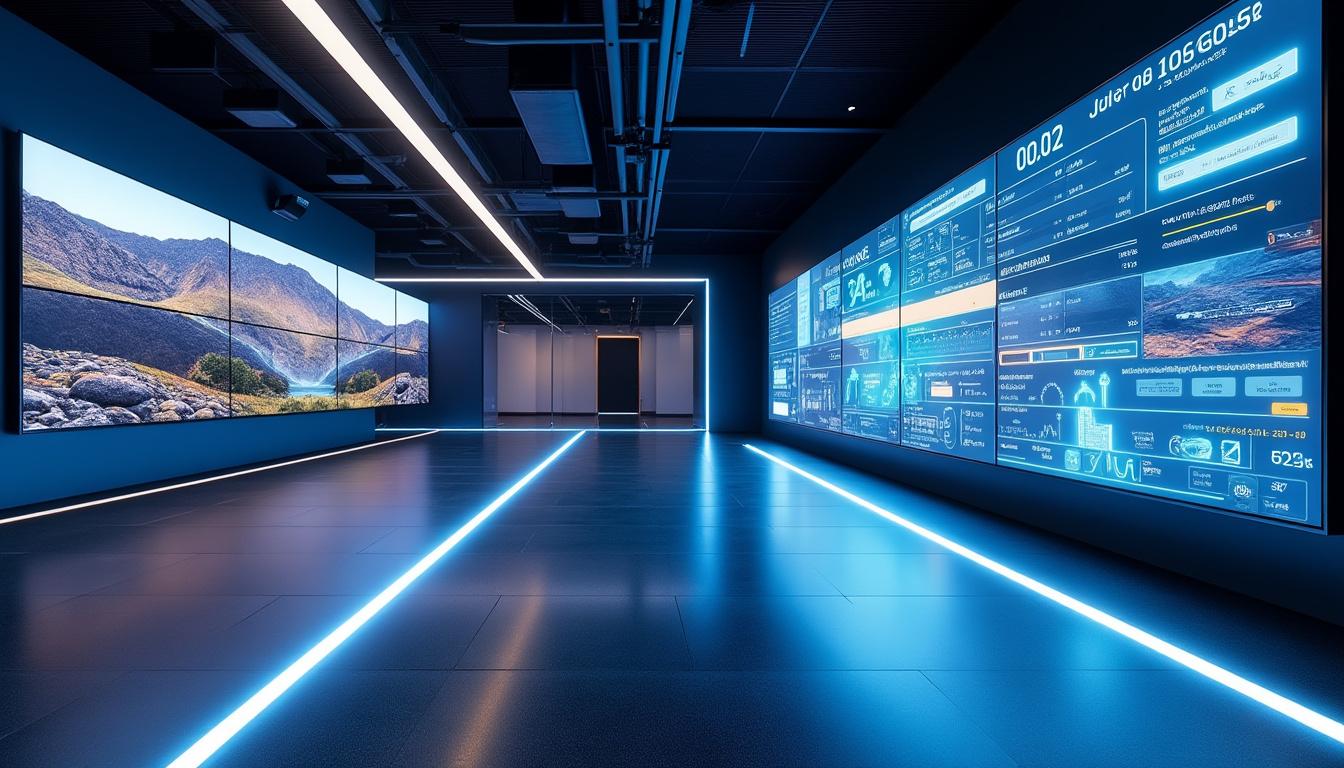
Technology plays a pivotal role in marrying fitness with wellness hospitality. Smart systems customize environmental controls such as lighting, temperature, and sound to adapt dynamically to different phases of user activity within spaces like the Active Wellness Hub and Vibe Fitness Lounge.
Wearable integration extends the user’s experience beyond the gym, syncing workout data with nutritional feedback from bar offerings. Interactive screens deliver real-time guidance, enabling patrons to transition smoothly from workout metrics to beverage selections optimized for recovery. Such technological sophistication personalizes the fitness journey, cultivating deeper engagement and results.
Additionally, augmented reality (AR) and virtual reality (VR) applications are emerging as tools to enrich workout routines, combining entertainment with physical effort. This approach is slowly being incorporated into spaces like the Fusion Fitness Lounge to maintain user motivation and introduce novel social experiences.
- Environmental automation: Lighting and sound adjust to workout intensity or social moods
- Wearable tech sync: Combines fitness data with nutrition tracking at bar stations
- Interactive kiosks: Offer personalized plans, tips, and community announcements
- AR/VR fitness modules: Gamified exercise environments enhance engagement
- Mobile apps: Encourage social scheduling, class bookings, and progress tracking
| Technology | Function | User Impact |
|---|---|---|
| Environmental Automation | Dynamic adjustment of ambiance | Enhanced comfort and motivation |
| Wearable Sync | Integrates health and nutrition data | Personalized and informed wellness |
| Interactive Kiosks | Guidance and community info | Greater user engagement |
| AR/VR Modules | Immersive fitness experiences | Increased motivation and fun |
| Mobile Apps | Class scheduling and tracking | Convenience and social connection |
Organizations exploring these innovations include SPX Gym Design, with extensive expertise in merging interior aesthetics with technology. Their approach is detailed at SPX Gym Design. Incorporating these advancements is crucial for designing spaces that meet modern expectations for fitness and wellness experiences.

Cultural Trends Driving the Popularity of Gym-Bar Fusion Concepts
Consumer lifestyles in 2025 emphasize convenience, community, and holistic health, accelerating the popularity of fitness spaces that combine workout and wellness culture. The rise of facilities like the FitBar and Sweat & Sip reflects larger socio-cultural shifts toward experiential living and integrated self-care.
Urban professionals increasingly seek venues that serve multiple needs — exercise, socializing, nutrition, and relaxation — under one roof to optimize time and enrich daily routines. This demand fuels the expansion of Active Wellness Hubs, which position themselves as local centers for health empowerment and social gatherings.
Furthermore, post-pandemic attitudes have heightened awareness of mental health and community support, compelling fitness venues to incorporate wellness programming and environments conducive to psychological well-being. Fusion Fitness Lounges have responded by hosting mindfulness sessions, nutritional counseling, and group events that foster solidarity and resilience.
- Preference for multi-functional spaces – simultaneous fitness, nutrition, and socializing options
- Increased attention to mental health – wellness integrated into physical fitness
- Desire for community connection – social events in gym-bar environments
- Convenience culture – all-in-one destinations optimize time
- Emphasis on lifestyle experience – venues as social and health hubs
| Trend | Impact on Gym-Bar Design | Example Venue |
|---|---|---|
| Multi-functionality | Design accommodates diverse activities | Fusion Fitness Lounge |
| Mental Health Focus | Relaxation zones, mindfulness programs | Wellness Haven |
| Community Connection | Social spaces and events | Sweat & Sip |
| Convenience Culture | Integrated amenities | FitBar |
| Lifestyle Experience | Aesthetic and hospitality driven design | Elevate Gym Bar |
For more on how cultural attitudes shape these developments, consult case studies on Zynk Design’s top wellness spaces or analyses from ArchDaily discussing evolving gym interiors.
FAQ: Understanding Gym-Bar Fusion Spaces
- What are gym-bar fusion spaces?
They are integrated environments combining fitness facilities with bar or lounge areas offering healthy beverages and social spaces, promoting both physical and mental wellness. - How do these spaces benefit mental health?
By facilitating exercise, relaxation, social interaction, and nutrition, they support stress reduction, improved mood, and enhanced cognitive function. - What design elements are essential in such spaces?
Zoning, modular furniture, biophilic materials, adaptive lighting, and technology integration are key to accommodating diverse activities smoothly. - Which technologies enhance user experience?
Environmental automation, wearable syncing, interactive kiosks, and AR/VR applications personalize and enrich fitness and wellness offerings. - Why is the gym-bar concept gaining popularity?
Because it meets contemporary lifestyle demands for convenience, multi-functionality, community, and holistic health in one welcoming venue.