


Staying hydrated isn’t a new health tip, but it’s becoming one of the biggest wellness priorities of the decade. From trending water bottles to apps reminding us to sip regularly, hydration is officially back in the spotlight.
As a doctor, a nutritionist, and a sports trainer, I’ve seen how proper hydration can transform energy levels, recovery, and even mental health. But why is this basic habit gaining so much attention again? And what does it actually do for your body?
Why is hydration trending again?


The resurgence of hydration as a health trend stems from several factors: the rise in global temperatures, increased screen time, busier lifestyles, and a cultural shift toward optimizing well-being. People are realizing that *fatigue, headaches, and brain fog* often have a surprisingly simple root cause—dehydration.
Social media has also amplified the awareness, with influencers showcasing morning water routines and refillable bottles. But this time, the hype is backed by real physiological benefits and scientific consensus. Proper hydration supports nearly every system in the body, from cellular repair to mood regulation.
What dehydration really does to your body
Most people associate dehydration with thirst, but the symptoms are more nuanced. Even mild dehydration—losing as little as 1–2% of your body weight in fluids—can impair cognitive performance, delay reaction times, and cause irritability.
From a medical perspective, dehydration affects blood pressure, kidney function, and thermoregulation. It can exacerbate chronic conditions like hypertension or migraines. As a nutritionist, I see how it impacts digestion, metabolism, and nutrient transport. As a trainer, I witness its effects on recovery and performance firsthand.
The surprising benefits of staying hydrated
When the body is properly hydrated, it operates like a well-oiled machine. Water helps regulate body temperature, lubricate joints, and eliminate waste through urine and sweat. In the brain, it supports neurotransmitter activity and prevents the foggy thinking many people accept as normal.
Hydration can also indirectly support weight management. Many confuse thirst with hunger, leading to unnecessary snacking. Drinking enough water before meals improves satiety, and keeping cells hydrated helps regulate energy output and fat metabolism.
Hydration myths and mistakes to avoid
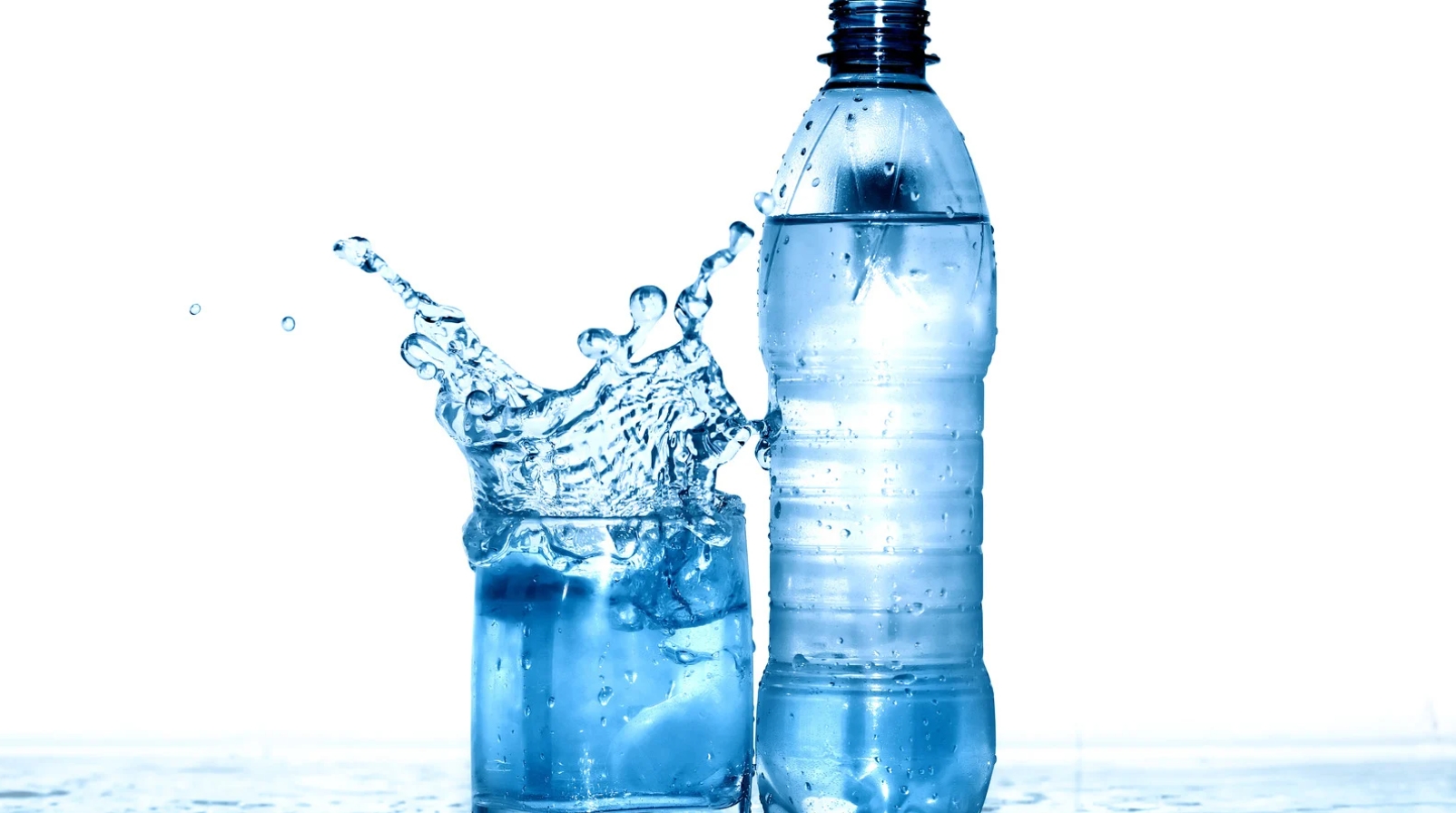

Contrary to popular belief, you don’t need to chug a gallon of water a day. Overhydration is real—it can dilute sodium levels and cause discomfort. The best strategy is steady, intentional sipping throughout the day, aligned with activity level and climate.
Another myth is that all fluids count the same. While tea and soups contribute, alcohol and sugary drinks can be dehydrating. Water-rich foods like cucumbers, oranges, and lettuce are also great additions but shouldn’t replace regular fluid intake.
Simple ways to improve your hydration habits
- Start your day with a glass of water before coffee or tea
- Keep a visible water bottle near your workspace or gym bag
- Add lemon, mint, or fruit to water for natural flavor without sugar
- Eat water-rich fruits and vegetables with every meal
For athletes and active individuals, rehydration after intense workouts should include electrolytes. Coconut water, sodium-rich broths, or balanced sports drinks can support fluid balance better than plain water alone in these cases.
Hydration isn’t just a buzzword—it’s a foundational pillar of health. Whether your goal is mental clarity, digestive balance, or improved fitness, drinking enough water is one of the easiest and most impactful steps you can take.
So yes, hydration is making a comeback. But more importantly, it’s reclaiming its rightful place at the center of everyday wellness. Stay consistent, listen to your body, and give it the water it deserves.