


Medical emergencies strike without warning, thrusting bystanders into moments where swift, knowledgeable action can spell the difference between life and death. In these critical seconds, staying composed, accurately assessing the scene, and delivering appropriate first aid—while promptly summoning professional assistance—form the cornerstone of effective emergency response. Understanding these steps is essential not only for healthcare professionals but for everyone who may find themselves a witness or first responder. Across the globe, institutions like the Red Cross, St John Ambulance, and the American Heart Association emphasize the importance of educating the public on these lifesaving techniques, reflecting a widespread acknowledgment that immediate layperson intervention often impacts outcomes more profoundly than delayed specialist care. Inspired by authoritative sources such as WebMD, Mayo Clinic, and Cleveland Clinic, this guide provides a clear, practical pathway for anyone faced with a medical crisis, integrating best practices from EMS1 and Healthline with accessible first aid principles highlighted by First Aid for Free.
Step 1: Stay Calm and Assess the Medical Emergency Situation Efficiently
In every urgent medical scenario, the first and most crucial action is to maintain composure and rapidly assess the situation. Panic shackles judgment, whereas a calm mind empowers decisive, effective intervention. Begin by safely evaluating the environment to protect yourself and the victim.
- Ensure scene safety: Avoid placing yourself in harm’s way before aiding others, a principle advocated universally, including by St John Ambulance training modules.
- Gather information: Identify exactly what transpired by observing signs like consciousness level, breathing patterns, or visible injuries.
- Determine if emergency services are required: If you witness symptoms like unresponsiveness, severe bleeding, or difficulty breathing, immediate professional help is non-negotiable.
Such rapid appraisal not only prioritizes interventions but also aligns with procedures recommended by the Red Cross and extensively documented by MedlinePlus and the American Heart Association. The ability to filter distractions and focus on pertinent clinical features is the foundation upon which all subsequent actions depend.

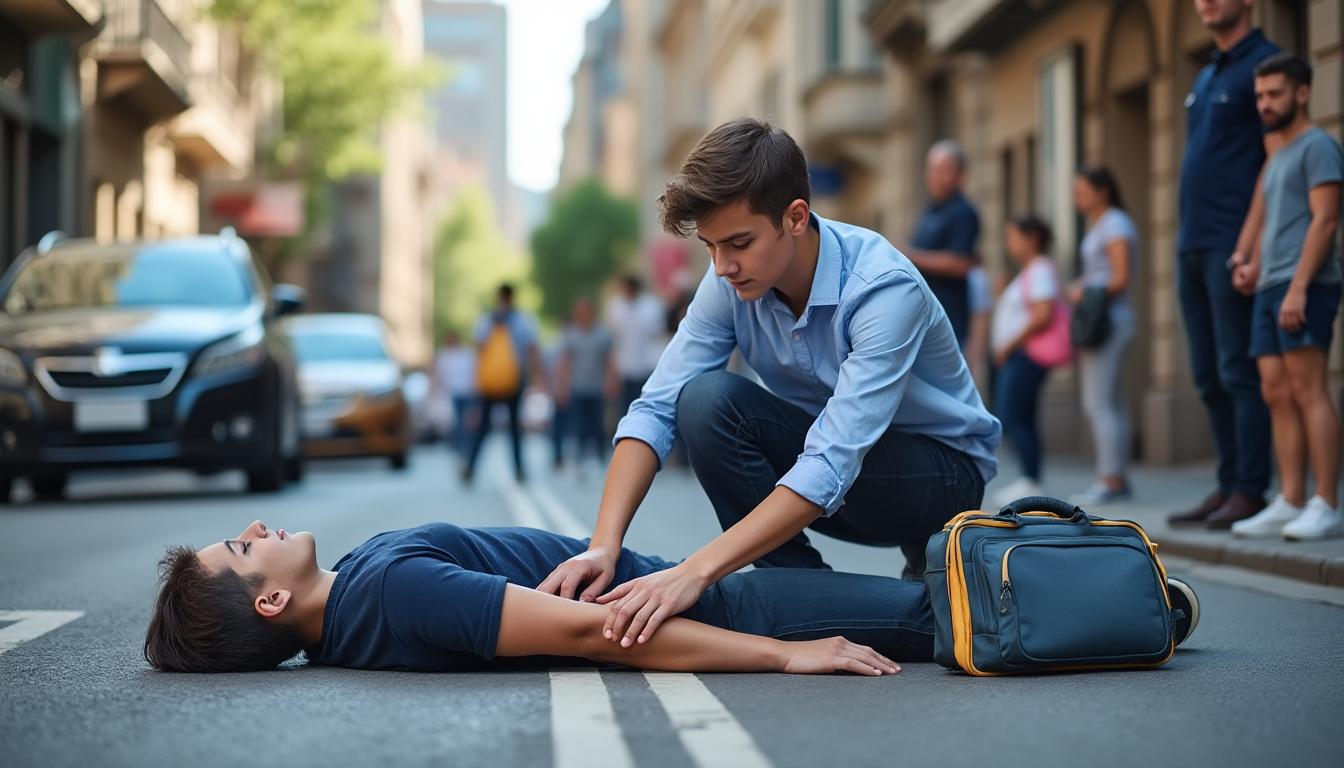
How to Call for Help Effectively During a Medical Crisis
Once the situation is assessed, the next pivotal step is to call emergency medical services without delay. Providing clear information enables faster and more appropriate dispatch of aid.
- Location details: Specify your exact location to prevent delays in arrival.
- Description of the emergency: Communicate the type of injury or illness, such as cardiac arrest or stroke symptoms.
- Victim status: Inform about consciousness, breathing, bleeding, or any known medical history relevant to the emergency.
Reliable services like EMS1 emphasize that time is a precious commodity in emergencies, and prompt communication with dispatch centers enhances the chances of survival. Hospitals such as Continental Hospitals stand ready to treat emergencies swiftly, so alerting them or equivalent services ensures expert care follows your initial assistance. For guidance on conversations with dispatchers, exploring resources like Mayo Clinic’s emergency communication tips can be invaluable.
Step 2: Perform Basic First Aid to Stabilize the Patient While Waiting
While waiting for professional responders, applying first aid can dramatically influence outcomes. Each emergency type necessitates specific actions, so acquiring fundamental skills from certified programs like those offered by the Red Cross or St John Ambulance is highly recommended.
- Cardiac arrest: Immediately begin CPR—chest compressions at 100-120 per minute are critical, even without mouth-to-mouth if you are untrained. The American Heart Association asserts that continuous compressions pump life-sustaining blood until defibrillation or advanced care arrives.
- Severe bleeding: Apply steady pressure with a clean cloth. If uncontrolled, a tourniquet above the injury may be necessary, but only if you have proper training as outlined by First Aid for Free and Healthline.
- Choking: Administer the Heimlich maneuver for adults or back slaps and chest thrusts for infants, following clear established protocols.
- Fractures: Immobilize the injured limb carefully to prevent further damage; makeshift splints can be fashioned from available materials.
- Burns: Cool minor burns with cool water for at least ten minutes and cover severe burns with sterile dressings. Avoid ice, as recommended by WebMD.
- Stroke suspicion: Note symptom onset time and keep the individual calm and still while awaiting emergency services, reinforcing urgency.
Mastering these procedures serves as the first line of defense in emergencies and dramatically impacts recovery trajectories, as repeatedly evidenced by research documented in Cleveland Clinic reports and shared by EMS1 professionals.
Monitoring and Moving Patients in Emergencies: What You Need to Know
After initiating first aid, continuous monitoring is essential. Observe vital signs—breathing, pulse, and consciousness—and be prepared to perform CPR if deterioration occurs. For patients losing consciousness, positioning the head to maintain an open airway prevents complications.
- Transport decisions: Only move a patient if their current environment poses immediate danger; improper handling can exacerbate injuries, notably spinal trauma.
- Information relay: Upon arrival of medical professionals, convey all observations and care measures administered to enhance accuracy of further treatment.
- Psychological support: Provide reassurance to alleviate fear and confusion, which can reduce physiological stress responses and promote stabilization.
Professional bodies, including the Mayo Clinic, stress the significance of this comprehensive care chain from the scene to emergency departments. Coordinated efforts magnify survival rates and reduce long-term disabilities.