


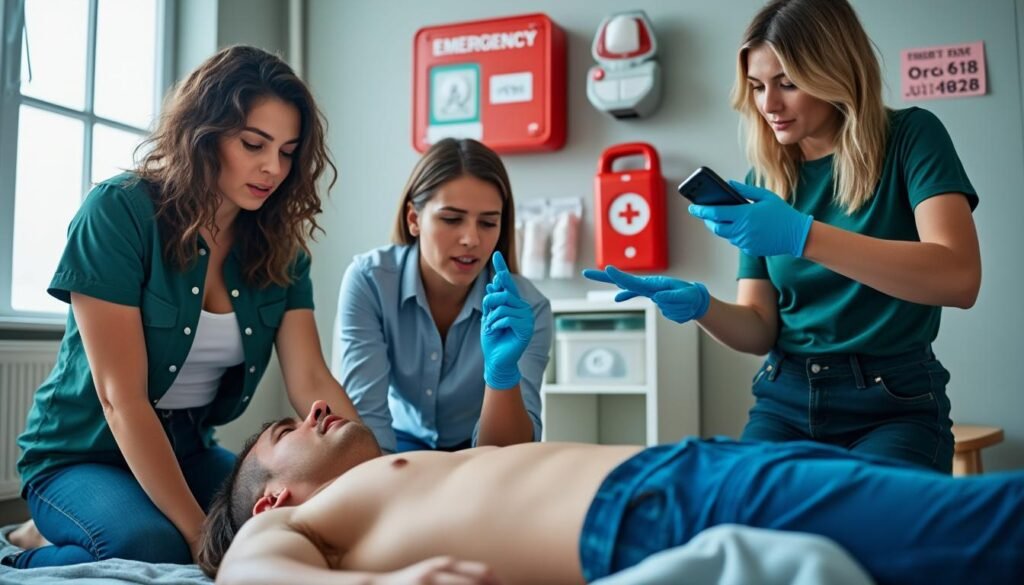
Medical emergencies strike without warning, demanding swift and decisive action to save lives. In these critical moments before professional help arrives, knowing the right steps can make all the difference. From trauma accidents to sudden illnesses like strokes or heart attacks, immediate and informed intervention often dictates recovery outcomes. The complexity of emergencies requires calm assessment, effective first aid knowledge, and prompt communication with emergency services. Organizations like the Red Cross, American Heart Association, and National Safety Council emphasize preparation to empower bystanders to respond confidently and competently. Whether you’re at home, work, or in public, understanding how to act when seconds count is essential. This comprehensive guide will walk you through managing various emergencies, integrating trusted advice from CDC (Centers for Disease Control and Prevention) and Healthline, and highlight the importance of professional medical intervention such as that provided by Emergency Medical Services (EMS) and specialized hospitals.

Immediate Steps to Take When Witnessing a Medical Emergency
Witnessing a medical emergency can be overwhelming, but the steps you take in the first moments are critical. Always start by ensuring scene safety; your own safety is paramount to effectively assist others. Once the scene is secure:
- Assess the situation calmly—identify the nature of the emergency (trauma or sudden illness).
- Call 911 promptly, providing clear information about the location, patient’s condition, and any relevant medical history.
- Perform basic first aid if trained—control bleeding, assist breathing, or immobilize fractures as appropriate.
- Monitor the individual closely while waiting for professional responders.
- Offer reassurance to keep the person calm and prevent further injury.
These foundational actions can dramatically improve outcomes before EMS personnel arrive, as outlined by the St. Mary’s Regional Medical Center. Learning from accredited organizations like Red Cross or American Heart Association can prepare anyone to be an effective first responder.
Handling Traumas: Controlling Bleeding and Preventing Further Injury
Traumatic injuries, such as those from car accidents or falls, often involve severe bleeding or potential bone damage. Immediate control of blood loss is essential:
- Apply direct pressure using gauze, a clean cloth, or a T-shirt directly onto the wound.
- If bleeding persists, press firmly on a major artery between the wound and the heart to slow blood flow.
- Use a tourniquet only if trained and as a last resort when bleeding cannot be controlled otherwise.
For suspected broken bones or spinal injury, minimizing movement is critical to avoid worsening the condition. Stabilize the person gently, supporting pain relief without forcing movement, as recommended by sources such as Verywell Health and National Safety Council.
Recognizing and Responding to Medical Emergencies Like Stroke and Heart Attack
Sudden medical emergencies demand rapid recognition and response. The FAST acronym serves as a vital tool for identifying strokes:
- Face drooping: Check for uneven smile or weakness.
- Arm weakness: Inability to raise or numbness in an arm.
- Speech difficulties: Slurred or incoherent speech.
- Time to call 911: Immediate action is essential.
Time-sensitive interventions can prevent lasting brain damage. Documenting symptom onset helps medical teams decide optimal treatment strategies.
Heart attack symptoms, varying between individuals and sometimes more subtle in women, include intense chest pain or discomfort radiating to the neck, jaw, arms, and sweating. CPR may be lifesaving if the person becomes unresponsive and pulseless, and the use of an AED (Automated External Defibrillator) greatly improves survival odds when available. The Red Cross and American Heart Association provide detailed guidance and courses on these lifesaving skills.
Key First Aid Techniques to Stabilize and Support Patients
Performing appropriate first aid while awaiting EMS is critical. Key techniques include:
- CPR: 100–120 chest compressions per minute, hands-only or with rescue breaths if trained.
- Recovery position: Place unconscious, breathing individuals on their side to keep airways clear.
- Choking interventions: Heimlich maneuver or back blows for infants as per St. John Ambulance.
- Burn management: Cool minor burns with water; cover severe burns and seek professional care.
- Immobilization: Use splints or makeshift supports to prevent movement in suspected fractures.
These treatments form the cornerstone of immediate care advocated by institutions like MedlinePlus and CDC.
Additional Tips to Consider When Assisting in Medical Emergencies
Beyond direct patient care, several practical considerations enhance safety and effectiveness:
- Stay calm and communicate clearly with emergency dispatchers to facilitate quick and accurate response.
- Gather medical information related to allergies, existing conditions, or medications to inform responders.
- Avoid moving patients unnecessarily, especially when spinal injury is suspected, unless hazards demand relocation.
- Provide emotional support to reduce anxiety, which can improve physiological responses.
- Prepare for EMS arrival by clearing access routes or directing paramedics on scene conditions.
Top emergency services stress that these behavioral steps complement physical aid to create optimal outcomes.