


Medical emergencies often strike without warning, putting bystanders and loved ones in a critical position where every moment counts. Understanding what to do in these high-pressure situations can mean the difference between life and death. Whether it’s a sudden heart attack, severe bleeding, or an unconscious victim, knowing the right steps to take can not only stabilize the patient but also expedite professional medical intervention. The knowledge taught by organizations such as the American Heart Association and Red Cross, along with practical training modules like CPR Anytime, equip individuals with the skills to act promptly and effectively. In 2025, with Emergency Medical Services becoming increasingly efficient and accessible, immediate action in the first crucial minutes remains vital to survival and recovery. This guide distills essential first aid procedures, demonstrating how laypersons can confidently navigate emergencies from assessment to hospital transfer.
How to Assess and Prioritize in a Medical Emergency
Effective response begins with a clear assessment of the situation. Quickly determining the nature and severity of the emergency is crucial for prioritizing actions and seeking help. Paramedics and organizations like St. John Ambulance emphasize the importance of a calm, systematic approach when faced with victims who may be unconscious, bleeding, or having difficulty breathing.
- Check for responsiveness: Gently attempt to wake the victim by tapping and speaking.
- Look for breathing: Observe chest movements or listen for breath sounds.
- Control severe bleeding: Apply direct pressure with a clean cloth.
- Call for Emergency Medical Services immediately: Provide the dispatcher with precise details about the victim’s condition and location.
- Ensure scene safety: Protect both the victim and yourself from ongoing hazards.
In 2025, rapid assessment paired with immediate communication to Emergency Medical Services allows victims to receive targeted care swiftly. Remember, the Survivor’s Club comprises individuals who not only survive emergencies but actively contribute to the chain of survival by initiating prompt first aid.

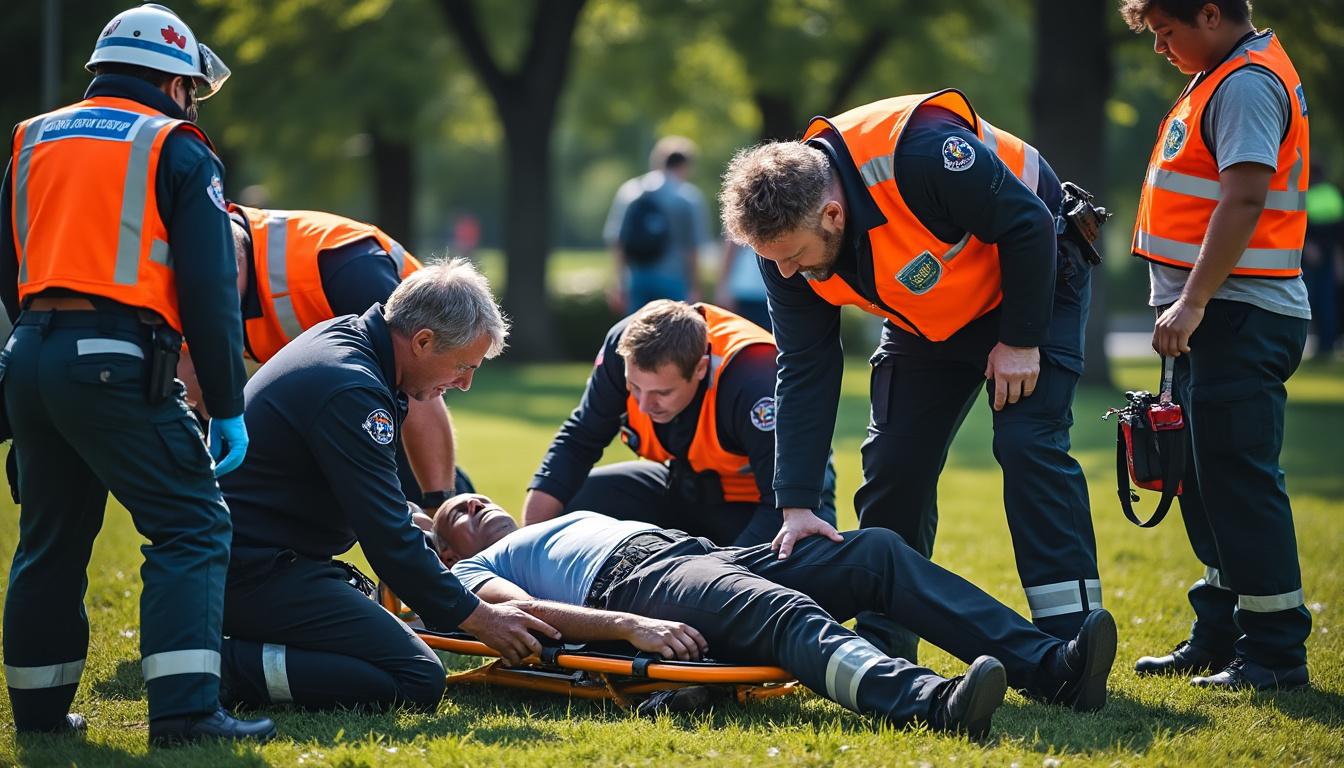
Managing Conscious Versus Unconscious Victims
Different approaches are required depending on whether the victim is conscious or unconscious. Conscious individuals may communicate pain locations and symptoms, enabling focused care. Unconscious victims demand vigilant airway management and monitoring. Techniques endorsed by First Aid Only include placing unconscious but breathing individuals in the recovery position to maintain airway patency.
- Conscious victims: Reassure and keep them comfortable while preparing for further medical help.
- Unconscious but breathing: Gently roll the person onto their side (recovery position).
- Unconscious and not breathing: Initiate CPR immediately following American Heart Association guidelines.
Following these protocols bridges the gap until trained Paramedics arrive, increasing chances of a favorable outcome.
Essential First Aid Steps to Perform Before Help Arrives
The window before professional medical responders reach the scene is critical. Skillful first aid can stabilize patients and prevent deterioration. Training provided by Health First and St. John Ambulance focuses on these vital interventions.
- CPR Anytime: Learn and apply cardiopulmonary resuscitation to support circulation and breathing.
- Stopping Bleeding: Use clean cloths and firm pressure to control hemorrhaging.
- Choking Relief: Employ back blows and abdominal thrusts as per Red Cross guidelines.
- Burn Care: Cool the burn immediately with cold running water.
- Shock Management: Keep the victim lying down, warm, and calm.
First aid kits from organizations like First Aid Only and training programs associated with the Survivor’s Club empower everyday people to become immediate responders in life-threatening scenarios. Detailed instructions and demonstrations can be found on reliable platforms such as Verywell Health and other trusted sites.

When and How to Transport the Patient
Once emergency services arrive, cooperation ensures smooth patient handover. However, when EMS is delayed or unreachable, safe transportation to the nearest hospital is necessary. Vital considerations include:
- Do not move the patient unnecessarily: Especially if a spinal injury is suspected.
- Enlist help from others: Team lifting reduces risk of further injury.
- Keep the patient comfortable and monitor vital signs: Be prepared to resume first aid if condition changes.
- Know your destination: Prefer accredited hospitals with comprehensive Emergency Medical Services facilities, such as LifeCare Hospital in Migori referenced by health experts.
- Inform hospital staff upon arrival: Relay all pertinent medical information gathered during care.
Responsibility and composure during patient transport ultimately reflect on patient outcomes and ease paramedic interventions. The St. Mary’s Regional Medical Center highlights efficient emergency care begins with informed bystander support before arrival.
Understanding Common Medical Emergencies and Quick Response
A deeper familiarity with frequent emergencies improves readiness. Medical conditions such as heart attacks, seizures, strokes, and anaphylaxis demand unique responses tailored to circumstances.
- Heart attack: Immediate call to Emergency Medical Services, keep the patient calm and seated.
- Seizures: Protect from injury, do not restrain, clear surroundings.
- Stroke: Time-sensitive—use FAST method (Face drooping, Arm weakness, Speech difficulties, Time to call EMS).
- Anaphylaxis: Use epinephrine auto-injector promptly if available.
Places and workplaces can benefit vastly from integrating training by the American Heart Association and programs like Victims First, whose comprehensive frameworks empower citizens to save lives through knowledge and preparedness.
