



Impact of Weekend Diet Choices on Cholesterol Levels
The weekend often represents a break from the disciplined dietary habits followed during busy weekdays, but such deviations can profoundly influence your cholesterol health. Many individuals treat weekends as a chance to indulge in fast food and fried items, which are typically rich in saturated fats and, in some cases, harmful trans fats. These dietary components have been scientifically associated with elevated LDL, or “bad” cholesterol, and a simultaneous reduction in HDL, the “good” cholesterol, impairing heart health over time.
To illustrate, consider the scenario of John, a 42-year-old professional committed to clean eating Monday through Friday. His weekend ritual involves grabbing fried chicken wings and burgers from fast-food chains, resulting in a spike in his cholesterol markers during routine check-ups. This case exemplifies how weekend habits can undermine a well-maintained diet.
Saturated fats, prevalent in fatty cuts of meat, high-fat dairy products, and oils such as palm and coconut oil, can be particularly damaging. These fats exacerbate cholesterol imbalances by increasing LDL cholesterol levels, which contribute to plaque buildup in arteries. Additionally, despite regulatory efforts by the U.S. Food and Drug Administration to ban trans fats, some processed and packaged weekend comfort foods still contain trace amounts, continuing to pose a risk.
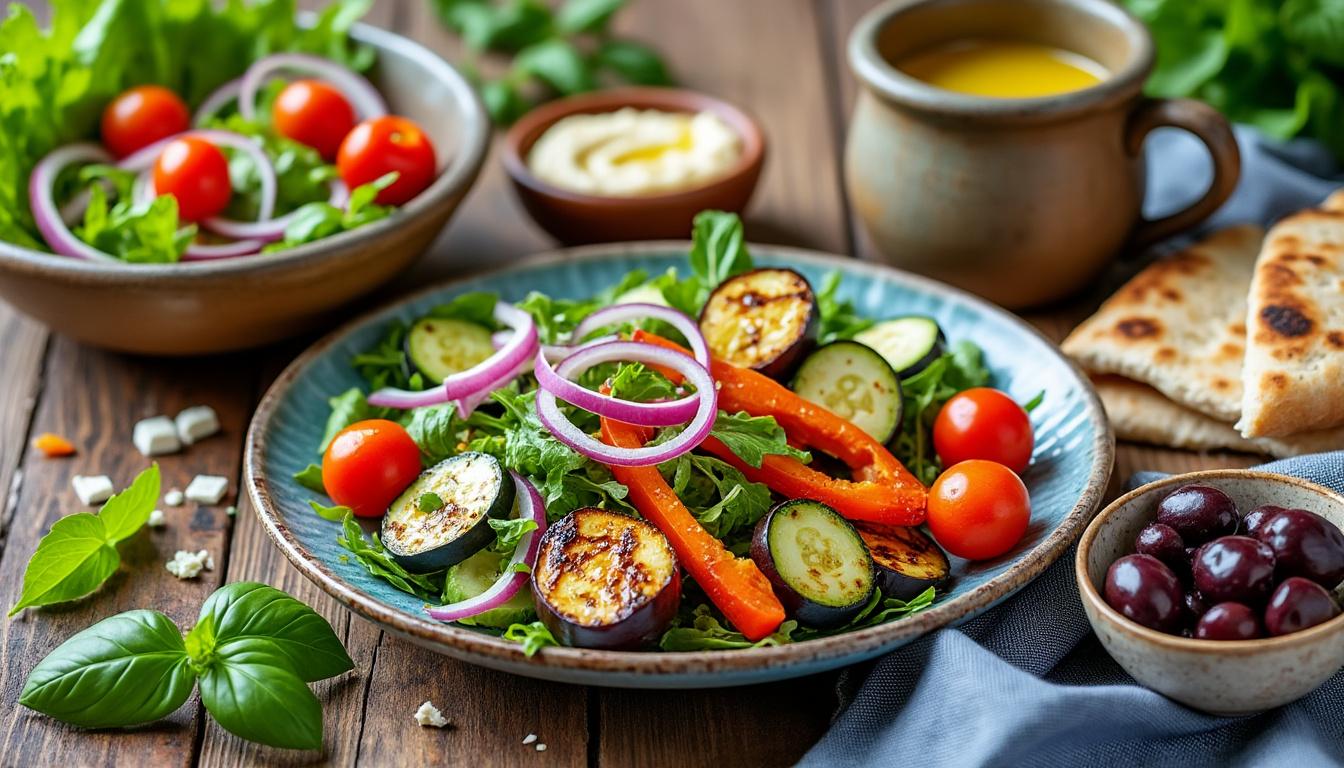
Integrating more fiber-rich choices during your weekend meals can counterbalance these negative effects. Soluble fiber, found abundantly in fruits, vegetables, legumes, and whole grains, binds cholesterol in the digestive tract to prevent absorption, thereby reducing LDL levels. Simple swaps, such as choosing grilled chicken salads with leafy greens over greasy fried foods, or adding a side of roasted chickpeas or berries, can make a noticeable difference.
Furthermore, exploring heart-friendly options can enhance cholesterol management. Recipes inspired by Mediterranean cuisine, which emphasize healthy fats from olive oil, nuts, and fish, provide beneficial alternatives to fast and fried weekend meals. For those eager to refine their weekend diet, articles such as protein-packed Mediterranean dinners to boost your heart health offer practical meal ideas.
Ultimately, while it’s reasonable to enjoy a relaxed eating style on weekends, moderation and mindful choices are essential. Replacing or limiting fried and fast food helps maintain a balanced diet that supports sustained healthy cholesterol levels and overall heart health.

The Role of Weekend Physical Activity in Maintaining Healthy Cholesterol
Physical activity is a cornerstone of a healthy lifestyle and profoundly affects cholesterol levels. However, many overextend themselves during weekdays with rigorous exercise only to adopt complete inactivity on weekends, a habit that can inadvertently lower the protective HDL cholesterol and increase triglycerides—blood fats linked to cardiovascular risk.
For example, Maria, a 35-year-old office worker, schedules high-intensity workouts five days a week but spends her weekends lounging with minimal movement. Despite her weekday efforts, her lipid profile reveals less-than-ideal cholesterol parameters, largely due to prolonged sedentary behavior over weekends.
Studies show that extended sitting or “bed rotting” decreases enzymes responsible for clearing blood fats effectively. The Physical Activity Guidelines for Americans recommend adults aim for 2.5 to 5 hours of moderate aerobic activity weekly, ideally spread evenly, rather than condensed into weekdays alone. Incorporating enjoyable activities like biking, gardening, or even household chores counts toward this goal and supports healthier cholesterol.
Discovering pleasurable ways to move on weekends not only benefits physical health but also mental well-being, contributing to effective stress management—a factor intricately connected to heart health. Activities such as dancing, walking post-brunch with friends, or engaging in recreational sports can easily be integrated into weekend plans without feeling burdensome.
Healthcare experts emphasize the importance of consistently staying active every day to balance your body’s metabolism and maintain cholesterol balance. This holistic approach is highlighted in lifestyle interventions that combine diet, exercise, and stress relief.
Embracing an active weekend lifestyle also aligns with recommendations found in related health content, such as tips to transform daily routines to boost health after 50 years old, available at this resource.
The Effects of Alcohol Consumption Patterns on Weekend Cholesterol Profiles
Weekend social activities often involve enjoying alcoholic beverages, but excessive alcohol intake can have significant, harmful effects on cholesterol levels and overall cardiovascular health. Research indicates that drinking beyond recommended limits—more than one drink per day for women and two for men—elevates triglycerides and LDL cholesterol while lowering protective HDL levels.
Consider Tom, a 50-year-old who enjoys weekend gatherings where alcohol consumption tends to escalate beyond moderation. Over time, his lipid panel showed increased triglycerides and LDL, contributing to more challenging cholesterol management despite a largely healthy diet and exercise during the weekdays.
Mechanistically, alcohol amplifies the postprandial (after eating) spike in triglycerides and impedes their clearance from the bloodstream, exerting a cumulative negative effect on the lipid profile. Chronic heavy drinking exacerbates this by increasing LDL cholesterol and simultaneously diminishing HDL cholesterol.
Experts advocate for moderation, recognizing that while no alcohol consumption is considered heart-healthy, moderate intake can be part of pleasurable social experiences without substantially jeopardizing heart health. Alternatives such as low-sugar mocktails or non-alcoholic beverages are increasingly popular and assist in reducing overall consumption.
Mastering balance in alcohol intake complements other heart-healthy weekend habits, such as managing stress and maintaining consistent sleep patterns, both crucial factors influencing metabolism and cholesterol regulation.
Optimizing Sleep Patterns and Stress Management for Better Weekend Cholesterol Control
Apart from diet, exercise, and alcohol intake, sleep patterns and stress management during weekends silently influence cholesterol levels and heart health. Disrupting the circadian rhythm by inconsistent sleep or meal timing affects metabolism, which can deteriorate cholesterol profiles.
Weekends often invite sleep-ins and irregular eating schedules, potentially confusing the body’s internal clock. This irregularity affects lipid metabolism, making it more difficult for the body to regulate cholesterol and triglycerides adequately. Habitual restorative sleep—with going to bed and waking up at consistent times—supports steady metabolism and healthier cholesterol numbers.
Stress, commonly intensified by an imbalance between workweek pressures and weekend relaxation, also plays a role in cholesterol changes. Chronic stress can activate hormonal pathways that increase LDL levels and reduce HDL, disturbing cardiovascular function.
Effective stress management strategies during free days like weekends—through mindfulness practices, light physical activity, or social engagement—help maintain hormonal balance and positively impact heart health. Recognizing and addressing early warning signs related to heart health, sometimes mistaken for stress, is critical for prevention.
Incorporating these practices ensures that weekends become a time not just for physical and mental recharge, but also for reinforcing habits that stabilize and improve cholesterol and overall heart wellness. Resources like this guide on early heart attack warning signs provide valuable insights into distinguishing between stress and cardiovascular signals.
Integrating structured sleep and effective stress management into weekend routines thus serves as a subtle yet powerful supporter of healthy cholesterol levels and metabolic health.

Additional Key Habits to Maintain Ideal Cholesterol Levels Throughout the Weekends
Adjusting weekend behaviors extends beyond avoiding unhealthy food and inactivity. Several other crucial habits contribute to maintaining optimal cholesterol levels and enhancing heart health, enriching the foundation laid by balanced diet and physical activity.
Smoking cessation stands out as a vital step. Smoking negatively impacts cardiovascular health by lowering HDL cholesterol and raising the risk of plaque buildup. Committing to no smoking during weekends and beyond strengthens the cardio-protective benefits of your lifestyle.
Consistent meal timing reinforces circadian rhythms and supports metabolic efficiency. Eating meals at approximately the same times during weekends as during the week avoids disrupting cholesterol metabolism.
Choosing fiber-rich snacks on weekends, such as nuts, seeds, fruits, and legumes, keeps cholesterol regulation on track. Including these components helps lower LDL and elevate HDL, curbing cardiovascular risk.
Moderating alcohol intake by alternating alcoholic drinks with water or non-alcoholic alternatives lessens spikes in triglycerides and cholesterol, supporting sustained heart health.
Here is a concise list summarizing weekend habits to foster a heart-healthy lifestyle:
- Limit fried and fast food consumption
- Maintain regular physical activity, including enjoyable leisure exercises
- Monitor and moderate alcohol intake
- Ensure sufficient, consistent sleep schedules
- Practice effective stress management techniques
- Incorporate fiber-rich foods into meals and snacks
- Avoid tobacco use entirely
- Stick to regular meal timings
The cumulative positive impact of these measures helps protect you from chronic conditions linked to cholesterol imbalance. For an in-depth outlook on sustaining a strong heart throughout life, resources like this expert advice article offer valuable, actionable insights.
How much does weekend diet affect cholesterol compared to weekdays?
Even occasional overindulgence in fried or fast foods on weekends can undo favorable cholesterol changes achieved during the week, so maintaining moderation is key to sustained heart health.
Can physical activity during the week offset weekend inactivity?
While weekday exercise is beneficial, long sedentary periods during weekends can lower HDL cholesterol, so staying moderately active throughout the entire week, including weekends, is recommended.
Is moderate alcohol consumption safe for cholesterol levels?
Moderate alcohol intake may be compatible with healthy cholesterol levels, but exceeding recommended limits can raise triglycerides and LDL cholesterol while lowering HDL, increasing heart disease risk.
What are easy fiber-rich snacks that support cholesterol management on weekends?
Simple options include berries, roasted chickpeas, nuts, seeds, and fresh vegetables; incorporating these into weekend snacks can help reduce LDL cholesterol and improve heart health.
How does sleep consistency influence cholesterol and metabolism?
Consistent sleep patterns regulate your body’s metabolism and hormone balance, preventing disruptions that could negatively affect cholesterol levels and cardiovascular risk.