


World Retina Day serves as an annual reminder to prioritize the health of the retina—a small yet powerful part of the eye responsible for capturing the images we see and sending them to the brain. Maintaining retinal health is crucial, as many vision-threatening conditions develop silently, presenting few early symptoms. Experts from leading institutes like Dr Agarwals Eye Hospital and SIMS Hospital emphasize that lifestyle changes, increasing screen time, and rising diabetes prevalence have contributed to a surge in retinal diseases globally. However, by adopting simple daily habits supported by innovations from companies such as Bausch + Lomb, Alcon, EssilorLuxottica, and ZEISS Vision, individuals can actively protect their lifelong vision. This article explores the nuances of retinal health, common disorders, warning signs, and practical habits anybody can embrace to safeguard their eyesight.
Understanding Retinal Health: The Foundation of Clear Vision
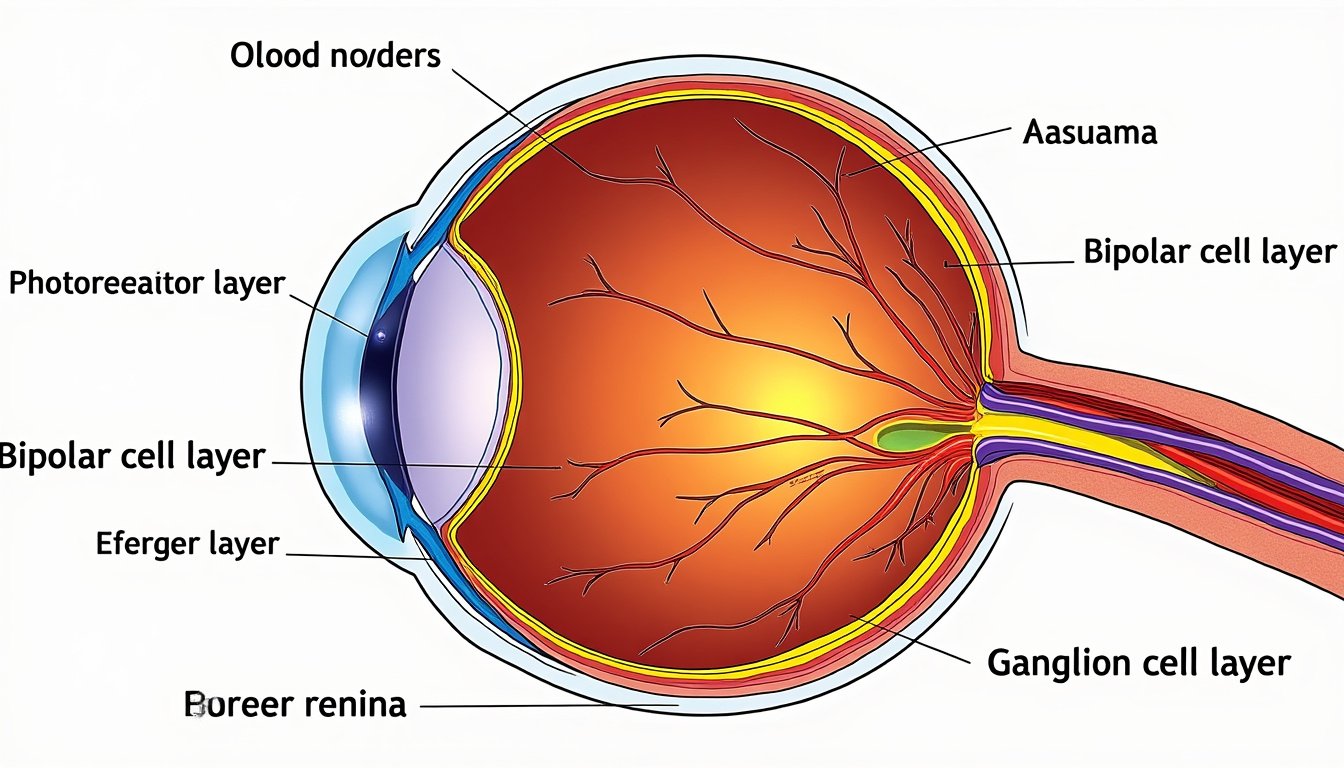
The retina is a light-sensitive tissue lining the back of the eye, responsible for processing visual information into signals that the brain interprets as images. Without a healthy retina, many daily activities—from reading and recognizing faces to driving—become challenging or impossible. Despite its small size, it plays an enormous role in visual acuity. As Dr. Yogesh Patil, a Vitreo-Retina Surgeon at Dr Agarwals Eye Hospital, explains, age-related changes like presbyopia or increased glare sensitivity are common but distinct from retinal diseases which often present suddenly and require urgent attention.
For those curious about specialised formulations for retinal support, this Vision 20 review examines the product’s ingredients and potential benefits.
For readers curious about supplement support for retinal health, see our VisiFlora review for an overview of its ingredients and claimed benefits.
10 quick checks to spot low-quality supplements before you buy - plus research-backed doses for 12 common ingredients. Free PDF, no spam.
Retinal diseases such as diabetic retinopathy, age-related macular degeneration (AMD), retinal detachment, and central serous chorioretinopathy have become more prevalent, especially due to increased screen usage and sedentary lifestyles. For example, diabetic retinopathy is now a leading cause of vision loss in working-age adults worldwide. In India, which hosts the world’s second-largest diabetic population, approximately 12 million people suffer from this condition, and around 20% face some degree of permanent vision loss.
WHO and organizations supported by companies like Johnson & Johnson Vision and CooperVision promote awareness campaigns emphasizing early detection and management. Routine retinal screenings and prompt treatment significantly improve outcomes. Technologies pioneered by VSP Vision Care and Transitions Optical aid in better eye protection and easier diagnosis of retinal issues.
- Role of the Retina: Converts light into visual signals for the brain.
- Common Age-Related Changes: Presbyopia, glare sensitivity, slower light adaptation.
- Common Retinal Diseases: Diabetic retinopathy, macular degeneration, retinal detachment.
- Statistics: Diabetic retinopathy affects over 12 million in India alone, with many experiencing vision loss.
- Early Symptoms: Sudden floaters, flashes, distortion, or visual field loss require urgent check-ups.
Maintaining a clear distinction between normal eye aging and retinal pathologies is essential for timely interventions, a message repeatedly stressed by ophthalmologists globally, as found in detailed reports by experts at Austin Retina and awareness articles like this MSN health feature.
Identifying Warning Signs: When to Consult a Specialist
Understanding the subtle differences between normal visual decline and symptoms indicating retinal disease can be life-changing. Unlike gradual vision changes such as difficulty reading small print (presbyopia) or cloudy vision (cataracts), retinal disorders often present with sudden floaters, flashes of light, distorted vision, or partial loss of sight.
For instance, Dr. Krishna Nagaradh from Dr Agarwals Eye Hospital points out that diabetic-related retinal issues manifest abruptly with noticeable disturbances. Similarly, Dr. Kalpana R from SIMS Hospital Chennai highlights that many patients mistake eye fatigue or blurriness from prolonged screen time for harmless problems, overlooking early retinal damage signs.
Some common warning signs that demand immediate ophthalmologist consultation include:
- Floaters: Small spots or cobweb-like shapes drifting in your field of vision.
- Flashes of Light: Sudden brief flashes, especially in peripheral vision.
- Distorted or Wavy Vision: Objects appearing bent or crooked, a symptom often linked with macular degeneration.
- Loss of Central or Peripheral Vision: Missing patches or blind spots.
- Sudden Blur or Vision Loss: An urgent red flag often indicating retinal detachment or vascular events.
Prompt retinal examinations, including dilated eye exams, are essential for diagnostic clarity. Specialists equipped with advanced diagnostic tools, often provided by technology leaders like EssilorLuxottica and ZEISS Vision, can detect retinal issues invisible during routine eye tests.
People at higher risk—such as diabetics, hypertensive individuals, high myopes, or those with family history of retinal disorders—should never hesitate to seek early evaluations. Regularly updating prescriptions for glasses or contact lenses from brands such as Acuvue or Ray-Ban does not replace professional retinal screening. Ignoring symptoms can lead to irreversible damage, severe enough to warrant surgeries or costly interventions.
Nutritional and Lifestyle Habits to Support Retinal Health
Experts agree that nutrition and lifestyle modifications are cornerstone strategies for maintaining retina health. Dr. Yogesh Patil and his colleagues unanimously recommend diets rich in antioxidants and omega-3 fatty acids. These can be found in green leafy vegetables, colorful fruits, nuts, chia seeds, and fish, all known for their protective effects against oxidative stress within retinal cells.
On the other hand, reducing consumption of refined sugar, processed foods, alcohol, and completely avoiding tobacco products plays a critical role in preventing vascular damage that severely impacts retinal blood vessels, which are particularly vulnerable in diabetic retinopathy.
Regular physical activity enhances vascular health, reducing the risk of retinal vein occlusion and other complications. Furthermore, maintaining balanced screen time, encouraging outdoor activities especially in children to mitigate myopia progression, and establishing proper ergonomics for digital devices with assistance from innovations like Transitions Optical lenses or VSP Vision Care programs add a protective layer to eye health.
- Include Antioxidant-Rich Foods: Kale, spinach, blueberries, and bell peppers.
- Consume Omega-3 Fatty Acids: Salmon, chia seeds, walnuts.
- Avoid: Excessive sugars, processed foods, smoking, and alcohol.
- Exercise Regularly: Improves blood flow and reduces diabetes risk.
- Manage Screen Time: Follow the 20/20/20 rule to reduce eye strain.
- Wear Protective Eyewear: Sunglasses that block UV rays, such as those from Ray-Ban.
Brands like Bausch + Lomb and Alcon continue to innovate eye vitamins and supplements designed to complement dietary habits, providing additional nutritional support. These evidence-backed approaches not only delay progression of age-related retinal changes but also empower daily self-care for individuals concerned about their vision health.

Technology and Regular Screenings: Key Allies in Retinal Disease Prevention
In 2025, advances in ophthalmic technology have made retinal disease screening more accessible and less invasive. Comprehensive dilated eye exams, retinal imaging, and optical coherence tomography (OCT) scans—routinely offered by eye care centers supported by EssilorLuxottica and CooperVision technologies—are now part of standard protocols for people with risk factors.
Innovative lenses by Johnson & Johnson Vision and Transitions Optical not only correct vision but also shield the retina from harmful blue light emitted by digital devices. This reduction in digital eye strain and oxidative stress lowers the risk of retinal damage, particularly for populations heavily reliant on screens for work or leisure.
Eye care professionals also recommend scheduling regular checkups even without symptoms, especially for aging adults or individuals with diabetes or hypertension. Timely interventions for retinal tears or early signs of macular degeneration can minimize the need for invasive treatments like surgeries or intravitreal injections.
- Schedule Annual Retinal Screenings: Especially if diabetic or hypertensive.
- Utilize Advanced Imaging: Early disease detection through OCT and retinal photography.
- Choose Protective Eyewear: Blue light filtering lenses, UV-protective sunglasses.
- Follow Up Promptly: Any symptoms like flashes or floaters require immediate attention.
- Leverage Telemedicine: Remote eye exams and consultations increasing accessibility.
Leading eye care providers emphasize patient education, helping individuals recognize subtle retinal problems early. Partnerships between industry leaders like VSP Vision Care and major hospitals focus on delivering affordable eye care and educating the public on risks related to modern lifestyles.
Common Myths About Retinal Health and What You Should Know
Among the many misconceptions surrounding eye health, a persistent myth is that perfect vision means a healthy retina. In reality, Dr. Yogesh Patil highlights that retinal diseases often progress silently without obvious vision changes until advanced stages, making regular retinal exams indispensable.
Another common misunderstanding is that eye exams are only necessary when vision problems become noticeable. This belief delays diagnosis and treatment of preventable retinal diseases. Early detection can prevent up to 90% of vision loss in conditions like diabetic retinopathy, according to data presented by global health organizations and corroborated by retina specialists.
Some people also mistakenly assume that retinal damage can always be reversed or cured at any stage. However, irreversible cell loss means treatments primarily aim to preserve remaining vision and prevent further progression rather than restore lost sight fully.
- Myth: Good vision equals healthy retina.
- Fact: Retinal diseases can be asymptomatic early on.
- Myth: Eye exams are only for symptomatic individuals.
- Fact: Regular checkups are essential for early detection.
- Myth: Retinal diseases are always curable at any stage.
- Fact: Some damage is irreversible; early care is crucial.
Correcting these misconceptions through widespread education and leveraging resources from specialists and top brands like ZEISS Vision and CooperVision can empower individuals to take proactive steps towards lifelong visual health. For more information, visit detailed guides such as this Web Eye Clinic resource or CV Medpro’s vision health tips.
FAQ: Essential Questions About Retinal Health and Vision Protection
- How often should I get my retina checked?
It is recommended to have a dilated retinal exam at least once a year, especially if you have risk factors like diabetes, high blood pressure, or a family history of retinal disease. - Can lifestyle changes really prevent retinal diseases?
Yes, adopting a balanced diet rich in antioxidants, controlling blood sugar, managing screen time, avoiding smoking, and maintaining regular exercise can significantly reduce your risk. - Are there effective treatments for diabetic retinopathy?
Absolutely. Early detection allows treatments like laser therapy, intravitreal injections, or surgery to prevent severe vision loss. Up to 90% of vision loss can be prevented with timely care. - How do blue light filtering lenses help retinal health?
These lenses protect the retina from potentially harmful high-energy blue light emitted by screens, reducing eye strain and oxidative stress. - Is retinal detachment repair always successful?
Early intervention can restore good vision in many cases. However, delays in treatment can lead to permanent vision loss, highlighting the importance of recognizing symptoms like flashes or floaters promptly.
10 quick checks to spot low-quality supplements before you buy - plus research-backed doses for 12 common ingredients. Free PDF, no spam.
