

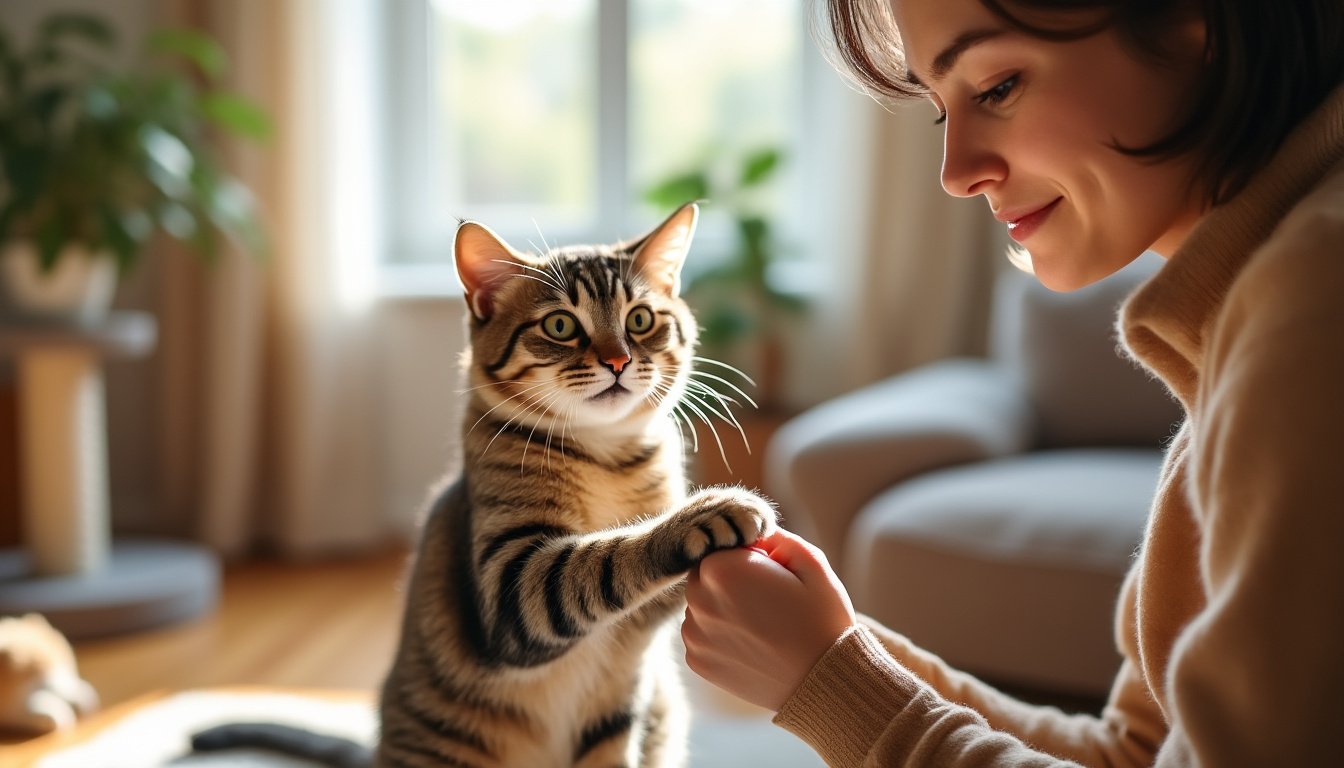
Decoding Cat Biting: The Root Causes of Cat Behavior and Cat Aggression
Many cat owners experience the frustration and pain of being bitten by their feline companions. It’s a common behavior that can strain the bond between you and your pet, but the key to resolving it lies in understanding the underlying reasons why cats bite. Cat biting rarely stems from malice. Instead, it’s a form of cat communication, often signaling discomfort, fear, or a playful mood gone awry.
One of the primary causes of biting is play aggression. Kittens and young cats, especially those raised without littermates, may not have learned proper bite inhibition. This means they haven’t mastered how to control the force of their bites during play. As a result, they might bite harder than intended, using their owners as toys to practice hunting techniques. This can be particularly frustrating if their natural predatory instincts aren’t properly channeled into appropriate outlets.
Another common reason cats bite is overstimulation. Many owners can attest to the phenomenon known as petting-induced aggression, where a cat initially enjoys petting but suddenly snaps, delivering a bite out of irritation. This shift occurs because repetitive tactile stimulation can move from pleasure to discomfort, especially in sensitive areas like the belly or tail. Recognizing this boundary before your cat reaches the threshold is an essential part of managing their behavior.
Fear and pain also contribute significantly to biting incidents. When a cat feels threatened, trapped, or unwell, biting becomes a defense mechanism to protect themselves. This fear-driven aggression can be unpredictable and frightening but is usually avoidable once the triggers are identified. Frequently, an underlying medical issue may manifest as aggressive biting, so consulting a veterinarian is crucial if the behavior arises suddenly.
10 quick checks to spot low-quality supplements before you buy - plus research-backed doses for 12 common ingredients. Free PDF, no spam.
For those seeking to improve their relationship with their feline friend, understanding these causes is the first step. Resources such as expert veterinary explanations on common biting reasons show that a compassionate and informed approach to cat training can drastically reduce these incidents. Applying strategies that cater specifically to the nature of cat aggression ensures a balance between pet care and safety, making living with your feline companion more harmonious.

Implementing Effective Bite Prevention: Training Techniques for Cat Behavior Modification
Taming biting behavior in cats involves more than just telling them “No.” It requires a consistent, humane approach to cat training and behavior modification that respects feline instincts while guiding them toward safer interactions. One foundational rule to enforce is the strict avoidance of using your hands or feet as play objects. Moving your fingers or toes under a blanket to tease a cat may seem harmless; however, this teaches the cat that human skin is a legitimate target for biting and clawing.
Transitioning playtime to interactive toys—such as wand toys, feather teasers, or weighted kicker toys—establishes a safe distance between your hands and your cat’s teeth and claws. These toys not only satisfy your cat’s natural hunting and pouncing instincts but also redirect their energy into acceptable and enriching physical activity. This approach strengthens pet safety by preventing accidental bites and scratches during play while promoting healthier mental and physical stimulation.
The next vital technique is the “freeze and ignore” method, which discourages biting through cause-and-effect learning. When your cat bites, immediately stop all movement. While human instincts prompt us to yank our hands away, this quick motion might resemble fleeing prey to a cat and inadvertently encourage continued biting or grabbing. Instead, keep your hand limp and still to remove the play stimulus. As soon as the cat releases, calmly withdraw your hand, cease all interaction including eye contact and verbal communication, and walk away for several minutes. This teaches your cat that biting leads to the abrupt end of play and attention.
By consistently combining these strategies, you reinforce bite prevention while promoting positive interactions. The key to success is patience and consistency, as training a cat is a gradual process that respects their natural behavior while guiding them towards more acceptable ways to express themselves. Valuable insights on this subject are offered by dedicated pet care guides that explain training protocols to reduce cat biting safely and effectively.
Reading Your Cat’s Signals: Mastering Cat Communication to Prevent Biting
Cats are masters of subtle body language, and most biting incidents are preceded by detectable warning signs. Learning to interpret your cat’s cat communication cues is essential to preventing bites before they happen. These signals may include twitching tails, flattened ears, dilated pupils, or sudden tenseness in their body posture, indicating they’ve reached their tolerance limit.
Each cat has a unique threshold for handling and play. Some may enjoy being petted for only a short period before becoming overstimulated, while others might tolerate longer interactions. By observing your cat’s behavior carefully and recognizing when they start to show signs of irritation, you can stop petting or playing immediately, respecting their boundaries and avoiding triggering a bite.
Understanding these signals involves a combination of observation and trial-and-error. For example, a cat that enjoys gentle stroking may suddenly begin flicking its tail or “air swatting.” These are early cues signaling that they want the interaction to end. Ignoring these can lead to overstimulation bites. By contrast, a cat that purrs softly and leans into your touch is indicating comfort and receptivity.
Respecting your feline friend’s mood and limits improves your overall relationship and reduces the risk of aggression. It’s useful to educate yourself through resources on animal psychology that delve into the subtle complexities of cat communication and behavior, enhancing your ability to read and respond to your cat appropriately.

Enhancing Your Cat’s Environment: Mental and Physical Enrichment for Bite Prevention
A bored or under-stimulated cat is more likely to exhibit destructive behaviors, including biting. Providing your cat with ample mental and physical enrichment serves as a proactive way to minimize cat aggression and channel their energy positively. This means equipping your home with stimulating toys, scratching posts, puzzle feeders, and elevated perches where your cat can observe their surroundings comfortably.
Cats are intelligent creatures that benefit enormously from engaging activities that mimic hunting and play. Puzzle feeders that challenge your cat to work for their food can satisfy their drive while providing essential mental exercise. Similarly, interactive play sessions using wand toys or feather teasers can fulfill their natural predatory instincts and provide physical exercise, which reduces restlessness and stress.
Environmental enrichment also includes social interaction but within limits suited to your cat’s personality. Recognize when your cat prefers solitude and provide cozy hiding spots where they can retreat and relax. This balance between stimulation and rest decreases the likelihood of stress-related bites caused by frustration or anxiety.
Creating a stimulating and comforting environment aligns with best practices in pet care and is recommended by experts across animal behavior fields. Harnessing enrichment as a tool for bite prevention supports both the cat’s welfare and your own safety in everyday life.
Why Punishment Fails and How Positive Reinforcement Builds Trust in Cat Training
Despite frustrations, punishment is not a viable tool for correcting cat biting behavior. Physical punishment, yelling, or aversive actions like spraying water often backfire by instilling fear and distrust in your feline companion. When a cat associates punishment with a person rather than the behavior, it can escalate anxiety, leading to further cat biting and aggression instead of resolving it.
Instead, focusing on positive reinforcement strategies helps reshape your cat’s behavior by encouraging desirable actions. This means rewarding calm behavior with treats, affection, or interactive play when your cat refrains from biting or chooses to chew an appropriate toy. Such rewards reinforce the behaviors you want and develop a stronger, trusting relationship between you and your cat.
Consistency is vital in this approach. Whenever your cat reacts appropriately during interaction or play, immediate recognition with a treat or praise solidifies the connection between good behavior and positive outcomes. Over time, your cat learns to associate gentle interaction with rewards, reducing the likelihood of biting.
In cases where biting continues despite training efforts or appears suddenly without cause, consulting a veterinarian or an animal behaviorist is essential. Medical issues or heightened stress can contribute to aggression. Addressing these factors ensures that the behavior modification strategies you employ are safe and effective.
For deeper insights on fostering calm interactions and effective cat training methods, numerous guides discuss why cats bite and how to nurture more positive, bite-free relationships.
Why does my cat bite after I pet it for a while?
This behavior, known as petting-induced aggression or overstimulation, occurs because repetitive petting can become irritating to cats after a certain point. They communicate their discomfort through a bite, so it’s important to watch for subtle body language cues and limit petting sessions accordingly.
How can I stop my cat from biting during play?
Avoid using your hands or feet as toys and redirect your cat’s energy to appropriate interactive toys such as wand toys or kicker toys. Use the ‘freeze and ignore’ technique if your cat bites to teach them that biting ends playtime.
Is punishing my cat effective in preventing bites?
No, punishment usually increases fear and anxiety, leading to more biting. Positive reinforcement that rewards good behavior is far more effective for behavior modification and building trust.
When should I consult a vet about my cat’s biting behavior?
If your cat’s biting appears suddenly without an obvious trigger or continues despite consistent training, it could be related to pain or an underlying medical issue. A vet or a qualified behaviorist can help diagnose and address these concerns.
What environmental changes can reduce my cat’s biting?
Providing mental and physical enrichment through toys, scratching posts, puzzle feeders, and regular interactive play helps satisfy your cat’s natural instincts and reduces boredom-induced biting.
10 quick checks to spot low-quality supplements before you buy - plus research-backed doses for 12 common ingredients. Free PDF, no spam.
