


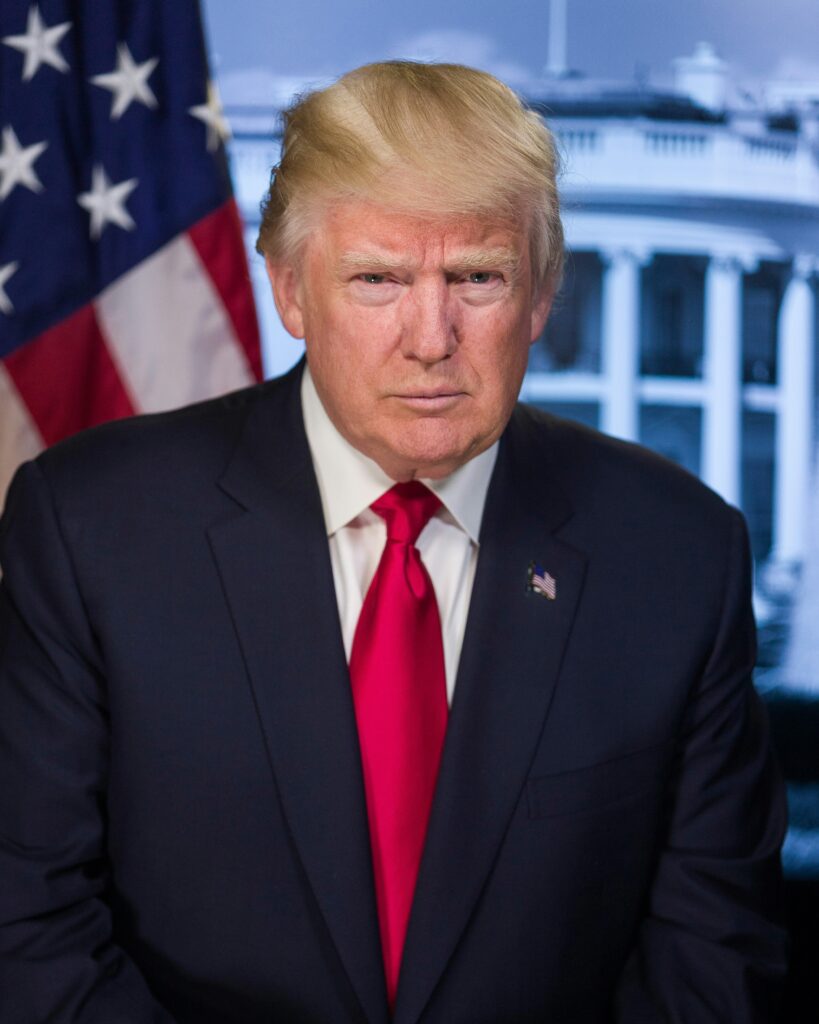
President Trump’s recent drug pricing deals with 14 pharmaceutical companies aim to lower prices for Americans, but immediate benefits for most people are unlikely. The deals focus on Medicaid savings, cash discounts for uninsured/underinsured patients, and boosting domestic manufacturing. Experts argue that these deals lack crucial details and may not significantly impact the two-thirds of Americans with private health insurance. Long-term benefits could include lower prices for all Americans as other countries increase their drug spending, but this remains uncertain.
How Trump’s drug pricing deals work (simplified)
- Most-Favored-Nation (MFN) Pricing: Drugmakers agree to set U.S. prices at or below the second-lowest price paid by other wealthy countries, adjusted for income levels.
- Medicaid Discounts: Companies offer many of their drugs to Medicaid at MFN prices.
- Direct-to-Consumer Sales: Drugmakers sell medicines directly to patients at discounted prices, bypassing insurance and pharmacy benefit managers (PBMs).
- Tariff Exemptions: The U.S. exempts British pharmaceuticals from tariffs in exchange for increased NHS spending on medicines, with other European nations expected to follow suit.
What the deals mean for Americans
- Now: Most Americans with private insurance are unlikely to see immediate savings, as the deals focus on Medicaid and uninsured/underinsured patients.
- Later: Long-term benefits could include lower prices for all Americans as other countries increase their drug spending, but this remains uncertain and depends on several factors.
Potential challenges and concerns

- Lack of transparency: Confidential agreements make it difficult to assess the deals’ true impact on patients.
- Industry concerns: Drugmakers worry that lower revenues could reduce investment in new medicines, and some argue that the deals could harm U.S. dominance in biotech innovation.
- PBMs and insurance: Direct-to-consumer sales may decrease PBMs’ negotiating power, potentially leading to higher prices if drugmakers can set prices without intermediaries.
- Durability: Without regulatory codification, the deals might not last beyond the current administration.
What you can do
- Stay informed about developments in drug pricing policies.
- Talk to your health insurance provider about any potential changes in coverage or out-of-pocket costs.
- Engage with advocacy groups and policymakers to voice your concerns and opinions on drug pricing.
Bottom line


While Trump’s drug pricing deals aim to lower prices for Americans, most people are unlikely to see immediate benefits. Long-term effects remain uncertain, and the deals face several challenges, including lack of transparency, industry concerns, and potential changes in the insurance landscape. Stay informed and engaged to ensure your voice is heard in shaping drug pricing policies.
If you want, I can:
- Create a simple infographic summarizing the key points of Trump’s drug pricing deals.
- Help you draft a letter to your representative asking about the potential impact of these deals on your health care costs.
- Provide a list of advocacy groups and resources for staying informed about drug pricing policies.