


Why Beans Are the Ultimate Longevity Superfood for Vibrant Aging and Healthspan
When it comes to anti-aging nutrition, many people search for the elusive “superfood” that unlocks vibrant aging and increased healthspan. Interestingly, top longevity specialists have converged on an unexpected but powerful candidate: beans. This humble legume packs a potent punch in terms of nutrition, offering a complex profile that supports cellular health, immunity, and graceful aging. Dan Buettner, founder of the Blue Zones project that studies communities known for exceptional longevity, has named beans as the #1 food for longevity—and the scientific backing for this claim is substantial in 2026.
The Blue Zones—regions like Sardinia, Italy; Okinawa, Japan; Ikaria, Greece; Nicoya Peninsula in Costa Rica; and Loma Linda, California—are notable for populations living well beyond the average lifespan, with remarkably low rates of chronic disease. A foundational pillar of their diet is consistent bean consumption. In fact, they consume beans at least four times more than the average American, which directly correlates with longer, healthier lives. According to Buettner, eating just one cup of cooked beans daily can extend life expectancy by an average of four years.
What makes beans so impactful? First, they are rich in complex carbohydrates and fiber, essential for gut health and metabolic balance. Most Americans fail to meet daily fiber recommendations, missing out on the benefits of optimal digestion and immune system support. Beans provide both soluble and insoluble fiber types, which not only aid in bowel regularity but also stabilize blood sugar—a critical factor in preventing age-related metabolic disorders.
Furthermore, beans are an excellent plant-based protein source, making them indispensable for those looking to maintain muscle mass and overall vitality without relying on animal products. Protein is a key nutrient in combating sarcopenia, the muscle loss associated with aging, and it also supports the repair and regeneration processes at a cellular level. With the rising interest in plant-centric eating for longevity, beans fit perfectly into a wellness routine focused on natural remedies and balanced nutrition.
The diversity of beans consumed across Blue Zones is impressive. Nicoya favors black beans, the Mediterranean cultures enjoy white beans, lentils, and garbanzo beans, while Okinawa is known for its soybeans. This variety ensures diverse nutrient intake and allows for easy incorporation into multiple cuisines and meal plans.
Because of their anti-aging properties, beans are often seen as a cornerstone of the longevity plate. Their high concentrations of B vitamins support brain and nervous system function, vital for maintaining cognitive sharpness well into advanced age. Additionally, beans contain anthocyanins and other antioxidant compounds that protect cells from DNA damage, lowering the risk of chronic illnesses, including certain cancers — a key concern for aging gracefully.
In practical terms, beans’ versatility cannot be overstated. Beyond simple side dishes, they can be mixed into hearty soups, incorporated into salads, blended into dips, or even used in unexpected ways like black bean brownies that deliver on both nutrition and taste. This flexibility makes it easier to integrate longevity-promoting foods consistently into daily life, reinforcing the link between diet and healthspan enhancement.
For those curious about incorporating beans into their routine, explore recipes that balance a variety of vegetables and whole grains, reinforcing the anti-aging synergy between fiber-rich produce and protein-packed legumes. This aligns with the principles of nutrient-dense eating endorsed by longevity specialists worldwide, a topic elaborated upon extensively in resources such as the comprehensive guides to science-backed superfoods for longevity.

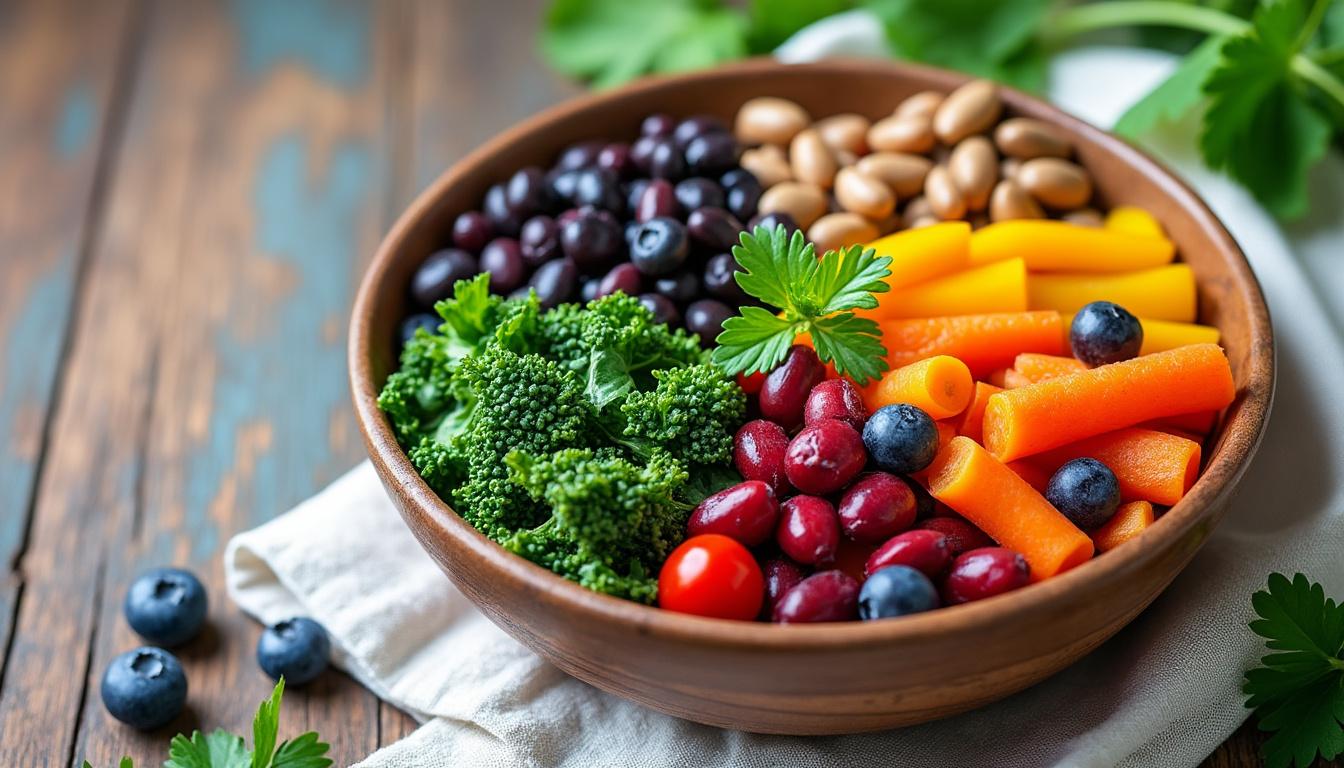
Scientific Insights into Beans’ Role in Anti-Aging and Cellular Health
The latest scientific research continues to uncover the mechanisms behind beans’ remarkable effects on aging and wellness. Longevity scientists emphasize the importance of dietary patterns that reduce inflammation and oxidative stress, both prime drivers of cellular aging. Beans excel in this regard due to their high antioxidant content and fiber, which promote a balanced gut microbiome, crucial for immune resilience and toxin elimination.
Anthocyanins, flavonoids, and polyphenols found abundantly in various beans act as natural cellular defenders against oxidative damage. These compounds neutralize free radicals, molecules that accelerate cell damage and aging. A diet rich in such antioxidants is correlated with decreased risk of degenerative diseases related to aging, including cardiovascular diseases and neurodegenerative conditions.
Further, beans provide sustenance that supports metabolic homeostasis. Their low glycemic index prevents blood sugar spikes, mitigating risks associated with diabetes and metabolic syndrome — conditions that can accelerate physiologic aging. The fiber in beans also supports cholesterol management, contributing to heart health and vascular longevity.
Researchers studying aging recommend prioritizing anti-inflammatory foods to protect cellular function. Beans, as a staple anti-aging superfood, fit perfectly within this context. They have been linked to reduced markers of inflammation and improved endothelial function, which is essential for maintaining healthy blood flow as we age gracefully.
In practical application, including beans regularly supports natural remedies-like approaches, reinforcing the body’s intrinsic defenses without pharmaceuticals. Their affordability and easy preservation make them accessible to a wide audience, closing the gap between complex longevity science and everyday wellness.
For deeper understanding, explore vetted scientific analyses and emerging data on anti-aging foods at trusted wellness portals that highlight beans’ critical role in cellular vitality and longevity.
How to Incorporate Beans into Your Diet for Maximum Wellness and Aging Gracefully
Embracing beans as part of a daily nutrition plan is one of the simplest yet most impactful strategies to enhance longevity and vibrant aging. Their natural antioxidant and fiber content helps improve digestion and immunity while providing a steady energy source that supports physical activity, which is vital for healthspan extension.
Here is a practical list of ways to incorporate beans into your meals effortlessly:
- Breakfast Boost: Add black beans to breakfast burritos or pair chickpeas with eggs and spinach for a protein-rich start to the day.
- Hearty Lunches: Toss mixed beans into salads with fresh garden veggies like kale and chard, common in Blue Zones diets.
- Comforting Dinners: Create soups or chilis loaded with beans, tomatoes, herbs, and other nutrient-dense ingredients.
- Snack Time: Enjoy roasted chickpeas or bean-based dips with whole-grain crackers for a satisfying, healthy snack.
- Unexpected Treats: Experiment with black bean brownies or bean flour in baking for a surprising anti-aging dessert.
Integrating beans can be done while maintaining variety and culinary excitement, reinforcing sustainable, health-promoting eating habits. Combining beans with other longevity-focused foods like leafy greens and healthy fats creates a synergy of nutrition that supports sustained wellness.
For additional tips on creating balanced, healthful dinners that support fat loss and aging well, consider expert advice on healthy weight loss dinners that emphasize nutrient-dense ingredients including legumes.

Longevity Specialists’ Take: Why Beans Are the ‘Holy Grail’ of Anti-Aging Nutrition
Leading longevity experts consistently recommend beans for their multi-faceted benefits. One renowned integrative health doctor described beans as the “holy grail” of longevity foods, citing their ability to boost brain power, support immune function, and reduce inflammation.
This recognition is rooted in comprehensive clinical experience combined with evolving nutrition science. Specialists emphasize beans for:
- Rich nutrient density: They provide essential micronutrients often lacking in modern diets, including iron, magnesium, potassium, and zinc.
- Anti-inflammatory effects: Beans reduce systemic inflammation, a major contributor to chronic disease and premature aging.
- Blood sugar stabilization: Their low glycemic impact helps maintain energy and metabolic health over decades.
- Gut microbiome support: The fiber in beans nurtures beneficial gut bacteria that modulate immunity and cognitive function.
- Muscle maintenance: Offering a robust plant-based protein, beans support muscle repair, a critical factor in aging gracefully.
This expert consensus highlights why beans remain central to both traditional Blue Zones eating patterns and cutting-edge longevity protocols. Entwining beans with other top-tier anti-aging superfoods creates a longevity plate that fights cellular damage and promotes a longer, healthier life, as detailed on health news outlets such as MSN’s longevity plate guide.
Practical Wellness Strategies: Combining Beans with Lifestyle Habits for Optimal Aging Gracefully
Beans are undeniably one of the best superfoods for longevity, but their benefits multiply when embedded in a comprehensive lifestyle focused on wellness and vibrant aging. A top longevity specialist might emphasize daily movement, stress management, and social connections alongside optimal nutrition.
Physical activity, even moderate, combined with a bean-rich diet fosters muscle strength, cardiovascular health, and metabolic balance. Stress reduction techniques such as meditation and sufficient sleep further support the body’s natural regenerative processes.
Social engagement also plays a critical role. Blue Zones research observes that longevity is often fueled by strong community bonds, an aspect that complements healthy eating by reducing isolation-induced stress and encouraging shared meals rich in anti-aging foods like beans.
Here are key wellness strategies integrating beans for a holistic approach to aging:
- Set daily nutrition goals: Include a minimum of one cup of cooked beans daily for fiber and protein.
- Stay physically active: Incorporate walking, yoga, or resistance training to synergize with nutritional benefits.
- Manage stress mindfully: Practice relaxation techniques to reduce inflammation and promote cellular repair.
- Engage socially: Share meals with friends and family, emphasizing bean-based dishes reflecting Blue Zones habits.
- Continuous learning: Stay informed through reputable wellness sources that decode superfoods and anti-aging strategies.
Such a multifaceted approach ensures longevity extends beyond mere lifespan to vibrant, purposeful healthspan. Adopting beans at the core of your nutrition while embracing these wellness habits reflects the latest insights from longevity research communities and top health experts.
Why are beans considered a superfood for longevity?
Beans provide complex carbohydrates, high fiber, plant-based protein, and antioxidants that collectively support digestive health, reduce inflammation, and enhance cellular protection, all contributing to longer, healthier lives.
How much beans should I eat daily for anti-aging benefits?
Experts recommend consuming at least one cup of cooked beans daily, as this amount is linked to an average of four extra years of life expectancy.
Can beans help with brain health during aging?
Yes, beans are rich in B vitamins and antioxidants which support brain and nervous system function, helping maintain cognitive sharpness as you age.
Are beans suitable for weight management in older adults?
Absolutely; their high fiber and protein content promote satiety, help stabilize blood sugar, and support healthy weight management which is crucial for aging gracefully.
What are some easy ways to incorporate beans into my diet?
You can add beans to salads, soups, chilis, breakfast burritos, or even baked goods like black bean brownies for a delicious and nutritious anti-aging boost.