


Every year, new health trends make waves on social media and in wellness blogs, promising better energy, faster weight loss, balanced hormones, or flawless skin. Some are grounded in science and offer real value. Others? Not so much. As a doctor, nutritionist, and sport trainer, I’ve seen both the transformative potential and the confusion these trends can cause.
This year has been no different. Let’s take a closer look at the most popular wellness movements of the year—and which ones are worth your time and attention.
Cold plunges: benefit or just freezing hype?


But daily freezing dips aren’t for everyone. People with heart conditions, circulation issues, or high stress levels may experience more harm than benefit. Used occasionally, cold plunges may support resilience—but they’re not a magic fix.
Seed cycling: a natural hormone-balancer?
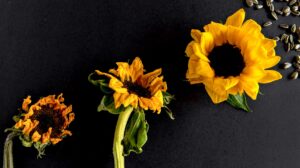
While the concept is gentle and food-based, there’s limited scientific evidence directly linking seed cycling to measurable hormonal change. That said, the seeds themselves are rich in fiber, omega-3s, and micronutrients, making them a healthy addition to any diet. Just don’t rely on seeds alone for hormonal health.
Greens powders: shortcut or oversell?
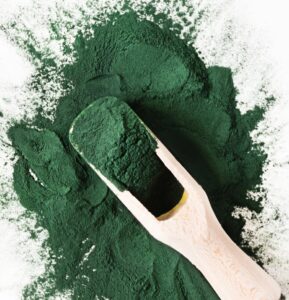

But here’s the truth: whole vegetables offer fiber, enzymes, and volume that powders can’t replace. Greens powders may supplement a balanced diet, but they should never replace real food. Use them as a backup, not a base.
Gut health obsession: when probiotics go too far

Not everyone needs high-dose probiotics, and excessive intake can disrupt microbial balance rather than support it. Focus instead on a diverse, fiber-rich diet with prebiotics like oats, bananas, and legumes. Sometimes, feeding your existing microbiome is more effective than constantly adding new bacteria.
Intermittent fasting: smart strategy or stressor?

However, fasting is not ideal for everyone. Women with hormonal imbalance, people with eating disorders, or those under chronic stress may experience fatigue, anxiety, or disrupted sleep. If you’re going to try it, do so gently and with professional guidance.
Wearable health tech: data or distraction?
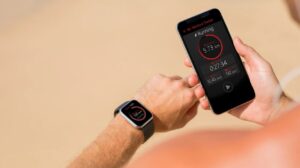
Yet for others, constant monitoring leads to health anxiety or obsessive behavior. If your device creates pressure rather than support, it may be time to take a digital detox. Technology should empower—not dictate—your well-being.
How to spot a trend worth trusting
The best wellness habits have three qualities: they are sustainable, evidence-based, and adaptable to your life. Before trying a new health trend, ask yourself:
- Does it align with my goals and medical needs?
- Is it backed by credible sources—not just viral posts?
- Can I maintain it without stress or guilt?
If the answer is yes, then it might be worth exploring. If not, let it pass and focus on what already works.
Wellness is not about chasing trends—it’s about listening to your body, understanding the science, and building consistent habits. The truth is, the healthiest choices are often the simplest: whole foods, regular movement, restful sleep, and mindful recovery.
So enjoy the trends that lift you up—but don’t be afraid to ignore the noise. Your health deserves better than fads.