


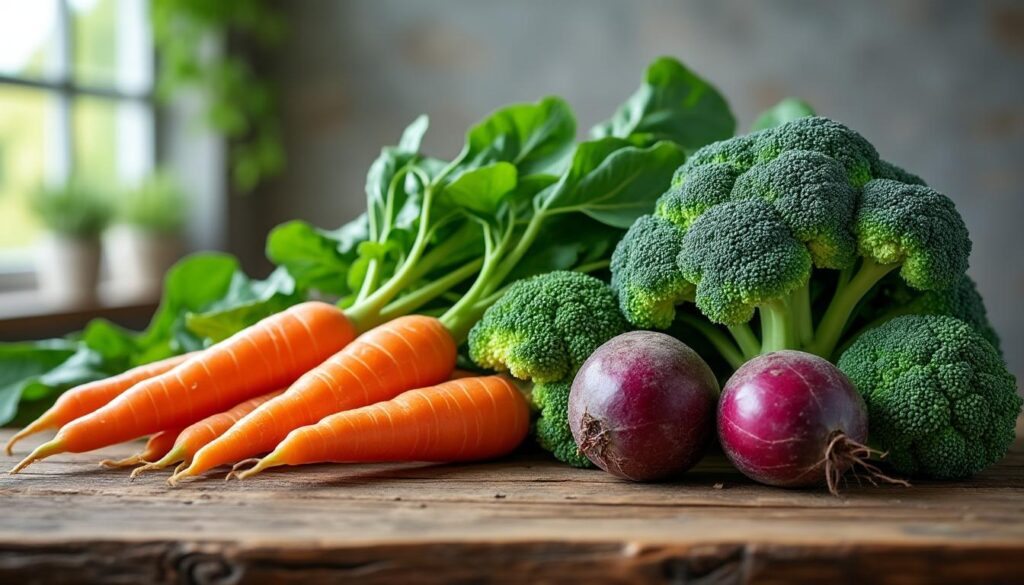
Cruciferous Vegetables: Key Players to Boost Liver Detox and Function
The role of cruciferous vegetables in promoting liver health cannot be overstated. This diverse vegetable family, including broccoli, Brussels sprouts, cauliflower, cabbage, kale, collard greens, and turnips, offers a broad range of compounds specifically tailored to enhance the liver’s detoxification pathways. These nutrient-rich vegetables contain sulforaphane, a phytochemical known to activate detox enzymes in the liver, thus helping the body efficiently clear toxins and waste products.
For example, sulforaphane has been studied extensively for its ability to stimulate phase II detoxification enzymes, a critical step in converting harmful substances into safer ones that can be excreted. By activating these enzymes, cruciferous vegetables support the liver’s natural defense mechanisms and help reduce oxidative stress, which is a major contributor to liver damage.
Dietitians often recommend incorporating a variety of cruciferous vegetables into meals. Roasting Brussels sprouts with a drizzle of olive oil, steaming broccoli to retain maximum nutrients, or tossing sautéed kale into grain bowls are easy and delicious strategies. Research published in 2023 highlights that higher intake of cruciferous vegetables correlates with a reduced risk of liver cancer and chronic liver disease mortality, underscoring the importance of these vegetables for long-term liver protection.
Moreover, these vegetables don’t just aid detoxification—they also enhance insulin sensitivity, a factor closely linked to fatty liver disease. Enhanced insulin sensitivity means better blood sugar control, which helps prevent the buildup of fat in the liver, reducing the risk of nonalcoholic fatty liver disease (NAFLD), a growing concern globally.
Experts emphasize that while raw cruciferous vegetables retain many benefits, gentle cooking methods like steaming or microwaving help make these vegetables more digestible without significantly diminishing their protective compounds. Combining them with healthy fats such as olive oil further aids in the absorption of fat-soluble antioxidants, maximizing their benefits to boost liver function.
Learn more about how incorporating these vegetables supports your liver and overall wellbeing in resources like the dietitian-approved vegetable guides, which highlight practical ways to include these powerful foods in daily meals.

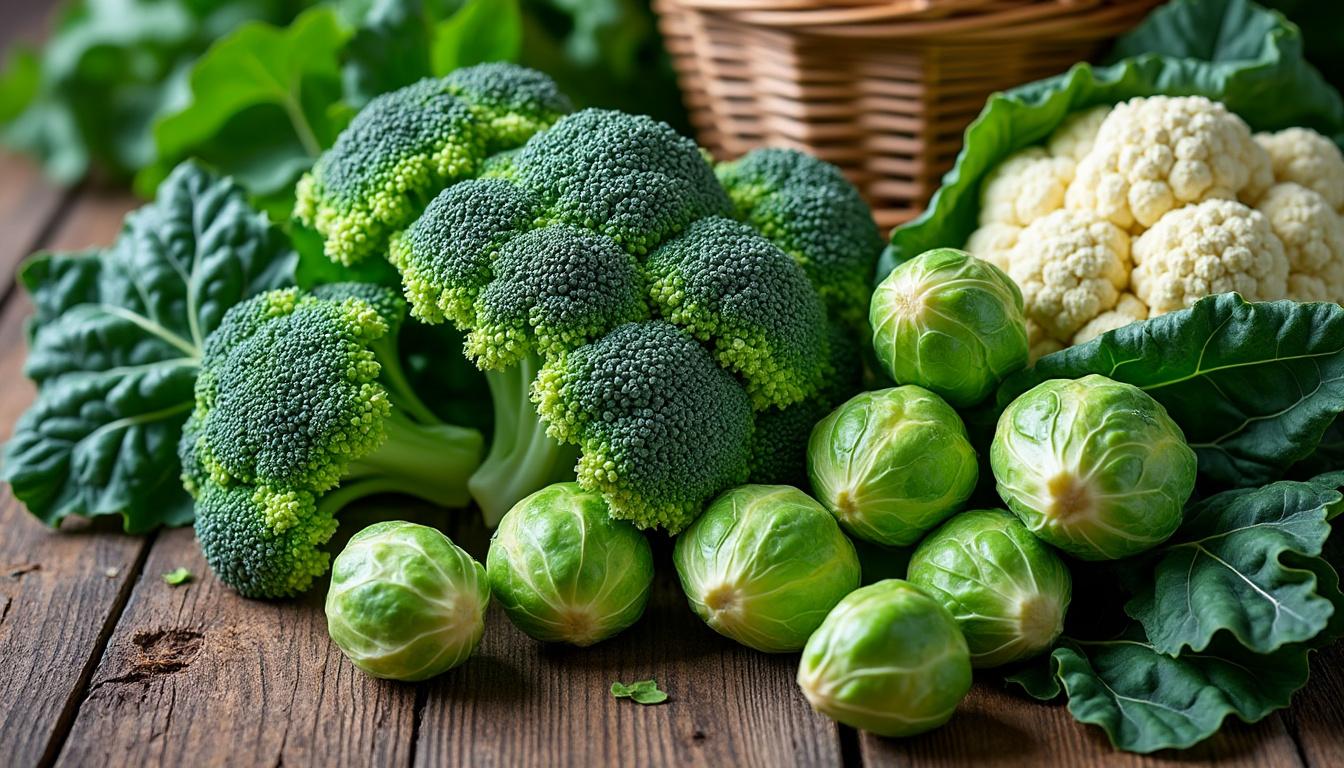
Leafy Greens: Daily Nourishment for a Healthy Liver
Leafy greens are regarded by dietitians as essential daily nourishment that sustains and protects a healthy liver. Vegetables such as spinach, lettuce, kale, collard greens, and Swiss chard are rich in plant compounds like lutein and quercetin, which have anti-inflammatory properties and shield liver cells from damage caused by free radicals.
Scientific studies, including a notable 2023 research effort, have shown that higher consumption of leafy greens is linked to a lower risk of liver cancer and a reduction in the incidence of nonalcoholic fatty liver disease. These benefits stem from their ability to calm inflammation, improve antioxidant capacity, and support liver regeneration and repair.
Practical ways to include leafy greens in the diet are quite flexible: they can be tossed into pasta dishes, blended into smoothies, layered as a base for vibrant salads, or mixed into soups and grain bowls. Chef and dietitian Talia Follador shares her favorite approach, often adding fresh spinach to recipes because it integrates seamlessly without overpowering other flavors, providing a nutritional boost without fuss.
Pairing leafy greens with healthy fats like olive oil not only enhances the taste but also aids in the absorption of fat-soluble vitamins A, E, and K, which are abundant in these vegetables. For individuals looking to support their liver through diet, daily servings of leafy greens are a simple yet powerful strategy that complements overall lifestyle habits such as regular exercise and alcohol moderation.
Those interested in a more comprehensive understanding of how leafy greens contribute to liver detoxification and health can explore expert articles like those found on trusted natural remedy portals, which emphasize the synergy between diet and liver function.
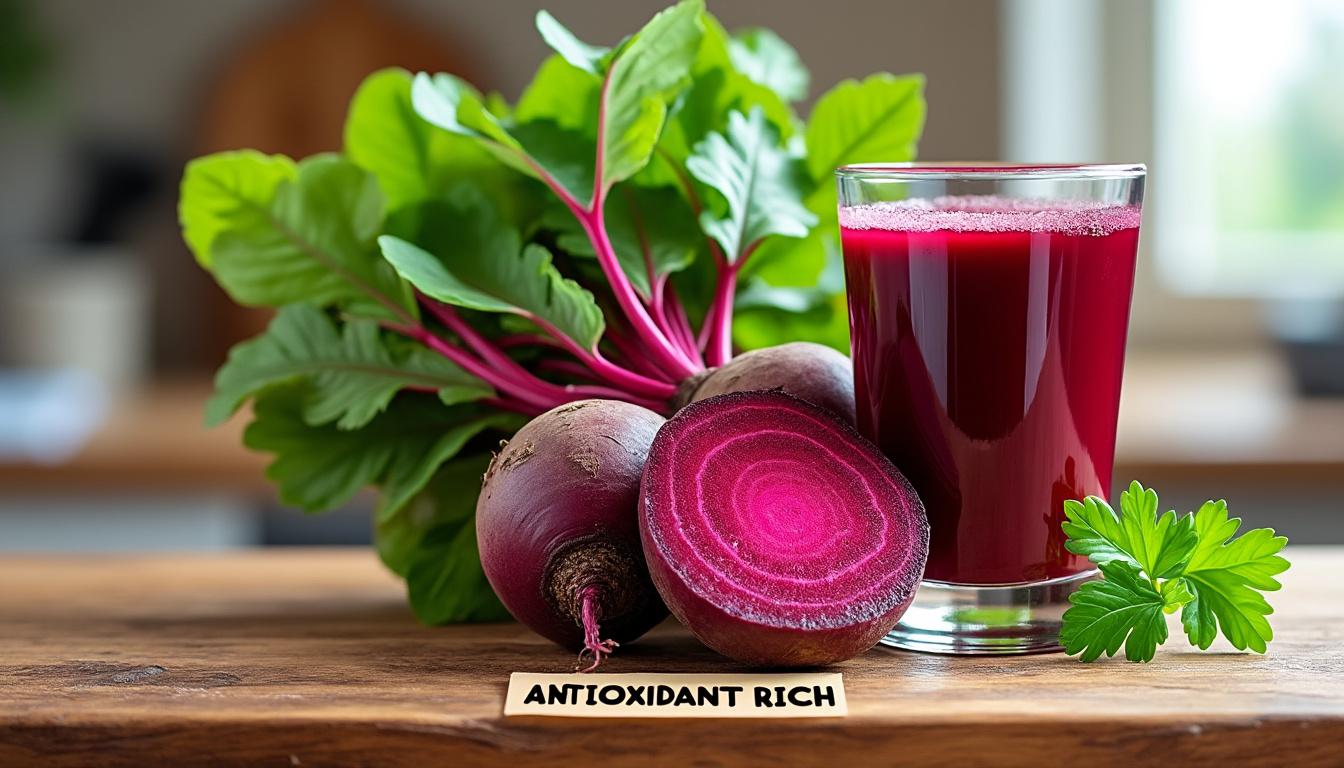
Beets: Antioxidant Powerhouses Enhancing Liver Metabolism
Beets stand out as remarkable vegetables that positively influence liver health through their rich antioxidant profile. They contain betalains and betaine, compounds that combat oxidative stress and promote fat metabolism within the liver. These antioxidants also help reduce inflammation and protect liver cells, creating an environment conducive to healing and optimal function.
One compelling area of research involves beetroot juice, which is a concentrated source of these beneficial compounds. A 2023 human study found promising results showing beet juice supplementation improved markers related to fatty liver disease, suggesting it can be a valuable dietary addition for those managing or preventing liver dysfunction.
Beets are incredibly versatile in the kitchen. Whether consumed raw, roasted, or juiced, they bring an earthy sweetness to dishes. Recipes like roasted beet and goat cheese salad with a citrus twist (orange segments, olive oil, and almonds) offer a delightful balance of flavors and nutrients. For convenience, precooked and peeled beets are readily available in stores, making it easier to incorporate this vegetable into everyday meals.
Dietitians recommend pairing beets with other vegetables and healthy fats to maximize nutrient absorption and benefit from their antioxidative actions fully. For example, blending beetroot juice with lemon or apple juice can help balance its strong flavor while maintaining liver-supportive nutrients.
Being informed about vegetables that aid the body’s natural detoxification processes is crucial. For further details on incorporating beets and other liver-friendly foods, you might visit resources like dietitian-backed food recommendation sites that offer practical, science-based advice.
Artichokes: Natural Enhancers of Bile Production and Liver Protection
Artichokes have a long-standing reputation in traditional and modern nutrition as vegetables that support liver detoxification through their unique bioactive compounds. Rich in cynarin and chlorogenic acid, artichokes stimulate bile production, an essential function to help the liver process and eliminate fats effectively.
Scientific evidence from several studies, including a 2022 meta-analysis, reveals that artichoke leaf extracts contribute to healthier liver enzyme levels, specifically ALT and AST. These enzymes serve as biomarkers for assessing liver function and damage, and reductions suggest improved liver health and resilience against oxidative stress.
For home cooks, artichokes offer a delicious way to incorporate liver-supportive foods into their diet. Techniques such as roasting artichokes paired with pesto and tomatoes or serving them alongside seafood dishes create balanced, nutrient-dense meals. The texture and mild flavor allow for diverse culinary uses that keep liver health in mind while delighting the palate.
Registered dietitians stress that artichokes contribute significantly to a plant-rich eating pattern, which is more beneficial for the liver than trendy detox teas or short-term cleanses. Their ability to support fat metabolism and protect liver tissues positions them as valuable allies in maintaining long-term liver function.
For those curious to explore detailed dietary approaches incorporating artichokes and other vegetables to boost liver function, expert insights are available on well-curated medical and nutrition platforms highlighting practical advice.
Optimizing Vegetable Intake for Maximum Liver Health Benefits
Understanding how to prepare and combine these vegetables can significantly amplify their positive effects on liver detox and overall function. Fat-soluble vitamins (A, E, and K) present in these vegetables require concurrent intake of dietary fats to optimize absorption. Simple habits like drizzling olive oil over steamed broccoli or adding nuts to leafy green salads can enhance nutrient uptake.
While raw vegetables retain many nutrients, certain cooking methods improve digestibility and preserve key phytochemicals. Light steaming, microwaving, or stir-frying cruciferous vegetables result in better retention of beneficial compounds such as sulforaphane compared to boiling.
A fundamental strategy is to diversify vegetable consumption within meals. Consuming a rainbow of vegetables ensures exposure to a broad spectrum of protective phytochemicals that work synergistically. This approach aligns with dietitians’ guidelines emphasizing a plant-forward diet rather than chasing single “superfoods.”
Beyond diet, lifestyle habits like regular physical activity, limiting alcohol intake, staying hydrated, and managing stress are vital for sustaining healthy liver function. Scientific perspectives maintain that no single food replaces the benefits of an overall healthy lifestyle, but strategic vegetable intake significantly contributes to liver resilience and longevity.
For comprehensive guidance on adopting such balanced eating patterns and practical tips to integrate liver-friendly habits, the insights offered in expert nutrition and wellness magazines provide valuable, actionable advice to support your journey toward optimal liver health.
- Consume a variety of cruciferous vegetables at least 3-4 times per week.
- Include daily servings of leafy greens for their anti-inflammatory support.
- Add beets into smoothies, juices, or roasted vegetable dishes regularly.
- Experiment with artichoke preparations as an appetizer or side dish twice weekly.
- Pair vegetables with healthy fats such as olive oil, nuts, and seeds to enhance nutrient absorption.
- Use gentle cooking techniques to maximize retention of antioxidants.
- Maintain consistent lifestyle habits alongside dietary choices for comprehensive liver health.
How do cruciferous vegetables support liver detoxification?
Cruciferous vegetables contain compounds like sulforaphane that activate liver detox enzymes, which help the liver efficiently eliminate toxins and reduce oxidative stress.
Are raw or cooked vegetables better for liver health?
Both have benefits: raw vegetables preserve some sensitive nutrients, while gentle cooking improves digestibility and retention of certain detoxifying compounds, especially in cruciferous vegetables.
Can artichokes really improve liver enzyme levels?
Yes, studies show that compounds in artichokes such as cynarin support bile production and have been linked to improved liver enzyme markers, indicating healthier liver function.
Is beetroot juice effective for liver health?
Beetroot juice is a concentrated source of antioxidants like betalains and betaine, which may reduce oxidative stress and improve markers of fatty liver disease, according to recent human studies.
What other lifestyle changes complement vegetable intake for liver health?
Regular exercise, limiting alcohol, staying hydrated, managing stress, and ensuring adequate sleep all work synergistically with a plant-rich diet to boost liver function.