


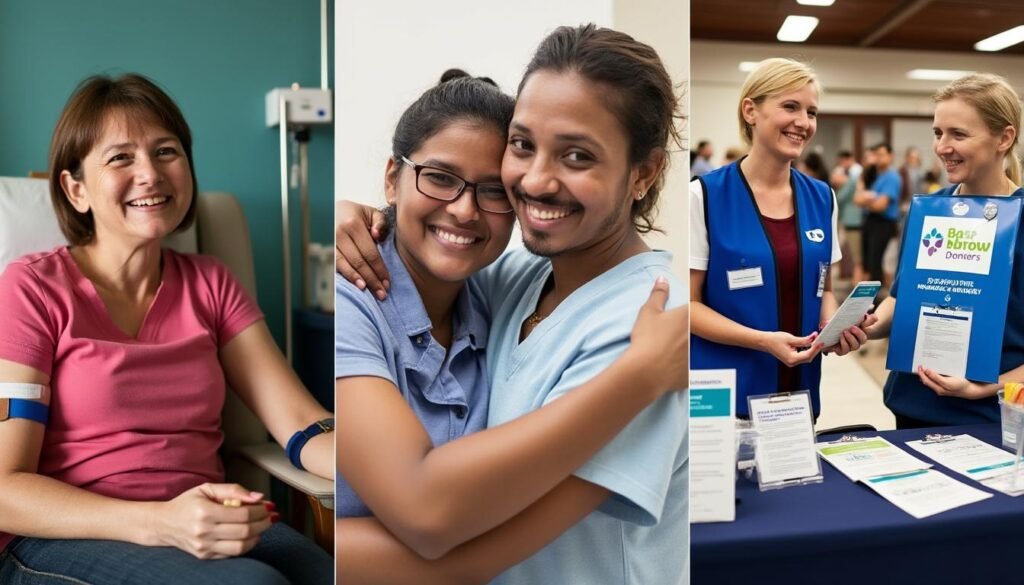
In 2025, the gift of life through organ, tissue, and living donations remains a profound testament to human kindness and medical advancement. Stories like Anne’s, who after a tragic brain aneurysm, gave hope to multiple lives through her organs and tissues, illustrate the impact of donation. With innovations and national initiatives such as the National Donate Life Living Donor Registry, opportunities to donate have become more accessible, empowering more people to participate in this life-saving journey. Whether through living donation, organ donation at death, or birth tissue donation, the ways to give life are diverse and growing, embodying hope for countless patients worldwide.
Living Organ Donation: Bridging Lives through Compassionate Choices
Living donation offers a unique and direct avenue to save lives. A living donor can give a kidney or a portion of their liver, lung, intestine, or pancreas to a patient in need. This type of donation is remarkable not only for its immediacy but also because it benefits both recipients and the broader transplant waiting list by opening subsequent donor opportunities.
- Directed Donation: Donors can specify the recipient, commonly family members or close friends, ensuring their gift benefits a particular individual.
- Non-Directed Donation: Donors give altruistically without identifying a specific recipient; allocation is based on medical need and compatibility.
- Kidney Paired Donation: When the intended donor and recipient are incompatible, donors can swap kidneys with other pairs, increasing transplant success.
Those considering living donation must be between 18 and 65 years old and in good health. The evaluation process includes physical, psychological, and social considerations to ensure donor safety. Importantly, donors often express a strong sense of fulfillment, with many willing to donate again despite potential risks.
The Emotional and Physical Dimensions of Living Donation
While living donation is a life-saving gift, it is also a major surgery with risks such as pain, infection, and, albeit rare, serious complications. Psychologically, donors may experience a range of emotions, from pride and satisfaction to anxiety or sadness, especially if the transplant outcome is uncertain.
- The transplant team provides comprehensive support and education to prepare donors for the journey.
- Open communication about feelings and risks helps donors make informed and voluntary decisions.
- Ongoing follow-up care is essential to monitor both physical recovery and emotional well-being.
Understanding these facets allows donors to engage fully and with confidence in the donation process, contributing to a growing culture of hope and generosity promoted by organizations like DonateLife and BeTheMatch.
Deceased Organ and Tissue Donation: A Legacy of Life and Vision
Deceased donation continues to play a critical role in saving lives and restoring health. Through the generosity of donors like Anne and Curt, patients receive life-saving kidneys, hearts, livers, and corneas, among other tissues. One donor can save or enhance the lives of up to eight people, a profound legacy made possible by systems coordinated by OrganDonor.gov and NHS Organ Donation.
- Organ Donation: Critical organs such as heart, lungs, kidneys, liver, pancreas, and intestines are transplanted to recipients on waiting lists.
- Eye (Cornea) Donation: Cornea and sclera transplants restore vision for those suffering from eye diseases or injuries.
- Tissue Donation: Donated tissues help heal wounds, reconstruct damaged areas, and support medical research.
The transformational impact of deceased donation is celebrated annually, notably at events like the National Donate Life Living Donor Registry launch and Donate Life Living Donor Day, which honor the stories that inspire hope. The ongoing collaboration between organizations such as Donor Alliance, GiveLife, and Anthony Nolan fuels education and donor registration efforts worldwide.
Registering as a Deceased Donor: How to Make Your Decision Matter
Registering as an organ, eye, and tissue donor is a straightforward act that can change lives forever. Many countries now offer centralized registries, such as the National Donate Life Registry in the United States, enabling individuals aged 18-65 to register their intent easily. This can often be done online through platforms linked to OrganDonor.gov or regional equivalents like Transplant Australia.
- Registrants can simultaneously express interest in living donation, expanding donation possibilities.
- Family discussions about donation wishes ensure that the donor’s decision is honored.
- Donor registration supports healthcare professionals in making timely and respectful donation decisions at end-of-life care.
Participation in donor registries is vital given that thousands remain on waiting lists. Resources and encouragement from groups like LifeShare and NHS Organ Donation work to reduce disparities and promote widespread awareness.
Birth Tissue Donation: Healing Through Regenerative Potential
Beyond organ donation, birth tissue donation offers a remarkable source of regenerative materials. After childbirth, tissues such as placenta, amniotic membrane, and umbilical cord tissue can be donated to aid in reconstructive surgeries, treat burns, and promote natural wound healing, without affecting the health of mother or baby.
- Placenta and amniotic membranes are rich in healing factors beneficial for burn victims and chronic wounds.
- Umbilical cord tissues and Wharton’s jelly contribute to innovative therapies in tissue engineering.
- Birth tissue donation is strictly regulated and requires specific authorization, ensuring safety and ethical standards.
Accredited establishments, overseen by groups like the American Association of Tissue Banks, facilitate this donation type, expanding the Gift of Life beyond traditional transplantation.
Supporting Healthy Communities Through Donation Awareness
Wider donation initiatives intersect with public health efforts to promote well-being. At the community level, programs combating food insecurity and encouraging healthy lifestyles contribute indirectly to donation readiness by fostering healthier populations. Partnerships and programs featured on platforms such as LiveWell Magazine and combating food insecurity offer models that complement donation advocacy.
- Healthier donors mean improved surgical outcomes and better recovery prospects.
- Education on donation is enhanced by integrating community health promotion.
- Collaborative approaches support the longevity of donation programs globally.