



Mastering Healthy Eating Habits During Travel: Balancing Nutrition and Social Harmony
Traveling opens doors to enriching experiences that nourish the soul, yet maintaining healthy eating habits on the road often feels like a daunting challenge. For many, trying to eat nutritiously while navigating airports, restaurants, and differing food cultures can spark anxiety, particularly when traveling with travel companions who don’t share your dietary priorities. However, it’s entirely possible to enjoy your journey and stay energized by adopting a balanced approach without becoming a source of tension over every meal choice.
One essential mindset shift is embracing flexibility over rigid perfection. Journey nutrition is about making healthy choices most of the time rather than striving for flawless adherence. This philosophy aligns well with the principle that food during travel is not simply fuel but also an important medium for cultural connection, celebration, and shared memories. For example, splitting an appetizer with friends instead of ordering individual full portions allows you to try local delicacies without overindulging or monopolizing the meal conversation.
Practicality plays a key role in seamless meal planning on the road. Start by focusing on the three fundamental pillars: protein, produce, and hydration. Prioritizing protein at each meal helps maintain muscle function and stabilizes hunger, which is particularly important as metabolic demands shift with travel-induced stress and changing routines. For instance, a hotel breakfast that includes eggs or Greek yogurt offers a solid protein foundation while sightseeing or business meetings call for options like grilled chicken salads or protein-rich snacks such as mixed nuts or nut butter packets.
Integrating fruits and vegetables whenever possible ensures fiber and essential nutrients replenish your body amidst heavier or unfamiliar foods. Consider ordering a side salad, adding veggies to sandwiches, or enjoying fruit with breakfast. These small tweaks quickly translate to sustained energy without drawing attention or disrupting group dynamics.
Hydration remains an underestimated factor that directly influences travel vitality. Airplane cabins and long car rides dehydrate the body silently, leading to headaches, fatigue, and even food cravings that threaten to derail your healthy rhythm. Carrying a reusable water bottle and committing to drinking water before coffee or alcoholic beverages can dramatically improve your feeling of well-being. Advanced travelers sometimes add electrolytes to their water, especially after high-activity days exploring new cities on foot.
Incorporating these balanced nutrition strategies tactfully keeps you feeling strong and engaged with your travel companions, enhancing the overall group experience.Learn more about eating healthy while traveling and how to make choices that delight both your palate and your wellbeing without seeming rigid or overly strict to others.


Effective Meal Planning for Road Trips: Packing Snacks and Making Smart Food Choices
When embarking on a road trip, the freedom of the open road is often tempered by limited healthy food options along the way. This is where strategic meal planning becomes an invaluable skill for ensuring consistent nutrition and preventing hunger-induced poor choices.
The key to smooth travels lies in thoughtful packing of healthy snacks that are easy to store, carry, and consume on-the-go. Well-curated snacks not only sustain energy but also help you avoid fast food temptations that can sabotage your objectives.
Here is a carefully selected packing list that embodies the balance between convenience and nourishment:
- Protein bars with minimal added sugars and quality ingredients
- Mixed nuts or trail mixes offering healthy fats and fiber
- Jerky or meat sticks as high-protein, low-carb options
- Single-serve nut butter packets for quick satiation and versatility
- Fresh fruit like apples or bananas that store well without refrigeration
Having these accessible snacks combats the infamous “hanger” — that irritable, overeating-triggering state we all dread. Additionally, it shows mindfulness without appearing inflexible, allowing you to share snacks and keep the journey light-hearted.
When it comes to meal selection during stops, prioritizing simple cooking methods such as grilled, roasted, or baked foods can mitigate unnecessary calories and additives. Ordering a grilled chicken sandwich with an added vegetable side or a soup-and-salad combo is often a balanced approach that fits a wide range of tastes.
For a more tailored approach, many business travelers find expert tips on eating clean while traveling for work particularly valuable, offering realistic insights on navigating restaurant menus and airport food courts while staying guilt-free.
Sharing dishes with companions not only fosters camaraderie but also diplomatically reduces portion sizes without drawing attention to individual diets. For example, opting to share dessert, or an appetizer at a family meal, ensures everyone feels included and reduces waste.
Food is a social glue on trips; your ability to enjoy meals while making smart nutritional choices sets a tone of balance and respect — both for your body and your travel allies.
Smart Strategies for Eating Out: Navigating Menus and Maintaining Healthy Choices Without Stress
One of the richest joys of traveling is indulging in local cuisine, yet dining out repeatedly tests your healthy eating resolve. Successfully balancing indulgence and nutrition requires a combination of foresight, savvy menu navigation, and social sensitivity.
A powerful preparatory step is to examine restaurant menus ahead of time. Many establishments post their menus online, allowing you to identify dishes rich in protein and produce or those using straightforward cooking techniques like grilling or roasting that tend to minimize added fats and sugars.
This proactive approach alleviates the stress of hurried decisions and positions you to confidently select items that align with your health goals. For instance, choosing a grilled fish entrée with steamed vegetables over a creamy pasta dish respects both indulgence and nourishment in equal measure.
Incorporating hydration during meals—ordering water alongside your dish—helps slow intake and heightens satiety signals, preventing overeating. Moreover, savoring every bite and engaging in light conversation fosters mindfulness and allows the body time to register fullness.
Another key tactic is embracing sharing as a nutrition strategy. In many cultures, meals are communal experiences. Sharing an appetizer or dessert means you can partake in the culinary delight without consuming an entire portion alone, which often results in unintentional overconsumption.
Adopting such strategies not only sustains your energy but also respects the diverse tastes and preferences of travel companions—allowing you to focus on the shared experience rather than dietary differences. These approaches are emphasized in various comprehensive guides like what to eat on the road for work travelers, which provide insightful methods to enjoy road dining without derailing nutrition goals.
With these tools, eating out becomes a pleasure that complements your travel story without overshadowing the fun or camaraderie.
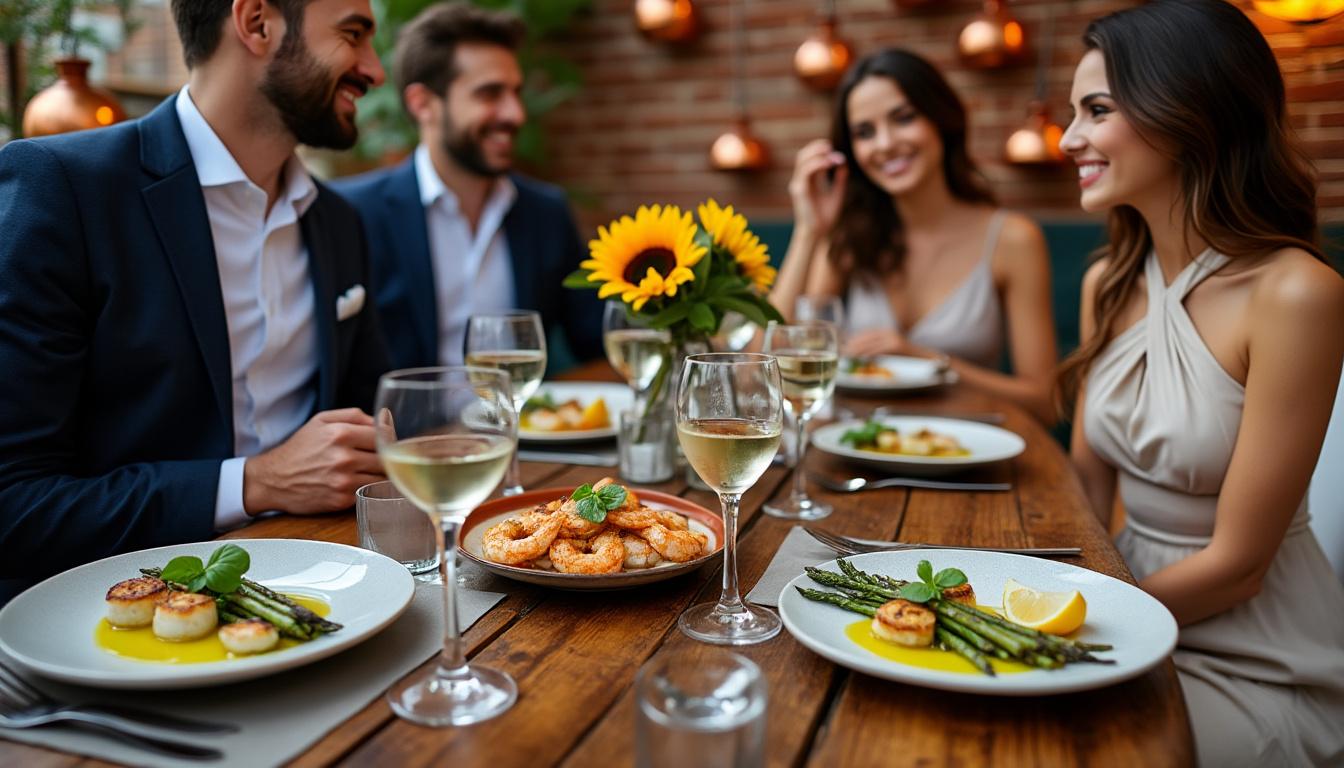
Maintaining Physical Activity While Traveling: The Invisible Ally for Healthy Eating and Energy Management
Although food choices are fundamental during travel, they work best when paired with consistent movement. Physical activity acts as a vital companion to healthy eating, helping mitigate occasional indulgences and regulate energy levels.
Movement need not mean intense gym sessions or exhaustive exercise routines. In fact, active travel often naturally integrates movement through sightseeing walks, hiking excursions, or brief hotel workouts. Many travelers find that even simple stretching each morning or strolling between destinations contributes positively to mood and metabolism.
This synergy is crucial on extended trips where unfamiliar schedules, differing meal times, and altitude or climate changes can disrupt digestion and sleep, leading to sluggishness. An example is a coastal road trip where daily hikes along nature trails complement seafood-rich meals, aligning body with environment and nutrition.
Incorporating activity also supports muscle preservation and metabolic health—particularly important during midlife when natural declines begin. This means you can enjoy the cultural aspects of travel food without compromising long-term health goals.
Integrating movement enhances your ability to maintain balance and sustain enthusiasm throughout your journey. It provides a natural counterpoint to indulgences and helps you return home feeling revitalized rather than depleted.
As explained by experts at Compass Nutrition, coupling appropriate nutrition with manageable physical activity while traveling reduces stress and maintains metabolism, reinforcing a holistic well-being approach on the road.
Respecting Social Dynamics: How to Avoid Annoying Your Travel Companions While Sticking to Your Nutrition Goals
Travel sharing requires more than just physical endurance and smart packing—it calls for emotional intelligence and awareness of group dynamics, especially when your healthy eating mindset differs from that of your travel companions.
Avoiding explicit declarations of restrictive diets or repeated health lectures ensures a pleasant environment that respects everyone’s choices. Often, simply ordering what suits you quietly and focusing conversation on shared experiences rather than food restrictions helps maintain harmony.
Allow yourself indulgences during social meals without guilt, understanding that one decadent meal will not undo your overall progress. For example, enjoying a slice of authentic pizza in Italy with friends is an experience, not a nutrition failure.
Equally important is not skipping meals to compensate for anticipated overeating. This prevents extreme hunger pangs that impair decision-making and mood, keeping interactions with family or colleagues positive.
Practicing this balanced approach creates an atmosphere where healthy choices coexist with enjoyment. You demonstrate that wellness on the road means adaptability and respect, not rigidity, turning nutrition into a collective journey rather than a solitary pursuit.
Travel should be a celebration of life, culture, and connection. By approaching your meals and companionship with this attitude, you embody the essence of a true travel survival guide. For more comprehensive strategies that combine nutrition and social intelligence seamlessly, consider consulting resources such as dietitian-approved travel eating tips.
How can I enjoy local food without compromising my healthy eating goals?
Focus on moderation and balance by prioritizing protein and veggies, sharing dishes with your companions, and allowing yourself to indulge occasionally—all while avoiding rigid restrictions that can cause stress. This approach helps you enjoy new cuisines and maintain energy.
What are the best snacks to pack for long road trips to stay energized?
Choose portable, nutrient-dense snacks such as protein bars, mixed nuts, jerky, single-serve nut butter packets, and fresh fruits like apples or bananas. These options provide lasting energy and help prevent hunger-fueled poor food choices.
How important is hydration during travel, and what are practical tips?
Hydration is crucial as travel environments can be dehydrating. Carry a reusable water bottle, drink water before coffee or alcohol, order water with meals, and add electrolytes if engaging in extensive walking or flying, which keeps you alert and reduces fatigue.
How do I maintain social harmony around food when traveling with others?
Avoid announcing restrictive diets or making others uncomfortable by quietly ordering what suits you, sharing dishes when appropriate, and focusing conversations on shared experiences instead of your food choices. Respect and flexibility foster positive interactions.
Can I skip meals during travel to save calories for indulgent meals?
Skipping meals often leads to overeating later and uneven energy levels. Instead, aim for balanced meals and snacks throughout the day to maintain steady energy and better control hunger, enhancing your overall travel experience.