


From turmeric lattes to mushroom powders, natural remedies are having a moment. Health food aisles and social media feeds are packed with promises: better sleep, stronger immunity, less stress. But how do you know what’s hype—and what’s truly healing? Doctors and nutritionists agree: not all natural remedies are created equal—but some are worth your attention.
What’s trending: ashwagandha and medicinal mushrooms
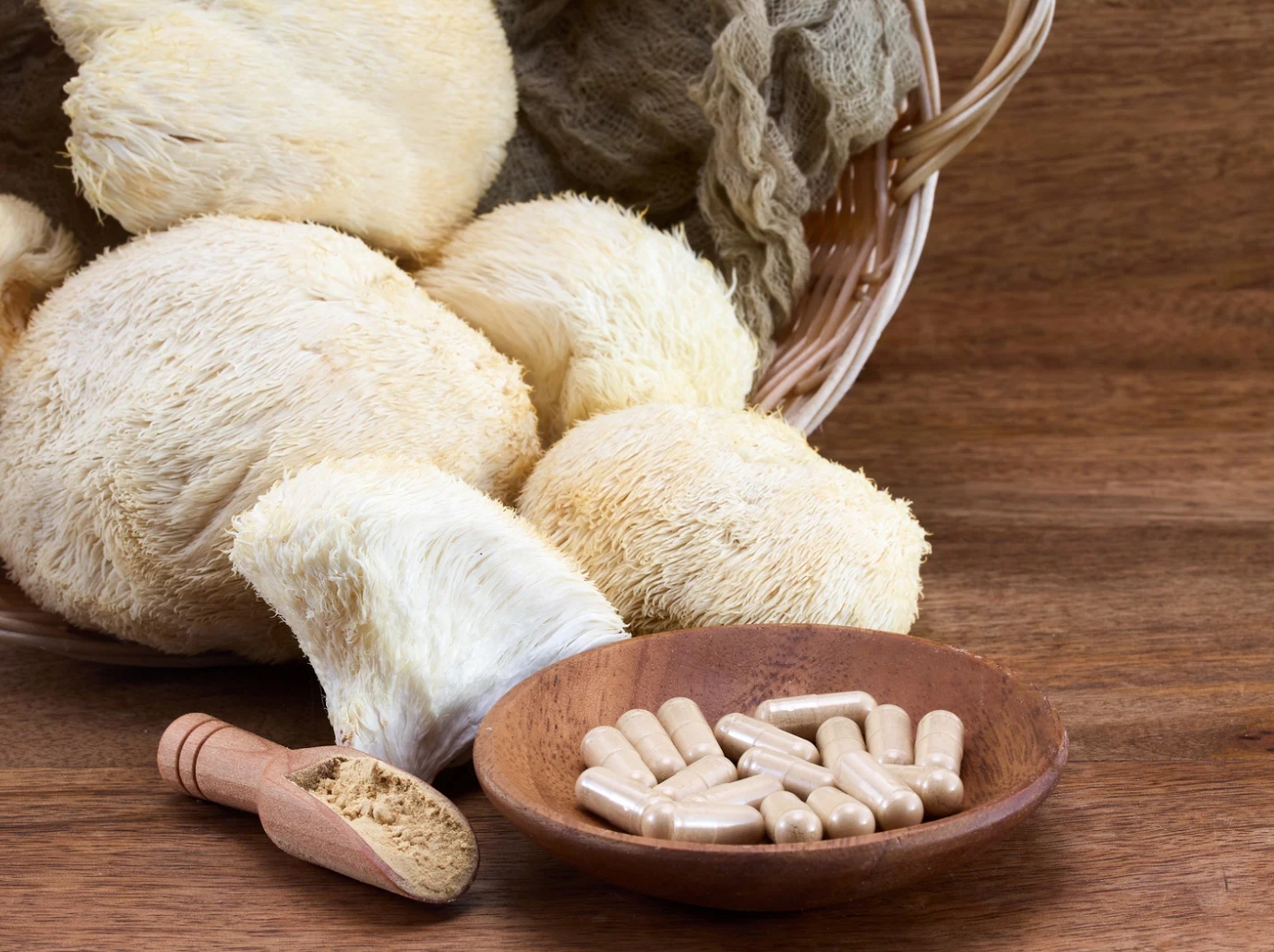

Among the biggest stars of the wellness world today are ashwagandha and medicinal mushrooms like lion’s mane and reishi. These adaptogens and fungi are being praised for reducing stress, enhancing cognitive performance, and boosting overall vitality.
Adaptogens like ashwagandha have roots in traditional Ayurvedic medicine. Medicinal mushrooms have long been used in Chinese medicine and are now appearing in powders, teas, and supplements across the globe. Their popularity has exploded in recent years, especially among people looking for more holistic ways to support their health.
What science actually says

Let’s talk evidence. While some natural remedies are supported more by tradition than science, others are increasingly backed by clinical data.
For example, a 2019 study published in the Medicine (Baltimore) journal found that ashwagandha extract significantly reduced cortisol levels and perceived stress in adults under chronic stress. Participants also experienced improved sleep quality and well-being.
Similarly, lion’s mane mushrooms have shown promise in small human studies. A 2020 review in the journal Frontiers in Aging Neuroscience suggested that lion’s mane may help support memory and nerve growth, potentially reducing mild cognitive decline over time.
These aren’t magic pills—but they’re far more than just a passing trend.
How to use it safely (and when to skip it)

Before diving into the world of adaptogens and natural supplements, there are a few things to keep in mind:
- Start small: Begin with low doses and observe how your body responds. Everyone’s tolerance is different.
- Look for quality: Choose products from reputable brands that offer third-party testing and minimal additives.
- Time it right: Some remedies (like reishi) are better taken in the evening for calming effects, while others (like lion’s mane) are best in the morning for focus.
- Talk to your doctor: Especially if you’re pregnant, on medication, or managing chronic illness. Even “natural” remedies can interfere with other treatments.
And remember: just because something is plant-based doesn’t mean it’s risk-free. Stay informed and use with intention.
There’s a reason natural remedies have been used for centuries. Many of them offer gentle, supportive benefits for stress, cognition, and overall well-being. But modern science is helping us understand what works, why it works, and how to use it wisely.
So the next time you sip that mushroom latte or add ashwagandha to your smoothie, know that you’re not just following a trend—you might be tapping into something powerful, ancient, and increasingly evidence-based.
Wellness doesn’t have to be extreme. Sometimes, the best medicine comes straight from nature—with a little science to guide the way.