


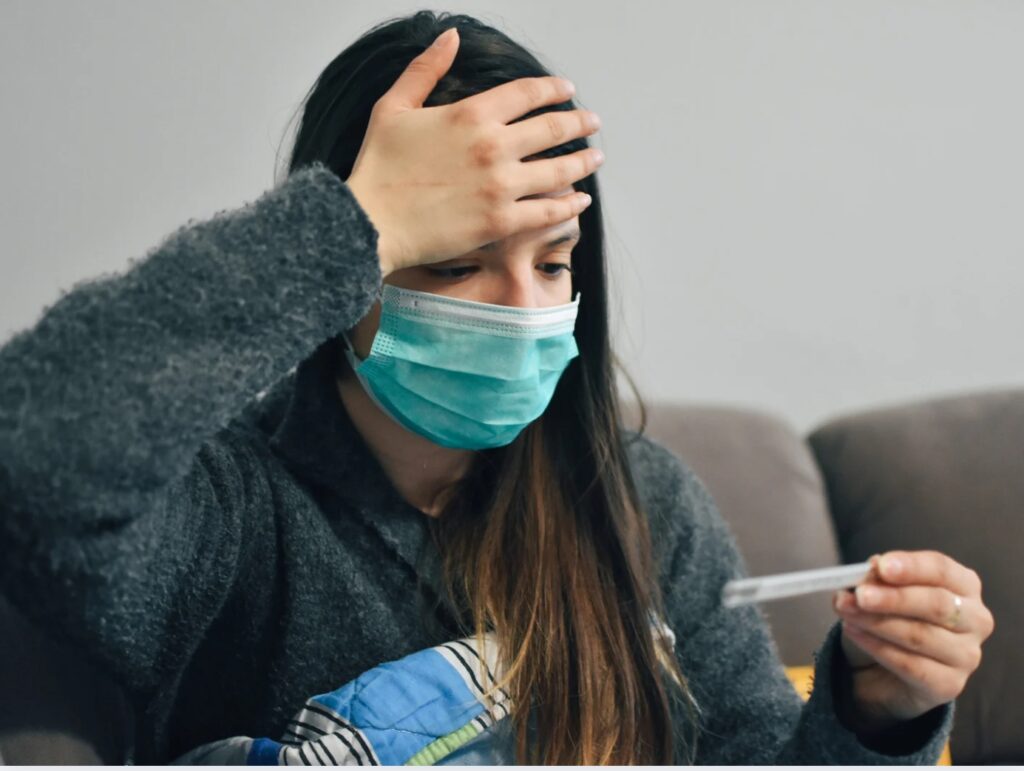
As the 2025 flu season unfolds, health officials confirm a continuation of mild influenza activity across the United States. Despite early concerns stemming from a surge in cases at the beginning of the season, recent data demonstrate a decline in widespread flu infections. Enhanced testing services and accessible treatments, such as Tamiflu, rolled out by major pharmacy chains like CVS Health, offer individuals swift diagnosis and medical support, reinforcing public health efforts. Understanding the dynamics of flu viruses and maintaining proactive prevention habits remain vital for minimizing the impact of seasonal illness in communities nationwide.
Current Trends in Seasonal Flu Activity in 2025
Although the flu season started with somewhat increased activity, surveillance reports reveal a steady downward trend in infection rates. The Centers for Disease Control and Prevention (CDC) noted that positive influenza tests have decreased from 31.6% in early February to around 24.5% later that month, indicating that the peak has passed but flu activity is still noticeable.
- Predominant strains: Influenza A (H1N1)pdm09 and A (H3N2) continue to be the most common viruses circulating.
- Season classification: This season is classified overall as having high severity, marking a notable yet manageable burden compared to recent years.
- Hospitalizations and fatalities: Approximately 480,000 hospitalizations and 21,000 deaths have been recorded, with pediatric fatalities reaching 98.
These statistics underscore the need for ongoing vigilance despite a relatively mild current activity.
Pharmacy-led Innovations in Flu Testing and Treatment
Major pharmacy chains are at the forefront of expanding flu care accessibility. CVS Health has launched enhanced testing and treatment programs across approximately 1,600 pharmacies nationwide. Their innovative 3-in-1 combo test simultaneously screens for influenza A, influenza B, and COVID-19.
- Convenience: Patients can get tested and treated in a single appointment, with evaluations conducted by licensed pharmacists.
- Pricing: The testing costs $29.99, with a pharmacist consultation fee of $45, independent of whether medication like Tamiflu or other antivirals is prescribed.
- Geographical reach: This service is available in specific states including California, Colorado, Illinois, and several others.
Such measures provide timely intervention opportunities that can reduce transmission and complications.
Understanding Influenza: Virus, Transmission, and Prevention
The flu is caused by influenza viruses attacking the respiratory tract. The complexity of these viruses, particularly types A and B, requires annual vaccine updates to align with the ever-changing viral landscape. Transmission primarily occurs via respiratory droplets when infected individuals cough or sneeze, though contamination through surfaces remains a secondary route.
- Annual vaccination: Strongly recommended for everyone over 6 months to combat evolving virus strains.
- High-risk groups: Include older adults, young children, pregnant people, and those with chronic health conditions.
- Preventative measures: Frequent handwashing using Purell sanitizers, avoiding close contact with sick individuals, and cleaning frequently touched surfaces with Lysol wipes.
Incorporating these habits with vaccination greatly enhances community immunity and individual protection.
How to Recognize and Manage Flu Symptoms Effectively
Influenza symptoms tend to onset abruptly and can range from mild to severe, often including fever, muscle aches, cough, fatigue, and sore throat. Distinguishing flu symptoms from the common cold is crucial since flu carries a greater risk of serious complications. Over-the-counter remedies such as Vicks Vaporub, Tylenol, Advil, Theraflu, Robitussin, and NyQuil can alleviate discomfort, but recognizing when to seek medical care is essential.
- Emergency symptoms: Difficulty breathing, chest pain, confusion, or persistent high fever warrant immediate medical attention.
- Mild flu management: Rest, hydration, and symptom-relieving medications can speed recovery at home.
- Antiviral treatment: If diagnosed early, prescription antivirals like Tamiflu reduce illness duration and complications.
Using Kleenex tissues during coughs and sneezes also helps limit viral spread, reinforcing hygiene practices.
Promoting Community Health Through Education and Healthy Habits
Empowering individuals with knowledge is paramount in controlling seasonal influenza. Encouraging timely vaccination and incorporating wellness habits plays a dominant role in flu prevention strategies. Exploring resources on how integrating wellness routines can enhance immune health may help everyone better withstand flu seasons.
- Healthy lifestyle: Embracing balanced nutrition, regular exercise, and stress management strengthens the immune response.
- Vaccination awareness: Educating about the triple vaccine strategy covering flu, COVID, and RSV boosts overall respiratory health protection.
- Community engagement: Support programs focused on vulnerable populations help reduce health disparities.
These approaches align with ongoing public health initiatives seeking to reduce the annual burden of respiratory illnesses.
For more insights into immune health and the impact of lifestyle on well-being, visit the LiveWell magazine article on triple vaccine strategy. To explore practical tips on developing healthy habits, see embracing wellness and beginning your journey of healthy habits.
Discover how paternal influences shape nutrition and ongoing health through this detailed examination of fathers’ dietary impacts.
Uncover potential daily pitfalls through an exploration of habits that may undermine gut health, an essential component of immune resilience.
And finally, learn about boosting energy effectively in a caffeine-free way via this comprehensive guide.