


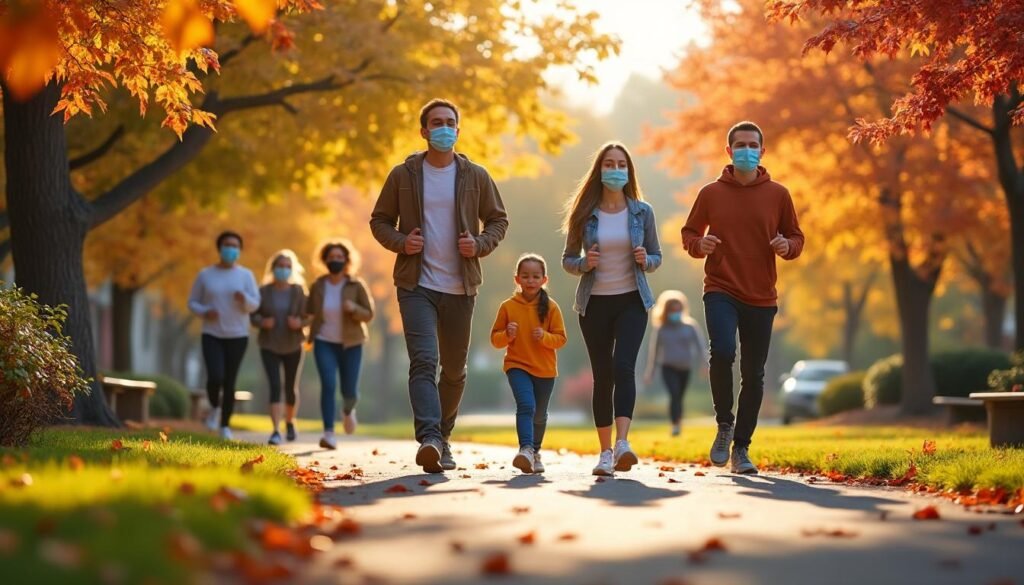
Understanding the Importance of Respiratory Health in Autumn
As the crisp air of autumn welcomes seasonal changes, respiratory health becomes a paramount concern for many. The Regional Health and Human Development (RHHD) department is actively promoting healthy practices to safeguard communities from the surge in respiratory ailments typically observed during this season. Autumn, characterized by falling temperatures and increased indoor activities, creates an environment conducive to respiratory infections and allergies.
Respiratory ailments such as colds, flu, bronchitis, and exacerbations of asthma become prevalent due to factors like fluctuating temperatures, humidity changes, and increased exposure to airborne allergens. This season also marks the onset of cold and flu season, heightening the risk of viral infections that can compromise respiratory function. RHHD emphasizes awareness and preventive measures, highlighting the need for individuals to actively engage in habits that protect lung health and boost immunity.
To comprehend why autumn is particularly challenging for respiratory health, one must consider the interplay between environmental triggers and human behaviors. For instance, closing windows to retain heat can inadvertently reduce ventilation, increasing indoor air pollutants and facilitating viral spread. Additionally, dry indoor air exacerbates mucous membrane dryness, making the respiratory tract more vulnerable to infections. Understanding these dynamics is crucial for implementing effective protective strategies.
Key Environmental Factors Affecting Respiratory Health in Autumn
The season brings various environmental changes that impact respiratory well-being:
- Temperature Fluctuations: Cool mornings and evenings followed by warmer afternoons create stress on the respiratory system, making it easier for viruses to invade.
- Indoor Air Quality: Increased time spent indoors raises exposure to dust, pet dander, and cooking fumes, which can trigger asthma and other respiratory issues.
- Humidity Levels: Low humidity leads to dry air, irritating nasal passages and the throat, while high humidity can promote mold growth.
- Allergens: Falling leaves and decaying organic matter release mold spores, aggravating allergic reactions and asthma.
RHHD’s campaign focuses on educating the public about these factors and recommending practical adjustments to mitigate their impact. One such recommendation is the use of air purifiers from trusted brands like Blueair and Levoit that efficiently remove allergens and airborne pathogens, improving indoor air quality significantly.
Furthermore, the importance of healthy practices such as regular handwashing, avoidance of crowded places when possible, and maintaining a balanced diet rich in antioxidants strengthens respiratory defenses during this vulnerable period. RHHD also stresses the importance of flu vaccinations and consulting healthcare providers early when symptoms emerge.

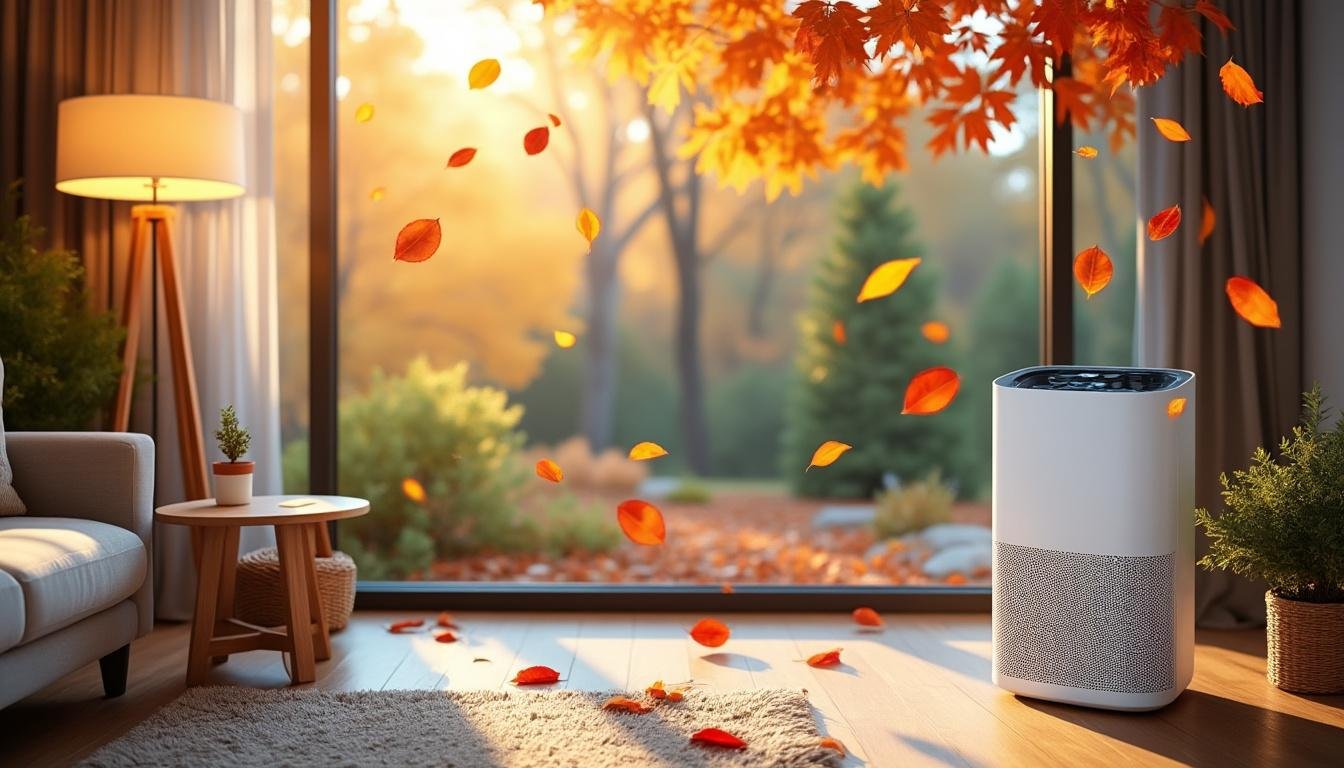
Practical Steps to Enhance Indoor Air Quality and Reduce Respiratory Risks
Maintaining optimal indoor air quality during autumn is a cornerstone of RHHD’s preventative strategy against respiratory ailments. Since people spend more time indoors to avoid the cold, the indoor environment’s healthiness directly influences their respiratory wellbeing. There are several practical measures individuals and families can adopt.
Use of High-Quality Air Purifiers
Air purifiers equipped with HEPA filters can trap fine particulate matter and allergens. Brands such as Philips Respironics and Sharp provide effective options praised for their reliability and advanced filtration technology. These devices can significantly reduce indoor pollutants such as dust, pet dander, pollen, and even certain bacteria and viruses, offering relief for allergy and asthma sufferers.
Ventilation Practices
While keeping warm is critical, ensuring sufficient ventilation is equally important to prevent the build-up of stale air and indoor pollutants. RHHD advises opening windows briefly but regularly to allow fresh air exchange. Using exhaust fans in kitchens and bathrooms also helps expel airborne contaminants.
Humidity Regulation
Maintaining balanced humidity levels between 30% and 50% prevents dryness that irritates airways and inhibits the survival of flu viruses. Using humidifiers from reputable manufacturers like Honeywell and Pure Enrichment is recommended to keep air moist, especially during heating seasons when indoor air tends to be dry.
Routine Cleaning and Maintenance
Regular dusting, vacuuming with HEPA filter vacuums, and washing bedding in hot water can drastically reduce indoor allergens. Removing clutter where dust accumulates and promptly addressing any mold growth are vital steps. Using eco-friendly cleaning substances aligns with maintaining a healthy home atmosphere.
Additional Tips for Healthy Indoor Environment:
- Avoid smoking indoors to reduce harmful particles
- Keep pets clean and limit their indoor access during allergy seasons
- Place washable doormats to minimize dirt and outdoor allergens
- Utilize air purifiers like Dyson to tackle multiple pollutants effectively
- Replace HVAC filters regularly
Implementing these steps helps reduce risks while creating a comfortable living space. They also complement natural wellness practices such as frequent hydration and balanced nutrition, forming a holistic approach to respiratory health protection this autumn.
Building Immunity: Nutrition and Lifestyle Habits to Defend Respiratory Health
Beyond environmental control, strengthening the immune system is crucial in preventing respiratory ailments this autumn. RHHD endorses a variety of lifestyle and nutritional strategies that enhance body defenses and resilience against pathogens responsible for respiratory illnesses.
Nutrition Focused on Immune Support
A diet rich in vitamins and minerals supports the immune response effectively. Key nutrients include vitamin C, vitamin D, zinc, and antioxidants found abundantly in fruits, vegetables, nuts, and seeds. For example, citrus fruits and berries boost vitamin C intake, while leafy greens and fortified foods supply vitamin D and zinc.
Incorporating foods with anti-inflammatory properties, such as fatty fish rich in omega-3 fatty acids and turmeric, can also help modulate immune functions. RHHD encourages individuals to avoid excessive processed foods and sugars that may impair immune efficiency.
Daily Habits and Wellness Practices
Consistency in certain daily habits substantially reduces the likelihood of falling ill with respiratory conditions. These include:
- Regular physical activity to enhance circulation and immune activity
- Adequate sleep allowing for cellular repair and immune regulation
- Stress management techniques such as mindfulness or yoga to limit immune suppression caused by chronic stress
- Hydration, crucial for maintaining mucous membrane integrity
- Proper hygiene practices, including frequent handwashing to limit viral transmission
Such habits are endorsed by experts and highlighted in sources like trusted health guides that underscore their pivotal role in holistic health maintenance during seasonal transitions.
Moreover, RHHD recommends vaccination against influenza and COVID-19 as essential components of immune defense strategies. These vaccinations decrease the severity and incidence of infections and protect vulnerable populations.
Addressing Respiratory Illnesses Through Community Engagement and Education
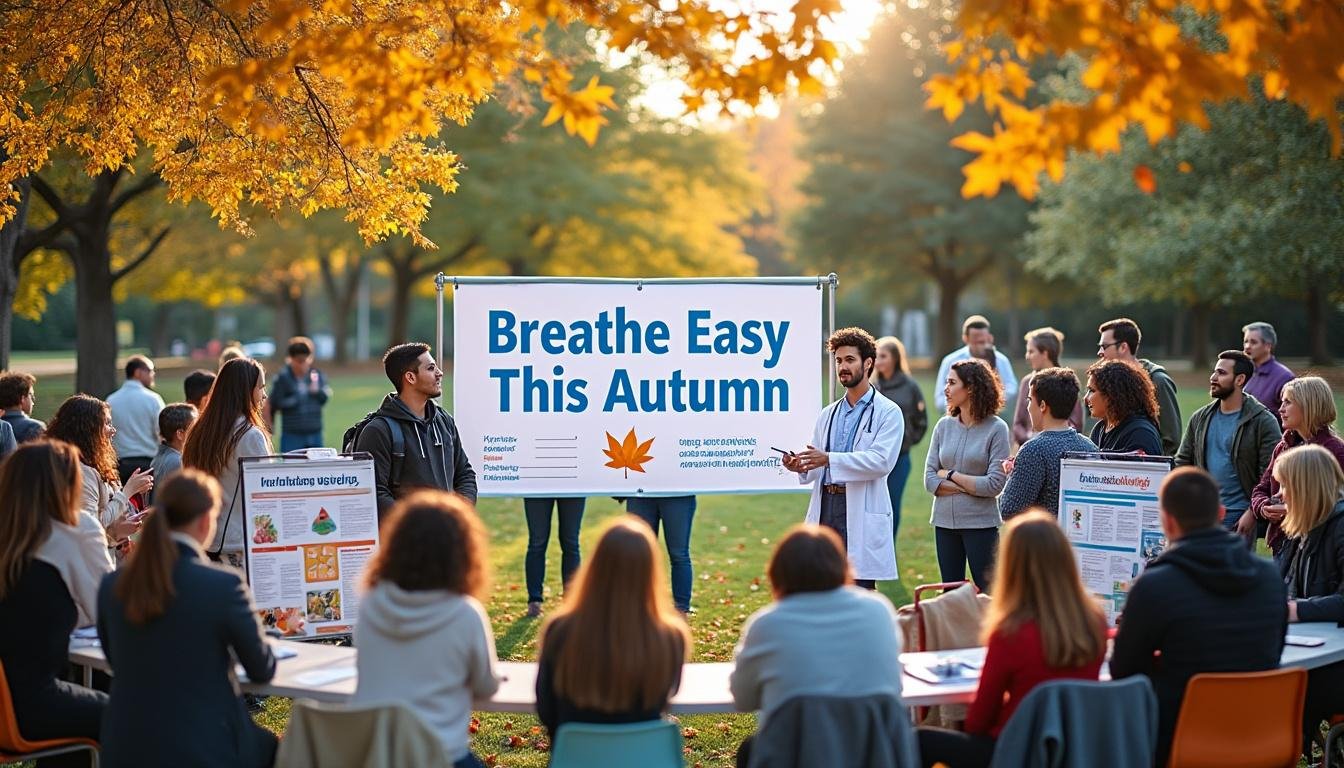
RHHD’s comprehensive approach involves not only individual responsibility but also community-level engagement to promote respiratory health across populations. Educational campaigns and wellness programs are designed to empower citizens with the knowledge and tools to prevent respiratory ailments effectively.
Public Awareness Campaigns
RHHD utilizes multimedia channels to disseminate important messages about flu prevention, recognizing symptoms, and accessing timely medical care. Community centers and workplaces often host seminars and workshops where respiratory specialists provide guidance, supported by educational materials that clarify common misconceptions.
Collaboration with Schools and Families
Schools are critical venues for instilling healthy habits early on. RHHD partners with educational institutions to teach children about the importance of hand hygiene, respiratory etiquette (like covering coughs), and the benefits of outdoor play in fresh air. Parents receive support through parenting workshops to reinforce these habits at home.
Supporting Vulnerable Populations
Elderly individuals and those with pre-existing conditions receive particular focus due to their increased susceptibility. RHHD organizes vaccination drives, home visits, and provides accessible resources tailored to their needs. The initiative also works with local healthcare providers to ensure effective disease surveillance and response.
Community Health Resources and Accessibility
Ensuring access to tools such as affordable masks, high-quality air purifiers from brands like ResMed and Airfree, and educational resources helps reduce barriers to respiratory wellness. Encouraging community members to engage with these aids fosters a collective defense against autumn respiratory ailments.
Community Tips to Stay Healthy this Season:
- Participate in local wellness events to stay informed
- Advocate for smoke-free public spaces
- Promote vaccination and preventive care access
- Share health information within social circles
- Support neighbors who might be at risk, like the elderly or chronically ill
This social approach amplifies the effect of individual healthy practices, ultimately reducing the burden of respiratory diseases across the community.
Technological Innovations Enhancing Respiratory Health This Autumn
In 2025, technological advancements continue to transform how we prevent and manage respiratory diseases, with RHHD advocating for the integration of these innovations into daily life. Choosing the right devices and leveraging modern healthcare options are central to this strategy.
Advanced Air Purification Systems
Leading companies like Dyson, Pure Enrichment, and Philips Respironics have introduced sophisticated air purification models that not only filter pollutants efficiently but also monitor air quality in real time through smart sensors. These devices can automatically adjust their operation, ensuring optimal indoor environments with minimal user intervention.
Wearable Health and Monitoring Devices
Wearables now offer continuous monitoring of respiratory parameters such as breathing rate, oxygen saturation, and early signs of respiratory distress. This real-time feedback aids in early detection and management, critical to preventing severe complications during autumn respiratory illness spikes.
Telehealth and Remote Consultations
With increased accessibility to telehealth services, patients can consult healthcare professionals promptly without exposing themselves or others to contagions. This innovation ensures timely diagnosis and treatment, reducing hospital visits and facilitating ongoing monitoring of chronic respiratory conditions.
Smart Home Integration for Respiratory Wellness
Smart home systems now integrate air quality control, humidity levels, and allergen detection, connecting with brands like Blueair and ResMed to deliver tailored environments conducive to respiratory health. Such integration supports a seamless protective ecosystem within the household.
Key Technological Tips for Respiratory Protection:
- Invest in smart air purifiers with HEPA and activated carbon filters
- Use wearable devices to monitor lung function and symptoms
- Adopt telehealth platforms for regular consultations and vaccinations
- Sync smart home devices to optimize ventilation and humidity automatically
- Stay updated on product innovations and health guidelines
Incorporating these technologies empowers individuals and families to maintain respiratory health proactively and with greater ease throughout autumn.
What are the best air purifiers for respiratory health in autumn?
Brands like Philips Respironics, Blueair, and Levoit offer air purifiers with HEPA filters that efficiently remove allergens, dust, and airborne viruses, making them some of the best options for improving indoor air quality.
How can I reduce allergy symptoms caused by fall allergens?
To reduce fall allergen symptoms, keep windows closed during high pollen days, use air purifiers, clean dust regularly, wash bedding frequently, and consider using humidifiers to maintain optimal indoor humidity levels.
What lifestyle habits can help prevent respiratory infections in autumn?
Daily habits such as proper hygiene, balanced nutrition rich in vitamins C and D, regular exercise, sufficient sleep, and stress management significantly reduce the risk of respiratory infections during autumn.
Should I get a flu vaccination every autumn?
Yes, getting an annual flu vaccination is highly recommended to protect against prevalent influenza strains each season. It reduces severity of illness and prevents broader viral outbreaks.
How do smart home technologies contribute to respiratory health?
Smart home technologies regulate indoor air quality, humidity, and allergen presence by integrating devices like air purifiers and humidifiers, ensuring a healthy environment that supports respiratory well-being automatically.