



The Rising Importance of Wealth in Koreans’ Health Perception
Recent insights from the 2025 Health Perception Report by the Korea Health Promotion Institute have uncovered a significant transformation in what Koreans believe impacts their health the most. According to the study, over 33.3% of Koreans now rank income and social status as the primary factors influencing health, overshadowing genetics, personal lifestyle, and access to fitness amenities. This shift marks a departure from previous years where genetic factors traditionally dominated public opinion about health determinants.
Koreans’ growing emphasis on wealth-related influences on health can be attributed to the increasing economic pressures and social stratification visible in the country’s modern urban environments. Many citizens recognize that financial stability provides better access to quality healthcare, nutritious food, comfortable living conditions, and reduced stress levels. These advantages contribute indirectly to their health outcomes, reinforcing the viewpoint that economic influence plays a pivotal role.
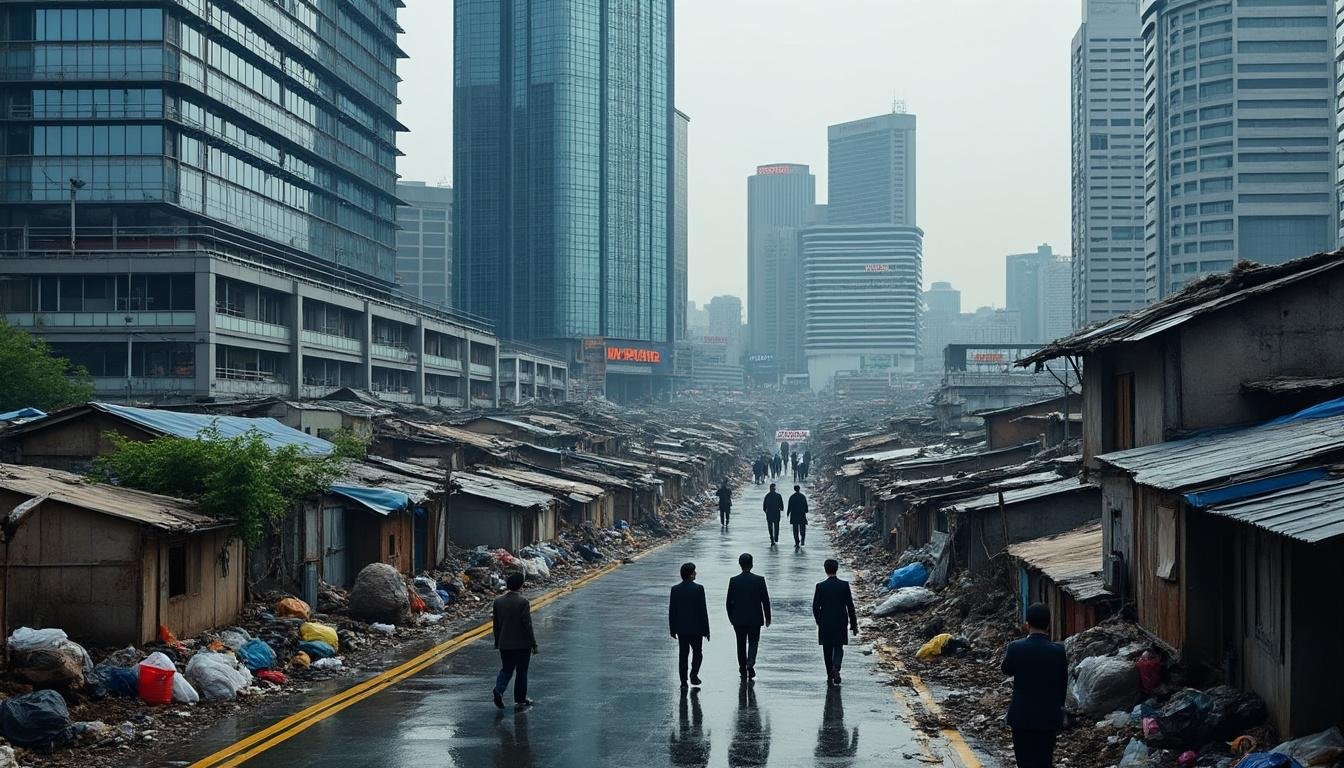
For instance, in metropolitan hubs like Seoul, there is a stark correlation between neighborhoods’ economic status and the availability of health resources. Exclusive residential areas often exhibit better infrastructure for healthcare, more green spaces, and wellness facilities. This contrasts with less affluent districts where residents face obstacles such as overcrowding, fewer public health services, and limited recreational spaces.
The report also illuminates generational consistencies in this belief, revealing that Koreans of varying ages consistently prioritize wealth and social standing when evaluating health determinants. This cultural alignment around economic influence challenges older assumptions centered predominantly on biological and lifestyle factors.
This cultural shift in health prioritization has policy implications too: health authorities need to address socio-economic disparities explicitly. For more on how spending patterns relate to health outcomes in South Korean communities, one can explore narratives where lowest-income Koreans face challenges in capitalizing on healthcare investments despite increased spending.
Furthermore, this perspective affects how public health campaigns are tailored. Traditional messaging focused on genetics and lifestyle must incorporate socioeconomic realities to resonate deeper with Korean audiences.

Genetics and Lifestyle: Their Diminishing Role in Korean Health Views
While genetics and lifestyle factors such as exercise, diet, and coping skills have long been considered essential elements shaping health, their perceived importance in South Korea is waning compared to wealth. The 2025 report specifies that only 12.8% prioritizes genetics and about 11.5% point to lifestyle habits as paramount health factors.
This evolving viewpoint reflects broader societal changes. The emphasis on genetics was historically grounded in cultural beliefs about hereditary health risks and family health history. On the other hand, lifestyle choices were touted as controllable factors individuals could optimize for better health outcomes.
However, Koreans today acknowledge the complex interplay between economic resources and health choices. For example, maintaining a healthy diet or exercising regularly might prove challenging without sufficient financial means. Gym memberships, organic foods, or regular medical check-ups often require disposable income, making lifestyle modifications inaccessible for lower-income groups.
This complexity explains why despite recognizing the role of genetics and personal habits, many Koreans feel that without economic support, even the best health choices might not yield significant benefits. This explains the rising trend where income eclipses genetics and lifestyle as the dominant health influence.
From a practical perspective, educational programs now emphasize not only healthy behaviors but also advocate for social policies that reduce economic inequalities. This approach aligns with global trends emphasizing health equity and access improvements, recognizing financial empowerment as a cornerstone of better health outcomes.
The decline in absolute trust in genetic predisposition might also relate to advances in medical technology. Personalized medicine and gene therapies are emerging, but they often remain expensive, thus reinforcing the belief that without sufficient wealth, even advanced treatments stay out of reach for many.
Consequently, wealth is perceived as a gateway that enables both genetic potential realization and healthy lifestyle adoption, consolidating the central role of economic resources in contemporary Korean health perceptions.
Examples of Lifestyle Barriers Due to Economic Constraints
- Limited access to fitness facilities or exercise programs due to monthly fees.
- Inability to afford nutritious but costly food options like fresh fruits and vegetables.
- Stress induced by financial instability impacting mental health and lifestyle choices.
- Reduced opportunities to participate in wellness programs or health screenings.
- Lack of time for exercise or self-care due to multiple job commitments typical among lower-income groups.
Korean Health Disparities Highlighted by Economic Divide
The strong association between wealth and health in Korea is vividly evident in disparities in life expectancy and well-being across income groups. Recent data confirms a widening gap in longevity and health status between wealthier Koreans and those in the country’s lowest-income quintile.
For example, research published by The Korea Herald indicates that the life expectancy gap can approach nine years between affluent and impoverished populations. This stark difference reflects multidimensional effects of economic status, from differential disease prevention and treatment accessibility to the quality of living environments.
This phenomenon resonates with the idea that Korea’s health map effectively mirrors its wealth distribution, where urban and prosperous regions benefit from superior health management infrastructure, while rural and less wealthy areas struggle to keep pace. An insightful summary of this is captured in the article on South Korea’s health map reflecting wealth disparities.
This widening health inequality introduces challenges for policymakers aiming to construct an equitable healthcare system. It underscores the urgent need for targeted interventions focused on vulnerable groups. Moreover, increased healthcare spending alone does not suffice to eliminate these gaps, as shown in studies emphasizing the minimal gains among Korea’s lowest-income demographics despite higher expenditures.
Health services must therefore be tailored to bridge economic and social divides through:
- Subsidized healthcare programs for disadvantaged communities.
- Enhanced access to preventive services.
- Community-based wellness initiatives designed for affordability and inclusivity.
- Schemes promoting healthy lifestyle adoption within economically challenged areas.
By linking health solutions directly to economic realities, Korea can strive toward a more balanced future where health outcomes become less predictable by wealth alone.
Changing Cultural Values and Health Choices Among Korean Generations
The transformation in health priorities among Koreans is also intertwined with shifting cultural and generational values. While older generations might have placed more trust in genetics or lifestyle, younger Koreans are increasingly motivated by economic security as a foundation for health.
A notable divergence is observed in teenagers and young adults redefining what success means by elevating health and wellness above mere wealth accumulation. This nuanced perspective stems from factors such as the COVID-19 pandemic’s impact, evolving beauty norms, and the pervasive influence of social media prompting health-conscious behaviors.
The blog analysis on Korean teenagers prioritizing health over wealth investigates how this new generation cultivates health as a crucial life goal. Unlike older cohorts who equated financial success with well-being, younger Koreans view health as an integral part of their social identity and personal fulfillment.
This shift results in increased engagement with wellness trends, mental health awareness, and sustainable living, which contrasts with the broader population’s economic concerns. It introduces a dynamic interplay where cultural values coexist: wealth remains a dominant health factor in societal discourse, but wellness practices gain traction among youth.
Such generational differences imply potential future changes in how Koreans approach health policy, healthcare demand, and lifestyle promotion. They suggest a possibility of reconciliation between economic and lifestyle factors where money underpins the capacity to engage in health-positive activities without overshadowing their importance altogether.
Implications for Korean Health Policy and Societal Well-Being
The increasing prioritization of economic status over genetics and lifestyle in health perceptions necessitates a multifaceted response from policymakers. To effectively address Koreans’ health concerns, initiatives must encompass economic empowerment, healthcare access expansion, and cultural shifts supportive of healthy behaviors.
The Korea Health Promotion Institute’s findings call for a recalibrated health strategy that balances value-based care with equity-driven interventions. This approach reflects global health trends emphasizing social determinants’ role in shaping outcomes and calls for inclusive health policies.
Health policy should integrate the following elements:
- Equity-focused resource allocation: Ensure that health investments prioritize communities most affected by income disparities.
- Health literacy enhancement: Empower citizens to understand health beyond biological factors, emphasizing how economic decisions impact well-being.
- Support for healthy lifestyle adoption: Subsidize access to fitness, nutritious foods, and preventative care to reduce lifestyle-related illnesses.
- Mental health services expansion: Address stress related to economic hardship as part of comprehensive health care.
Moreover, public awareness campaigns could reshape cultural values around health by helping Koreans recognize the interconnectedness of wealth, genetics, and lifestyle rather than viewing them as isolated factors. This aligns with research endeavors highlighting the nuanced health perception shared by Koreans, offering rich data to drive health innovations.
Ultimately, understanding and addressing economic influence can lead to more effective health policies that improve both individual and collective health outcomes. Recognizing wealth’s role as a health determinant empowers Korea to design strategies that foster well-being across all segments of society.

Why do Koreans now see wealth as more important than genetics for health?
Many Koreans believe financial resources allow better access to healthcare, healthy food, and reduced stress, which have a more immediate and controllable impact on health than genetics.
How does income affect access to a healthy lifestyle in South Korea?
Economic constraints limit access to gyms, nutritious foods, wellness programs, and preventive services, making it harder for lower-income individuals to maintain healthy habits.
Are younger Koreans shifting their health priorities?
Yes, Korean teenagers are increasingly prioritizing health and wellness over material wealth, focusing on sustainable and mental health-oriented lifestyles.
What challenges do health disparities present in South Korea?
Significant life expectancy and health status gaps between wealthy and low-income groups create challenges in achieving equitable health outcomes.
What policy measures can address the economic-health link in Korea?
Policies should focus on equitable health investment, health literacy, lifestyle subsidies, and mental health support to reduce disparities and promote comprehensive well-being.