


Exploring Protein-Packed Mediterranean Dinners for Optimal Heart Health
When it comes to nourishing our bodies, few diets are as celebrated for their heart health benefits as the Mediterranean diet. Renowned for its focus on whole, nutrient-rich ingredients, this eating pattern champions lean protein, heart-healthy fats, fresh vegetables, and wholesome grains. Integrating protein-rich foods into Mediterranean dinners is essential, not only to promote satiety and muscle health but also to bolster cardiovascular wellness. For individuals in 2026 seeking to boost their heart health through sensible dietary choices, protein-packed Mediterranean dinners provide an irresistible fusion of flavor and function.
A key advantage of these dinners is their emphasis on ingredients supporting heart health while providing ample protein to meet modern nutritional needs. Unlike traditional low-protein versions, these meals incorporate options like legumes, fish, poultry, and dairy, ensuring sustained energy and muscle repair. This balance is critical for endurance, recovery, and metabolic efficiency as lifestyles become increasingly fast-paced.
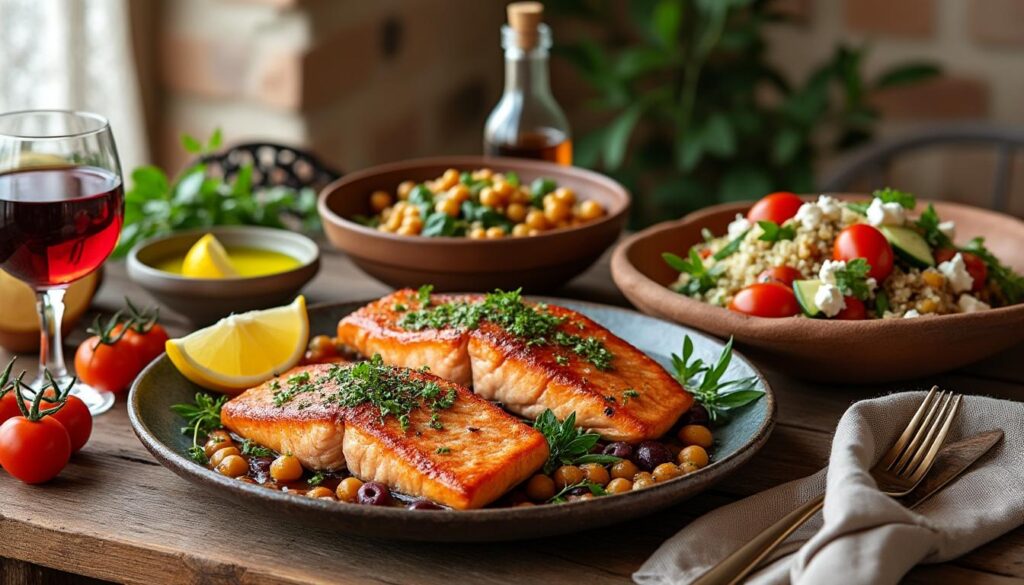
Take, for instance, the beloved Sheet-Pan Balsamic Salmon & Asparagus. Salmon provides rich omega-3 fatty acids, celebrated for their anti-inflammatory properties and ability to reduce cholesterol. When roasted with fresh asparagus and a tangy balsamic-soy glaze, the dish delivers a powerful punch of protein and antioxidants while maintaining low saturated fat levels. This harmony of ingredients encapsulates the essence of healthy eating, fusing taste with wellness.
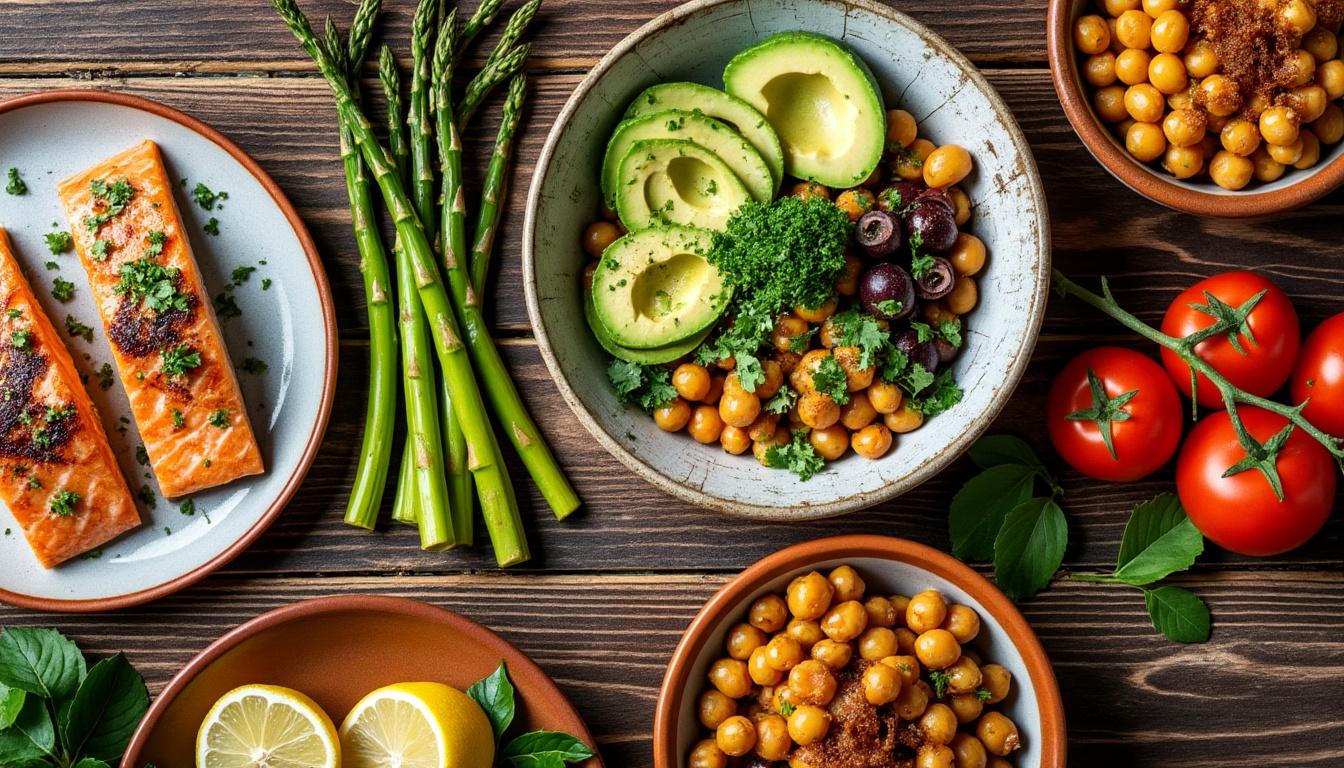
Similarly, plant-based protein emerges strongly in dishes like the Green Goddess Chickpea Bowl. Featuring fiber-rich chickpeas and quinoa, this dish not only offers plant-powered protein but also integrates creamy Greek yogurt and avocado in its dressing, adding beneficial fats and probiotics. For vegetarians or those embracing meatless meals, such options ensure they remain energized and nourished.
Lastly, the traditional Cheesy French Onion Chickpeas meld slow-cooked caramelized onions and chickpeas topped with Gruyère cheese, creating a satisfying meal rich in protein and flavor. Its clever use of whole-wheat toasted baguette slices underscores the Mediterranean diet’s focus on whole grains.

For comprehensive inspiration, exploring collections such as those found at EatingWell or Lean Bites Daily offers a deep dive into recipes that energize and satisfy while aligning with heart-healthy principles. These resources underscore the powerful role of cooking in sustained wellness and the practical advantages of incorporating a variety of protein sources in Mediterranean-style dinners.
Incorporating Lean Protein Sources into Mediterranean Dinners for Enhanced Wellness
As heart health remains a priority in 2026, the strategic selection of lean protein sources within Mediterranean dinners becomes indispensable. Proteins from fish such as salmon, tuna, and shrimp stand out not just for their high-quality amino acids but also for their abundance in anti-inflammatory omega-3 fatty acids, crucial in maintaining vascular integrity and blood pressure regulation.
Inclusion of poultry, specifically chicken dishes like the Sheet-Pan Mojo Chicken with Green Beans & Potatoes, offers an easy and flavorful pathway to protein intake that supports muscle maintenance without excessive saturated fats. The marinade enriched with citrus and oregano further contributes antioxidants, increasing the meal’s health quotient.
Plant-based proteins such as lentils and beans are prominently featured in meals like High-Protein Butternut Squash & Lentil Soup and One-Pot Chicken, Cabbage & White Bean Soup. Lentils provide impressive levels of protein and fiber, which aid digestion and give long-lasting fullness. The vegetable medleys and warm spices complement these proteins, enhancing nutrient uptake and reflecting centuries-old culinary traditions.
Adding dairy elements such as Greek-style yogurt in dressings and toppings introduces probiotics and calcium, which play supportive roles in bone health and immune function. Such components are incorporated seamlessly in dishes like the Green Goddess Chickpea Bowl and Chickpea-Tuna Salad Lettuce Wraps, combining creamy textures with fresh, crunchy bites.
For those balancing busy schedules, these dishes can be prepared quickly without sacrificing quality or heart health benefits. Opting for simple sheet-pan recipes or no-cook salads keeps dinner preparations timely while maintaining nutrient density. The integration of these protein-packed Mediterranean dinners into weekly meal plans helps prioritize longevity and energy balance, aspects supported by longevity experts as essential in modern wellness.
Discover further techniques for integrating these lean proteins through the culinary guides available at Mediterranean Living, highlighting practical ideas for diverse palates and preferences.
Balancing Heart-Healthy Fats with Protein in Mediterranean Dinner Recipes
One of the defining characteristics of the Mediterranean diet is the emphasis on healthy fats, which synergize impeccably with protein to support cardiovascular health. These fats, primarily monounsaturated and polyunsaturated, are abundant in olive oil, nuts, seeds, and fatty fish, and they complement the protein to foster a nutrient-dense dining experience.
For example, the use of extra virgin olive oil in dressings, roasting, and sautéing enriches dishes with antioxidants and anti-inflammatory compounds. Consider the Sheet-Pan Salmon with Broccoli, where olive oil elevates the flavor profile and bolsters nutrient absorption, particularly of fat-soluble vitamins.
In plant-based recipes such as the Chickpea-Tuna Salad Lettuce Wraps, heart-healthy fats come from avocado and Greek yogurt, which also add creaminess without relying on saturated fats. These additions make the meal more satisfying and preserve the fullness effect longer, crucial for managing appetite and weight.
Nuts and seeds provide an additional layer of texture and nutrition. In Mediterranean-inspired pasta dishes like the High-Protein Pasta with Peas, toasted pine nuts contribute a crunchy contrast while increasing intake of omega-3 fatty acids and vitamin E, known for their cardioprotective roles.
Integrating these fats does not mean compromising protein focus. Meals that marry both elements, such as the Balsamic Chicken with Roasted Tomatoes & Zucchini or Honey Salmon with Potatoes & Spinach, demonstrate how simplicity and nutrition coalesce. The balsamic vinegar adds tanginess that pairs well with the honey glaze on salmon, creating a complex palate while keeping meals nutritious.
Learning how to balance these fats with abundant protein is vital for anyone committed to healthy eating. Trusted sources like Chef Standards offer recipes and tips emphasizing this delicate equilibrium, essential for heart health maintenance and culinary satisfaction.
Meal Preparation Tips for Quick, Nutritious, Protein-Packed Mediterranean Dinners
In today’s fast-paced environment, the ability to prepare quick, protein-packed Mediterranean dinners that support heart health and wellness is invaluable. Successful meal preparation balances convenience with nutrient density, ensuring dishes are both satisfying and aligned with dietary goals.
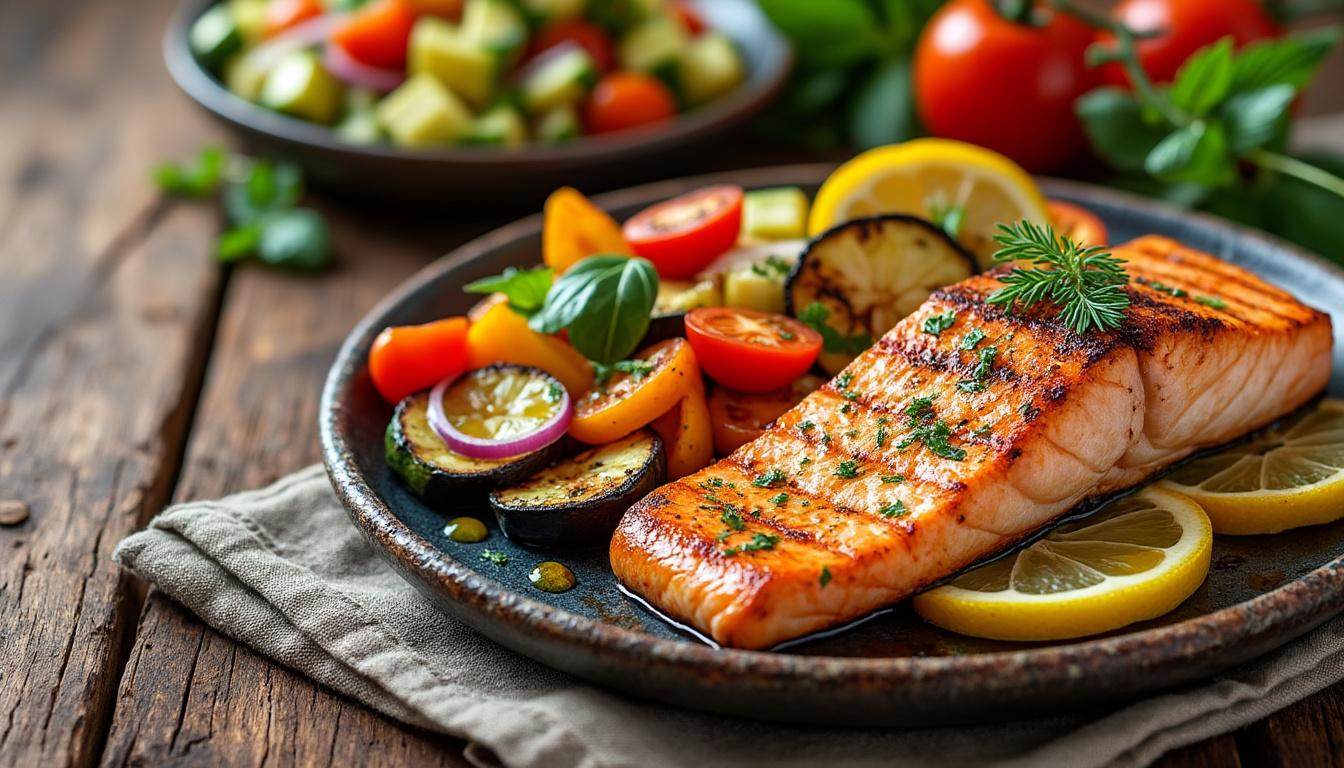
One practical approach involves utilizing sheet-pan recipes, which simplify cleanup while roasting protein and vegetables together. The versatility of dishes like Sheet-Pan Balsamic Chicken & Asparagus or Sheet-Pan Salmon & Shaved Brussels Sprouts demonstrates how one-pan meals can be flavorful, balanced, and nutrition-focused. Both dishes leverage lean proteins and fiber-rich vegetables, paired with tangy glazes or lemon-roasted garlic drizzles to elevate taste.
Another useful technique is leveraging precooked or leftover proteins in recipes such as the Chicken & Sweet Potato Wrap or Chickpea-Tuna Salad Lettuce Wraps. These options reduce cooking time and maximize nutrient retention. Incorporating fresh herbs and spices, like basil in the chicken, cabbage and white bean soup, enhances flavor without added sodium, which is crucial in heart-healthy eating.
Batch cooking and freezing components such as lentil soups or quinoa chickpea bowls also provide ready-to-eat options that maintain protein requirements and freshness. This strategy supports sustained healthy eating during busy workweeks or social schedules, making it an adaptable solution for wellness on the go.
For those eager to expand their culinary repertoire with minimal kitchen time, references like Clean Plates offer curated lists of high-protein Mediterranean recipes that fit modern lifestyles without compromising heart-healthy principles.
Essential Nutrients in Protein-Packed Mediterranean Dinners and Their Impact on Heart Wellness
Understanding the intricate relationship between essential nutrients in Mediterranean dinners and heart wellness is foundational to adopting a truly effective diet strategy. These meals combine protein with important vitamins, minerals, and antioxidant compounds critical to cardiovascular function and overall vitality.
Proteins in these dinners support muscle repair and maintenance, an increasing priority as people age. Adequate protein intake has been linked to improved bone density and metabolic health, both factors contributing indirectly to heart health by encouraging physical activity and weight management.
Fiber from legumes, whole grains, and vegetables works alongside protein to improve lipid profiles by reducing LDL cholesterol and aiding blood sugar stability. This combination is evident in dishes like the High-Protein Butternut Squash & Lentil Soup and Green Goddess Chickpea Bowl, which pair fiber and protein to create dishes that fuel heart-friendly eating.
Antioxidants derived from colorful veggies such as tomatoes, zucchini, and spinach combat oxidative stress and inflammation, two primary drivers of cardiovascular disease. Their presence in dinners like Balsamic Chicken with Roasted Tomatoes & Zucchini underscores the synergy of Mediterranean ingredients in promoting wellness.
Minerals including potassium, magnesium, and calcium, commonly sourced from leafy greens and legumes, support healthy blood pressure and vascular functions. Consuming a variety of these nutrient-rich foods is a hallmark of the Mediterranean diet’s success.
Such intricate nutrient interplay has been supported by numerous studies into the Mediterranean diet, showing lower rates of heart disease and improved longevity. This balance is part of why experts recommend such meals, available through portfolios like Recipes for Healthy Eating, where nutrient density meets delicious innovation.
What makes Mediterranean dinners especially beneficial for heart health?
Mediterranean dinners are rich in lean protein, heart-healthy fats like olive oil, and nutrient-dense vegetables. This combination supports reduced inflammation, improved cholesterol levels, and healthy blood pressure, which are all critical for maintaining cardiovascular wellness.
Are plant-based proteins as effective as animal proteins in Mediterranean diets?
Yes, plant-based proteins from sources like chickpeas, lentils, and quinoa provide essential amino acids, fiber, and antioxidants. They complement animal proteins and are vital in maintaining heart health and satiety in Mediterranean diet meals.
How can I prepare protein-packed Mediterranean dinners quickly?
Strategies include using sheet-pan recipes where proteins and vegetables cook simultaneously, incorporating precooked ingredients like rotisserie chicken, and batch cooking soups or grain bowls. Using fresh herbs and spices can enhance flavor without added salt, maintaining heart-healthy eating standards.
What role do healthy fats play alongside protein in these dinners?
Healthy fats, such as those from olive oil, avocado, and nuts, aid in nutrient absorption and provide anti-inflammatory benefits. They work in tandem with protein to promote fullness and cardiovascular health while adding richness to meals.
Where can I find trustworthy recipes for protein-packed Mediterranean dinners?
Reliable sources such as EatingWell and Lean Bites Daily offer expertly curated recipes emphasizing protein-rich, nutrient-dense meals aligned with heart-healthy Mediterranean principles.