


Postbiotics are the next big wave in gut health, offering many of the same benefits as their famous cousins, the probiotics, but with some unique advantages. These beneficial compounds are the byproducts left behind when good bacteria in your gut feast on prebiotics (fiber). Think of them as the ‘gold’ the miners (probiotics) leave behind! This article breaks down what they are, the exciting health perks they offer, and how you can easily get more of them into your daily routine. From boosting your immune system to improving digestion, postbiotics are a simple yet powerful tool for enhancing your well-being.
In Brief: Get ready to meet the new star of the gut health world! Postbiotics are beneficial compounds produced by probiotics. Unlike live bacteria, they are inanimate, making them more stable and often safer, especially for those with compromised immune systems. You can boost your body’s own production by eating fiber-rich prebiotic foods like garlic and oats, and fermented foods like yogurt and kimchi. Early research points to powerful benefits for your immune and digestive systems, with supplements offering a more concentrated dose if needed.
Beyond Probiotics: The Next Frontier in Gut Health Has Arrived!
You’ve heard of probiotics, the friendly live bacteria, and prebiotics, their food. Now, get ready for the next evolution in microbiome wellness: postbiotics. So, what are postbiotics, exactly? The International Scientific Association of Probiotics and Prebiotics (ISAPP) defines them as a “preparation of inanimate microorganisms and/or their components that confers a health benefit.” In simpler terms, they are the valuable ‘waste’ products created after probiotics digest prebiotics. These byproducts include nutrients like B vitamins, amino acids, and powerful short-chain fatty acids.
Because they aren’t alive, they don’t need to survive the harsh journey through your stomach, making them incredibly stable. Think of it like a vaccine—many vaccines use inanimate viruses to train your immune system, and postbiotics work similarly by interacting with your body to provide benefits without the risks of live organisms. This exciting field is booming, with the global market for postbiotic supplements expected to nearly triple by 2034! 📈

Unlocking a Treasure Trove of Health Perks
While research is still blossoming, the evidence so far is incredibly promising, particularly for two key areas: immune function and digestive health. Postbiotics have been shown to help mature the immune system and strengthen the intestinal barrier, which acts like a gatekeeper to prevent harmful germs from entering your bloodstream. But the potential benefits don’t stop there. Emerging studies suggest postbiotics may also help with:
- Relief from allergy symptoms 🤧
- Better metabolism of blood sugar
- Reduced inflammation linked to bowel conditions
- Improved heart health ❤️
Mary-Anne, a 74-year-old from Florida, shared her experience: “My doctor suggested I try incorporating more fermented foods for my digestion. After a month of daily kefir and sourdough toast, I felt a world of difference. It’s like my whole system just runs smoother now.” This highlights the rise of postbiotics and why they matter for everyday wellness.

Your Kitchen-Friendly Guide to Boosting Postbiotics
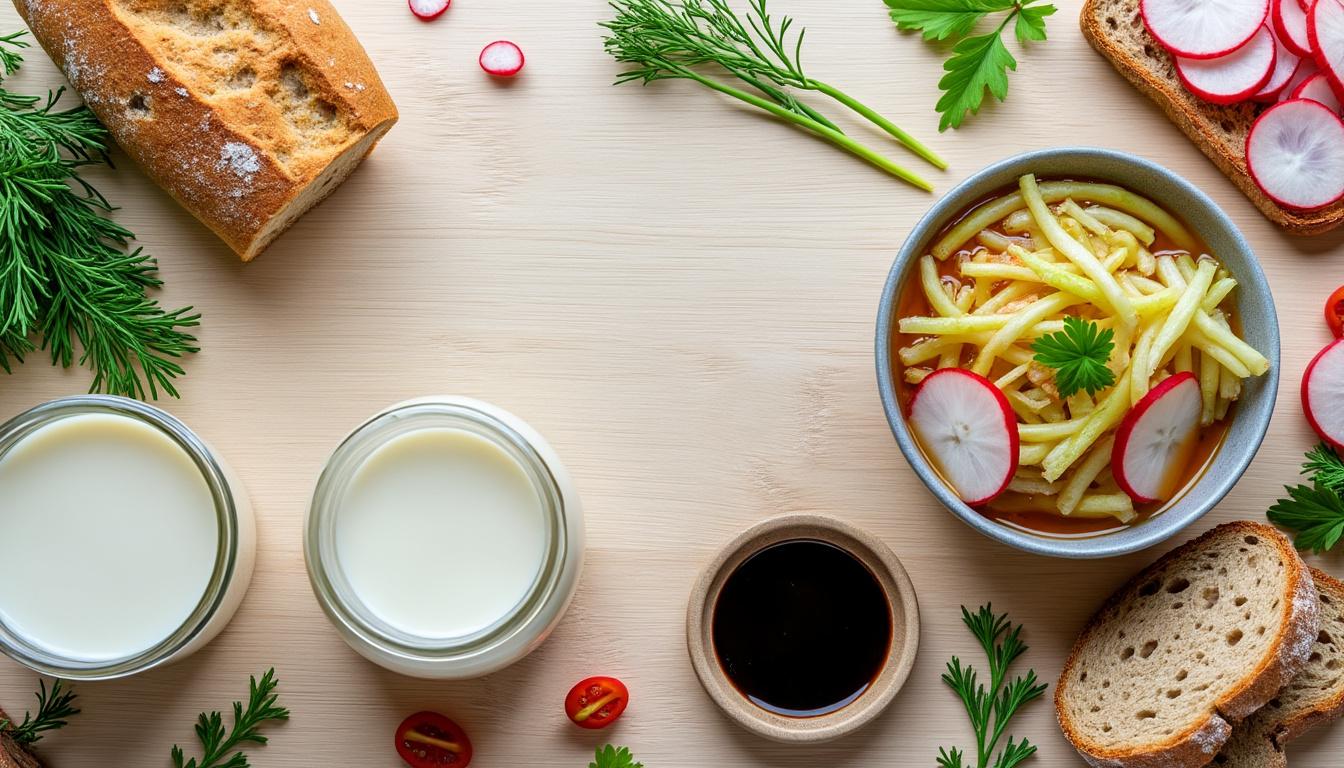
Ready to get more of these amazing compounds? The great news is you can start right in your own kitchen. You can naturally increase your body’s postbiotic levels by focusing on two types of foods. First, feed your existing gut microbes with prebiotic-rich foods. These are high-fiber foods that your good bacteria love to eat. The more they eat, the more postbiotics they produce! Second, directly consume foods that are rich in postbiotics themselves, namely fermented foods.
This “food first” approach is a fantastic way to support your overall gut ecosystem. By nurturing your internal microbiome, you create a self-sustaining factory of health-boosting compounds. To learn more about how they differ from their predecessors, check out this guide on postbiotics: the next big thing after probiotics.
Supercharge Your Diet with These Postbiotic-Boosting Foods
Making a few simple swaps in your diet can significantly ramp up your postbiotic production. It’s all about giving your gut the right fuel. For a deeper dive into the science, you can explore this insightful review of the latest category in functional foods. Here’s a handy table to guide you:
| Biotic Type | What It Is 🤔 | Top Food Sources 🍽️ |
|---|---|---|
| Prebiotics (The Fuel) | Fiber that feeds good bacteria | Onions, Garlic, Oats, Artichokes, Chia Seeds |
| Probiotics (The Factory) | Live beneficial bacteria | Yogurt, Kefir, Tempeh, Sauerkraut, Kimchi |
| Postbiotics (The Product) | Beneficial compounds from dead microbes | Found in fermented foods and produced in your gut |

The Supplement Aisle: Are Postbiotic Pills Worth It?
While a balanced diet is always the best starting point, postbiotic supplements can be a convenient and effective option, especially for those with specific health goals or digestive sensitivities. They offer a concentrated, reliable dose of these beneficial compounds. According to some health experts, postbiotics are important for gut health, and supplements can be a helpful tool.
However, it’s crucial to be a savvy shopper. The FDA does not regulate supplements, so look for products from reputable companies that have been independently verified. A quality supplement should be backed by clinical research that supports its health claims. Before starting any new supplement, it’s always a great idea to chat with your healthcare provider or a registered dietitian to see if it’s the right choice for your individual needs and budget.
Are postbiotics safer than probiotics?
Generally, yes. Because postbiotics are inanimate (not alive), they don’t carry the risk of infection, making them a safer option for individuals who are immunocompromised, elderly, or critically ill. They also have a longer shelf life and are more stable.
Can I get enough postbiotics from food alone?
For many people with a balanced diet rich in fiber and fermented foods, food sources can be sufficient to support a healthy gut. However, if you have specific health concerns, digestive issues, or a diet lacking in these foods, a supplement can provide a more targeted and concentrated dose.
How are postbiotics different from prebiotics?
Think of it this way: Prebiotics are the ‘food’ (like fiber from onions and bananas), Probiotics are the ‘factories’ (the live bacteria in your gut), and Postbiotics are the finished ‘product’ (the beneficial compounds like short-chain fatty acids that the bacteria produce).
How long does it take to notice the benefits of postbiotics?
The timeframe can vary greatly from person to person, depending on their diet, lifestyle, and overall health. Some people may notice improvements in digestion within a few days or weeks, while for others, benefits like enhanced immune function might be more subtle and take longer to become apparent.
The illustration photo in this article was generated by an artificial intelligence model. Fictional testimonials may have been included for illustrative purposes.