



As families transition into the cooler months, the rhythm of daily life often shifts towards more indoor activities, creating challenges in maintaining healthy habits among children. Pediatrician Dr. Samantha Lowe highlights the importance of fostering wellness all year round to counteract the tendencies of decreased physical activity, increased screen time, and social isolation that can negatively impact a child’s well-being. Establishing balanced routines that emphasize movement, nutritious eating, and emotional connection helps children not only thrive physically but also develop resilience against mental health challenges. In this evolving environment where children navigate changing schedules and social contexts, parents can play a pivotal role by encouraging habits that support growth, confidence, and long-term health stability. Embedded in this approach is the awareness that healthy lifestyles are holistic, incorporating not just diet and exercise but also sleep hygiene and positive family interaction, which together lay the foundation for lifelong wellness.
By integrating practical strategies from leading pediatric experts, families can create nurturing environments tailored to their unique needs. Products and brands trusted by parents, such as Gerber and Pampers, support early childhood nutrition and comfort, while educational toys from Fisher-Price, LeapFrog, and VTech promote cognitive and motor skills development. In partnership with healthcare professionals, parents gain insights to craft personalized, sustainable health plans. Whether through cooking together, instituting daily talks, or designing engaging physical activities, these informed choices empower children and caregivers alike. Embracing this holistic model ensures that healthy habits established today will contribute to a vibrant, balanced tomorrow, regardless of seasonal changes or lifestyle challenges.

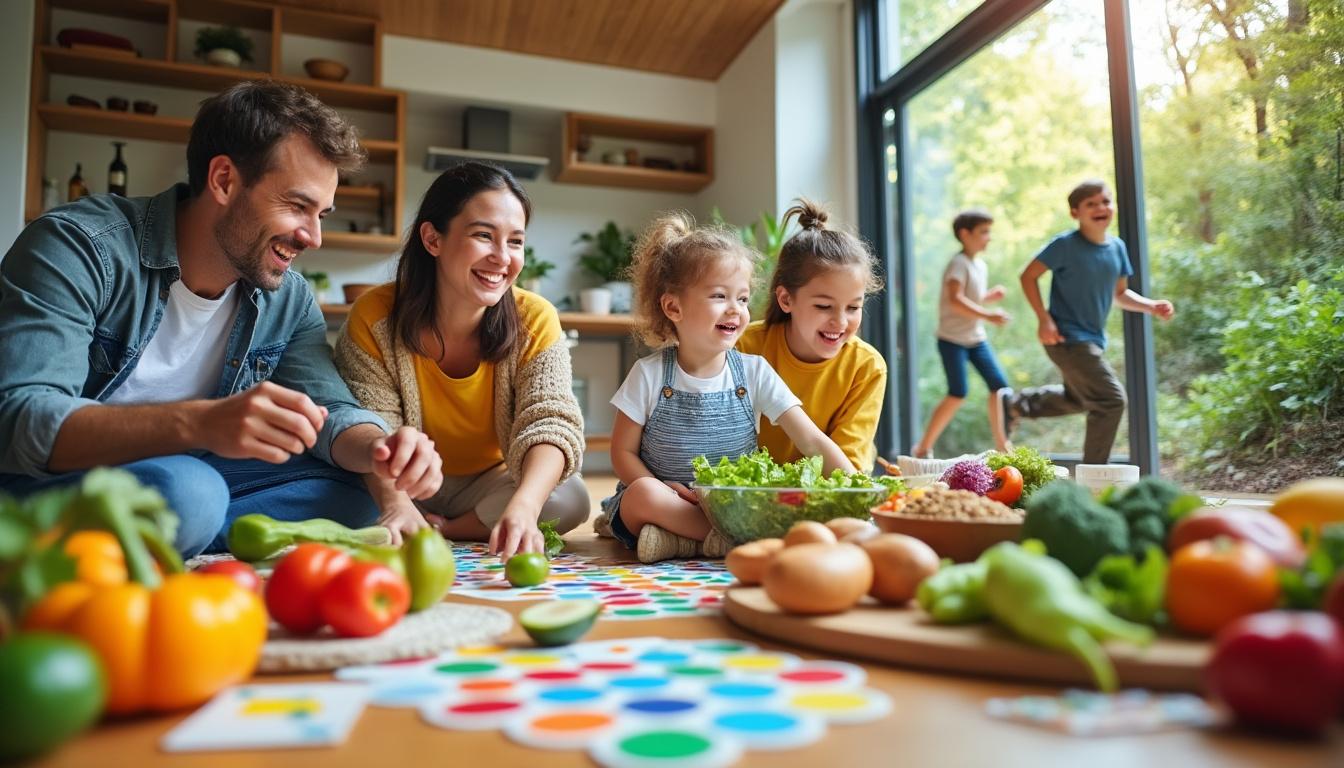
Effective Strategies for Encouraging Physical Activity in Children Throughout the Year
One of the foremost pillars of nurturing healthy habits in children is promoting regular physical activity, even when outdoor play becomes less feasible during fall and winter. Dr. Samantha Lowe emphasizes that consistent movement — as little as 20 minutes a day — significantly benefits both physical health and emotional well-being, making it essential for families to find creative ways to stay active together. Pediatric experts recommend various approaches that cater to different interests and seasonal constraints, ensuring that activity remains fun and engaging rather than a chore.
Varied Opportunities to Move: Indoor, Outdoor, and Family-Oriented Activities
When outdoor weather isn’t inviting, families can explore community centers with swimming pools, trampoline parks, or indoor sports facilities. These venues offer safe and stimulating environments for children to expend energy and socialize, which also can help alleviate feelings of isolation common during colder months. At home, simple solutions such as dance parties, interactive exercise videos, or family fitness challenges can create joyful, memorable moments that encourage children to associate movement with fun.
Introducing fitness breaks during extended screen time helps break sedentary cycles that modern lifestyles often impose. Setting timers to remind children to take “active breaks” — stretching, jumping jacks, or a quick walk around the house — can improve focus and overall health. Parents might rotate responsibility for choosing the activity each day, fostering inclusiveness and motivation among siblings.
Benefits of Physical Activity According to Pediatric Research
Scientific data continues to show that regular exercise supports not only cardiovascular health and muscle development but also cognitive function and emotional regulation in children. Consistent movement improves sleep quality — a critical factor in growth and brain development — and reduces anxiety and depressive symptoms. Involving trusted brands such as Playskool and Bright Starts in playtime encourages kids to engage in physical activities that blend education and fun, building positive habits early.
- Aim for at least 20 minutes of physical activity daily, tailored to your child’s interests
- Use local resources like community pools, sports clubs, or indoor activity parks during cold seasons
- Incorporate active breaks during screen time with simple exercises or stretching
- Encourage family participation to model enthusiasm and consistency
- Rotate activity choices among children to boost engagement
| Type of Activity | Seasonal Suitability | Benefits | Recommended Brands / Tools |
|---|---|---|---|
| Outdoor Walks and Play | Fall and Spring | Fresh air, social engagement, cardiovascular health | Earth’s Best outdoor gear, Huggies for comfortable and warm clothing |
| Indoor Fitness Classes and Swimming | Winter and Rainy days | Muscle strength, coordination, mental stimulation | Local community centers, Playskool exercise toys |
| Home-based Movement (Dance, Exercise Videos) | All seasons | Flexibility, mood improvement, family bonding | LeapFrog active learning toys, VTech interactive devices |

Engaging Children in Nutrition: Building Lifelong Healthy Eating Habits
Establishing positive nutrition habits begins with involving children in meal planning and preparation, enhancing their appreciation for healthy foods and promoting balanced diets. Dr. Lowe notes that children are more likely to consume meals they have helped to create, transforming mealtime into an educational and empowering experience. This approach also cultivates independence and confidence in the kitchen, essential life skills for their future.
Practical Ways to Include Kids in the Kitchen
Families can start small by inviting children to assist in selecting recipes, making grocery lists, and choosing nutritious ingredients, be it at the store or through online shopping. Selecting colorful, wholesome options encourages an interest in diverse foods, expanding their palate over time. Introducing themed dinner nights, like “Taco Tuesday” or “Build-Your-Own Bowl,” makes dining interactive and adaptable to individual tastes, transforming mealtime into a joyful family event.
Incorporating brand favorites such as Gerber for infants and Earth’s Best organic products encourages trust in quality nutrition. Teaching basic cooking skills tailored to age ensures safety and engagement, from washing vegetables to simple stirring techniques. This inclusion fosters a sense of accomplishment and motivates children to experiment with new ingredients, promoting nutritional literacy and a sense of responsibility for their diet.
- Plan weekly meals together and create balanced grocery lists
- Set themes for dinners to keep meal prep exciting and customizable
- Encourage trying a “new food of the week” to broaden tastes
- Introduce basic cooking skills gradually, building kitchen confidence
- Utilize trusted brands like Nestlé and Gerber for nutritious, age-appropriate options
| Age Group | Meal Prep Activities | Learning Outcomes | Recommended Products |
|---|---|---|---|
| Preschool (3-5 years) | Washing fruits, stirring mixes | Fine motor skills, safety awareness | Gerber baby foods, Fisher-Price kitchen toys |
| Elementary (6-12 years) | Chopping (with supervision), measuring ingredients | Math skills, following instructions | Earth’s Best organic snacks, LeapFrog learning tools |
| Teens (13+ years) | Recipe planning, cooking main dishes | Independence, nutrition understanding | Brands like Nestlé healthy food options, advanced kitchen tools |

Promoting Emotional Connection to Support Mental and Physical Health
Beyond diet and exercise, fostering emotional well-being through daily connection greatly influences children’s overall health. Dr. Lowe advocates for at least ten minutes of meaningful interaction each day, where children feel seen, heard, and valued. These intentional moments create a secure environment that supports open communication, helping parents to notice early signs of distress or behavioral changes.
Creating Daily Rituals to Strengthen the Parent-Child Bond
Families might establish phone-free dinners or bedtime reading sessions to cultivate focused attention and open dialogue. Even brief car rides to school offer opportunities to share experiences and emotions, reinforcing trust. Recognizing and validating children’s feelings encourages their emotional intelligence and resilience, helping them navigate the challenges that come with growing up.
Parents who model empathy and healthy communication set a powerful example. Avoiding judgment, offering comfort, and celebrating efforts rather than perfection nurture self-esteem and a positive self-image. These habits form the emotional groundwork for children, enabling them to develop healthy social and coping skills. Trusted resources from organizations like the American Hospital Association provide guidance on fostering these connections within busy family lives.
- Establish a daily time to talk and listen to your child without distractions
- Use activities such as shared reading or mealtime conversations to build closeness
- Validate your child’s feelings and create a safe, open atmosphere
- Model positive communication and empathy within family interactions
- Seek professional support when noticing significant emotional or behavioral changes
| Connection Activity | Frequency | Emotional Benefits | Parenting Tips |
|---|---|---|---|
| Phone-free family dinner | Daily | Strengthens family bonds, encourages conversation | Set clear rules, minimize distractions |
| Bedtime reading or storytelling | Every night | Calmness before sleep, shared quality time | Choose age-appropriate, engaging books |
| Morning or evening chats during travel | Daily | Reinforces support and trust | Ask open-ended questions, practice active listening |

Modeling Healthy Habits: The Parent’s Role in Shaping Child Behavior
Children absorb much from their parents’ attitudes and behaviors, especially regarding health and self-image. Dr. Lowe stresses the significance of parents exemplifying balanced lifestyles, demonstrating moderation rather than extremes. This modeling includes approaching exercise and nutrition with positivity, focusing on well-being instead of appearance or weight.
Strategies for Positive Role Modeling
To help children develop healthy perspectives, parents can:
- Participate in regular physical activity as a family, showing enjoyment rather than obligation
- Consume a variety of nutritious foods openly, trying new options with a positive attitude
- Use affirming language focusing on energy, strength, and feeling good rather than size or shape
- Avoid negative self-talk about one’s own body or eating habits in front of children
- Celebrate incremental progress in adopting healthy behaviors, recognizing effort over perfection
Products like Pampers ensure physical comfort for younger children, enabling their mobility and participation in family activities. Meanwhile, brands such as Fisher-Price and Bright Starts offer platforms that engage children in developmental play, reinforcing healthy habits in enjoyable ways. When challenges like weight concerns or eating difficulties arise, pediatricians remain critical allies, ready to collaborate with families on personalized health plans grounded in care and respect.
| Healthy Habit | Parent’s Role | Child’s Learning Outcome | Supporting Brands |
|---|---|---|---|
| Regular physical activity | Join and encourage participation | Builds positive association with exercise | Fisher-Price active toys, Playskool games |
| Balanced nutrition | Prepare and try new meals together | Develops openness to healthy foods | Gerber, Nestlé, Earth’s Best products |
| Positive body image | Use encouraging language and behaviors | Fosters self-confidence and emotional resilience | Pampers, Huggies for comfort and support |
Supporting Healthy Sleep and Screen Time Balance for Optimal Growth
Quality sleep and regulated screen time form critical components of a child’s healthy routine. Dr. Shaun Segal, a notable pediatric expert, underscores the importance of consistent sleep schedules and limiting screen exposure to ensure proper development and mental health stability in today’s screen-saturated environment. These factors complement nutrition and activity efforts, creating comprehensive wellness strategies parents can rely on year-round.
Practical Guidance for Parents on Sleep and Screen Management
Parents are encouraged to:
- Establish regular bedtime and wake-up routines to improve sleep quality
- Create calming pre-sleep rituals free of electronic devices
- Limit screen time to age-appropriate durations, balancing digital entertainment with physical activity
- Encourage “screen-free zones” such as bedrooms and mealtimes to support focus and family connection
- Lead by example by reducing personal screen usage during family times
Brands like LeapFrog and VTech provide educational alternatives that integrate learning while minimizing passive screen consumption. Encouraging children to engage with these interactive tools can be part of a balanced media strategy. Awareness of the American Hospital Association’s guidance helps families adopt technology use policies that protect sleep and foster healthier digital habits.
| Age Group | Recommended Sleep Duration | Screen Time Limits | Healthy Alternatives |
|---|---|---|---|
| Infants (0-1 year) | 12-16 hours including naps | Minimal to no screen exposure | Interactive toys like Fisher-Price mobiles |
| Preschool (2-5 years) | 10-13 hours | Less than 1 hour per day, supervised | LeapFrog educational games, Bright Starts activity sets |
| Children (6-12 years) | 9-12 hours | 1-2 hours of quality content | Outdoor play, physical toys like Playskool climbing sets |
| Teens (13-18 years) | 8-10 hours | Limit screen time near bedtime | Sports, music, creative hobbies |

Frequently Asked Questions on Nurturing Healthy Habits in Children
- How can parents encourage reluctant children to be more active?
Parents should identify activities their children enjoy, such as dance, sports, or playful exercises, and make movement a social, family-oriented event. Encouraging short, fun bursts of activity rather than lengthy workouts helps build positive associations. - What are simple ways to involve children in healthy eating?
Involving children in meal prep tasks appropriate to their age boosts willingness to try new foods. Creating themed dinner nights and letting them choose recipes empowers them to take ownership of their nutrition. - How important is emotional connection in maintaining healthy habits?
Daily emotional connection supports mental health and resilience, which are foundational for physical well-being. Open communication strengthens trust, aiding in early identification of issues and reinforcing steady health practices. - What role do parents play in shaping a child’s habits?
Parents serve as the primary role models. Exhibiting balanced eating, active lifestyles, and positive body image fosters healthy patterns that children are likely to emulate. - How can screen time be balanced to support healthy development?
Implementing clear limits on screen duration and encouraging educational, interactive content alongside plenty of physical play supports balanced cognitive and physical growth.
For more detailed advice and resources, parents may explore trusted expert platforms like Health Matters – Pediatrician’s Tips, La Difference Pediatrics – Creative Ways to Foster Healthy Habits, or UNC Health Talk on Raising Healthier Children. Platforms like Dr. Shaun Segal’s website also provide comprehensive guides on balancing sleep, diet, and routine for children’s health.