



Maintaining heart-healthy habits transcends the well-recognized benefits confined solely to cardiovascular health. Recent groundbreaking research from Emory University consolidates findings from nearly 500 peer-reviewed studies, drawing a vivid picture of how such habits profoundly enhance overall wellness from the brain to the toes. This expansive overview makes it clear that embracing a heart-friendly lifestyle not only fortifies the heart but ignites a cascade of positive effects on multiple organ systems, biological aging, and psychological well-being. In an era where wellness products and health tracking technologies proliferate, this fresh evidence underscores the necessity of integrating nutrition, fitness, and healthy living practices into daily routines for holistic wellness. As lifestyle brands continue to innovate, their alignment with scientific insights like these can revolutionize personal health strategies and public health initiatives.
The study’s findings reveal that cultivating heart-healthy habits — encompassing non-smoking, balanced nutrition, physical activity, sleep, and effective management of blood pressure, cholesterol, and blood sugar — play a pivotal role far beyond the heart’s function. From enhancing cognitive clarity and preserving sensory abilities such as vision and hearing to reducing the incidence of chronic diseases including cancer, dementia, and type 2 diabetes, these habits shape a healthier life trajectory. The incorporation of sleep, now recognized as essential within the American Heart Association’s Life’s Essential 8, further amplifies these benefits. This broad spectrum of advantages highlights that cardiovascular health serves as a foundational pillar for a resilient, robust body and mind, setting the stage for longevity and enriched quality of life.
As 2025 advances, this synthesis of research emerges as a catalyst prompting both individuals and healthcare professionals to reassess the role of heart-healthy behaviors in agendas of wellness and preventative medicine. The evidence invites a shift towards embracing lifestyle modifications not as isolated interventions but as comprehensive, dynamic components of holistic health strategies. Within this context, the commitment to fostering heart-healthy habits aligns seamlessly with the rising global focus on integrated health management and sustainable living models.
How Heart-Healthy Habits Enhance Brain Function and Cognitive Wellness
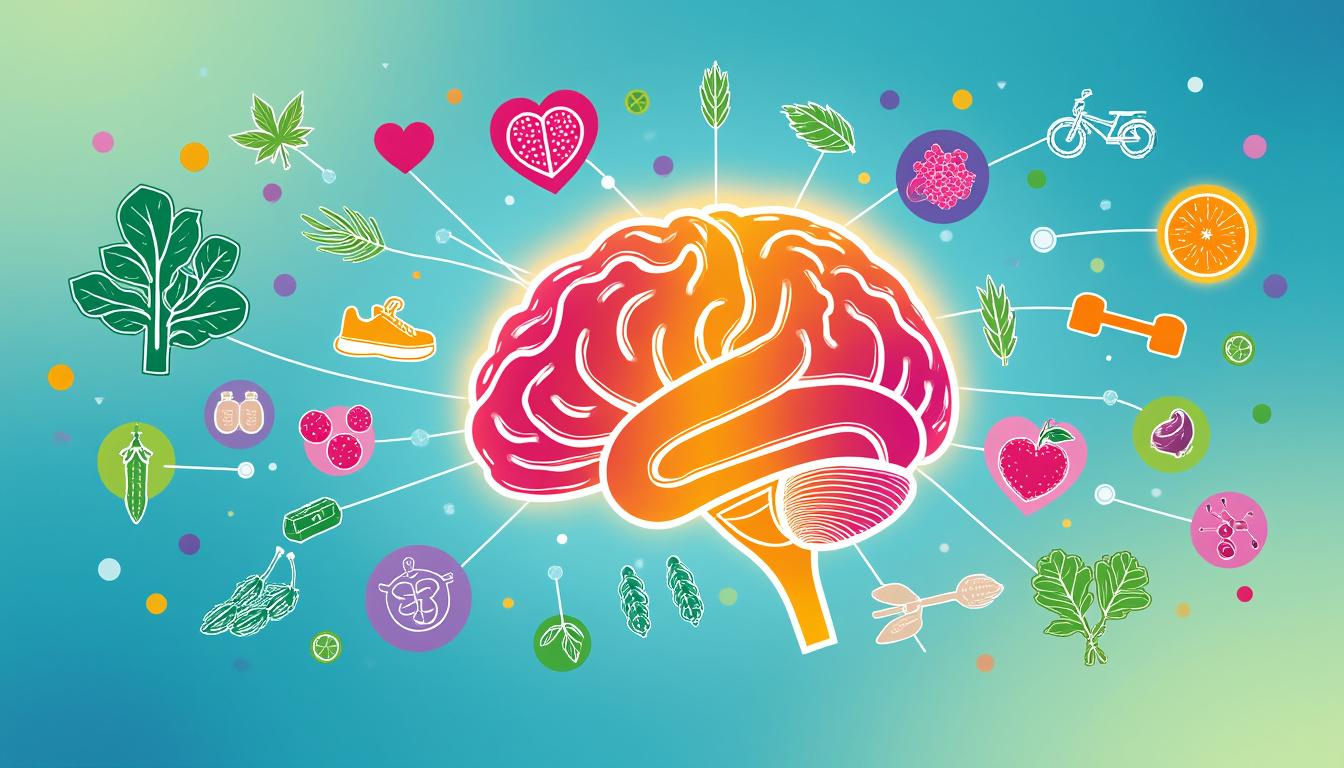
The neurological benefits of maintaining cardiovascular health are now more compelling than ever. Emory University’s comprehensive review highlights a significant correlation between heart-healthy lifestyle factors and improved brain function, directly challenging earlier compartmentalized views that relegated heart and brain health to separate domains. These habits support neurovascular integrity, which is crucial for optimized blood flow and nutrient delivery to the brain, thereby preserving cognitive faculties and potentially delaying the onset of neurodegenerative diseases like Alzheimer’s and dementia.
Key heart-healthy practices that bolster brain health include:
- Regular physical activity: Aerobic exercises such as brisk walking or swimming stimulate neurogenesis and enhance synaptic plasticity.
- Balanced nutrition: Diets rich in antioxidants, omega-3 fatty acids, and whole grains reduce oxidative stress and inflammation, nurturing brain cells.
- Sleep quality: Adequate sleep facilitates memory consolidation and cognitive restoration by clearing neurotoxins.
- Stress management: Lower cortisol levels associated with heart-healthy habits reduce harmful impacts on hippocampal volume.
These components align with recommendations from leading institutions, such as Harvard’s School of Public Health, which emphasizes the brain and cardiovascular connection and advocates for heart-friendly dietary patterns as a pathway to sustaining cognitive fitness (Harvard Healthy Diet Link). Furthermore, integrating consistent physical activity into daily routines not only preserves heart function but supports mental agility and resilience.
| Heart-Healthy Habit | Impact on Brain Health | Examples |
|---|---|---|
| Regular Exercise | Increases cerebral blood flow, enhances neurogenesis | Swimming, Cycling, Brisk Walking |
| Healthy Nutrition | Reduces oxidative stress and inflammation | Mediterranean Diet, Plant-Based Foods |
| Quality Sleep | Supports memory consolidation and brain detoxification | 7-9 hours/night, Sleep hygiene practices |
| Stress Reduction | Visits cortisol levels, protects hippocampus | Meditation, Yoga, Deep Breathing |
Integrating heart-healthy habits into one’s lifestyle can therefore cultivate a sharper mind, improve emotional resilience, and decrease risks of cognitive decline. This integrated approach lays the groundwork for long-term brain wellness, a topic increasingly spotlighted across lifestyle brands and wellness products dedicated to holistic mind-body health.

Preserving Sensory Health through Cardiovascular Wellness: Vision, Hearing, and Dental Care
Heart-healthy habits also exert profound protective effects on sensory organs. The Emory University study reveals that individuals adhering to optimal cardiovascular health maintain better vision, hearing, and dental integrity as they age. These outcomes reflect the systemic nature of cardiovascular health, as efficient blood flow and reduced inflammation stave off degenerative processes that commonly afflict sensory organs.
Key factors influencing sensory health through cardiovascular wellness include:
- Maintaining healthy blood pressure: Hypertension can accelerate vision loss through damage to retinal vessels and increase the risk of hearing impairment due to cochlear artery compromise.
- Balanced diet rich in vitamins A, C, and E: Antioxidants help shield ocular tissues and preserve dental health by mitigating oxidative damage.
- Regular physical activity: Enhances microcirculation in sensory organs, promoting function and preventing age-associated decline.
- Smoking cessation: Eliminates toxins that deteriorate sensory structures and impairs oral health.
Visual and auditory health significantly contribute to quality of life, influencing communication, independence, and psychological well-being. Maintaining oral health is similarly essential, as emerging research links periodontal disease with systemic inflammation and cardiovascular risks.
| Heart-Healthy Habit | Benefit to Sensory Health | Supporting Examples |
|---|---|---|
| Blood Pressure Control | Prevents retinal vessel damage and hearing loss | Regular monitoring, medication adherence |
| Antioxidant-Rich Nutrition | Protects eye tissues, supports oral health | Leafy greens, Citrus fruits, Nuts |
| Smoking Avoidance | Reduces sensory organ toxins and inflammation | Smoking cessation programs, Nicotine replacement therapy |
| Physical Activity | Improves organ microcirculation | Yoga, Aerobic Exercise |
The intricate link between cardiovascular health and sensory function underscores the value of embracing holistic wellness approaches that encompass not only fitness and nutrition but also sensory care and preventive measures. Lifestyle brands and wellness products increasingly cater to these interconnected needs, offering tools that facilitate comprehensive health management (Heart-Healthy Metrics Study).

Reduced Risk of Chronic Diseases through Sustained Cardiovascular Fitness
One of the most compelling revelations from the Emory study is the wide-ranging effect of heart-healthy behaviors in mitigating multiple chronic diseases beyond cardiovascular conditions. Individuals who consistently follow the Life’s Simple 7 or Life’s Essential 8 metrics exhibit significantly lower incidence rates of cancer, type 2 diabetes, chronic obstructive pulmonary disease (COPD), fatty liver disease, depression, and kidney diseases.
This broad chronic disease reduction can be attributed to several physiological mechanisms tied to lifestyle factors, particularly:
- Improved metabolic regulation: Through balanced nutrition and physical activity, blood sugar and cholesterol levels stabilize.
- Reduced systemic inflammation: Heart-healthy diets rich in anti-inflammatory foods curb chronic inflammation pathways.
- Stress hormone moderation: Lifestyle habits reduce cortisol, which otherwise exacerbates chronic disease progression.
- Weight management: Maintaining a healthy body weight eases strain on vital organs and enhances immune function.
The interplay of these factors creates synergy that collectively lowers disease burden, medical expenditures, and healthcare utilization, as reflected in recent economic analyses. This intersection of cardiovascular fitness with chronic disease prevention highlights the essential role that lifestyle interventions play in modern healthcare. Incorporating such insights can benefit policy designs, clinical guidelines, and consumer health education, emphasizing the importance of preventive care anchored in heart-healthy strategies (Medical News – Heart Healthy Habits).
| Heart-Healthy Behavior | Chronic Disease Reduced | Mechanism |
|---|---|---|
| Regular Exercise | Type 2 Diabetes, COPD | Enhances insulin sensitivity, strengthens lungs |
| Healthy Nutrition | Cancer, Fatty Liver Disease | Antioxidant intake, reduces liver fat accumulation |
| Stress Management | Depression, Kidney Disease | Lowers cortisol, prevents organ damage |
| Weight Control | Metabolic Syndrome, Cardiovascular Disease | Reduces organ strain, improves lipid profiles |

Impact of Heart-Healthy Living on Psychological Well-Being and Stress Reduction
Beyond physical health, heart-healthy habits robustly enhance mental and emotional wellness. Individuals practicing these habits often report elevated quality of life, reduced incidence of depression, and lower stress levels. Central to these benefits is the modulation of biochemical mediators like cortisol, the body’s primary stress hormone, which when chronically elevated, impairs immune responses and accelerates biological aging.
Participation in regular fitness activities not only strengthens the heart but also stimulates the release of endorphins and serotonin, neurotransmitters that elevate mood and combat anxiety. Complementary nutrition bolsters this effect by providing essential nutrients that support neurotransmission and brain function. Proper sleep, recognized in the updated Life’s Essential 8, replenishes mental energy and promotes emotional stability.
Specific heart-healthy habits contributing to psychological well-being include:
- Consistent physical activity: Enhances mood and reduces anxiety symptoms.
- Balanced diet rich in complex carbohydrates and omega-3s: Provides neurochemical building blocks for mood regulation.
- Effective sleep hygiene: Mitigates stress impact and fosters emotional resilience.
- Mindfulness and relaxation practices: Lower cortisol, improving overall psychological health.
| Habit | Psychological Benefit | Biological Mechanism |
|---|---|---|
| Exercise | Mood elevation, anxiety reduction | Endorphin and serotonin release |
| Healthy Nutrition | Supports neurotransmitter production | Omega-3 fatty acids and vitamins B, D |
| Good Sleep | Emotional regulation, reduced fatigue | Neurotoxin clearance during sleep |
| Stress Management | Reduced cortisol, enhanced resilience | Mindfulness practices and relaxation |
These holistic wellness insights are invaluable for developing comprehensive health plans integrating heart-healthy behaviors. The synergy between cardiovascular health and psychological well-being powers a virtuous cycle enhancing quality of life and longevity (Forward Pathway on Holistic Wellness).

Maximizing Wellness Potential with Lifestyle Brands, Health Tracking, and Nutrition
In the current health-conscious landscape, the role of lifestyle brands, wellness products, and innovative health tracking technologies has never been more pronounced. These tools empower individuals to adopt and sustain heart-healthy habits, bridging the gap between scientific research and everyday practice. Through personalized nutrition plans, fitness trackers monitoring cardiovascular parameters, and wellness products designed to enhance compliance with recommended lifestyle behaviors, an ecosystem supporting sustainable healthy living emerges.
Many brands now harness data-driven insights to curate comprehensive wellness experiences that integrate nutrition, fitness, sleep, and stress management. For example, wearable devices equipped with heart rate monitors enable users to optimize their exercise intensity and track sleep quality, aligning with Life’s Essential 8 recommendations. Nutrition apps provide customized meal suggestions focusing on heart-healthy ingredients, reinforcing the evidence linking diet to cardiometabolic benefits regardless of weight loss (Harvard Diet Benefits).
- Benefits of lifestyle brands and tracking: Increased motivation, real-time feedback, personalized insights.
- Common wellness products supporting heart health: Omega-3 supplements, meal replacement shakes, stress relief aids.
- Nutrition-focused solutions: Heart-healthy meal delivery, grocery shopping guides, cooking classes emphasizing indulgent yet healthy recipes (Indulgent Healthy Recipes).
- Fitness integration: Virtual coaching, group classes, activity challenges improving adherence.
| Category | Example Products/Services | Contribution to Heart-Healthy Lifestyle |
|---|---|---|
| Health Tracking | Wearable fitness trackers, heart rate monitors | Monitors physiological parameters, supports behavior modification |
| Nutrition | Personalized meal plans, supplement kits | Enhances nutrient intake, supports weight and blood sugar control |
| Fitness | Virtual coaching, fitness apps | Encourages consistent physical activity, improves cardiovascular fitness |
| Wellness Products | Stress relief tools, sleep aids | Improves stress management, promotes restorative sleep |
Embracing these resources offers pathways for individuals to cultivate a heart-healthy lifestyle holistically and sustainably. Continuous innovations ensure evolving avenues for wellness enhancement, aided by evidence-based strategies promoted by academic research (PMC Research on Lifestyle and Heart Health).


Frequently Asked Questions about Heart-Healthy Habits and Whole Body Wellness
- Q: How do heart-healthy habits improve overall body wellness?
A: They enhance blood circulation, reduce inflammation, support organ function from brain to muscles, and lower risks of chronic diseases, contributing to holistic wellness. - Q: What are the key components of heart-healthy living?
A: Key components include balanced nutrition, regular exercise, stress management, quality sleep, and avoiding tobacco, together ensuring cardiovascular health and overall vitality. - Q: Can small lifestyle changes make a noticeable difference in heart health?
A: Yes. Even minor improvements like adding daily walks or adjusting diet can significantly impact cardiovascular and overall body wellness over time. - Q: How do wellness products and health tracking support heart-healthy routines?
A: They offer personalized feedback, motivation, and convenience, which facilitate adherence to nutrition, fitness, and sleep goals essential for heart health. - Q: Is sleep really that important in heart health?
A: Absolutely. Sleep is fundamental for heart and brain recovery, hormonal balance, and managing stress, and it is officially recognized as a vital part of heart-healthy habits.