



In Brief:
- Secretary Kennedy has launched the “Making Health Accessible” (MAHA) initiative, a significant federal push to combat diet-related diseases by overhauling food policies.
- The program has two main targets: reforming the Supplemental Nutrition Assistance Program (SNAP) to promote whole foods and banning a list of specific food additives linked to long-term health issues.
- For seniors, this means potential changes to how SNAP benefits are used, with new incentives for purchasing fresh produce and restrictions on ultra-processed items.
- Several common chemical preservatives, artificial colors, and sweeteners found in packaged foods will be phased out, requiring consumers to become more vigilant label-readers.
Unpacking Secretary Kennedy’s “MAHA” Plan for America’s Health
A groundswell of change is quietly reshaping the American food landscape. Spearheaded by Health and Human Services Secretary Kennedy, the “Making Health Accessible” (MAHA) initiative represents a bold federal strategy aimed squarely at the nation’s reliance on processed foods. This is not merely a new set of dietary guidelines; it’s a structural reform targeting two core pillars of the American diet: the food we subsidize and the additives we permit.
For decades, shoppers have navigated a minefield of complex ingredient lists and confusing nutritional claims. The MAHA initiative seeks to simplify this, creating a clearer path to healthier eating. “We can’t just tell people to eat better; we have to create an environment where the healthy choice is the easy choice,” Secretary Kennedy stated during a recent press conference. The plan’s primary focus is on overhauling SNAP benefits to actively encourage the purchase of fruits, vegetables, and lean proteins, while simultaneously restricting specific chemical additives that have long been debated by health experts.

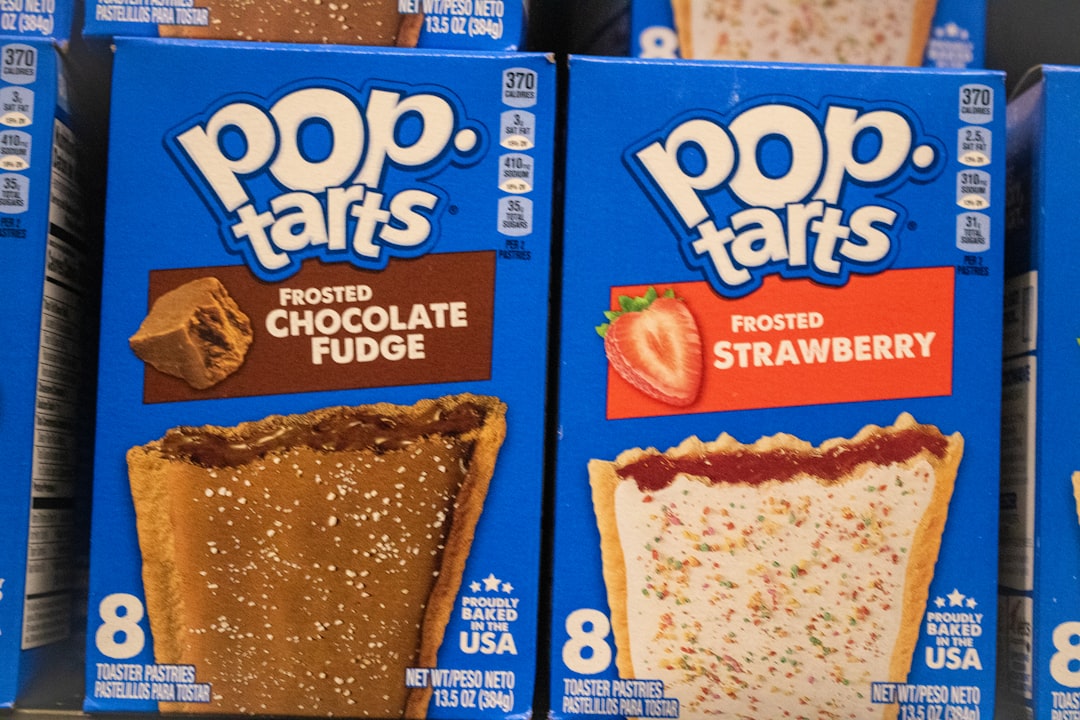
The Two-Pronged Approach of the MAHA Initiative
The first prong of the MAHA war is the ambitious reform of SNAP. The goal is to shift the program from a simple subsidy to an active health promotion tool. This could involve pilot programs offering bonus dollars for purchasing fresh produce or excluding certain ultra-processed products from eligibility. The second, more controversial prong, is the outright ban of several food additives that, while approved for years, are now under intense scrutiny for their links to chronic inflammation, metabolic disorders, and even certain cancers. This dual approach aims to both improve access to healthy food and remove harmful elements from the supply chain. You can read more about what the RFK Jr. fight could mean for seniors and their grocery bills.
Banned Additives: What’s Leaving Grocery Shelves and Why
At the heart of the MAHA initiative is a direct confrontation with the chemical engineering of our food. The administration has published a list of additives to be phased out over the next 18 months, citing mounting evidence of their potential harm. This move follows years of advocacy from public health groups who have pointed to stricter regulations in other parts of the world as a model for consumer protection. The focus is on non-essential chemicals used primarily to enhance color, extend shelf life, or create artificial flavors.
Understanding which ingredients are being targeted is the first step for consumers. Many of these are found in everyday items like bread, breakfast cereals, packaged snacks, and sodas. The long-term goal is to encourage manufacturers to reformulate their products using simpler, more natural ingredients. The truth is that decoding what the EU and US just restricted can be a complex task, but this new initiative aims to simplify it for American shoppers.
Decoding the New Food Labels
To help consumers adapt, new labeling standards will be rolled out. Products that are free of the banned additives and meet certain nutritional criteria may soon feature a “MAHA-Approved” seal. For now, becoming a savvy label-reader is key. Here is a look at some of the additives being targeted:
| Additive Name | Commonly Found In | Associated Health Concern |
|---|---|---|
| Titanium Dioxide | Candies, salad dressings, coffee creamers | Potential DNA damage and inflammation |
| Potassium Bromate | Some breads and baked goods | Classified as a possible human carcinogen |
| Red Dye No. 3 | Packaged fruit cocktails, candies, frostings | Linked to thyroid tumors in animal studies |
| Propylparaben | Pastries, tortillas, food dyes | Potential endocrine disruption |
How SNAP Reforms Will Change Your Grocery Shopping
For the millions of seniors who rely on SNAP, the MAHA initiative will bring the most significant changes in a generation. The core idea is to make the program an engine for better health outcomes, not just a way to purchase calories. While specific details are still being tested in pilot states, the direction is clear: incentivize nutrient-dense foods.
Concerns about affordability and access are valid. Proponents of the reform argue that by increasing the purchasing power for healthy foods, the overall cost to the healthcare system will decrease over time. “I worry if I’ll still be able to afford the few things I enjoy,” says Janet, a 72-year-old retiree from Ohio. “But my doctor says I need to eat better, so maybe this will be the push I need.” This reflects the cautious optimism felt by many who see the potential health benefits but worry about the practical adjustments.


Practical Tips for Maximizing Your Benefits
Adapting to the new system will require some new strategies. Here are a few practical tips for navigating the changes and making the most of your food budget:
- Shop the Perimeter: Most grocery stores place fresh produce, dairy, and meats along the outer walls. Focusing your shopping here is a simple way to avoid the most heavily processed items.
- Embrace Frozen Produce: Frozen fruits and vegetables are just as nutritious as fresh, have a longer shelf life, and are often more affordable. They are a great way to get your nutrients on a budget.
- Read Ingredient Lists, Not Just Nutrition Facts: The new focus is on the *quality* of ingredients. Look for shorter lists with names you recognize.
- Find a Farmers’ Market: Many local farmers’ markets now accept SNAP benefits, offering a direct way to purchase fresh, local food and support your community.
The “MAHA” initiative marks a pivotal moment in American public health policy. It’s a recognition that our food environment is a critical factor in our collective well-being. While the transition may present challenges, the long-term vision is a healthier future, built one grocery cart at a time.
Please note: The illustration photo was generated by AI. Fictional testimonials may have been included to illustrate the article’s points.
When will the MAHA initiative changes take effect?
The changes are planned to be rolled out in phases. The ban on specific food additives will begin within the next 18 months, while reforms to the SNAP program will likely start as pilot programs in select states before a potential national rollout.
Will my favorite foods disappear from the shelves?
Not necessarily. Many food manufacturers are expected to reformulate their products to remove the targeted additives rather than discontinue popular items. You may see new versions of old favorites with cleaner ingredient lists.
How can I find out which products are ‘MAHA-Approved’?
The government plans to launch a public awareness campaign and a website with a database of approved products. Additionally, look for a ‘MAHA-Approved’ seal that will begin appearing on packaging as the program is implemented.
Are these changes only for people on SNAP?
No. While the SNAP reforms are specific to that program, the ban on certain food additives will affect the entire food supply. This means all consumers will see changes in the ingredient lists of many common processed foods.