



Picture Margaret, a resilient sixty-eight-year-old who recently completed a grueling but successful course of targeted immunotherapy. While her medical scans remain beautifully clear, the inevitable hormonal shifts and prolonged sedentary periods during her recovery have left her with an unfamiliar softness around her midsection. For many mature adults, especially those navigating the physical aftermath of intense medical protocols, visceral fat becomes a stubborn and unwelcome companion. The immediate instinct might be to severely restrict caloric intake, but starving a body that has fought so hard to heal is a dangerous physiological misstep. Drastic deprivation slows the metabolic engine, triggers progressive muscle wasting, and elevates stress hormones that actively encourage the body to hoard fat around the vital organs. Instead of engaging in a punishing battle against the dinner plate, slimming the waistline requires a gentle biological negotiation. By focusing on deep nutrient density, prioritizing digestive rest, and employing strategic lifestyle modifications, one can gently reshape the silhouette. This restorative approach honors the cellular need for profound nourishment while naturally coaxing the body to release stored energy, proving that vibrant health and a comfortable waistline can coexist without ever experiencing the hollow ache of an empty stomach.
- Hydration over restriction: Supplying the body with ample water flushes out excess sodium, dramatically reducing the painful bloat associated with cellular fluid retention.
- Strategic nutrient timing: Consuming smaller, fiber-rich meals spaces out energy delivery, which stabilizes blood sugar and prevents the sudden energy crashes that lead to overeating.
- Postural realignment: Maintaining an elongated, upright spine naturally engages the deep core musculature and instantly redistributes physical proportions for a leaner appearance.
- Restorative cellular repair: Securing seven to nine hours of uninterrupted sleep regulates appetite-controlling hormones and minimizes the stress-induced accumulation of visceral fat.
Understanding the physiological reality of abdominal weight retention
The human body is an incredibly adaptive mechanism, constantly calculating energy needs based on environmental stressors. When individuals drastically cut their daily food intake, the thyroid and adrenal systems interpret this sudden deficit as an evolutionary threat. To preserve life, the metabolism instinctively slows down, gripping tightly to deep abdominal fat stores for future emergency fuel. This is particularly true for older adults whose metabolic rates have naturally shifted over the decades. Attempting to force a physical transformation through sheer starvation often results in profound fatigue, immune suppression, and a frustrating rebound effect where the weight returns rapidly once normal eating resumes.
Rather than relying on empty plates, the focus must pivot toward the quality of the raw materials being ingested. Consuming high-volume, low-calorie foods creates a physical sensation of fullness that sends satisfying signals directly to the brain. Vegetables, complex carbohydrates, and lean proteins occupy significant space in the digestive tract while offering a wealth of vitamins essential for cellular repair. It is entirely possible to lose weight naturally by simply exchanging processed, energy-dense snacks for water-rich botanical foods. This gentle substitution process supports the delicate hormonal balance required to unlock fat cells and utilize them for daily energy.

Margaret quickly learned that skipping breakfast only left her famished and prone to making impulsive dietary choices by mid-afternoon. By starting her morning with an easy yogurt parfait—combining protein-rich Greek yogurt, frozen berries, and a modest sprinkle of chia seeds—she stabilized her morning insulin levels. The inclusion of high-fiber chia seeds acts as a gentle sponge in the stomach, absorbing moisture and creating a soothing gel that slows digestion. This simple morning ritual proved essential in her journey toward shedding belly fat without feeling deprived, allowing her to approach her daily activities with sustained, grounded energy.
Hydration and the mechanics of minimizing fluid retention
A surprising portion of what appears to be abdominal fat is often simply trapped fluid. Dehydration forces the tissues to hold onto whatever moisture they can find, resulting in a puffy, swollen midsection. Drinking at least eight glasses of pure water daily provides the circulatory system with the precise liquid volume needed to flush out stagnant toxins and excess sodium. Swapping sugary, carbonated beverages—which trap microscopic air bubbles in the intestines—for still water or herbal infusions can flatten the stomach line almost overnight. Green tea, in particular, offers a comforting warmth while delivering mild, natural compounds that subtly enhance the body’s fat-burning capabilities without overstimulating the nervous system.
Sodium remains the primary culprit behind chronic water retention, deeply hidden within restaurant meals and pre-packaged conveniences. When sodium levels rise, the kidneys retain water to dilute the bloodstream, leading directly to abdominal distension. By preparing meals at home using fresh herbs, garlic, and citrus for flavor, individuals can drastically reduce their salt intake. Furthermore, limiting alcohol consumption is crucial, as alcohol not only provides empty calories but also acts as a potent diuretic that paradoxically triggers rebound fluid retention the following day. Moderation and conscious hydration form the absolute foundation of a leaner, more comfortable torso.
Restructuring your plate for sustained metabolic energy
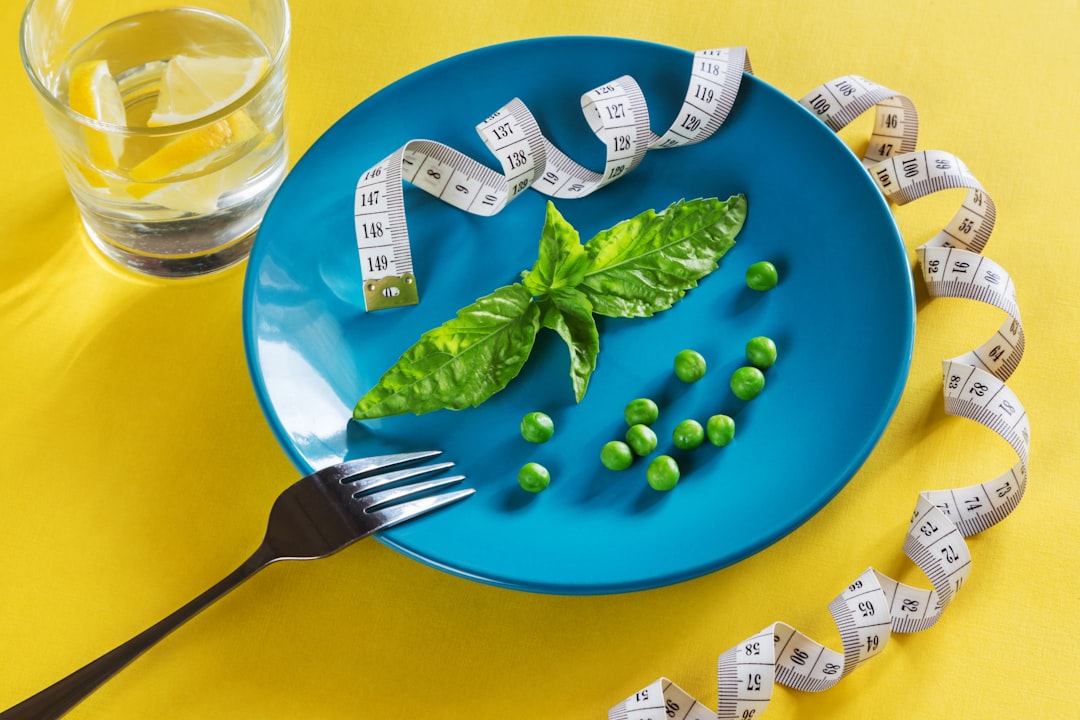
Portion distortion is a modern dietary epidemic, with standard restaurant servings often containing enough calories to sustain a person for an entire day. Retraining the eye to recognize appropriate biological portions requires a brief period of conscious measurement. By utilizing smaller plates, the brain is visually satisfied by a dish that appears full, taking advantage of the Delboeuf illusion to naturally curb appetite. This psychological trick allows individuals to enjoy deeply flavorful, satisfying meals without accidentally overwhelming their digestive capacity or triggering a sluggish, post-meal lethargy.
Memorizing visual cues for serving sizes is a highly practical strategy that requires no specialized equipment or mathematical anxiety. When constructing a meal, one can simply use their own hands as a personalized biological measuring tool:
- Vegetables and leafy greens: Aim for an amount roughly the size of two closed fists, providing essential bulk and fiber.
- Lean poultry, fish, or tofu: A portion matching the width and thickness of the palm ensures adequate amino acids for muscle preservation.
- Complex carbohydrates like quinoa or oats: A serving equivalent to a standard cupcake wrapper supplies necessary brain fuel.
- Healthy fats such as nuts or avocado: A volume no larger than the thumb delivers crucial lipids for joint lubrication and hormone production.
Integrating these balanced proportions into daily life does not require endless hours in the kitchen. Preparing quick nutritionist meals, such as a Mediterranean power salad featuring spinach, pomegranate seeds, and pre-cooked shredded chicken, offers profound nourishment in minutes. The healthy fats found in olive oil dressings act as an anti-inflammatory balm for the tissues, while the dense protein keeps hunger at bay. For evening nourishment, exploring quick and healthy dinner recipes like baked sriracha salmon paired with fiber-rich green peas ensures the body has the exact nutrients it requires to conduct overnight cellular repairs without storing excess calories as fat.


The profound impact of mindful mastication
The physical act of eating is often rushed, crammed between appointments or consumed while staring at glowing screens. Eating rapidly allows a tremendous volume of food to bypass the stomach’s stretch receptors before the brain has an opportunity to register satiety. By intentionally slowing down, setting the fork on the table between bites, and chewing each mouthful thoroughly, the digestive enzymes in the saliva can begin their critical work. This deliberate pacing not only prevents the painful swallowing of excess air—a major contributor to bloating—but also grants the neurological system the necessary twenty minutes to release the hormones that signal comfortable fullness.
Cultivating a peaceful environment for meals further enhances this biological relaxation response. Chronic noise and chaotic surroundings activate the sympathetic nervous system, inducing mild anxiety that often masks natural hunger cues and leads to emotional overeating. Transforming the dining table into a quiet sanctuary, completely free from digital distractions, allows the parasympathetic nervous system to take control. In this state of “rest and digest,” the body extracts nutrients with optimal efficiency, and the simple sensory pleasure of the food becomes far more satisfying than sheer caloric volume.
Non-dietary lifestyle shifts that reshape the midsection
Physical structure plays a deceptively large role in the appearance of the abdomen. Years of hunching over keyboards or protecting sensitive medical ports can lead to a collapsed upper body posture, which physically pushes the abdominal contents outward and creates the illusion of excess fat. Simply rolling the shoulders back, elongating the neck, and drawing the navel gently toward the spine instantly improves the physical silhouette. Over time, practicing good posture engages the deep transverse abdominis muscles, serving as an internal corset that naturally flattens the stomach line without a single sit-up.
For those seeking immediate aesthetic comfort, the evolution of supportive undergarments has provided remarkable options. Modern tummy-control garments, woven with breathable elastic and Lycra, offer gentle compression that smooths the midsection under clothing. While these garments do not permanently alter fat cells, they provide a profound psychological boost and encourage better posture by lightly supporting the lower back. This subtle physical support allowed Margaret to rediscover her favorite wardrobe pieces, illustrating how one woman lost weight and gained confidence through a blend of smart nutritional choices and compassionate self-presentation.
Finally, the invisible architecture of weight management relies heavily on the quality of nighttime rest. Sleep deprivation is a metabolic disruptor, elevating cortisol levels and specifically driving intense cravings for sugary, rapidly digestible carbohydrates. When the body is exhausted, the mere thought of preparing a nutritious meal feels insurmountable. Prioritizing deep, restorative sleep acts as a biological reset button, regulating the delicate interplay of ghrelin and leptin—the hormones that dictate hunger and fullness. By embracing this holistic, non-punishing approach to physical wellness, the body is gently guided back into a state of vibrant, sustainable balance.
Is it possible to target fat loss strictly in the abdominal area?
Biological spot reduction is a pervasive myth. When the body requires energy, it draws from fat stores systemically, rather than from one specific location. However, reducing overall body fat through balanced nutrition, combined with decreasing fluid retention and improving posture, will dramatically reduce the appearance of a prominent midsection.
Why does chewing gum contribute to a larger stomach appearance?
The repetitive action of chewing gum causes individuals to swallow significant amounts of excess air. This air becomes trapped in the gastrointestinal tract, leading to painful distension and a visibly bloated stomach. Additionally, the artificial sweeteners in many gums can disrupt gut bacteria, further exacerbating digestive swelling.
Can specific clothing truly help flatten the stomach?
While compression garments like control-top pantyhose or structured camisoles cannot permanently dissolve fat cells, they are highly effective at smoothing the silhouette and providing physical support. By lightly compressing the tissues and encouraging a taller, more aligned posture, these garments offer an immediate, non-invasive aesthetic improvement.
How do smaller, more frequent meals aid in reducing belly fat?
Consuming a massive influx of calories in a single sitting often overwhelms the digestive system, leading to blood sugar spikes and subsequent fat storage. By breaking daily caloric needs into smaller, nutrient-dense meals spaced throughout the day, the metabolism remains active, blood sugar stabilizes, and the physical stretching of the stomach is minimized.