


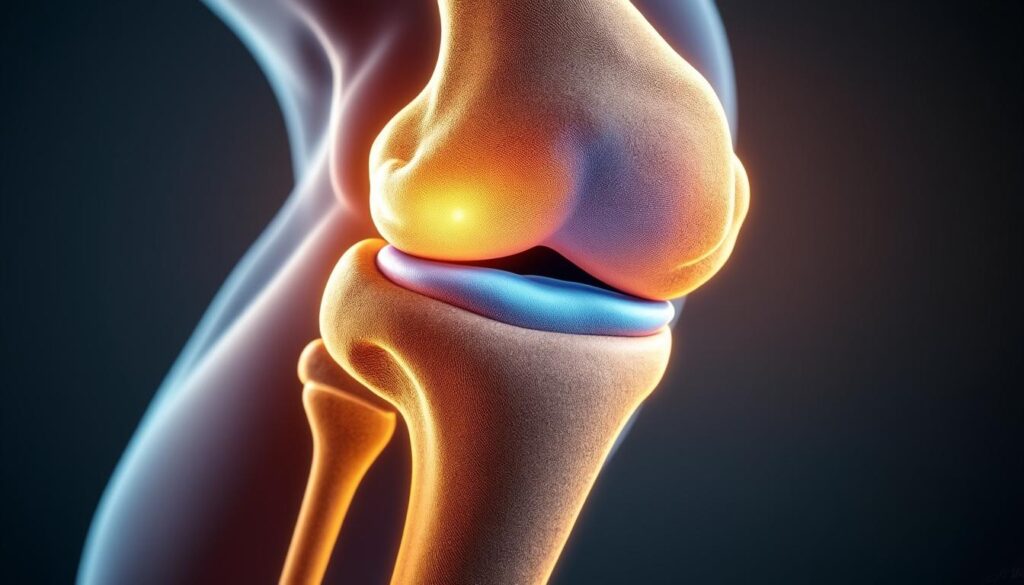
As we grow older, understanding what truly happens to our joints when we reduce movement is vital for maintaining an active and fulfilling lifestyle. Joint health significantly influences our daily functionality, independence, and overall quality of life. Physical inactivity, whether due to injury, illness, or lifestyle choices, can set off a cascade of negative effects on joint tissues, causing stiffness, pain, and muscle atrophy. These issues are especially pertinent for seniors who aim to preserve their mobility and avoid the pitfalls of immobility effects that often accelerate joint degradation. However, it’s encouraging to know that with the right interventions and consistent effort, recovery of mobility is possible even after periods of prolonged inactivity.
When joints don’t move regularly, several physiological changes occur beneath the surface. The synovial fluid, essential for lubricating joints and providing nutrients to cartilage, becomes less effective. This decline results in increased friction and wear, manifesting as joint stiffness and discomfort. Furthermore, the muscles surrounding the joints may weaken due to lack of use, contributing to decreased range of motion and the susceptibility of joints to injury.
Fortunately, counteracting these negative effects is achievable through a comprehensive approach encompassing physical therapy, lifestyle adjustments, and nutritional support. Notably, ProFlexen offers a promising solution for those seeking to maintain and enhance joint health. It embodies the proactive stance necessary to combat the challenges posed by immobility, enabling seniors to regain flexibility, reduce joint pain, and rebuild strength.
This article delves into the detailed anatomy and physiology of joint health, the consequences of joint immobility, strategies to regain range of motion, and targeted flexibility exercises that can be incorporated safely. For seniors aiming to reinvigorate their mobility and halt joint stiffness, the following sections offer evidence-based guidance and real-world insights.
The Physiological Impact of Immobility on Joint Health
Joints are fundamental to movement, connecting bones and allowing flexibility through an intricate system of cartilage, ligaments, muscles, and synovial fluid. When the body experiences physical inactivity, the delicate balance maintaining these components becomes disrupted. One critical issue is the impairment of the synovial membrane’s ability to produce sufficient fluid. This fluid acts as a lubricant, soaking the articular cartilage that protects joint surfaces from wear.
Without regular movement, the synovial fluid’s replenishment diminishes, which leads to increased friction within the joint and consequent cartilage degradation. Over time, this phenomenon manifests as joint stiffness and pain, common complaints among individuals who live sedentary lifestyles or have experienced immobilization due to surgery or injury.
Muscle atrophy surrounding the joint compounds the problem by reducing dynamic stability. Muscles act as natural shock absorbers and joint protectors; their weakening results in greater stress being placed directly on joint structures. This vulnerability often accelerates degenerative changes such as osteoarthritis, characterized by cartilage breakdown, bone spur formation, and decreased joint space.
Interestingly, immobility effects extend beyond just mechanical degradation. Inflammation can increase within the joint environment when nutrients and oxygen delivery decline. The result is persistent joint pain, swelling, and reduced range of motion. For seniors, these physiological changes pose significant risks, contributing to mobility loss and decreased independence.
Maintaining joint health entails more than just preventing damage; it requires active measures to sustain soft tissue elasticity, promote circulation, and ensure adequate joint lubrication. Hence, integrating movement—even gentle, low-impact activity—can potentiate synovial fluid flow and nourish the articular surfaces effectively. This dynamic keeps the tissue resilient and functional.
To illustrate the progression of immobility’s toll, consider a senior who has been confined to bed rest following surgery. Within weeks, limited joint movement can lead to noticeable joint stiffness and pain. Muscle strength dramatically declines, inhibiting the possibility of simple activities like standing or walking. Without intervention, this early loss of function can spiral into more severe joint degeneration and permanent loss of mobility.
For anyone facing a period of immobility, acknowledging and responding promptly is essential. Engaging specialists who focus on joint health can deliver tailored rehabilitation programs designed to minimize the impact of inactivity. There is compelling evidence from studies highlighting that even modest increases in joint movement stimulate synovial fluid production and prevent immobilization degeneration, thereby preserving long-term joint integrity.
- Reduced synovial fluid production causes cartilage to dry out and deteriorate
- Muscle atrophy decreases joint support and increases injury risk
- Inflammatory processes contribute to ongoing joint pain and swelling
- Decreased range of motion hinders everyday activities and quality of life
- Early mobilization after injury or illness can prevent rapid degeneration


Recognizing and Managing Joint Stiffness: Early Signs and Strategies
Joint stiffness is often the earliest signal that immobility has affected joint health. Typically, affected individuals experience difficulty bending or moving affected joints, especially after periods of rest. Morning stiffness lasting over 30 minutes is a common complaint in older adults connected to decreased joint lubrication and early degenerative changes.
Understanding the causes is critical to implementing effective strategies. In some cases, joint stiffness stems from inflammatory conditions such as osteoarthritis or rheumatoid arthritis. However, stiffness can also arise purely from physical inactivity. Joint tissues require regular range of motion to maintain their flexibility and function; without it, collagen fibers stiffen, and the joint capsule loses elasticity.
One practical approach to managing and reversing joint stiffness is through consistent engagement in flexibility exercises. These activities gently stretch muscles and soft tissues around joints while encouraging synovial fluid distribution. Examples include:
- Gentle yoga sequences focusing on spinal and limb mobility
- Range of motion drills performed in sitting or standing positions
- Stretching exercises targeting commonly stiff areas like hips, knees, and shoulders
- Water-based exercises, which provide resistance and buoyancy to reduce joint strain
- Controlled cycling or swimming sessions to promote joint movement without load-bearing stress
Incorporating these flexibility exercises into daily routines can significantly reduce morning stiffness and improve functional mobility. Many studies confirm that even at 60 and beyond, individuals can regain a surprising level of joint flexibility and reduce discomfort through these methods. This is why seniors should never accept joint stiffness as an inevitable part of aging but rather see it as a modifiable condition.
Furthermore, lifestyle choices influence stiffness severity. Maintaining adequate hydration helps keep the synovial fluid properly viscous and effective. Nutrition also plays a role; diets rich in anti-inflammatory foods and collagen-boosting nutrients support joint tissue repair.
For those needing professional guidance, services like chiropractic care, physical therapy, or orthopedics provide structured programs that combine manual joint mobilization with personalized exercise. These interventions address not only stiffness but also underlying joint restrictions that may not yet cause pain but predispose to deterioration. Such proactive care can profoundly support joint health recovery and function.
- Avoid prolonged inactivity to reduce risk of joint stiffness
- Engage in daily range of motion and flexibility exercises
- Use heat or cold therapy to manage acute stiffness and discomfort
- Consult a specialist early when stiffness is persistent or worsening
- Stay hydrated and consume a diet supportive of joint health
Effective Rehabilitation Techniques to Combat Joint Pain and Muscle Atrophy
Physical inactivity not only affects joint tissues but also leads to muscle atrophy, undermining the musculature that stabilizes and moves the skeletal system. The decline in muscle mass around joints can accelerate joint pain and stiffness, creating a vicious cycle that further reduces mobility.
Rehabilitation programs designed to reverse these effects focus on carefully graded physical activity, starting with low-impact movements and progressing in intensity. Important components include:
- Strength Training: To rebuild muscle mass and joint support, therapeutic resistance exercises are crucial. These exercises target key muscle groups such as quadriceps, hamstrings, and core muscles, which stabilize joints like knees, hips, and the spine.
- Range of Motion Exercises: These maintain or increase the mobility of joints. They involve active and passive movements performed gently to avoid pain while improving flexibility.
- Balance and Proprioception Exercises: Enhancing joint position sense reduces fall risks common in seniors with joint pain and immobility.
- Low-Impact Cardiovascular Activities: Swimming, walking, or cycling help improve circulation, support joint lubrication, and increase stamina.
- Manual Therapy: Techniques like chiropractic adjustments or massage therapy can release joint restrictions, reduce pain, and facilitate better movement patterns.
A key to successful rehabilitation is personalization—tailoring the program to the individual’s joint condition, pain levels, and fitness. Professionals carefully monitor progress to adjust exercises ensuring safety, especially in populations vulnerable to joint overuse injuries.
Incorporating technology such as wearable devices can help track mobility, reminding patients to complete flexibility exercises or alerting to periods of excessive inactivity. Combining physical therapy with appropriate nutritional supplementation for joint support enhances outcomes, supplying components like collagen and omega-3 fatty acids necessary for tissue repair.
Ultimately, the goal of rehabilitation is to reverse immobility effects, alleviate joint pain, and restore enough function to enable seniors to return to their cherished activities with confidence and less discomfort.

Nutritional Strategies to Support Joint Health and Mobility Recovery
Nutrition plays a pivotal role in maintaining and restoring joint health, particularly when recovering from periods of immobility or combatting joint stiffness and pain. What we consume directly affects inflammation levels, collagen synthesis, and overall tissue integrity.
Emphasizing an anti-inflammatory diet rich in specific nutrients can reduce joint pain and support mobility recovery. Important dietary components include:
- Omega-3 Fatty Acids: Found in wild-caught fish such as salmon and sardines, omega-3s reduce joint inflammation and promote cartilage preservation.
- Antioxidants and Vitamins: Vitamins C and E, abundant in fruits and vegetables, protect joint cells from oxidative damage.
- Collagen and Bone Broth: Collagen supplements and bone broth provide amino acids necessary for cartilage repair and joint integrity. Research highlights their benefits in improving joint function and reducing discomfort.
- Calcium, Magnesium, and Vitamin D: These minerals and vitamins are essential for bone health and reducing the risk of fractures that can impair joint stability.
- Herbs and Spices: Turmeric and ginger are natural anti-inflammatories that can offer joint pain relief.
Simultaneously, removing or minimizing pro-inflammatory foods enhances joint health significantly. These include refined carbohydrates, processed foods, excessive sugars, and trans fats often found in fried items and processed meats.
For seniors trying to recover mobility and curb joint deterioration, integrating these nutritional approaches with physical activity and professional care yields synergistic benefits. Personalized dietary plans or supplementation recommendations can be provided by healthcare professionals specialized in joint health.
Those interested in learning more about dietary solutions for joint pain may find valuable information and resources on diet optimization methods specifically tailored toward maintaining joint health.
- Prioritize nutrient-dense, anti-inflammatory foods daily
- Incorporate collagen-enhancing foods and supplements
- Limit processed and sugary foods that exacerbate inflammation
- Stay hydrated to support synovial fluid production
- Consult with a dietitian or healthcare provider for personalized advice

Optimizing Lifestyle Habits to Prevent Joint Degeneration and Support Long-Term Mobility
Beyond movement and nutrition, lifestyle habits significantly influence joint health and the risk of immobility effects. Small behavioral adjustments can have profound impacts on preserving range of motion and preventing joint pain progression.
Common asymmetrical behaviors and biomechanical habits put uneven stress on joints, potentially accelerating degeneration on one side of the body. For example, carrying a heavy bag on a single shoulder or consistently sleeping in one position can cause joint restrictions detectable only after symptoms arise.
To optimize joint health, consider the following actions:
- Regularly vary posture and avoid prolonged sitting; use ergonomic supports if needed.
- Balance load distribution when carrying objects or performing tasks.
- Adjust workstations to promote neutral spine alignment and reduce neck or back strain.
- Incorporate regular breaks with movement or stretching, especially during sedentary activities.
- Address and correct asymmetries through professional assessments such as chiropractic or physical therapy evaluations.
Maintaining a healthy weight is paramount. Excess body weight increases load on weight-bearing joints, contributing to faster cartilage wear and higher joint pain prevalence. Healthy habits regarding hydration, sleep quality, and stress management also support joint tissue recovery and overall wellness.
For seniors, regular check-ins with musculoskeletal specialists help detect early signs of joint restrictions or degeneration before they become debilitating. Prevention and early intervention remain the best strategies to keep joints young and mobile.
Further reading on protective strategies includes comprehensive guides on how to protect your joints through prevention and embedding joint-friendly habits into daily life.
- Foster awareness of posture and movement patterns
- Avoid repetitive strain and asymmetrical joint loading
- Engage in weight management through balanced eating and activity
- Schedule regular musculoskeletal assessments
- Integrate stress reduction and adequate sleep into daily routine