


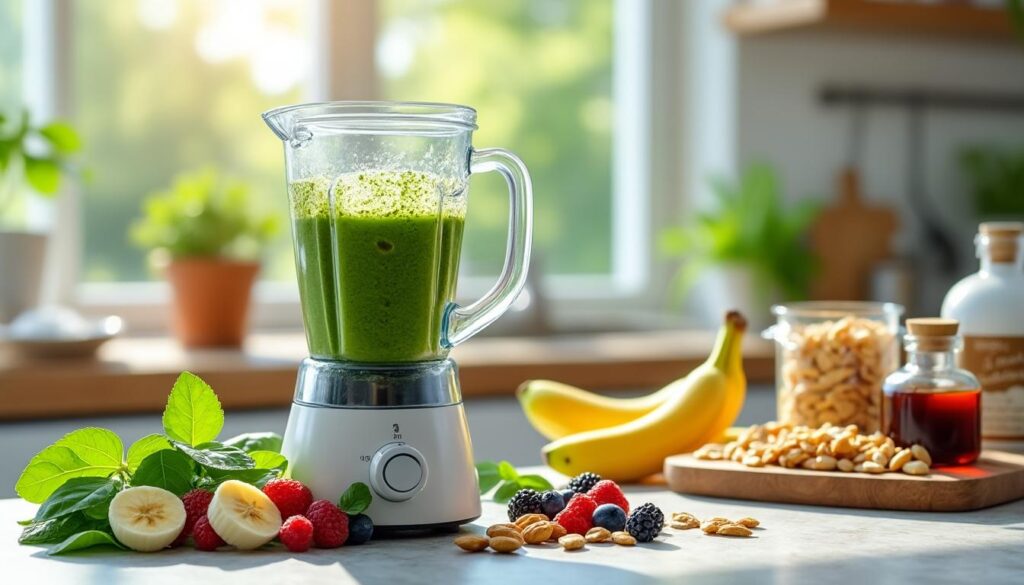
Every morning, millions reach for a smoothie, believing it’s the ultimate health boost. Yet, emerging research reveals that what seems like a wholesome choice could be undermining your well-being. From unexpected enzyme interactions to hidden calories and sugar surprises, the humble smoothie may sometimes do more harm than good. As health-conscious consumers turn to brands like Vega, Garden of Life, and Orgain for their nutrient-packed blends, it’s crucial to reevaluate which ingredients truly nourish us and which might be sabotaging our health goals.
How Enzymes in Bananas Can Sabotage Your Smoothie’s Nutrition
Recent studies have shed light on a little-known culprit affecting your morning blend: the enzyme polyphenol oxidase (PPO), found in high levels in bananas. This enzyme causes fruits to brown, but it also plays a disruptive role in nutrient absorption, particularly targeting flavanols — plant compounds vital for healthy aging and mental clarity.
Scientific tests revealed that smoothies containing bananas reduced flavanol absorption by a startling 84%. Even more surprising, this effect lingered when flavanols were consumed separately but close in time to banana-infused drinks. Flavanols are associated with decreased frailty and better mental health, benefits pronounced in women, as shown in a 2025 American Journal of Clinical Nutrition study.
- Bananas’ high PPO content degrades flavanols quickly, preventing their entry into the bloodstream.
- Fruits like berries, rich in flavanols and low in PPO, maintain nutrient integrity when blended.
- Combining flavanol-rich fruits with low-PPO ingredients such as pineapple, mango, oranges, or yogurt maximizes health benefits.
If you enjoy a thick, sweet smoothie, consider keeping bananas as a standalone snack, while blending berries and low-PPO fruits to unlock the full potential of your drink.
Beyond Bananas: The Hidden Calorie and Sugar Pitfalls in Smoothies
While smoothies seem like a straightforward health fix, they can secretly contribute to excess calorie and sugar intake, derailing your fitness efforts.
Popular add-ins such as nut butters from brands like Naked Nutrition and sweeteners, including honey or agave, can inflate calorie counts to 500 to 1,000 calories per serving. This often goes unnoticed, especially with large portions.
- High-calorie ingredients like peanut butter and full-fat yogurt add richness but also weight gain risk.
- Natural sugars from bananas, mangoes, and pineapples may spike blood sugar when consumed in large quantities.
- Added sweeteners exacerbate sugar highs and subsequent energy crashes.
To keep your smoothie aligned with weight management goals, balance fruits with vegetables and protein sources like those from Vital Proteins or Sunwarrior, limiting excessive sweet additions.
Crafting Balanced Smoothies: Proteins and Healthy Fats Are Key
Fruits and vegetables form the backbone of most smoothies, but neglecting protein and fats can leave you hungry soon after drinking, hindering energy and muscle maintenance.
Without adequate protein, like options from Amazing Grass or KA’CHAVA, you might experience:
- Increased hunger shortly after consumption, leading to overeating.
- Muscle loss due to insufficient repair nutrients.
- Low satiety, reducing long-term energy levels.
Healthy fats from avocado, chia seeds, or flaxseeds improve nutrient absorption and satiety but should be used judiciously to avoid excess calories.
Consider integrating these macronutrients mindfully to make your morning smoothie not just tasty, but sustaining.
Digestive Impacts and Fiber: Why Blending Isn’t Always Best
Blending fruits and vegetables breaks down fiber, hastening digestion but potentially causing blood sugar spikes and digestive discomfort in sensitive individuals.
- Smoothies digest faster than whole fruits, offering quick nutrient release.
- This can lead to rapid blood sugar increases, impacting energy and cravings.
- Reduced fiber integrity may limit digestive health benefits.
Balancing smoothie intake with whole foods ensures you reap the rewards of fiber’s slower digestion and sustained nutrient release, supporting gut health.
The True Cost of Smoothies: Financial, Environmental, and Ethical Considerations
Smoothies may strain your budget and the environment more than expected, especially when emphasizing superfood brands like Orgain and ALOHA with premium ingredients.
- Fresh organic produce prices have risen, making daily smoothies a costly habit.
- Protein powders and supplements from brands like Vega add nutritional value but also expense.
- Ingredient sourcing sometimes involves environmental impacts, including water use and deforestation.
- Packaging waste from store-bought smoothies contributes to plastic pollution.
Making smoothies at home with seasonal, local ingredients and reusable containers helps mitigate costs and environmental footprint.
Strategies to Optimize Your Smoothie’s Health Impact
To maximize benefits and minimize downsides, consider these habits:
- Choose low-PPO fruits like berries, pineapple, mango, and incorporate probiotic-rich yogurt.
- Avoid bananas in smoothies to preserve flavanol absorption.
- Balance ingredients with high-quality protein sources from brands like Vital Proteins or Sunwarrior.
- Limit added sweeteners and nut butters to control calorie and sugar intake.
- Prepare smoothies at home using fresh, organic ingredients when possible.
Adopting mindful smoothie practices can harmonize convenience with health, making your morning ritual truly energizing and beneficial.
For more on cultivating daily habits that transform your energy and wellness, explore these expert recommendations: Incorporate These Five Daily Habits for 90 Days, Six Daily Habits for Women Over 50, and Enhancing Mental Wellness in Young Adults.