


Overwatering and Its Hidden Impact on Lawn Health
One of the most prevalent misconceptions in lawn care is that watering more frequently will automatically translate into a greener, healthier lawn. However, overwatering can be particularly detrimental to your lawn’s vitality. When a lawn receives too much water, it fosters a shallow root system. This occurs because the roots no longer need to grow deep to search for moisture; instead, they linger near the surface. As a result, this weak root structure leads to grass that is less resilient against drought and foot traffic.
Excess moisture also creates an ideal environment for various lawn diseases to thrive. Fungal infections such as dollar spot or brown patch can proliferate when the grass remains wet for extended periods. These diseases not only discolor the turf but also weaken the grass, contributing to overall grass discoloration and patchiness. In some neighborhoods and cities in 2026, with increasing water restrictions due to climate shifts, understanding proper watering practices becomes even more critical for effective turf management.
Experts recommend adopting a deep and infrequent watering habit rather than daily light sprinkling. For example, rather than watering your lawn for 10 minutes every day, aim to water for 30-45 minutes two to three times a week, ensuring water penetrates 6 to 8 inches deep. Observing local rainfall patterns can also help avoid unnecessary irrigation. Tracking rainfall or installing soil moisture sensors enhances your ability to tailor watering schedules, conserving water and promoting root depth. This practice aligns with sustainable lawn maintenance strategies.
Consider the case of a homeowner in suburban Ohio who was watering daily out of habit for years. Once she switched to watering twice weekly with longer durations, she noticed her lawn’s thickness and color significantly improved within just a few months. This story illustrates how breaking long-held routines in garden habits can reverse lawn problems caused by overwatering.

The Critical Role of Proper Mowing Techniques in Lawn Improvement
Mowing is often seen as a simple chore, but improper mowing can accelerate the decline of your lawn’s appearance. One common error is cutting grass too short, a practice also known as scalping. Scalping strips away too much of the leaf blade, causing stress that reduces the grass’s ability to photosynthesize and retain moisture. This can lead to bare spots, increased weed invasion, and poor drought resilience.
As a guiding principle, the one-third rule helps maintain the health of your lawn: never cut more than one-third of the grass blade’s height in a single mowing session. For example, if your grass is 3 inches tall, only trim it down to 2 inches. This approach protects the crown of the grass plant, allowing it to continue growing robustly.
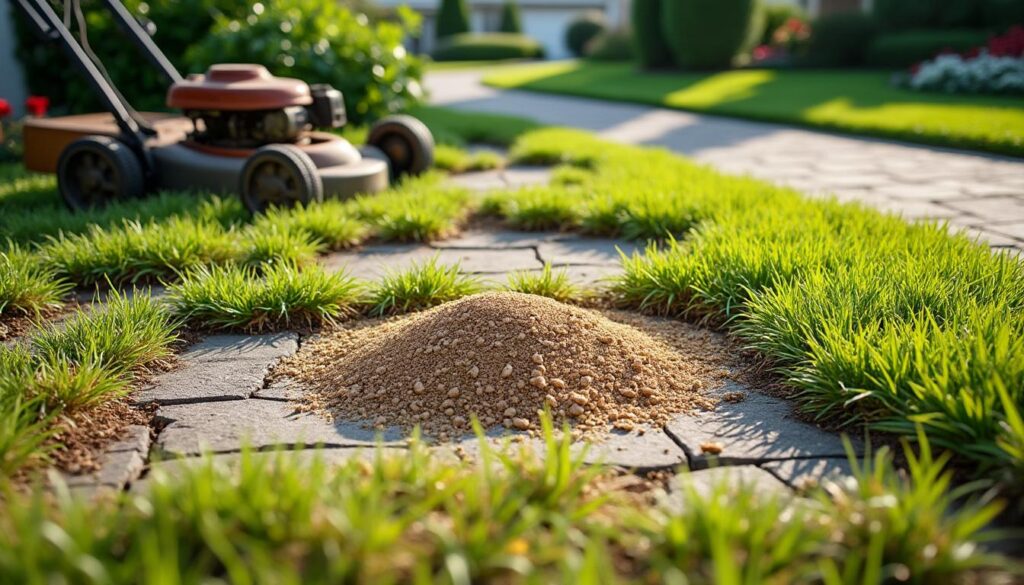
Another subtle mistake in lawn care is mowing in the same direction every time. Consistently mowing along identical paths can compact the soil and cause the grass blades to lean, resulting in uneven growth and soil compaction along mower tracks. Changing your mowing direction each session encourages upright grass growth and relieves the repeated pressure on the same soil areas, fostering overall grass health.
Equally essential is mowing when the grass is dry. Wet mowing tends to shred grass blades rather than cutting cleanly, which weakens plants and creates openings for lawn diseases. A homeowner’s experience in Texas highlighted this well—his practice of mowing wet grass led to patchy areas that took weeks to recover, contrasted with periods when he waited for dryness and saw a lush, even lawn.
Don’t forget the condition of your mower blades; dull blades rip and tear, leaving grass vulnerable to disease and browning. For a healthier lawn, sharpening mower blades at least once per season is a simple yet effective step that many neglect.
For more in-depth tips on avoiding these common mistakes, check out resources like 7 Lawn Care Habits for a Greener Yard which detail mowing blunders that kill grass.
Precision Fertilization and Soil Testing: Keys to Effective Lawn Maintenance
Fertilizing without understanding your soil’s unique needs can do more harm than good. It’s a common mistake that many homeowners unknowingly make, often assuming that more fertilizer means a healthier lawn. But improper fertilization can lead to nutrient imbalances, damaged roots, and increased susceptibility to disease and pests.
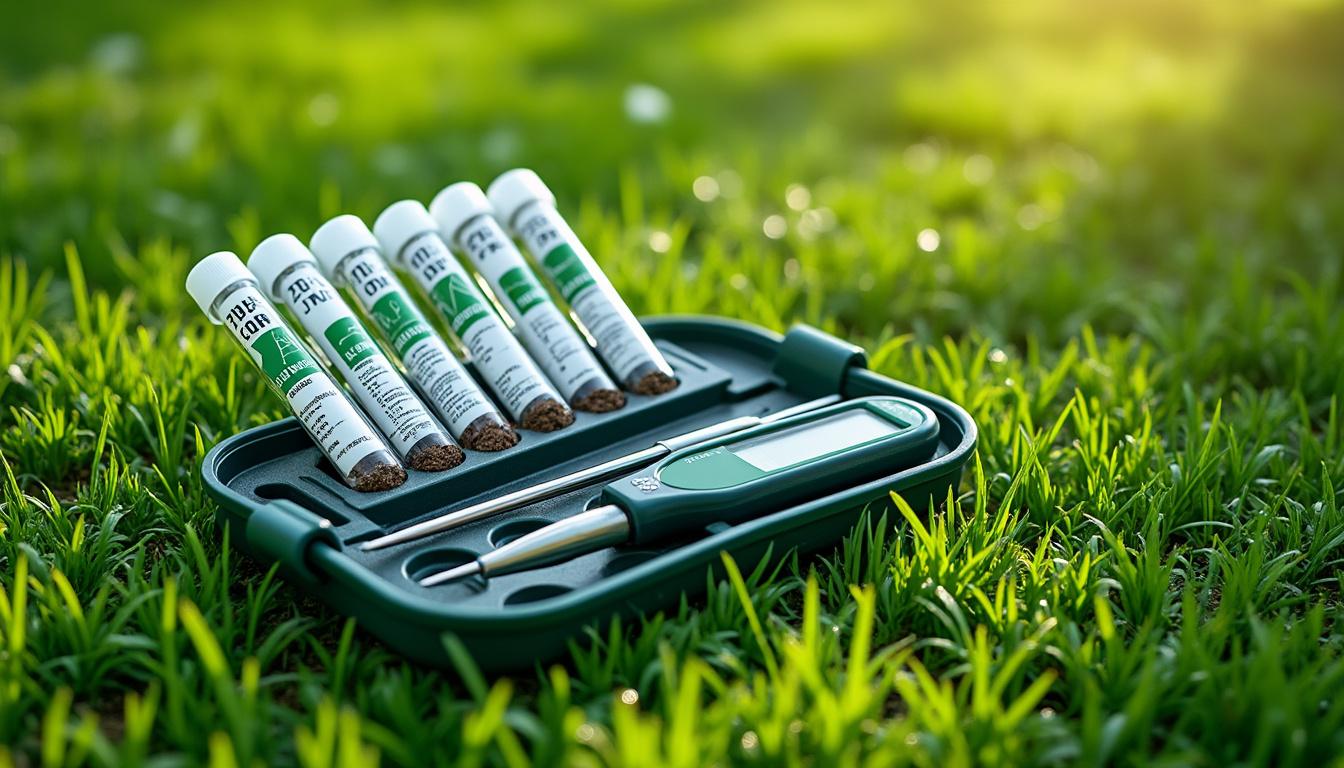
The solution lies in conducting a soil test. Testing the soil reveals precise deficiencies in nitrogen, phosphorus, potassium, and other vital minerals. By knowing exactly what your soil lacks, you can tailor your fertilizer applications accordingly. This targeted approach maximizes nutrient uptake and reduces waste, saving both your lawn and the environment.
For example, in a lawn with excessive phosphorus detected via soil tests, adding more phosphorus-based fertilizer could promote algae growth and environmental runoff but contribute little to lawn improvement. Conversely, a nitrogen-starved lawn will show yellowing blades and slow growth until nitrogen is correctly supplemented.
Additionally, timing fertilizer application to the grass’s growth cycle is critical. Fertilizing during optimal weather, when grass is actively growing and the temperature is moderate, helps the lawn absorb nutrients efficiently. Avoid fertilizer application during extreme heat or cold spells, as this can stress the grass and harm its health.
By adopting this strategic fertilization approach, homeowners can prevent common errors that lead to dull, weak turf and enhance the resilience and vibrancy of their grassy areas. For more on this topic, the Family Handyman guide on lawn mistakes offers expanded insights.
The Importance of Recognizing and Managing Lawn Pests and Diseases
Many people reach for herbicides or pesticides as a quick fix without identifying the actual problem affecting their lawn. Misusing these chemicals can damage not only the grass but also beneficial insects that contribute to ecological balance. Before taking action, determining if lawn issues result from weeds, pests, diseases, or nutrient deficiencies is vital for proper treatment.
For instance, pest infestations from grubs or chinch bugs may cause large brown patches despite adequate watering and fertilizing. Meanwhile, diseases like fungal infections often manifest as irregular spots or discoloration. Identifying the precise culprit allows for targeted intervention and prevents unnecessary chemical exposure.
Stepping on wet grass is another factor that aggravates these problems. Walking on soggy turf compacts the soil, restricting airflow, water penetration, and nutrient absorption. This creates a weak environment where pests and pathogens can thrive. Waiting for grass to dry before walking or mowing keeps the soil porous and supports robust grass health.
Homeowners in regions with warm summers increasingly face challenges from pests exacerbated by climate changes. They often seek advice on how to avoid summer pests, highlighting the importance of integrated pest management alongside careful lawn maintenance.
Understanding these dynamics and adopting preventive measures can save your lawn from suffering irreversible damage, ensuring it stays green and vibrant for years.
Essential Lawn Care Routines That Promote Long-Term Turf Health
Beyond watering, mowing, and fertilizing, a host of everyday lawn care practices contribute significantly to the health and appearance of your yard. Ignoring these can slowly degrade your lawn maintenance efforts, causing it to lose its lushness and inviting a range of issues from weed invasion to soil compaction.
Here are some crucial habits and considerations:
- Aware clipping management: While grass clippings can return valuable nutrients to the soil, excessive piling can smother grass beneath, leading to dead patches. Raking or collecting thick clumps post-mowing is often necessary.
- Thatch control: Thatch, a dense layer of organic debris between the soil and grass, impedes water and nutrient flow. Occasional dethatching in early spring can breathe life back into a tired lawn.
- Gradual mowing after long growth: If your lawn has grown too tall, cutting it down all at once stresses the roots. Instead, trim height gradually over successive mowings.
- Mulch management near trees: Avoid piling mulch too high against tree trunks to prevent rot and pest attraction. Maintain a few inches gap for proper trunk respiration.
- Seeding practices: Simply scattering grass seed over bare patches rarely works. Proper preparation includes loosening soil, debris removal, and adding compost to create a hospitable environment for seed germination.
- Watering timing: Watering early in the morning minimizes evaporation and maximizes moisture availability, ensuring grass roots get the hydration they need.
Integrating these habits refines your overall approach to lawn improvement and helps avoid many common mistakes that homeowners make unwittingly. Deliberate and informed care produces a robust turf that withstands seasonal stresses, reducing costly interventions.
For readers eager to dive deeper into avoiding hidden pitfalls in lawn care, a valuable read is available discussing why lawns often lose their vibrancy over time, shedding light on underlying causes and resolutions.
What is the best watering schedule for healthy grass?
A deep watering routine two to three times a week is most beneficial, allowing water to penetrate 6-8 inches into the soil, promoting strong root systems. Light daily watering should generally be avoided.
How often should I sharpen my mower blades?
Sharpen mower blades at least once per season, or more frequently if you mow often. Sharp blades cut grass cleanly, reducing stress and vulnerability to disease.
Why is soil testing important before fertilizing?
Soil testing identifies which nutrients your lawn needs, helping avoid over-fertilization or the application of unnecessary nutrients, which can harm grass and the environment.
How can I prevent soil compaction in my lawn?
Avoid walking on wet grass, vary your mowing patterns regularly, and aerate your lawn as needed. These practices maintain soil porosity and promote healthy root growth.
When is the best time to fertilize my lawn?
Fertilize in moderate temperatures when grass is actively growing, typically in spring and fall, avoiding extreme heat or cold that can stress the plants.