


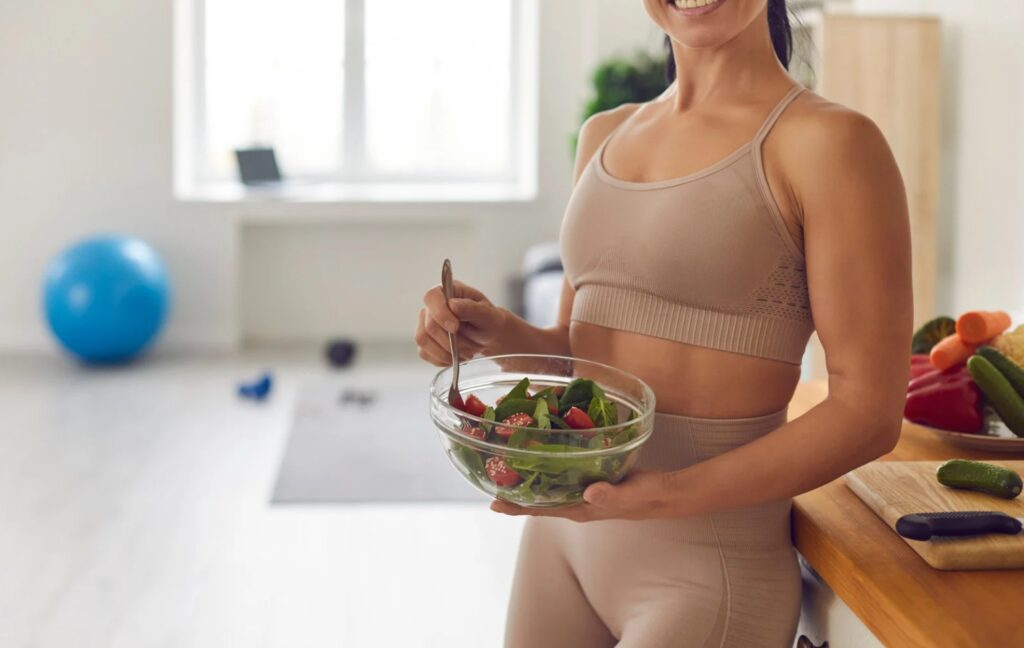
When it comes to improving health, many people feel caught in an all-or-nothing mindset. On one end, there’s complete inaction—putting things off until the “perfect time” or waiting for a health scare to act. On the other, there’s the intimidating idea of a full-blown lifestyle overhaul: waking up at 5 a.m. to train like an athlete, throwing out everything in the fridge, or suddenly living on green smoothies and supplements.
That pressure—whether internal or fueled by unrealistic health trends—can be overwhelming. The fear of having to give up cherished habits, favorite meals, or an already packed routine is often enough to discourage even the most well-intentioned person. Health, in that narrative, starts to feel like a rigid system instead of a flexible support. As a result, many people simply do nothing at all—not because they don’t care, but because they don’t see how to begin without disrupting everything.
But here’s the truth: you don’t have to quit your lifestyle to take better care of your health. You don’t need to become a different person, adopt a new identity, or live by a rigid checklist to feel better, move more, or eat smarter. You can begin exactly where you are—with the routines you already follow, the meals you already cook, and the time constraints you already face.
The key lies in learning how to use the health resources around you in a way that complements your existing life rather than competes with it. Whether it’s a five-minute stretch video, a nutrition app that works with your current grocery list, or a quick checkup that fits into your lunch break, the goal is not to change everything, but to integrate smart, sustainable actions into the life you already lead.
This article is here to show you that health doesn’t require perfection. It just needs direction—and a willingness to begin, one step at a time.
What are health resources—and why are they often underused?


Why? One reason is perception. People tend to think of health tools as part of a larger, more demanding lifestyle change. If they don’t have the time to follow a structured fitness program or prepare elaborate meals, they assume these resources aren’t meant for them. In reality, health resources are most powerful when they adapt to you—not the other way around.
Integration over interruption: Making health tools work with your lifestyle
Integration looks like this:
- Using a step counter to track how much you already walk at work
- Replacing your afternoon soda with a naturally flavored water once or twice a week
- Scheduling your annual checkup during a lunch break or on a day you already run errands
- Following a 7-minute mobility routine after brushing your teeth
- Downloading an app that helps you choose healthier options at your favorite grocery store
These small moves require little to no disruption—and yet, over time, they can lead to real results.
5 practical ways to start mastering your health without starting over
Here are five ways to put health resources to work in your life, without needing a full reset:
- : Book a basic medical checkup or health screening. It creates a clear baseline and opens the door to preventive care.
- : Choose one health app—whether for sleep, steps, or food—and use it for two weeks. No pressure, just awareness.
- : Focus on one thing you can add, not remove—like a daily portion of vegetables or a glass of water before each meal.
- : Forget the gym. Look for a 10-minute stretch routine, a local park walk, or stairs instead of elevators.
- : A friend, a partner, or even a coach. Accountability and support increase consistency.
What the experts say: Progress over perfection
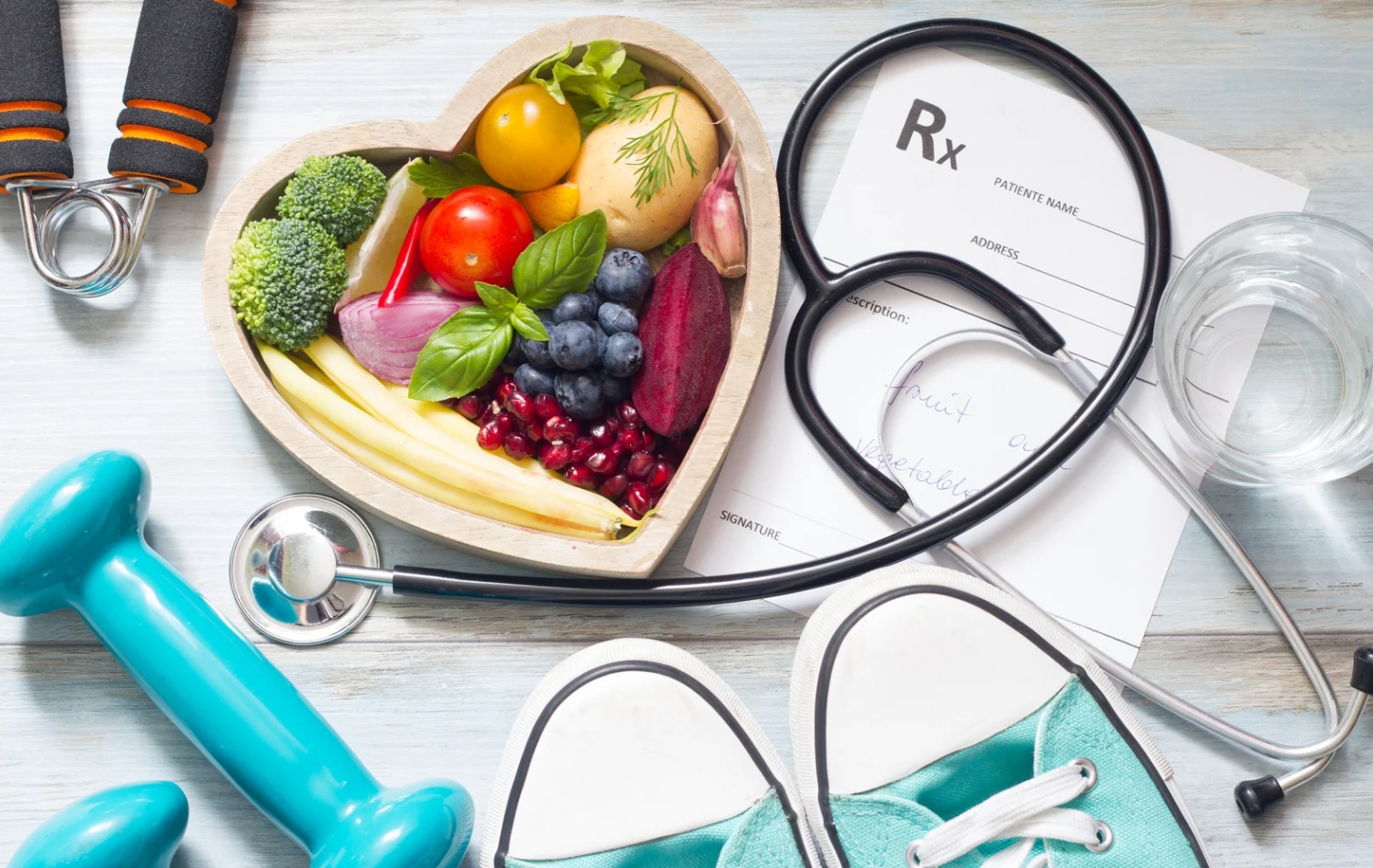
It’s not about achieving a perfect routine. It’s about making small, meaningful shifts that align with who you are and what you already do. When these shifts add up, you begin to see improvement in energy, sleep, digestion, focus, and mood—often without sacrificing the lifestyle you enjoy.
Start where you are. Use what you have. And build a healthier life that works with you, not against you.