


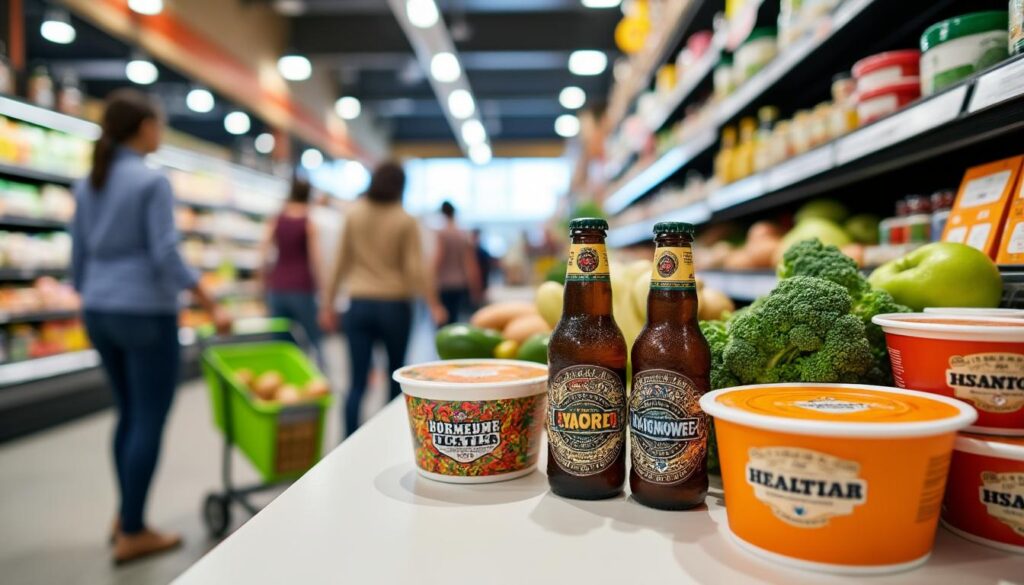
The Inclusion of No-Booze Beer and Houmous in the UK Inflation Basket: Reflecting Healthier Consumer Priorities
In 2026, the United Kingdom has witnessed a significant transformation in its consumer behavior and lifestyle choices, a trend that has concretely influenced how inflation is measured. The Office for National Statistics (ONS) has notably updated the UK inflation basket by including innovative items like No-Booze Beer and Houmous. This change is more than a technical adjustment; it mirrors a broader cultural and health-oriented shift among British consumers.
The UK inflation basket traditionally tracked the prices of over 750 goods and services, updating annually to maintain relevance with prevailing market trends and consumer habits. The addition of Alcohol-Free beer and houmous reflects a conscious move towards healthier living, indicating that shoppers are increasingly prioritizing better-for-you options over traditional products.
Stephen Burgess, deputy director for prices at the ONS, remarked on this evolution: “This year, healthier lifestyle choices influence consumer spending, reflected by goods such as houmous and non-alcoholic beer.” These additions testify to rising awareness around food trends, particularly those attuned to health, wellness, and moderation in alcohol consumption.
The choice to include such products signals recognition of how lifestyle changes have recalibrated societal norms. Alcohol-free beer, once a niche market, has grown considerably as consumers focus on reducing alcohol intake without sacrificing social experiences. Likewise, houmous, with its roots in Middle Eastern cuisine, has become a staple in healthy eating in the UK, beloved for its nutrient profile including protein, fiber, and healthy fats.
This recalibration in the inflation basket aligns with broader global movements where lifestyle choices dictate economic metrics. By incorporating these goods, the ONS provides a more accurate and meaningful picture of the inflationary pressures faced by modern British households. This allows policymakers and analysts to better understand real consumer expenditures and the evolving priorities shaping spending patterns on healthier choices.
Notably, other new inclusions this year complement these trends. Items like motor homes, dashboard cameras, pay-TV subscriptions, and pet grooming services diversify the basket beyond traditional grocery and utility costs, reflecting wider lifestyle dynamics and the digital age’s influence on consumption.
Meanwhile, the method for collecting price data has also undergone modernization. The ONS has started gathering data automatically from supermarket scanners for more than half of the grocery market, replacing thousands of manually collected prices. This automation enhances accuracy and timeliness, particularly crucial when tracking goods as variable and fast-moving as alcohol-free beer and houmous.
This update in the inflation basket is thus both symbolically and practically significant, marking a step toward incorporating health-conscious behavior into the core economic indicators of the UK. For those interested, further insights can be read at Reuters’ coverage on the subject that delves deeper into this developmental stride.

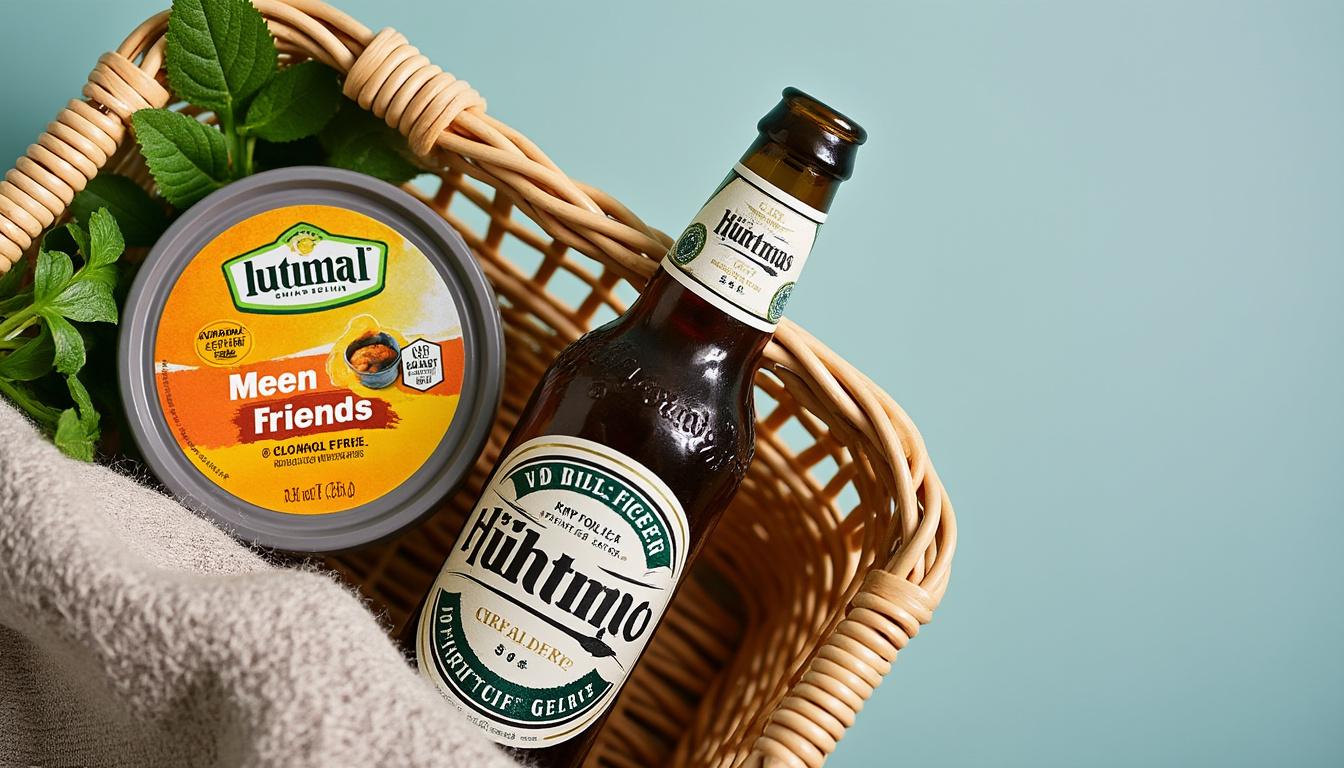
Understanding How Alcohol-Free Beer Became a Barometer for UK Inflation and Changing Drinking Habits
The rise of No-Booze Beer as a significant factor affecting the UK’s inflation metrics captures a broader cultural revolution about alcohol consumption. Over the recent years, a quarter of Britons have shifted their preferences towards alcohol-free options, embracing non-alcoholic beer as part of healthier living. This changing trend reflects diverse motivations, ranging from health concerns, lifestyle choices, to changes in social dynamics.
Alcohol-Free beer’s inclusion in the official UK Inflation Basket is an acknowledgement of this evolution. In fact, the category has expanded exponentially, with increased market offerings and consumer demand. This mirrors the how consumer behavior is steadily gravitating towards healthier, low or no-alcohol beverages, reframing what is considered a staple in social and personal consumption.
From a public health perspective, alcohol-free beers provide alternatives reducing alcohol-related risks while maintaining taste and social appeal. Several studies highlight that such choices correlate with better long-term health, reduced calories intake, and potentially lower levels of alcohol dependency. This shift consequently reverberates through economic measures, influencing household budgets and spending patterns.
In terms of pricing and inflation impact, measuring the cost fluctuations of alcohol-free beer offers nuanced insight into the food and beverage sector dynamics. As these products gain popularity, their pricing behaviors affect the consumer price index more significantly than before. It becomes vital to track these changes accurately, as they symbolize shifts in consumer priorities towards moderation and healthier drinking habits.
Examples of brands innovating in this space highlight the importance of no-alcohol beer’s market: breweries have launched diverse options with intriguing flavors and styles, fostering consumer engagement while supporting healthier drinking trends. Retailers too adapt their shelves to accommodate a growing category, a testament to the product’s rising imprint on everyday shopping experiences.
Moreover, tracking inflation with alcohol-free beer offers a clearer window into the lifestyle changes of the UK population. It underscores the transition from traditional alcoholic beverages to no-booze alternatives, which shapes not only health outcomes but also economic forecasts. For detailed commercial perspectives, one can explore insights at The Grocer’s report on alcohol-free beer in the inflation basket.
This dramatic shift also impacts how inflation relates to social wellbeing, highlighting the strong interplay between health trends and economic indicators. No-Booze Beer thus stands as more than a product; it is a reflection of a healthier cultural ethos and changing UK lifestyle.
Houmous: From Niche Dip to Inflation Indicator Demonstrating Healthy Food Trends in the UK
Houmous, a chickpea-based spread originating from Middle Eastern cuisine, has transcended niche ethnic food to become a mainstream staple in the UK’s evolving food landscape. Its addition to the UK inflation basket is emblematic of the nation’s growing preference for healthy eating and plant-based products.
The establishment of houmous as a core grocery basket item demonstrates how consumer tastes have shifted towards foods rich in nutrients and versatile in use. Houmous is prized for its health benefits, offering protein, fiber, and essential fats, making it a popular choice for individuals seeking balanced diets without compromising flavor or convenience.
Consumer behavior towards houmous reflects wider lifestyle changes, including increased vegetarianism, veganism, and flexitarian diets. These shifts are influencing inflation measures by introducing items with distinctive growth patterns in pricing compared to traditional dairy or meat-based alternatives.
In economic terms, houmous’s inclusion provides a more comprehensive view of grocery market variations caused by emerging food trends. Price fluctuations in houmous and similar healthy foods could signal changing demands and influence overall inflation calculation more than in previous decades when this item was less mainstream.
Retail data shows growing availability and consumption across various British demographics, making it an efficient proxy for tracking healthy food trends. Modern British households might integrate houmous in meals ranging from snacks to full-course dishes, emphasizing how dietary preferences evolve and impact spending habits.
Beyond price statistics, houmous serves as a symbol of cultural openness and fusion, reflecting the UK’s multicultural food identity. The product’s rise in popularity reveals an intersection where health consciousness meets culinary diversity, which increasingly defines the UK market.
This trend aligns with lessons from studies on how lifestyle choices drive consumer patterns, as explored in articles about healthier celebrations and family-centric wellness strategies in other regions like Oklahoma (LiveWell Magazine Healthy Halloween Traditions). Similarly, in the UK context, houmous embodies values of convenience, nutrition, and lifestyle change wrapped into one accessible food.
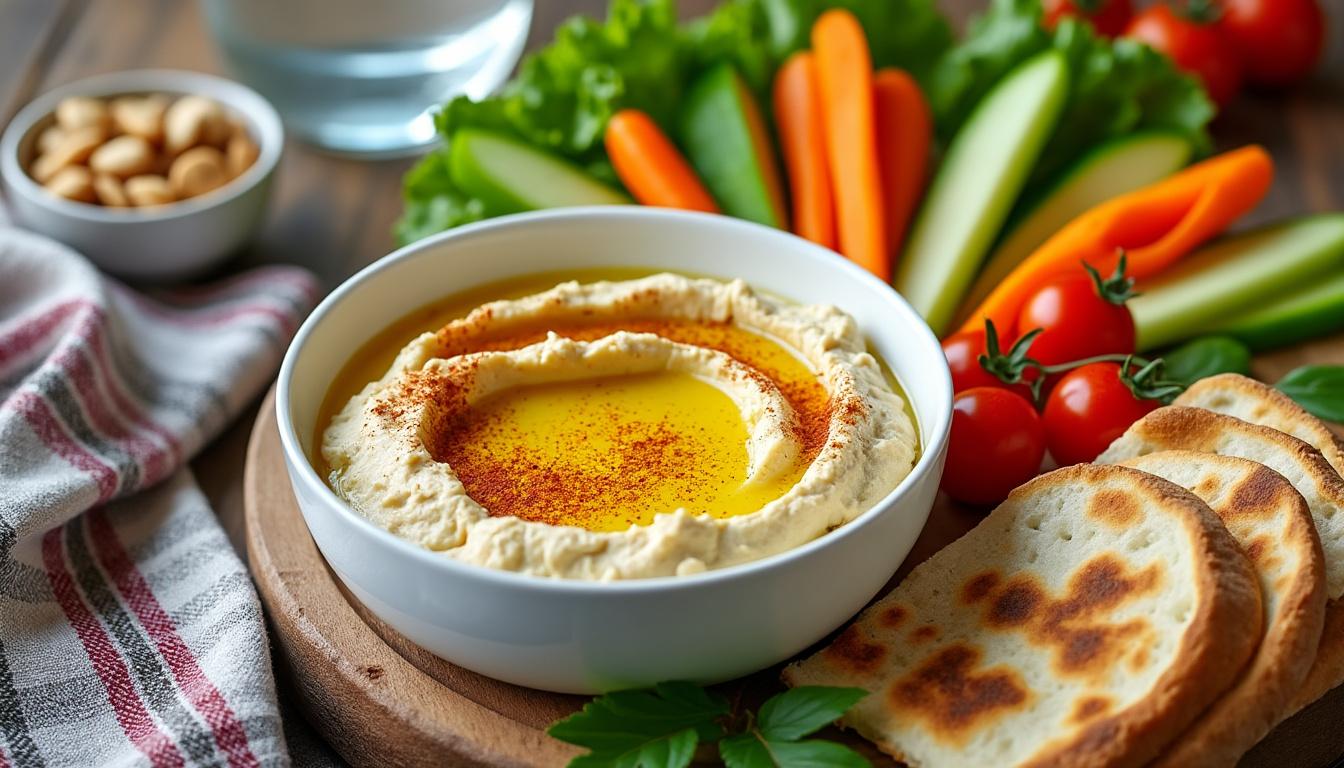
Advanced Data Collection and Its Role in Capturing Inflation Impact of Healthier Choices
Alongside the inclusion of No-Booze Beer and houmous, the ONS has introduced a critical modernization in its inflation measurement methodology by incorporating automated data collection from supermarket scanners covering over half of the grocery market. This shift enhances the precision and timeliness of inflation data, especially for fast-moving consumer goods related to healthy eating and lifestyle trends.
This approach replaces traditional manual price point collection with millions of automated price captures from supermarket checkouts. The result is greater granularity and less volatility in inflation statistics, allowing analysts to track subtle shifts in consumer behavior as they align with health-conscious choices.
The technology behind this automated data gathering spans barcode scanning integrated with pricing databases, feeding real-time inputs to economic statisticians. This innovation is particularly valuable for items like alcohol-free beer and houmous, which frequently cycle through promotions, pricing adjustments, and new product introductions.
Fashioning inflation measurement to be adaptive to lifestyle changes, including healthier habits, ensures that economic policymakers respond to realistic cost pressures confronting households. For example, while energy price surges remain a key concern in 2026, understanding how healthier food choices impact household budgets enables nuanced policy responses.
An important consequence of this development is the reduced noise in inflation data linked to more volatile sectors, such as hotels, where measurement techniques have adjusted for better stability. For consumers and economists alike, accurate inflation assessment fosters a deeper understanding of the marketplace’s relationship with contemporary lifestyle evolution.
For more on the technical and policy implications of these changes, readers may consult economic news updates such as those offered by US News coverage on healthier habits reshaping inflation.
Broader Implications of Healthier Choices on UK Consumer Behavior and Inflation
The integration of No-Booze Beer and Houmous within the UK inflation basket carries profound economic and social implications, signalling a marked transformation in consumer priorities and lifestyle. This trend illustrates how public inclination towards healthiness translates into measurable market phenomena and affects inflation metrics, shaping the country’s economic outlook.
Firstly, the inclusion of products associated with healthier eating and drinking behavior highlights a shift in consumer demand away from traditional items towards options aligned with wellness and moderation. This move is echoed across other new basket categories, such as pet grooming services and pay-TV subscriptions, which also reflect changing lifestyle preferences and discretionary spending.
These consumer behavior changes also reveal a holistic lifestyle modification strategy. British households are increasingly aware of the relationship between diet, wellness, and financial management, prompting smarter choices that impact inflation components and purchasing power. For instance, reducing alcohol consumption or switching to plant-based snacks can both promote health benefits and alter shopping habits dramatically.
The inflation impact of such choices is multifaceted:
- Price Dynamics: Health-focused items may carry different price trajectories, influenced by supply chain factors, specialty sourcing, and consumer willingness to pay premium prices for perceived benefits.
- Market Expansion: Growing demand encourages producers and retailers to diversify offerings, intensifying competition and innovation in healthier product lines.
- Policy Adaptation: Accurate inflation data that reflects these trends enables government and financial bodies to tailor policies supporting public health and economic resilience.
Moreover, consumers’ embracing no-alcohol beverages and nutrient-rich dips like houmous illustrate a cultural shift where healthier choices are embedded in everyday lifestyle rather than exceptional habits. This move also challenges previous inflation baskets to remain relevant and reflective of an evolving, health-conscious populace.
Monitoring these trends is crucial for economists, businesses, and policymakers aiming to align their strategies with lived realities. As highlighted in the editorial analysis on BBC News discussing the healthy habits reshaping inflation baskets, these changes can have significant long-term effects on consumer spending and economic growth.
Therefore, the transformation seen with the inclusion of No-Booze Beer and Houmous is a strong indicator of a forward-thinking approach to economic tracking and societal health progress.
Why were No-Booze Beer and Houmous added to the UK inflation basket?
They were added because they reflect the growing consumer trend toward healthier lifestyle choices and now represent significant categories within household spending.
How does automating supermarket price data collection improve inflation measurement?
Automated data collection increases accuracy and timeliness by tracking millions of price points in real-time, reducing errors from manual recording and capturing swift price changes.
What impact do healthier eating habits have on inflation rates?
Healthy choices affect inflation by changing demand patterns and price dynamics for certain food items, leading to new trends in pricing and consumption reflected in inflation indices.
Are No-Booze Beer and Houmous popular across all UK demographics?
Yes, their popularity has spread across diverse age groups and regions, becoming common components in many British households’ diets and social occasions.
How can consumers use knowledge about inflation basket changes?
Understanding these changes helps consumers anticipate shifts in goods’ prices, adjust budgets accordingly, and appreciate how lifestyle trends influence economic factors.