


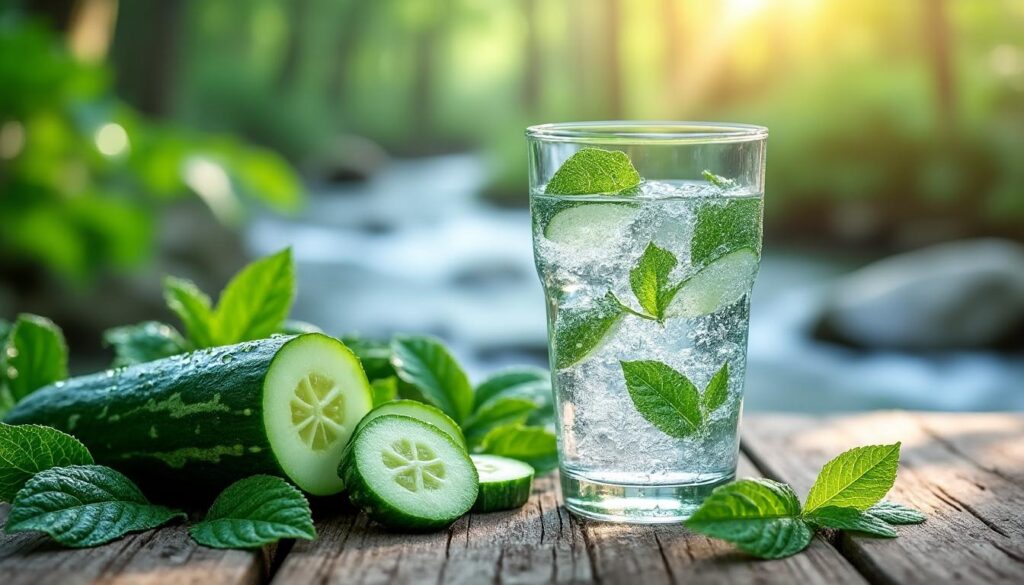
Understanding your body’s water requirements is essential for maintaining optimal health and avoiding both dehydration and overhydration. Water, making up about 60% of an adult’s body weight, plays a vital role in flushing toxins, regulating temperature, cushioning joints, and supporting digestion. Despite the popular recommendation of drinking eight glasses a day, the actual daily water intake each person needs varies significantly depending on factors like age, activity level, climate, and overall health. Staying adequately hydrated offers numerous health benefits, including improved mood, cognitive function, and physical performance. Yet, many people overlook the complex nature of hydration, including how other sources beyond plain water contribute to fluid balance.
Dr. Emily Lawson, a specialist in preventive medicine, notes, “Many patients come in either neglecting hydration or overcompensating based on generic advice. Personalized approaches ensure safe and effective water consumption tailored to individual lifestyles.”
Determining Your Recommended Water Amount for Effective Body Hydration
Experts agree that water is the best source for hydration, thanks to its calorie-free nature and universal availability. The National Academy of Medicine’s guidelines suggest an adequate daily fluid intake of approximately 13 cups for men and 9 cups for women, adjusting for pregnancy and breastfeeding.
- Men aged 19 and older: about 13 cups (104 ounces) daily
- Women aged 19 and older: about 9 cups (72 ounces) daily
- Pregnant women: about 10 cups (80 ounces) daily
- Breastfeeding women: about 13 cups (104 ounces) daily
However, these values serve only as general guides. Your actual water requirements can be influenced by your physical activity level, climate exposure, and body size. For instance, athletes or those in warm environments may need more fluids to maintain fluid balance. Additionally, roughly 20% of your hydration needs are met through the consumption of water-rich foods like cucumbers, melons, and leafy greens.
For a practical approach to tracking hydration, observe the color and volume of your urine—a pale straw yellow generally signals good hydration, although medications and diet can alter this indicator.
For more personalized recommendations on your water intake, consult reliable resources such as WebMD’s hydration guidelines and Mayo Clinic’s insights on water consumption.

Hydration Tips for Preventing Dehydration and Ensuring Optimal Health
While thirst is the body’s natural signal to prompt drinking, relying solely on it can be risky, especially for older adults, infants, and individuals with certain medical conditions. The decline in thirst sensation with age makes older adults more susceptible to dehydration. Similarly, athletes engaged in intense exercise or people exposed to extreme temperatures must proactively maintain their hydration status.
- Drink water regularly throughout the day, not just when thirsty
- Increase intake in hot weather and during physical activity
- Consume water-rich foods like watermelon, celery, and berries
- Avoid excessive alcohol and caffeine, which can affect hydration status
- Monitor urine color as a hydration indicator
Despite common beliefs, caffeinated beverages like coffee and tea can still contribute to your daily fluid needs without necessarily causing dehydration. However, excessive alcohol intake can suppress the hormone that conserves water, increasing the risk of dehydration.
For more detailed advice on hydration strategies and hydration tips, explore expert articles at Cleveland Clinic’s recommendations and Verywell Health’s water intake guidelines.
Are There Risks to Drinking Too Much Water? Understanding Water Toxicity
Though uncommon, it is possible to consume too much water, leading to a dangerous condition called hyponatremia, characterized by low blood sodium due to dilution. This is particularly a risk in endurance athletes, individuals with kidney issues, or those exposed to extreme heat who consume large volumes rapidly.
- Symptoms of water toxicity include confusion, nausea, seizures, and muscle cramps
- Small body size, as in children and women, increases susceptibility
- Avoid excessive water consumption within short periods
In healthy adults practicing balanced drinking habits, such toxicity is rare due to the kidneys’ effective fluid regulation. If you have health conditions or take medications affecting fluid balance, consult your physician to tailor your recommended water amount.
To learn more about safe hydration and avoiding overhydration, visit resources like GoodRx’s hydration advice and Geisinger Health’s hydration articles.
Practical Hydration Habits to Enhance Your Daily Water Consumption
To maintain consistent body hydration, consider these practical methods:
- Carry a refillable water bottle throughout your day to serve as a constant reminder
- Flavor your water naturally with slices of lemon, cucumber, or fresh herbs like mint
- Opt for unsweetened carbonated water if you prefer fizzy drinks; it is safe and calorie-free
- Replace sugary sodas and energy drinks with water to decrease caloric intake and support metabolic health
Adopting these habits not only improves hydration but also yields the health benefits associated with reduced caloric intake and enhanced metabolic function. The EatingWell guide offers simple strategies to make hydration enjoyable and easier to incorporate into busy lifestyles.