



Shifting UK Consumer Habits Reflected in Inflation Tracking Basket with Houmous and Non-Alcoholic Beer
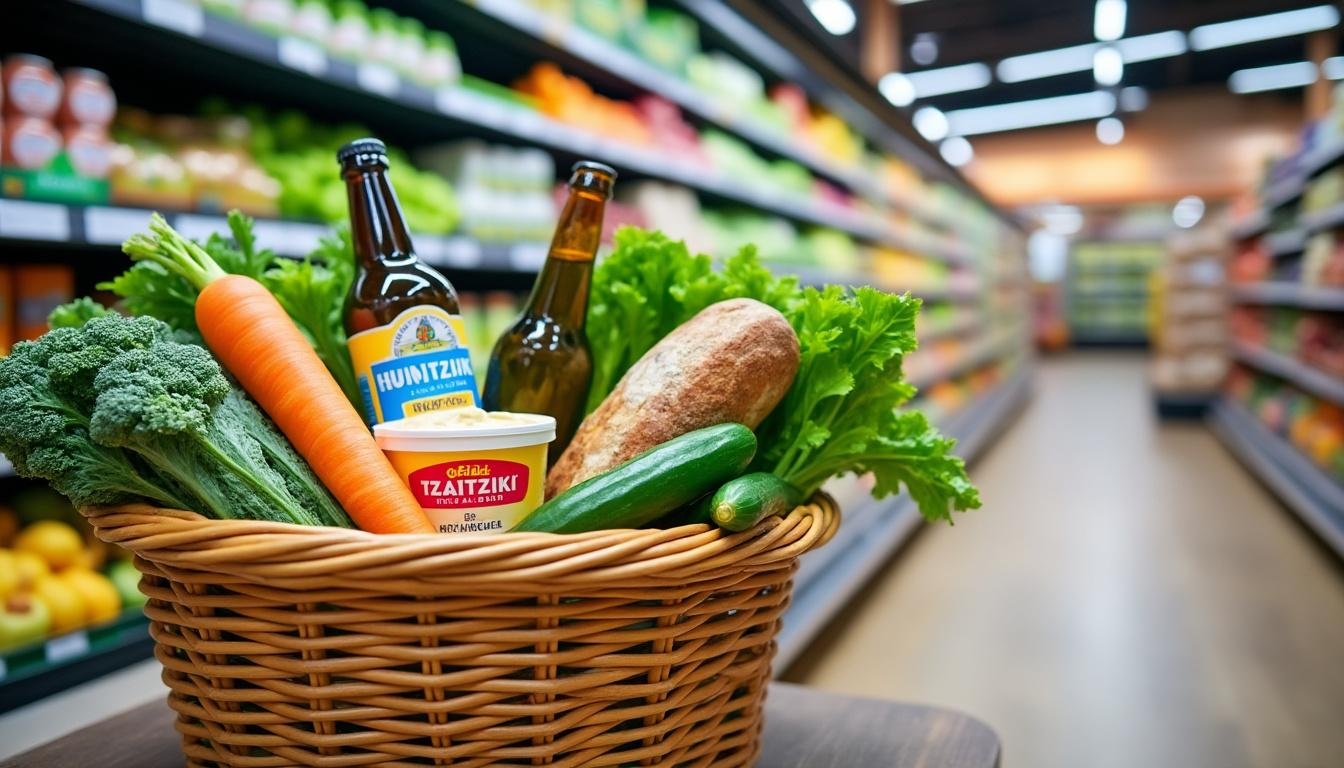
The UK’s economic landscape is evolving in 2026, and so are consumer spending patterns – a change clearly mirrored in the annual update of the UK’s inflation tracking basket. The Office for National Statistics (ONS) now includes houmous and non-alcoholic beer within the compilation of items used to measure the rate at which prices increase in the country. This new inclusion is a significant marker of how lifestyle choices and health awareness are influencing purchasing behaviors, especially regarding food and beverages.
Traditionally, the inflation measurement basket contains over 750 items representing a broad span of goods and services commonly used by UK households. Each year, the basket is revised to keep pace with consumer trends, ensuring an accurate representation of real-world spending. The addition of houmous recognizes its surge in popularity as a staple in many households, buoyed by its versatility and health benefits.
Meanwhile, incorporating non-alcoholic beer signals a shift in social habits, with many Brits opting for alcohol-free alternatives on their healthier lifestyle journeys. The expansion of available brands making these products more accessible and appealing has had a measurable impact on spending. The ONS is capturing this change to refine the price index for the UK’s consumer prices, thereby reflecting the true cost of living dynamics.
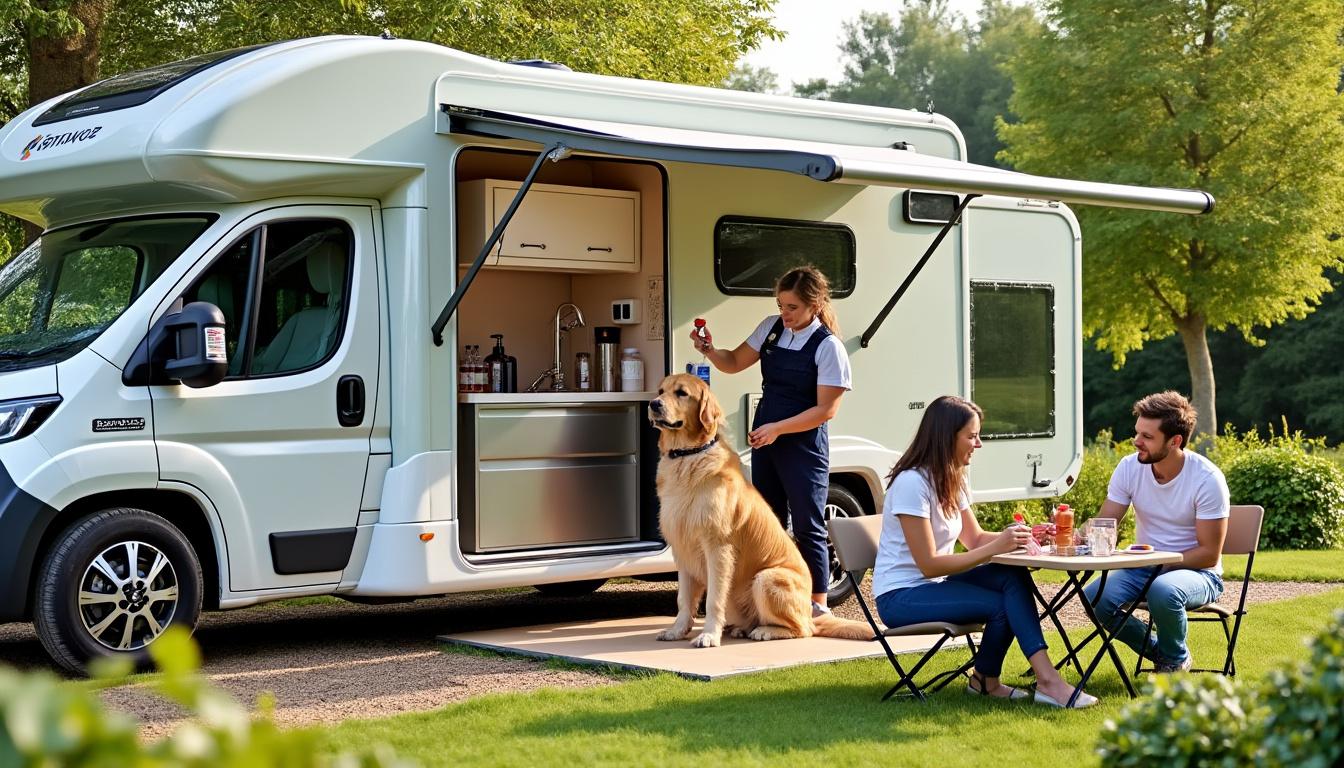
In addition to food and drink, other categories like pet grooming and motorhomes have found their way into the basket, revealing a broadening scope of consumer priorities. These updates not only enrich the accuracy of economic measurements but provide valuable insights into evolving societal preferences. To capture this, millions of prices are now automatically collected from supermarket tills, replacing the older manual methods and allowing more precise tracking of price fluctuations.
This modernization of data collection aligns with an increasingly data-driven economic monitoring approach, ensuring that inflation tracking remains responsive to the nuances of consumer behavior. For a deeper dive into how healthier choices are reshaping UK inflation, sources like Reuters and LiveWell Magazine offer excellent overviews.

Data Transformation in Inflation Measurement: Automated Price Collection and New Categories
The 2026 update of the UK’s inflation tracking basket introduces not just new items like houmous and non-alcoholic beer but also a revolutionary change in how prices are captured and analyzed for inflation calculation. Over half of the grocery market prices are now gathered automatically using supermarket scanner data, which marks a significant leap from traditional manual price recording.
This automation enables the Office for National Statistics to collect millions of data points daily, reflecting what items are sold and their exact prices in real-time. Unlike before, when only a limited number of items were checked intermittently, this approach offers a dynamic snapshot of the consumer prices landscape and how it adapts to market conditions.
For instance, the replacement of wrapping paper sheets with rolls of wrapping paper in the basket highlights how small but important shifts in consumer habits are carefully tracked. Similarly, categories such as dashboard cameras and motorhomes now have representation, pointing to the diversity in consumer spending beyond just food and household goods.
One notable removal includes the advance collection of hotel prices, which was found to contribute volatility to inflation figures. Hotel prices tend to fluctuate wildly during peak seasons or major events, distorting the overall inflation picture. By excluding these, the inflation tracking basket presents a clearer view of everyday price trends affecting UK households.
This overhaul exemplifies how technology-driven data collection can enhance the reliability and detail of economic measurement. It better captures consumer spending decisions, allowing policymakers and economists to respond to the true economic climate with greater precision and timeliness.
The Rise of Health-Conscious Spending: Houmous and Non-Alcoholic Beer as Lifestyle Indicators
The increasing prominence of houmous and non-alcoholic beer within the UK’s inflation tracking basket highlights a larger trend: consumers’ growing focus on health and well-being. Many people are consciously choosing alternatives and supplements that align with dietary preferences and wellness goals.
Houmous, traditionally a Middle Eastern dip, has expanded beyond ethnic food counters into mainstream supermarket shelves, available in numerous flavors and formulations including low-fat, organic, and added-protein options. Its plant-based origins fit nicely into growing demands for vegetarian and vegan options as well as clean eating movements.
On the beverage side, non-alcoholic beer appeals to those who wish to enjoy the social rituals of beer drinking without the negative effects of alcohol. This category has flourished with innovative brands introducing varied flavors and styles that compete robustly with their alcoholic counterparts. As Danni Hewson, financial analyst, notes, this reflects a post-pandemic evolution where many consumers shifted towards healthy habits, aided by a flood of new products offering choice and quality.
These products are not just trends but signify a lasting shift in the UK’s food basket composition, influencing how inflation is calculated because their prices move differently compared to traditional alcoholic drinks or snack foods. This shift impacts the overall cost of living and economic dynamics surrounding food and drink expenditures.
Moreover, healthier products like houmous tend to be part of balanced diets, which impact retail sectors, supplier logistics, and marketing strategies. The strong consumer demand for these items supports an expanding market segment, transforming grocery store layouts and advertising priorities.
For further insights into this health-driven transformation of the UK market, check out detailed articles such as those on Bloomberg and The Guardian.
Pet Grooming and Motorhomes: Uncovering New Consumer Price Dynamics in UK Inflation Tracking
Beyond food and beverage updates, the 2026 inflation basket revisions introduce pet grooming and motorhomes—categories that reveal changing consumer priorities outside of traditional grocery spending. Increasingly, pet owners in the UK are investing in grooming services to care for their animals beyond veterinary needs, reflecting a rise in pet welfare consciousness and disposable income devoted to pets.
Pet grooming services now include specialized treatments such as de-shedding, styling, and wellness baths. The inclusion of this category in the inflation basket means that price changes in service industries are captured with the same rigor as those in goods. This shift aids economic analysts in understanding how service sector inflation interacts with household consumption patterns.
Motorhomes, long considered a niche market, have seen substantial growth in recent years as travel and staycation trends evolve. Their addition to the basket acknowledges the significant consumer spending on recreational vehicles, which is often overlooked in traditional inflation metrics.
Capturing these spending areas provides a more holistic view of UK inflation that goes beyond groceries and utilities. It affords policymakers a better ability to tailor economic policy responsive to the full range of consumer activities affecting the price index.
For more on these broader consumer spending trends influencing inflation, visit the in-depth coverage available at Daily Mail and related resources.
Understanding the Broader Economic Impact of the Inflation Basket Changes on UK Households
The inflation tracking basket doesn’t solely serve as a statistical tool but profoundly influences public perception and policy regarding the cost of living in the UK. The presence of today’s most representative goods and services ensures that inflation indices such as the Consumer Price Index (CPI) remain relevant and reflective of real expenditures.
Including items like houmous and non-alcoholic beer reveals how shifting lifestyles affect household budgets. For example, the price rise in these healthier options may differ from traditional food items, influencing how inflation affects lower- and middle-income families who adjust their consumption in response.
Additionally, the use of automated scanner data paints a fuller picture of spending, showing not just price changes but volume trends—how much consumers buy as prices fluctuate. This is crucial for understanding inflationary pressures, consumer resilience, and demand elasticity. Policymakers rely on these refined insights to make decisions on interest rates, welfare support, and taxation.
Such data also highlights areas of volatility, enabling focused interventions. For one, removing hotel prices from the basket reduces skewing effects, refining inflation’s portrayal of typical household expenses. This targeted approach can help stabilize economic measures and enhance public confidence in government economic reporting.
Ultimately, by adapting to modern consumer behavior and data collection methods, the UK sets a standard for accurate economic measurement, supporting more informed decisions across the public and private sectors. For a comprehensive look at how such innovations impact economic policy and personal finance, resources like LiveWell Magazine offer valuable perspectives.
- Automated data collection replaces manual tallying for grocery pricing
- New product inclusions reflect evolving consumer preferences (houmous, non-alcoholic beer)
- Service sectors such as pet grooming are now part of inflation tracking
- Exclusions like hotel prices reduce volatility in measurements
- Broader economic insights improve policymaking and public understanding
Why were houmous and non-alcoholic beer added to the UK’s inflation basket?
They were added to reflect changing consumer habits toward healthier food and beverage choices that have become more popular in recent years, ensuring inflation measures represent modern spending patterns accurately.
How does automatic supermarket scanner data improve inflation measurement?
It allows the collection of millions of real-time price points, capturing both price changes and sales volumes, providing a more detailed and timely picture of consumer price trends compared to manual price collection.
What impact does including pet grooming in the inflation basket have?
Including pet grooming captures inflation in the service sector related to pets, recognizing pet care as a growing area of consumer spending, which affects overall household costs.
Why were hotel prices removed from the inflation basket?
Hotel prices were removed to reduce volatility in inflation measurements since they fluctuate significantly around events and peak seasons, potentially skewing the overall economic data.
How do these inflation basket changes affect UK households?
They result in more accurate cost of living indicators, reflecting the contemporary spending habits of households, and provide policymakers with better data to address inflationary pressures effectively.