

Staying active with summer exercises is one of the most effective ways for older adults to maintain independence, energy, and health. During the summer months, warmer weather and longer days present the perfect opportunity to engage in gentle, enjoyable movement. Whether you’re aiming to boost mobility, improve heart health, or simply enjoy time outdoors, summer exercise routines can be both safe and fun when tailored to seniors’ specific needs.
This guide explores the best warm-weather exercises for seniors, with insights from medical professionals and wellness experts. From low-impact walking routines to refreshing water aerobics, each activity supports a stronger body and a happier mind—no gym membership required.
The benefits of staying active in summer
Physical activity plays a vital role in healthy aging. According to doctors and molecular researchers, regular exercise helps improve cardiovascular function, enhances circulation, supports cognitive clarity, and reduces inflammation at the cellular level. For cancer survivors and those managing chronic conditions, staying active also contributes to stronger immunity and better recovery outcomes.
Summer offers unique advantages: exposure to natural light boosts vitamin D production, and outdoor environments can reduce stress and elevate mood. However, it’s important to adapt routines to the season by staying cool and hydrated and avoiding strenuous efforts during peak heat hours.
1. Walking: Simple, accessible, and effective
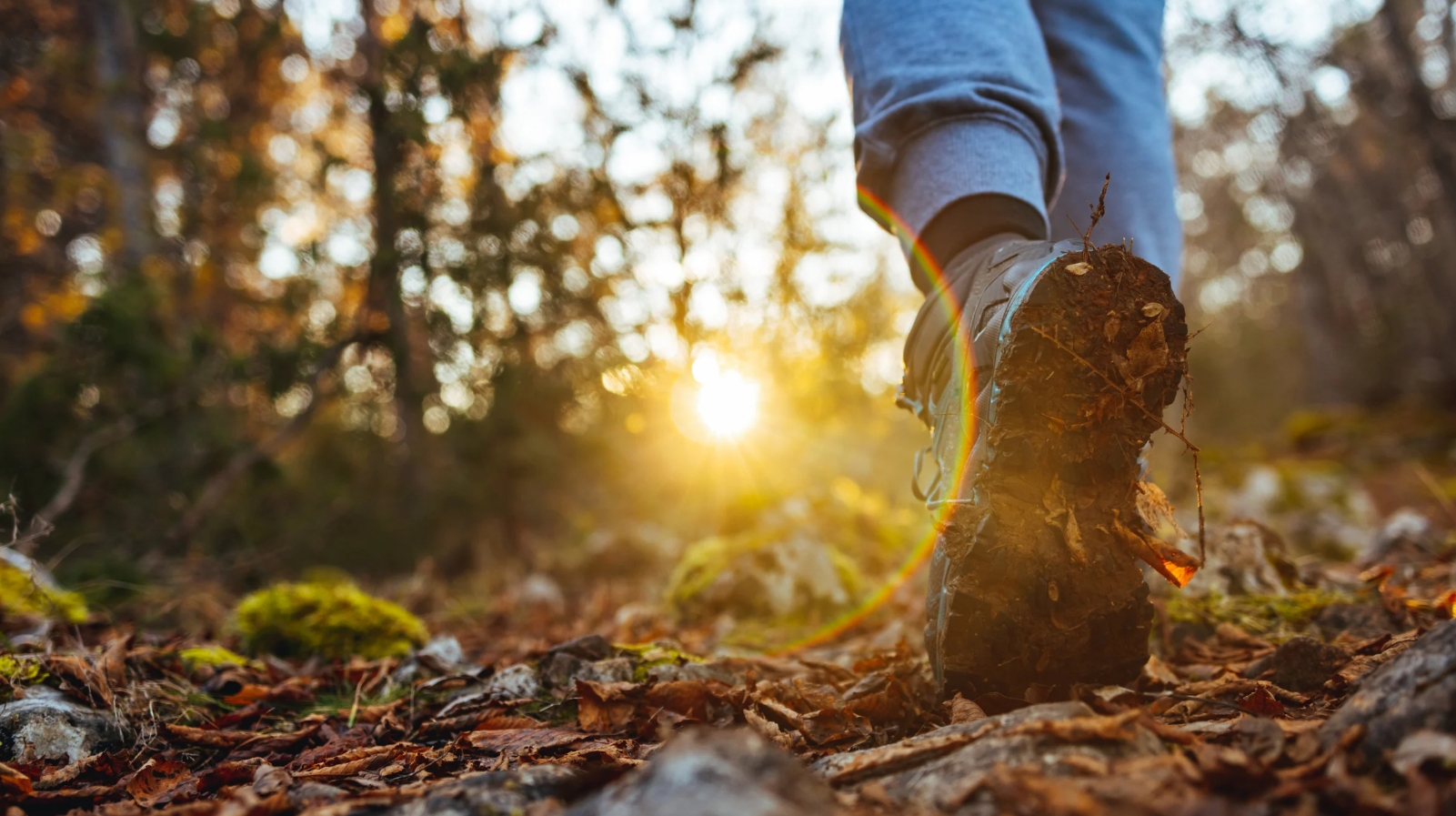

Walking remains one of the safest and most recommended exercises for seniors. It improves circulation, supports joint health, and enhances cardiovascular endurance—all without placing stress on the body.
Why it’s great for summer:
- Can be done in shaded parks or indoor malls
- Requires no special equipment beyond supportive shoes
- Boosts mood, balance, and sleep quality
A doctor may recommend walking 20–30 minutes a day, five times a week, depending on mobility levels and health conditions. For those recovering from illness or surgery, shorter walks with rest intervals still provide significant benefits.
2. Water aerobics: Low-impact strength and cardio
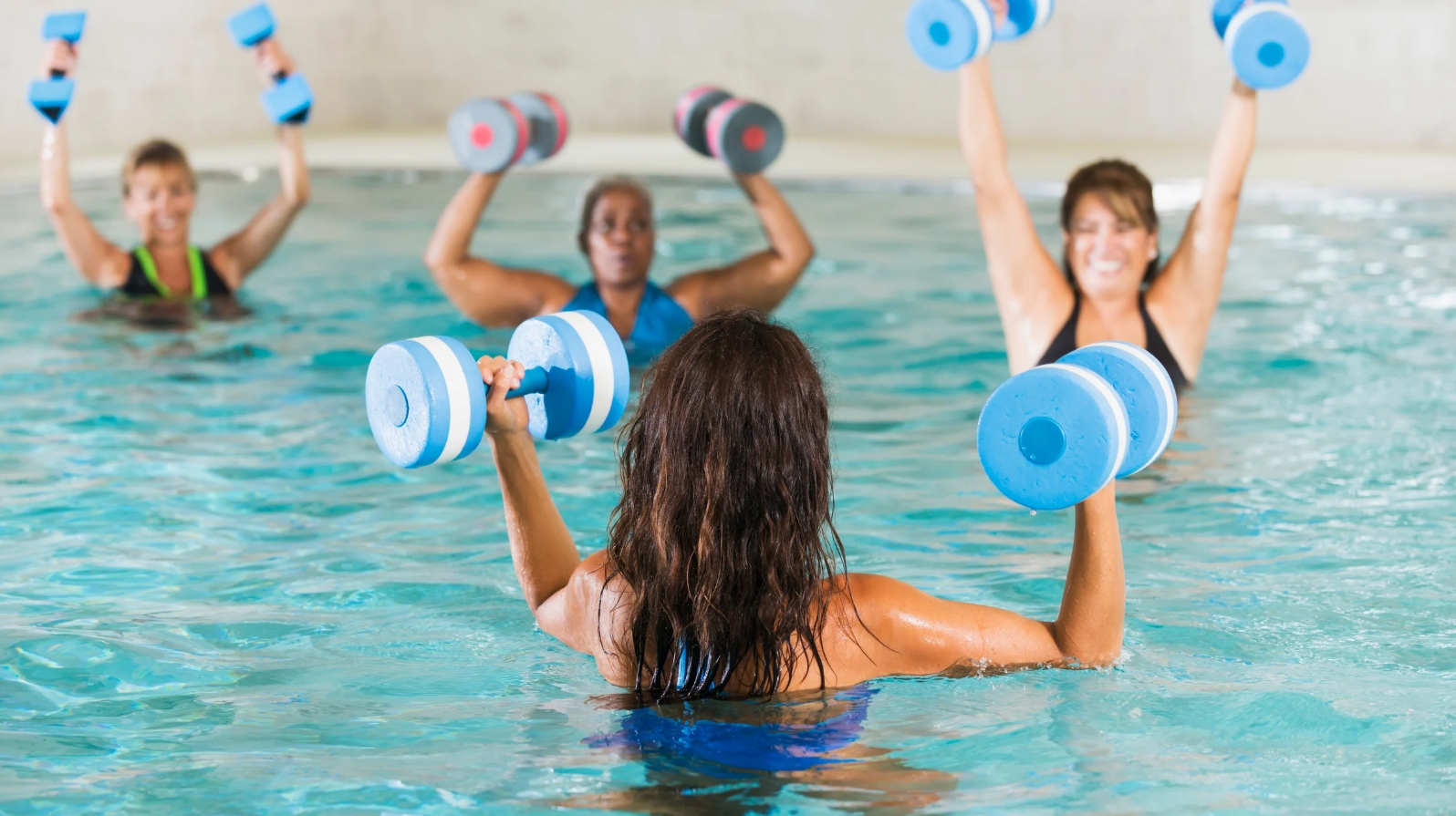

Water aerobics combines the cardiovascular benefits of aerobic exercise with the joint-friendly resistance of water. It’s particularly beneficial for seniors with arthritis, osteoporosis, or limited range of motion.
Why it’s ideal for older adults:
- Reduces pressure on joints while increasing flexibility
- Strengthens muscles without high-impact movement
- Keeps the body cool during hot summer days
Classes are widely available at community centers, gyms, and retirement facilities. Water resistance also helps improve bone density and muscle tone, according to molecular research on age-related muscular decline.
3. Chair yoga and tai chi: Gentle flow and balance


These mind-body practices focus on breathing, gentle movement, and posture control. They are especially valuable for improving flexibility, reducing anxiety, and enhancing balance—key factors in fall prevention.
Summer benefits include:
- Can be practiced outdoors in parks or patios
- Provides meditative calm and stress relief
- Helps improve proprioception and body awareness
Oncologists often recommend tai chi and yoga to cancer patients and survivors as they support physical recovery and mental resilience. For beginners, chair-based versions offer the same benefits in a safe and supportive format.
4. Recreational cycling: A boost for heart and legs
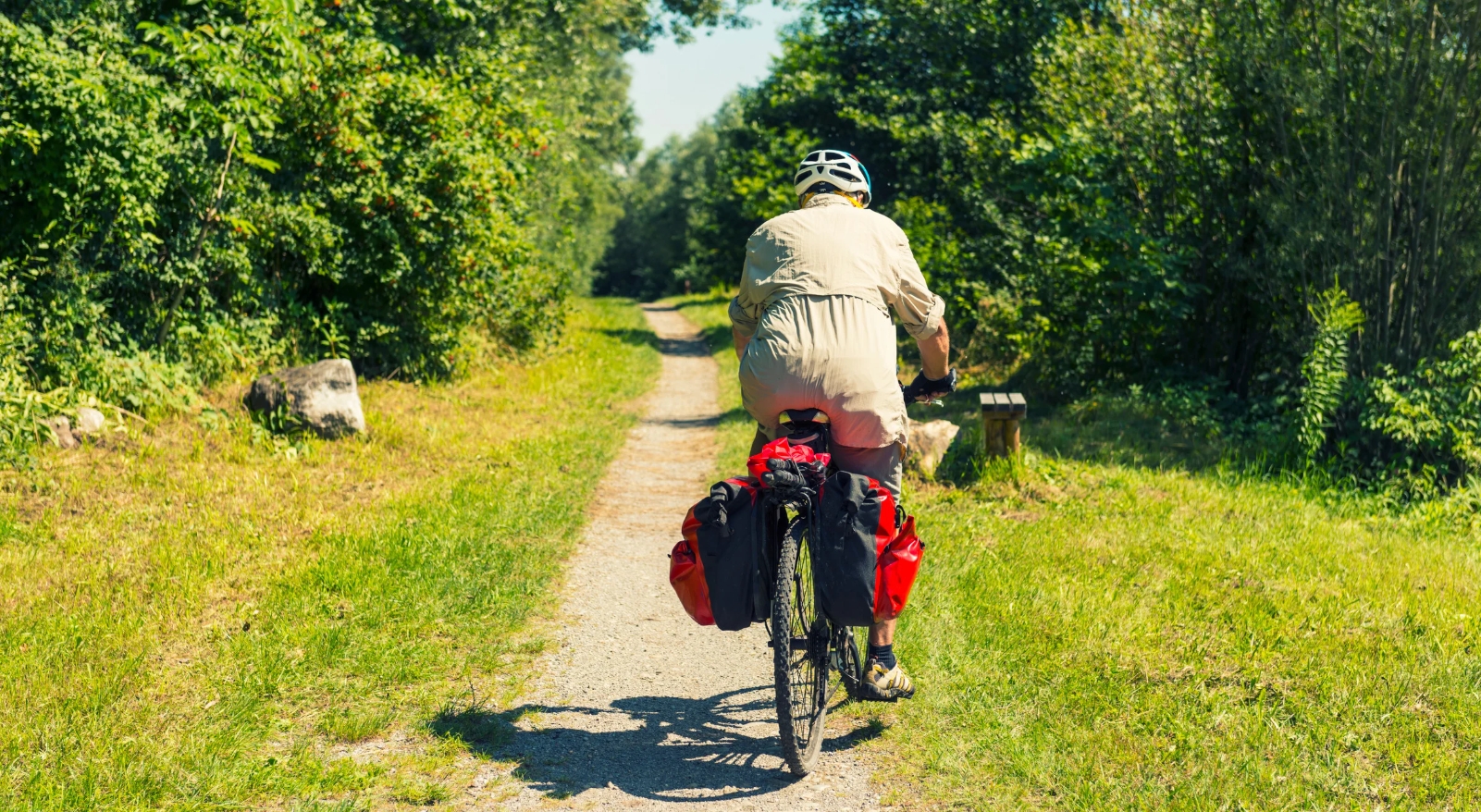

For seniors with good balance and cardiovascular health, recreational cycling offers an enjoyable way to stay fit. It strengthens the lower body, improves coordination, and gets the heart pumping—without the strain of high-impact activity.
Key summer tips:
- Choose early morning or late evening hours to avoid heat
- Stick to smooth, flat bike paths
- Always wear a helmet and bring water
Cycling is also linked to improved metabolic health and reduced risk of colon and breast cancer, according to several epidemiological studies cited by oncology researchers. Stationary bikes are a great alternative for indoor use.
5. Gardening: Functional movement with a purpose
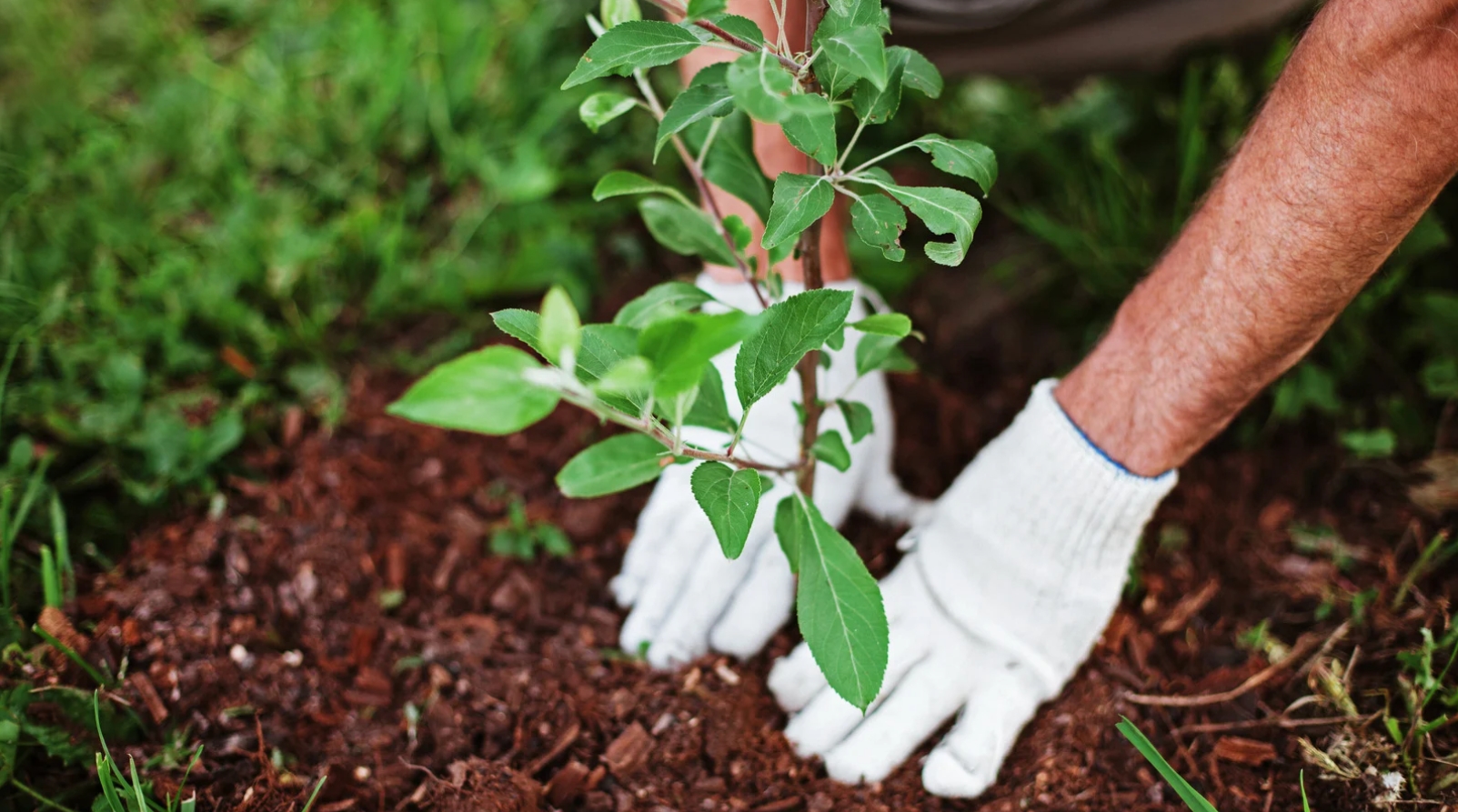

While not always considered formal exercise, gardening is a full-body activity that involves stretching, lifting, balance, and endurance. It encourages functional movement patterns that support daily mobility while offering mental and emotional satisfaction.
Benefits for seniors:
- Encourages light physical activity in short bursts
- Promotes mindfulness and reduces isolation
- Supports joint health through repetitive, controlled motion
Nutritionists also note that home gardening encourages healthy eating habits and greater appreciation for fresh, seasonal foods—important elements of summer wellness.
Hydration, safety, and smart habits
While summer invites more outdoor activity, safety remains a top priority. Seniors should drink water regularly, wear light breathable clothing, and avoid exercising during the hottest parts of the day. A doctor may recommend adjusting medications or routines depending on heat sensitivity or preexisting conditions.
Adding a small snack with protein and electrolytes after activity can aid in muscle recovery and energy restoration. Staying cool, shaded, and socially connected during exercise further enhances both safety and enjoyment.
Stay active, stay joyful
Physical activity in summer can be more than a routine—it can be a source of empowerment, healing, and fun. Whether it’s walking around the block, joining a water aerobics class, or tending to a garden, movement helps seniors maintain their independence and improve quality of life. From the perspective of doctors, nutritionists, and researchers alike, staying active is one of the best tools for healthy aging.
Choose activities that suit your abilities, listen to your body, and make movement a joyful part of your daily summer life. The benefits go far beyond physical strength—they reach the heart, the mind, and the spirit.