


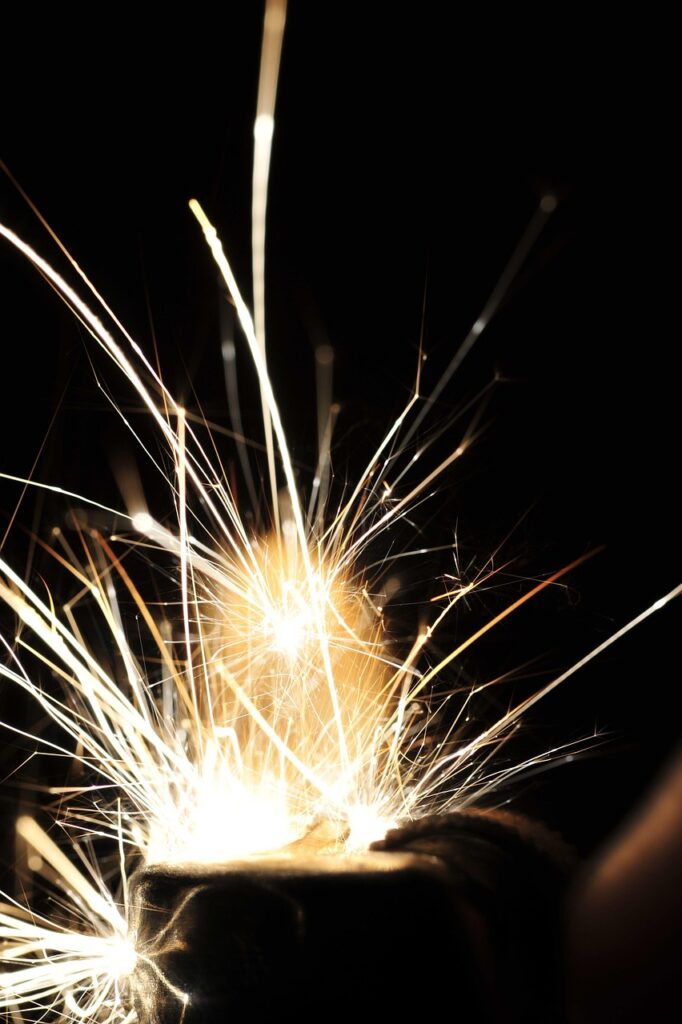
As the Fourth of July approaches, the air fills with the scent of barbecue and the promise of dazzling fireworks painting the night sky. This cherished American tradition brings families and communities together in a burst of patriotic joy. Yet, behind the spectacle lies a less visible reality: significant health and safety risks, particularly for seniors. The smoke that creates the beautiful haze contains fine particulate matter that can pose a serious threat to respiratory health, while the explosive nature of fireworks leads to thousands of preventable injuries each year. But this doesn’t mean we must forgo the celebration. Instead, it’s an invitation to embrace the holiday with renewed wisdom and care, ensuring our festivities honor the spirit of freedom by protecting the well-being of those we love most.
In Brief: Your Guide to a Safe and Joyful 4th
- 🎆 Choose Professional Shows: The safest way to enjoy fireworks is to attend a public display, which also helps contain air pollution to a single area.
- 🌬️ Protect Your Lungs: Be mindful of smoke. Watch from a distance, stay upwind, or enjoy the view from indoors to avoid inhaling harmful particulate matter.
- 🤝 Be a Considerate Neighbor: The sounds of fireworks can be distressing for veterans, trauma survivors, and pets. Consider quieter celebration methods or inform your neighbors of your plans.
- 💧 Prioritize Fire Safety: If using legal fireworks, always have a bucket of water or a hose ready. Douse all used fireworks in water to ensure they are fully extinguished.
- 🐾 Keep Pets Secure: Frightened pets can easily get lost. Keep them safely indoors in a comfortable space with calming sounds to mask the noise.
The Hidden Haze: Why Firework Smoke is a Health Hazard
While the vibrant colors of fireworks are breathtaking, the smoke they release can be a serious health concern, especially for older adults. This smoke is packed with fine particulate matter (PM2.5), tiny pollutants that can travel deep into the lungs and even enter the bloodstream. For individuals with conditions like COPD, asthma, or heart disease, exposure can trigger severe flare-ups. In fact, cities often report air quality plummeting to “unhealthy” or “hazardous” levels on the night of July 4th. There are several ways to avoid injury on July 4, and protecting your respiratory system should be at the top of the list.
“Last year, my husband, who has COPD, had a terrible flare-up after the neighborhood fireworks,” shares Martha, a retired nurse from Arizona. “The smoke was so thick we could taste it. This year, we’ll be watching the city display from indoors, where the air is clean. It’s about enjoying the holiday without compromising our health.” This simple shift in perspective allows us to embrace the celebration while prioritizing our well-being.

Your Checklist for a Responsible Celebration
If you live in an area where personal fireworks are legal and you choose to use them, preparation is everything. Taking a few proactive steps can drastically reduce the risk of fire and injury. Before you even think about lighting a fuse, it’s crucial to review these essential fireworks safety tips to ensure your celebration is memorable for all the right reasons.
- ✅ Know the Law: First and foremost, check your local ordinances. Due to high wildfire risk, fireworks are illegal in many areas. A professional show is always a safer, and often more spectacular, alternative.
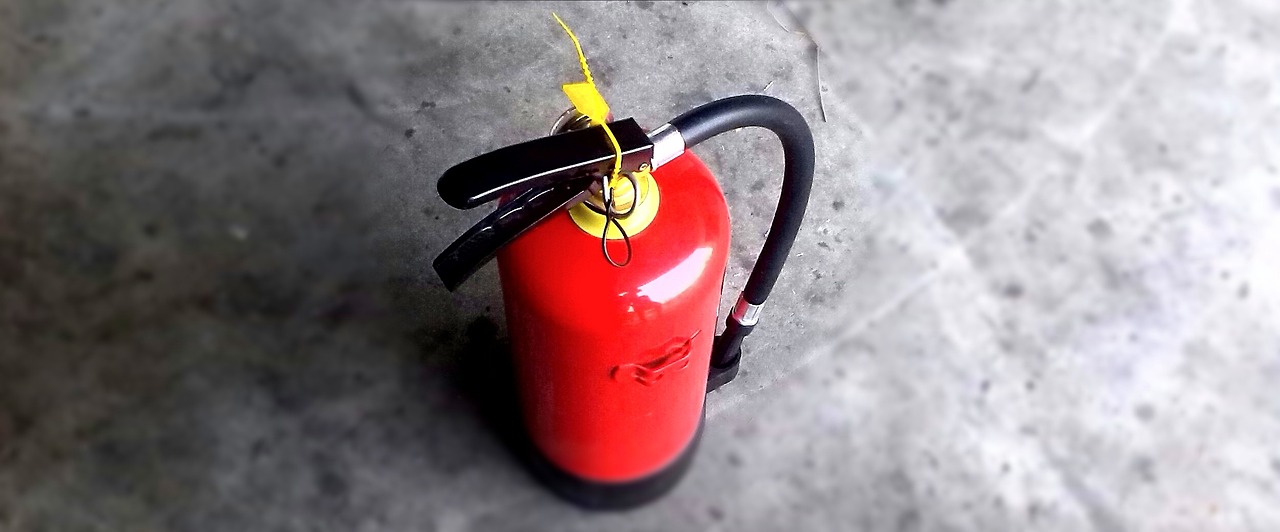
- 💧 Create a Safety Station: Designate a clear, open area for fireworks and establish a “safety station” nearby. This should include a full bucket of water, a connected garden hose, and a fire extinguisher.
- 👓 Gear Up for Safety: Anyone lighting fireworks should wear protective eyewear. Sturdy, heat-resistant gloves are also a wise precaution to prevent burns from sparks.
- 🌬️ Mind the Wind and Debris: Never light fireworks in dry, grassy areas. Pay attention to wind direction to ensure smoke and debris don’t blow toward homes, people, or flammable materials.
Celebrate with Heart: A Mindful Approach to Independence Day
A truly joyous celebration is one that includes everyone’s comfort and safety. The loud, sudden explosions of fireworks can be deeply distressing for veterans and others living with PTSD, triggering anxiety and painful memories. Similarly, our animal companions often experience intense fear. You can celebrate responsibly by giving your neighbors a friendly heads-up if you plan to set off fireworks. This simple act of kindness gives them time to prepare and feel more in control. With a bit of planning, you can protect your loved ones and strengthen your community bonds.
Professional vs. Backyard Fireworks: A Quick Comparison
Still on the fence? This essential safety information can help you make the best choice for your family. Considering the pros and cons can highlight why leaving it to the experts is often the wisest decision.
| Feature | Professional Show 🎆 | Backyard Fireworks 🧨 |
|---|---|---|
| Safety | Professionally managed with extensive safety protocols | High risk of personal injury, burns, and property fire |
| Air Quality | Concentrated in one designated area, often away from homes | Pollutes the immediate air in your neighborhood |
| Experience | Grand, spectacular, and synchronized display | Smaller, limited effects, and requires constant work |
| Community Impact | A shared community experience that brings people together | Can cause noise/PTSD issues for neighbors and frighten pets |

What is the main health concern with firework smoke for seniors?
The primary concern is the high concentration of fine particulate matter (PM2.5), which can penetrate deep into the lungs and enter the bloodstream. For seniors, especially those with pre-existing conditions like asthma, COPD, or heart disease, this can trigger severe respiratory distress, cardiovascular events, and other serious health issues.
How can I create a safe space for a pet that is terrified of fireworks?
Keep them indoors in a secure, comfortable room. Close the windows and curtains, and play calming music or turn on the TV to help mask the noise. A comforting blanket or a special toy can also help. Never leave a panicked pet outside.
What’s the proper way to dispose of used fireworks?
Never assume a firework is fully extinguished after use. The safest method is to submerge it completely in a bucket of water overnight. Afterward, you can place the soaked firework in a sealed plastic bag and dispose of it with your regular household trash.
The illustration photo accompanying this article was generated by AI. Additionally, some testimonials may be fictional and have been included for illustrative purposes.