


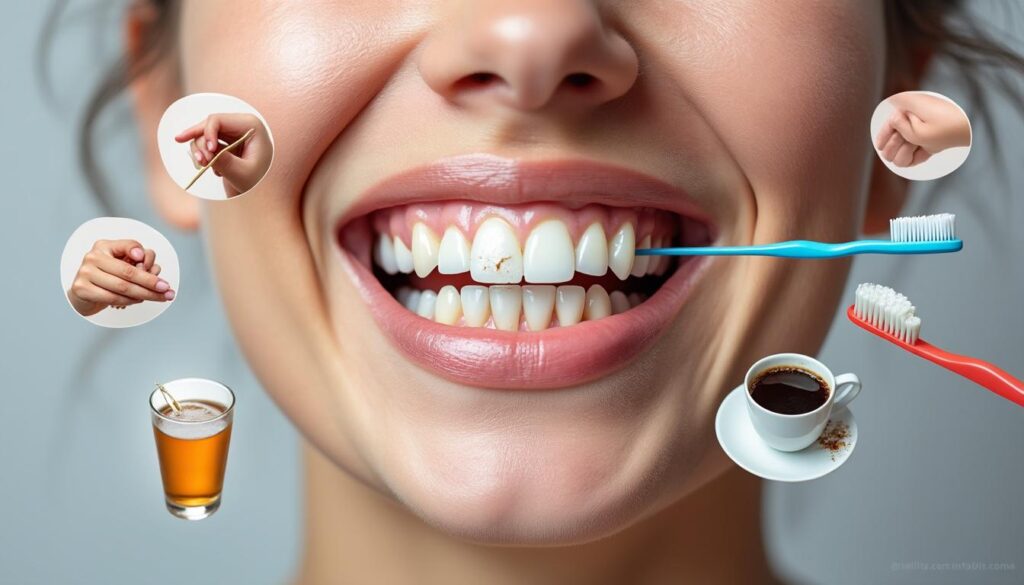
Hidden Dangers of Chewing on Hard Surfaces: How Small Habits Wear Down Your Enamel
Many individuals unknowingly engage in seemingly harmless actions such as chewing on pen caps, biting nails, or crunching ice. However, dentists warn these everyday habits can have serious long-term impacts on oral health. The constant pressure and force exerted during these activities gradually wear down the enamel—the tooth’s protective outer layer—leading to microfractures that can deepen over time.
Dr. Nicole Khalife, a respected general dentist, explains that this enamel degradation often necessitates restorative treatments such as crowns or root canals in severe cases. Fortunately, recognizing stress-related chewing tendencies can be the first step. People prone to chewing on hard objects during moments of anxiety or distraction might find relief by substituting with softer alternatives like sugar-free gum.
Children and teenagers, in particular, benefit from behavioral redirection tools such as fidget items to combat nail-biting, which is a common oral habit linked to dental damage. In 2026, dental experts emphasize breaking these cycles early can prevent costly dental repairs and preserve natural tooth structure.


Understanding the connection between these seemingly trivial behaviors and dental health encourages better oral hygiene practices. By simply holding a fidget tool or reaching for gum instead of a pen cap, individuals can protect their enamel integrity in the long run. This adjustment also helps minimize the impact of acidic foods and environmental factors on already compromised teeth, ensuring that daily challenges like tooth decay are reduced.
In addition to enamel wear, frequent chewing on hard surfaces can cause sensitivity and discomfort. This sensitivity often triggers individuals to use excessive amounts of whitening products in an attempt to restore their smile, which in turn further weakens the enamel—a vicious cycle many are unaware of. Awareness about these habits must be heightened in patient education to foster lifelong oral hygiene improvements.
Why Using Your Teeth As Tools Creates Irreversible Damage
Another commonly overlooked habit detrimental to dental health is employing teeth as makeshift tools. Whether opening stubborn packages, twisting off bottle caps, or even tearing tape, using teeth for non-dental tasks can inflict chips, cracks, or fractures — especially on front teeth.
Dr. Jie Sun, a leading prosthodontist, warns that these actions not only compromise dental structure but may cause gum lacerations and irritation. Beyond physical injury, the bacteria present on objects bitten or manipulated can introduce infections, exacerbating gum inflammation and increasing susceptibility to gum disease.
Structural damage like deep fractures or enamel loss is permanent and often requires comprehensive restoration, including crowns or veneers. Dental experts unanimously advocate for stricter prevention: teeth are designed for eating, not as tools. By respecting their natural function, patients can preserve their dental restorations and minimize exposure to systemic health risks.
Instances have been recorded where the misuse of teeth led to unexpected emergencies such as loose restorations necessitating urgent intervention. Dental practitioners in 2026 emphasize educating patients about the hidden hazards of this behavior, as prevention remains far more cost-effective and less invasive than treatment.
Simple lifestyle changes such as keeping scissors or bottle openers handy and consciously avoiding the temptation to use teeth protect oral health and prevent issues related to tooth sensitivity and decay. Combined with good flossing habits and proper brushing, refraining from using teeth as tools significantly contributes to maintaining a robust smile.
Mouth Breathing and Its Surprising Impact on Oral Hygiene and Facial Development
Breathing predominantly through the mouth instead of the nose is often overlooked as a harmful habit, yet it significantly affects oral and overall health. Saliva plays a critical role in neutralizing oral acids, but mouth breathing reduces saliva flow, making the mouth prone to enamel erosion, increased tooth decay, and gum inflammation.
Moreover, Dr. Jie Sun highlights that in children, chronic mouth breathing can interfere with proper facial development and lead to orthodontic challenges later on. Nasal breathing, unlike mouth breathing, filters, warms, and humidifies the air, preventing allergens and pathogens from directly entering the respiratory system.
Constant exposure to unfiltered air irritates oral tissues and airways, lowering immunity and raising the risk of infections. Identifying causes such as allergies or nasal obstructions is essential in addressing this problem. Equipping patients with knowledge about nasal breathing benefits and providing treatment for underlying conditions not only supports oral health but also improves sleep quality and overall wellbeing in 2026.
Correcting mouth breathing can aid in preventing accelerated enamel wear and troublesome gum issues. Integrating this understanding into oral hygiene routines aligns well with managing risks associated with smoking or tobacco use, which exacerbate gum disease.

For adults and children alike, transitioning away from mouth breathing can be accomplished with targeted therapies and lifestyle changes advised by dental professionals. Educating patients on the broader consequences encourages commitment to healthier habits, supporting sustained oral and general health.
The Risks of Overusing Whitening Products: Sensitivity and Enamel Thinning
With the popularity of at-home whitening kits, many people assume prolonged use leads to better results. However, dentists caution that excessive whitening, especially with store-bought gels or strips, can cause significant damage to sensitive oral tissues and the enamel surface.
Dr. Nicole Khalife points out that overuse often leads to enamel thinning and heightened tooth sensitivity to temperature changes, along with gum irritation. These side effects can become permanent, severely impacting quality of life and sometimes necessitating professional restorative treatments such as bonding or veneers.
Signs of issues include sudden stabbing sensations upon consuming cold or hot beverages and persistent gum discomfort post-whitening. Dental experts in 2026 urge patients to seek professional guidance before incorporating whitening products into their oral hygiene routine and recommend limiting use frequency to avoid long-term consequences.
Additionally, over-reliance on whitening products as a quick fix can distract from addressing underlying causes like frequent snacking or overuse of mouthwash overuse, which also contribute to enamel degradation. Combining safe whitening practices with consistent oral hygiene, including gentle brushing techniques that avoid hard brushing, can help maintain a bright, healthy smile over time.
How Neglecting Flossing and Brushing Mistakes Accelerate Gum Disease and Cavities
Oral hygiene experts agree that many chronic dental problems stem from overlooking proper brushing and flossing techniques. Skipping floss increases plaque buildup in spaces unreachable by a toothbrush, promoting gum inflammation and eventual recession. This process creates a breeding ground for tooth decay and cavities.
Brushing habits also play a fundamental role. Applying excessive force, or brushing immediately after consuming acidic meals, can accelerate enamel erosion and dentin exposure. This leads to heightened sensitivity, increased risk of cracking, and a dull tooth appearance.
Dental professional Dr. Sandip Sachar recommends using a soft-bristled toothbrush and adopting gentle circular motions instead of aggressive back-and-forth scrubbing. Additionally, waiting at least 30 minutes post-meal before brushing allows saliva to neutralize acids, mitigating mechanical damage.
Developing consistent brushing twice a day and flossing once daily with waxed floss or floss picks prevents the buildup of harmful bacteria. Floss picks, though slightly less effective than traditional floss, often improve compliance and are better than skipping flossing entirely. This consistency remains a pillar of preventive care in 2026, with regular dental checkups to monitor changes stemming from lifestyle habits.
Incorporating a simple daily routine that avoids common brushing mistakes and prioritizes effective flossing can significantly reduce the incidence of gum disease, cavities, and tooth sensitivity. This approach aligns with advice on managing other risk factors like nighttime teeth grinding and restricting frequent or overnight snacking, which feed damaging oral bacteria.
- Use a soft-bristled toothbrush and brush gently in circular motions.
- Wait at least 30 minutes after meals to brush your teeth.
- Floss once daily using waxed string or floss picks.
- Avoid brushing too hard to protect enamel.
- Maintain regular dental check-ups for early intervention.
By mastering these foundational techniques, patients minimize the risk of developing advanced dental problems and maintain strong, healthy gums and teeth with less effort.
For further information on how small lifestyle modifications can improve your health, including oral hygiene, explore this resource on building healthy habits step by step and enhance your dental health journey.
Can chewing ice really damage my teeth?
Yes, repeatedly chewing on hard surfaces like ice can cause enamel wear and microfractures that may eventually require dental repairs like crowns or root canals.
Why is brushing too hard bad for my teeth?
Hard brushing wears down enamel, exposes the softer dentin beneath, and increases sensitivity and risk of tooth decay. Using a gentle, circular brushing technique is recommended.
How often should I floss to maintain healthy gums?
Flossing once daily is essential to remove plaque and food particles from areas your toothbrush can’t reach, preventing gum inflammation and cavities.
What are the risks of mouth breathing on oral health?
Mouth breathing reduces saliva flow that neutralizes acids, leading to enamel erosion, increased tooth decay, gum inflammation, and can affect facial development in children.
Is overusing teeth whitening products harmful?
Excessive whitening can thin enamel, cause sensitivity and gum irritation, sometimes requiring professional intervention like bonding or veneers to repair.