



Optimizing Your Post 5 PM Routine for Improved Sleep Hygiene and Healthy Aging
As we transition into the evening, the habits we cultivate after 5 P.M. play a pivotal role in promoting healthy aging. Sleep hygiene emerges as a core pillar impacting not only how rejuvenated we feel the next day but also influencing long-term wellness and longevity. In 2026, experts emphasize that quality sleep can greatly reduce chronic inflammation, enhance the immune system, foster muscle recovery, and boost cognition – all vital for aging gracefully.
Dr. Suneye Koohsari, a renowned specialist on longevity, points out that adopting a mindful evening routine shapes not just your present vitality but your future quality of life. The body begins its regenerative processes during rest, making post-5 PM habits essential for priming your system for deep restorative sleep.
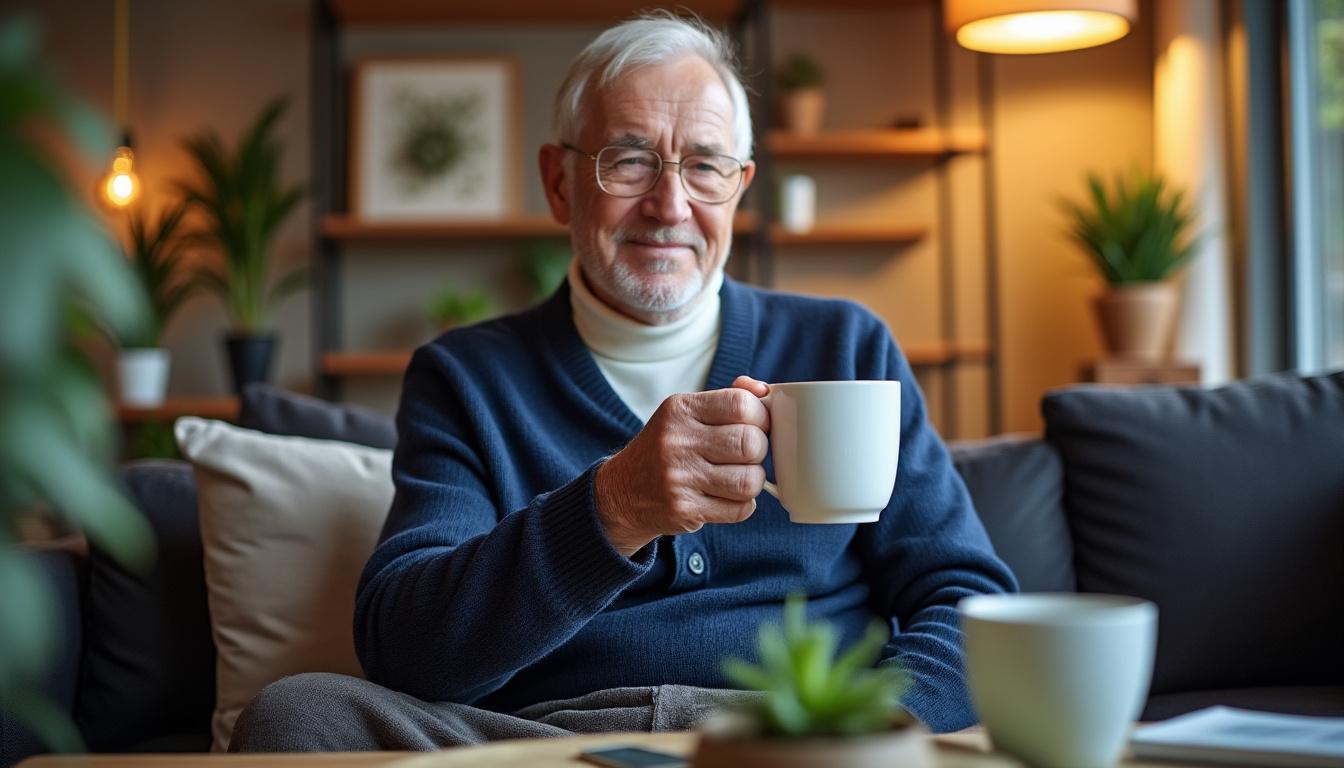
One practice widely endorsed is replacing caffeinated beverages with herbal, non-caffeinated teas like chamomile after the early evening. Chamomile’s muscle-relaxing qualities can ease the transition to restful slumber. This shift aligns with recommendations to avoid caffeine at least eight hours before bedtime, as caffeine disrupts the sleep-wake cycle by inhibiting melatonin production, the hormone responsible for sleep regulation.
For individuals who previously relied on evening caffeine or struggled with late-night restlessness, switching to calming teas offers a practical way to enhance their sleep hygiene. Besides, regulating light exposure is crucial. Experts advise dimming lights and powering down screens soon after dinner to reduce blue light exposure, which suppresses melatonin secretion.
In addition to beverage choices and lighting adjustments, maintaining a consistent bedtime schedule fortifies the body’s internal clock. This predictable routine helps the brain prepare for sleep, leading to improved sleep latency and quality, factors demonstrated to support mental clarity and emotional wellness over time.
Adopting these evening habits to support healthy aging can transform your nights, preparing both your mind and body for revitalization. The shift not only impacts sleep but also indirectly reduces risks of chronic diseases such as cardiovascular issues and diabetes, underscoring the interconnection between evening rituals and physical health.

Engaging in Gentle Physical Activity After Dinner to Enhance Digestion and Blood Sugar Control
Incorporating physical activity into your post 5 PM routine can yield profound benefits for healthy aging, particularly when the activity is gentle and aids digestion. A simple walk after dinner has emerged as one of the most effective habits, helping to stimulate intestinal motility, which facilitates efficient food processing and nutrient absorption.
Registered dietitian Courtney Pelitera highlights that with advancing knowledge of the gut microbiome’s influence on overall health, optimizing digestion through evening walks has become essential. This practice supports gut health, which influences inflammation regulation and immune response crucial for aging well.
Moreover, light physical activity after eating can improve blood sugar regulation by preventing prolonged sedentary periods. Dr. Koohsari references a 2025 study that demonstrated light-intensity walking reduces insulin resistance risk by stabilizing postprandial glucose levels. For aging adults, this mechanism plays a preventive role against type 2 diabetes and metabolic syndrome.
Evening movement doesn’t have to be limited to walks. Engaging in gentle yoga stretches or tai chi can also promote relaxation, muscle flexibility, and stress reduction. These activities complement other relaxation techniques, creating a holistic approach to winding down the day while nurturing physical wellness.
Practical examples include:
- Taking a twenty-minute stroll around the neighborhood to aid digestion and reduce blood sugar spikes.
- Following a short sequence of gentle yoga poses focusing on breathing and stretching.
- Engaging with family or pets outdoors to combine social connection with physical activity.
By prioritizing movement during your evening hours, you integrate essential physical activity without overexerting, which is often a concern for older adults. This balanced integration supports not just metabolic health, but also encourages a more sound and refreshed sleep.
For more expert advice on refining healthy habits in the evening, you can explore proven evening habits for healthy ageing that have gained popularity recently.
Stress Reduction Techniques for Mental Wellness and Longevity in Your Evening Hours
Managing stress effectively during the evening is fundamental for mental wellness and promotes healthy aging by lowering chronic stress markers that accelerate cellular aging. Experts strongly recommend cultivating relaxation techniques that can be naturally interwoven into your post-workday routine.
Effective methods include journaling, which allows emotional expression and reflection, meditation that enhances mindfulness and stress resilience, and deep breathing exercises that activate the parasympathetic nervous system. These have shown remarkable effects on reducing cortisol levels, the stress hormone linked to inflammation and age-related disorders.
Dr. Koohsari emphasizes the significance of consistent stress management on emotional resilience, further linking it to physical health outcomes such as cardiovascular protection and cognitive longevity. Equally important is the role of social interaction, whether through therapy sessions or intimate conversations with loved ones, which offer emotional support and reduce feelings of isolation.
In addition, creating a calming environment through dim lighting, playing soft music, or introducing aromatherapy using essential oils like lavender can enhance relaxation and prepare the mind and body for sleep.
Here is a list of stress reduction activities suitable for after 5 P.M.:
- Guided meditation or breathing exercises for 10-15 minutes.
- Writing down thoughts and gratitude notes to declutter your mind.
- Stretching or gentle yoga sequences focused on relaxation.
- Using calming scents or sounds to establish a tranquil atmosphere.
- Engaging in meaningful conversations to foster connection and emotional support.
The intersection of these relaxation techniques with sound sleep hygiene effectively primes both mind and body for rejuvenation, thereby supporting cellular repair and brain health critical during aging.

Nutrition Strategies After 5 P.M. That Facilitate Restorative Sleep and Healthy Metabolism
Nutrition is a powerful lever in the post-5 PM hours for supporting metabolic health and enhancing sleep quality. Consuming a balanced evening snack that combines protein, healthy fats, and fiber can sustain stable blood sugar levels overnight while preventing disruptions caused by hunger.
Courtney Pelitera provides practical advice on choosing snacks such as Greek yogurt with a small amount of nut butter and a few dark chocolate chips. These components not only satisfy cravings but also slow digestion, mitigating sharp glucose fluctuations that can disturb sleep or impact diabetes control.
Avoiding late-evening caffeine and alcohol is equally crucial. Alcohol, though often perceived as a sleep aid, actually fragments sleep cycles and impairs long-term heart health and cancer risk profiles. Experts increasingly recommend skipping nightcaps entirely to optimize the aging process.
Hydration also plays a critical role but must be timed thoughtfully. Experts suggest drinking fluids during the early evening hours while then tapering off at least one hour before bedtime to minimize nocturnal awakenings due to bathroom visits, a common challenge for older adults.
Incorporating fiber-rich foods during dinner supports fullness and digestion, promoting a more satisfying and metabolically balanced evening. Some recommended fiber sources include:
- Vegetables such as broccoli, carrots, and leafy greens.
- Whole grains like quinoa, barley, or brown rice.
- Legumes such as lentils, chickpeas, or black beans.
Adapting nutrition based on these principles forms a cornerstone of an effective evening regimen that boosts overall vitality and supports the body’s natural reparative functions overnight. For comprehensive tips on aligning nutrition with evening wellness, resources detailing healthy evening routines to balance brain and gut health offer valuable insights.
The Role of Consistent Evening Habits and Lifestyle Adjustments in Promoting Longevity
Persistent, consistent evening habits form the keystone for successful healthy aging by synergizing the benefits of physical activity, nutrition, sleep hygiene, and stress reduction. Experts agree that it’s not just isolated habits but their combination that contributes to extending healthspan—the period of life free from chronic illness.
Integrating these routines beginning at or after 5 P.M. strengthens the body’s circadian rhythm, improves mental wellness, and downregulates inflammatory pathways that accelerate aging.
Some effective lifestyle adjustments include:
- Establishing a relaxing pre-sleep routine to signal the body transition to rest.
- Choosing intentional physical activity focused on light exercise and movement.
- Tailoring nutrition timing and content to support metabolic balance and avoid late-night disruptions.
- Enforcing screen curfews to support natural melatonin release and preserve sleep phases.
- Using mindfulness and relaxation to reduce physiological and psychological stress.
Incorporating these evening habits yields measurable outcomes such as reduced cardiovascular risk, enhanced cognitive function, and stronger immune defenses, all of which compound over years to support graceful aging.
For those looking to embark on this journey, several comprehensive programs and expert-led seminars provide structure and motivation to adopt such routines sustainably. A deeper engagement with the evolving research and practical tools can be found via trusted wellness platforms, providing step-by-step guidance on adopting these transformative habits in your daily life.
Why is it important to avoid caffeine after 5 P.M.?
Caffeine consumed late can disrupt your sleep cycle by blocking adenosine receptors and suppressing melatonin production, making it harder to fall asleep and diminishing sleep quality, which negatively impacts healthy aging.
How can a walk after dinner support healthy aging?
Walking after dinner aids digestion by stimulating intestinal motility and helps regulate blood sugar levels, which reduces insulin resistance risk and supports metabolic health as you age.
What relaxation techniques are best for reducing evening stress?
Methods such as journaling, meditation, deep breathing, and gentle yoga are highly effective for reducing cortisol levels and creating a calming environment that supports mental wellness and sleep hygiene.
Is consuming a snack before bedtime beneficial?
Consuming a balanced snack with protein, healthy fats, and fiber can stabilize overnight blood sugar levels, prevent hunger-induced sleep disruptions, and support overall metabolism, which is especially helpful for individuals managing diabetes.
Why should alcohol be avoided in the evening for healthy aging?
Alcohol negatively affects sleep cycles, mood, and long-term cardiovascular health, and increases cancer risk, making it best to skip the nightcap to preserve optimal health and support longevity.