



The journey back to school marks a pivotal period filled with a blend of anticipation and challenges for students and their families alike. As the summer warmth fades and routines begin to shift, it’s vital to embrace strategies that ensure not just a smooth return, but one that fosters growth, resilience, and enthusiasm for learning. Navigating this transition requires a multifaceted approach involving thoughtful preparation, emotional support, and the cultivation of healthy habits that lay the groundwork for academic success and personal well-being.
From setting a stable sleep schedule early to creating an inviting study environment filled with trusted supplies from brands like Crayola, Bic, and Five Star, each step plays a crucial role. Moreover, leveraging technology from Apple, Microsoft, and Dell offers students dynamic tools to engage with their education. Parents and educators must also pay attention to emotional readiness, balancing pressures and supporting mental health to prevent back-to-school anxiety.
This comprehensive guide delves into practical advice, expert-backed strategies, and achievable routines designed to empower families through this significant transition. By addressing key factors such as balanced self-care, effective communication, and stress management alongside organizational tips, every learner can embark on their school year with confidence and ease. Discover how combining trusted resources, expert guidance, and mindful habits will transform a potentially daunting period into an opportunity for thriving success.

Establishing Healthy Routines for a Successful Back-to-School Season
One of the foundational pillars of a thriving back-to-school transition is the establishment of consistent, healthy routines well before the first day. After the more relaxed pace of summer, resetting bedtime and wake-up schedules early can significantly reduce stress and fatigue on the first weeks of school. Using a gradual approach to adjust sleep by 15 to 30 minutes daily helps children acclimate without feeling deprived or overwhelmed.
Nutrition also plays a vital role in maintaining energy throughout the day. Incorporating balanced meals rich in proteins, healthy fats, and complex carbohydrates ensures steady concentration and stamina. Families might consider prepping breakfast options or snacks in advance to avoid morning chaos. Aligning meal times with school schedules encourages digestive regularity and supports healthy metabolism.
Daily Schedule Tips and Tools for Families
Helping children visualize their day can empower them to anticipate and manage transitions more smoothly. Tools from Staples and Target offer planners, calendars, and organizational aids designed to engage young learners. Parents can introduce a morning checklist including tasks like packing backpacks, checking homework, and selecting outfits featuring favorite brands such as Nike or JanSport backpacks.
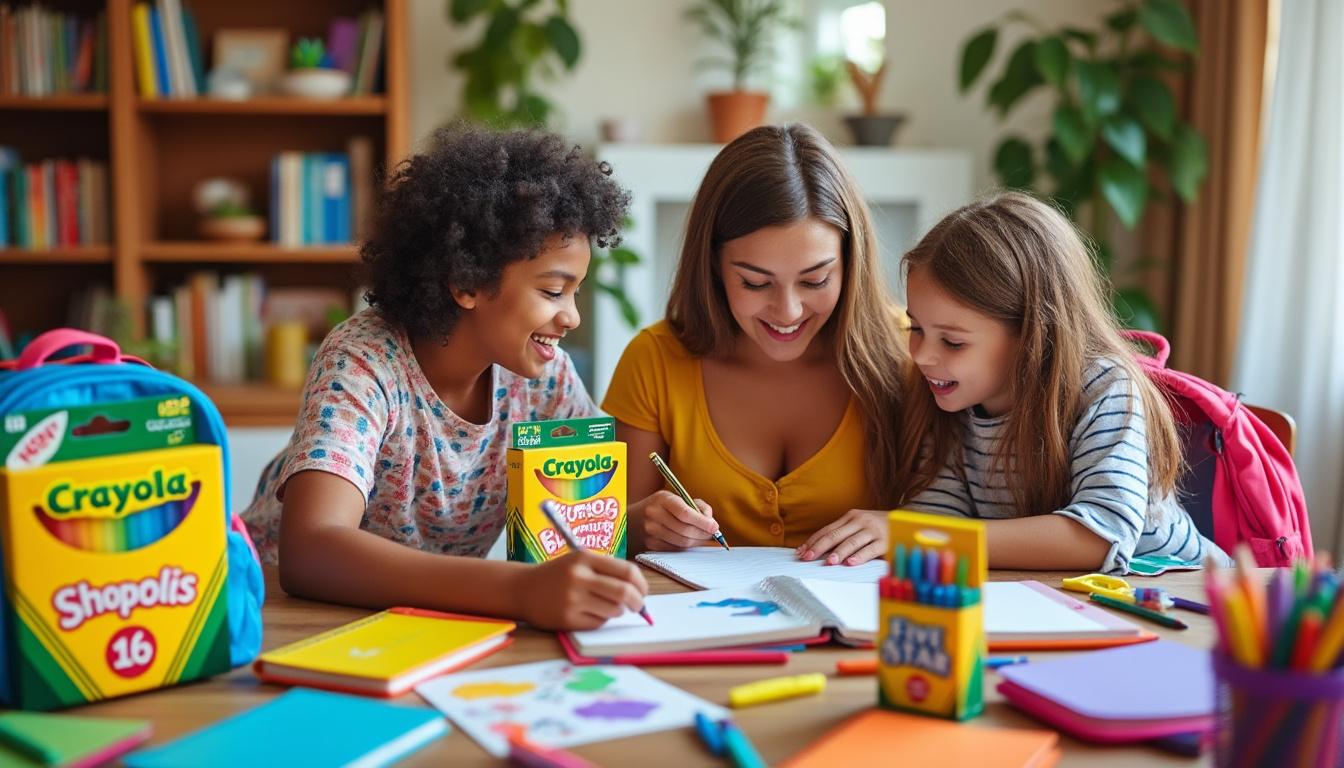
Creating a dedicated homework area stocked with essential supplies from Bic pens to Five Star notebooks fosters a productive environment. It’s important that the space is well-lit, quiet, and free from distractions to help kids settle into focused study habits. Technology, in moderation, can support this, with devices from Apple or Dell providing access to educational apps and online resources under guided supervision.
- Start adjusting bedtime and wake-up times at least two weeks before school starts.
- Plan and prepare meals aligned with school hours to maintain energy levels.
- Use color-coded planners and checklists to visualize daily responsibilities.
- Create a quiet, organized study station with trusted supplies from Staples or Target.
- Incorporate technology like tablets or laptops from Apple and Microsoft responsibly.
Maintaining these routines beyond just the start of school benefits long-term wellbeing and academic performance. Consistent habits reduce anxiety and help children feel in control, easing them into a busy schedule without overwhelm. For deeper insights, you can explore strategies at Live Well Magazine’s guide on healthy routines and Psychology Today’s best bets for back to school.
| Routine Aspect | Recommended Practice | Benefit | Suggested Supplies |
|---|---|---|---|
| Sleep | Incrementally adjust times 15-30 minutes earlier | Reduces morning grogginess and stress | Alarm clocks, comfortable bedding |
| Nutrition | Balanced meals aligned to schedule | Maintains energy and focus | Reusable lunch containers |
| Organization | Visual planners, checklist routines | Boosts autonomy and reduces anxiety | Planners, pens, folders from Staples |
| Study | Dedicated space with minimal distraction | Enhances concentration and productivity | JanSport backpacks, Five Star notebooks |
| Technology Use | Supervised, purposeful use of devices | Supports learning without overuse | Apple iPads, Microsoft laptops |

Emotional Preparedness and Back-to-School Anxiety Management
The emotional shift that accompanies the return to school can be as demanding as the physical adjustment to new schedules. Students often experience a complex mix of excitement and nerves, with social pressures, academic expectations, and changes in routine sparking anxiety. Recognizing and addressing these feelings early is critical to supporting children’s mental health.
Parents, teachers, and caregivers can foster emotional resilience by encouraging open communication and validating children’s concerns. Acknowledging all feelings — from excitement to fear — helps normalize their experience. When children feel heard and supported, they build trust and are more likely to express challenges before they escalate.
Strategies for Supporting Emotional Well-being
Experts recommend consistent family time focused on meaningful conversations and stress-relieving activities, such as physical exercise or creative arts. Incorporation of calming techniques — mindful breathing, journaling, or guided meditation — also helps students develop self-regulation skills.
Schools and communities increasingly recognize the importance of mental health, with resources and counseling readily available. Engaging with professionals at the first signs of distress can prevent escalation. For helpful tips from pediatricians and counselors, visit Franciscan Health’s back to school tips or Sandstone Psychology’s guide for therapists.
- Maintain open dialogue about feelings and worries.
- Establish family routines that include downtime and relaxation.
- Encourage extracurricular activities that build confidence.
- Practice mindfulness or meditation as a daily habit.
- Seek professional support when emotional distress persists.
| Emotional Need | Recommended Action | Expected Outcome |
|---|---|---|
| Validation | Regular conversations acknowledging feelings | Builds trust and self-expression |
| Stress Relief | Incorporate exercise and mindfulness | Improves mood and focus |
| Social Connection | Encourage team sports or clubs | Enhances belonging and self-esteem |
| Professional Support | Engage counselors or therapists as needed | Prevents escalation of anxiety |

Leveraging Technology and Trusted Brands for Academic Success
In the digital age, integrating technology thoughtfully enhances learning opportunities. Devices from Apple, Microsoft, and Dell offer versatile platforms that accommodate diverse learning styles, from interactive apps to online research and collaborative projects. These tools are indispensable when paired with reliable school essentials from Staples and Target, plus creative supplies like Crayola markers and Bic pens for traditional note-taking and projects.
Investing in reputable brands goes beyond functionality; it builds consistency and confidence in preparing for school demands. Backpacks from JanSport or footwear from Nike not only offer durability but also support physical comfort and personal style, important for self-expression at school.
Maximizing Educational Tools in 2025
Parents and students can optimize tech by setting clear boundaries around usage times, ensuring balance between screen time and offline activities. Apps designed for time management, such as planners or reminder systems compatible with Microsoft or Apple devices, support organization and task completion. Hybrid learning or remote assignments have made owning reliable devices essential.
- Select quality backpacks and school gear from trusted stores like Staples and Target.
- Use digital calendars and reminder apps on Apple or Microsoft platforms.
- Keep creative supplies like Crayola art materials and Bic pens handy for effective note-taking and projects.
- Invest in ergonomic gear such as Nike shoes to support comfortable movement through school days.
- Monitor device use to prevent overdependence and eye strain.
| Brand/Tool | Use | Benefits | Where to Buy |
|---|---|---|---|
| Apple iPad | Educational apps, digital notes | Interactive learning, portability | Apple Store, Target |
| Microsoft Surface | Research, assignments, multitasking | Versatility, multitasking ability | Microsoft Store, Staples |
| Dell Laptop | Remote learning, projects | Powerful hardware, reliability | Staples, Best Buy |
| JanSport Backpack | Carrying books and supplies | Durability, comfort | Target, JanSport website |
| Crayola and Bic Supplies | Art and writing needs | Quality, creativity enhancement | Staples, Target |
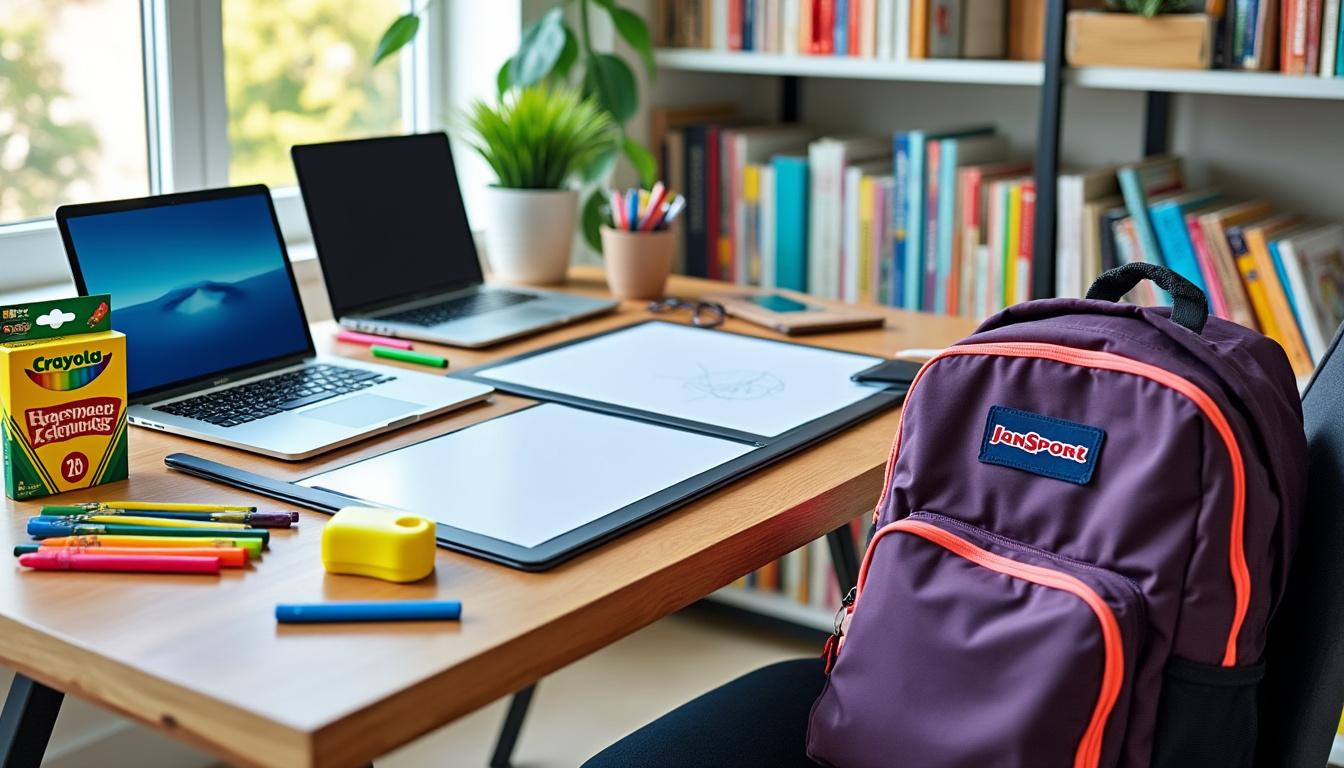
For more on how to leverage these tools effectively, read expert strategies at The Essential Back-to-School Blueprint and tips from YMCA back to school tips.
Balancing Priorities with Self-Care and Stress Management
Juggling academic demands, extracurricular activities, and social commitments can lead to burnout if self-care is neglected. Encouraging students to recognize their limits and prioritize mental and physical health is fundamental. Parents can model balance by managing their schedules and creating a home atmosphere that values downtime.
Practical approaches include scheduling breaks, fostering hobbies, and ensuring sufficient sleep and nutritious meals. Wearable devices and apps can track activity and sleep quality, highlighting areas needing adjustment. Experts at HMH Counseling recommend techniques like setting realistic goals and learning to say no to overwhelm.
- Plan weekly schedules including dedicated downtime.
- Track sleep and physical activity for holistic health.
- Set realistic expectations to prevent overloading.
- Encourage hobbies and social connections.
- Recognize signs of burnout early and adjust accordingly.
| Self-Care Aspect | Action | Benefit |
|---|---|---|
| Sleep | Maintain a fixed bedtime routine | Rejuvenation and cognitive function |
| Nutrition | Balanced meals and hydration | Improved energy and mood |
| Physical Activity | Daily exercise or movement breaks | Reduced stress and better focus |
| Mental Health | Mindful practices and social outlets | Enhanced resilience and emotional balance |
| Schedule Management | Set priorities and allow flexibility | Prevents overwhelm and burnout |
For inspiration on sustaining these healthy habits during school rush, visit Live Well Magazine on maintaining healthy habits and Nemours Children’s Health mental wellness tips.
Engaging Parents and Educators in the Back-to-School Transition
Successful back-to-school transitions are a team effort. Parents and educators must collaborate for students to thrive academically and emotionally. Open communication between home and school ensures consistency in expectations, behavioral support, and recognition of individual needs. Workshops and orientation sessions offered by schools play a significant role in aligning strategies.
Encouraging parents to participate actively by attending school events, volunteering, and reinforcing learning at home creates a nurturing community. Positive reinforcement, such as praise for accomplishments with supplies like Five Star binders and organized materials from Staples, motivates students to maintain momentum.
- Maintain regular communication between parents and teachers.
- Participate in school orientation and community events.
- Establish consistent behavioral expectations at home and school.
- Encourage positive reinforcement to build confidence.
- Provide access to resources for academic and emotional support.
| Stakeholder | Role | Actions | Impact |
|---|---|---|---|
| Parents | Support and encouragement | Attend meetings, set routines, monitor progress | Improved academic and emotional outcomes |
| Teachers | Instruction and emotional guidance | Provide feedback, manage classroom environment | Engaged and confident students |
| School Admin | Resource coordination | Organize events, facilitate communication | Supportive learning atmosphere |
| Students | Active participation | Engage in learning, seek help as needed | Optimal personal growth |
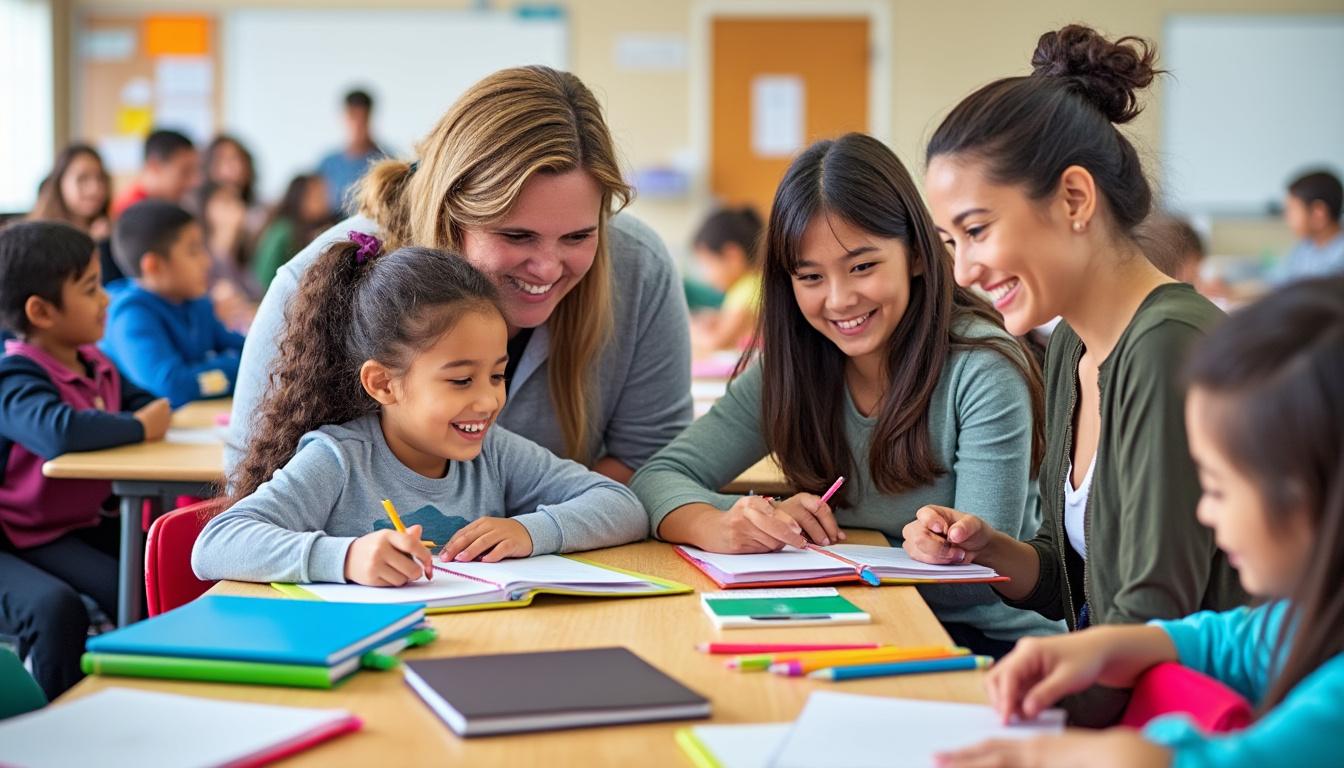
Discover additional practical collaboration tips at MOM On Purpose back to school tips and insights from BTB Psychology’s transition advice.
Frequently Asked Questions About Back-to-School Transitions
- How can I help my child adjust their sleep schedule before school starts?
Begin shifting bed and wake times about two weeks prior to school’s start by 15 to 30 minutes earlier each day to ease into the new routine. Maintaining a consistent bedtime routine is key.
- What are some effective ways to manage back-to-school anxiety?
Encourage open conversations, practice mindfulness, and establish supportive routines. Seek professional counseling if anxiety persists or worsens.
- Which supplies are essential for creating a productive study environment?
Basic stationery from Bic, quality notebooks from Five Star, organizational planners from Staples, and a comfortable backpack like JanSport’s are great essentials.
- How can technology be used to support learning without causing distractions?
Set designated tech times, use educational apps, and monitor screen time to maintain balance and prevent overuse.
- What role do parents and teachers play in easing the transition?
They provide emotional support, establish consistent routines, communicate regularly, and encourage positive reinforcement to build confidence.