


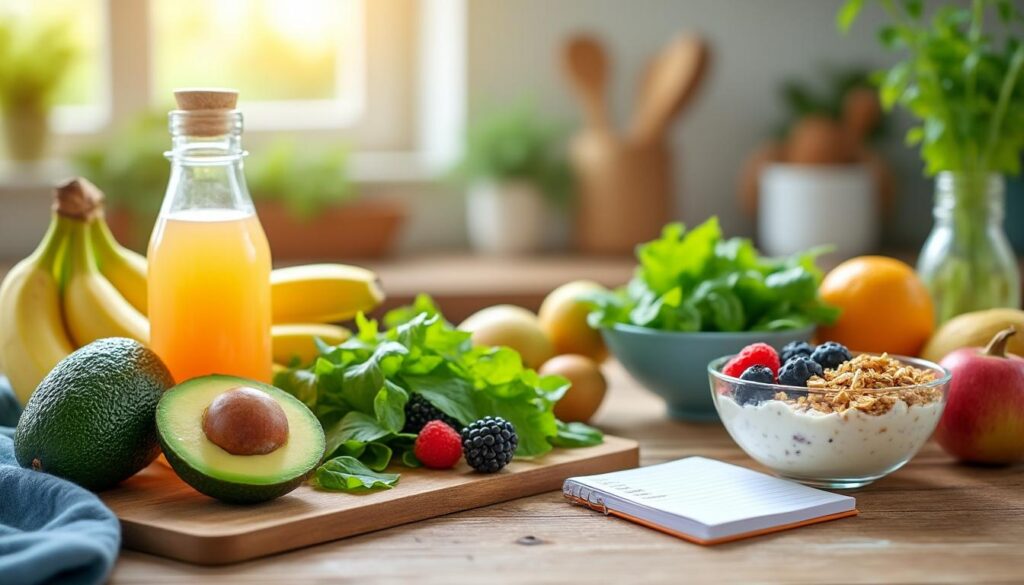
As World Digestive Health Day 2025 approaches on May 29, the importance of a well-nourished digestive system cannot be overstated. The theme, “Your Digestive Health: Nourish to Flourish,” highlights how daily habits influence not only digestion but also immunity, mental clarity, and overall vitality. Often overshadowed by other health trends, gut health is foundational for feeling energetic and balanced throughout the day. With the gut microbiome’s intricate ecosystem playing a central role in nutrient absorption and mental well-being, investing time and care into our digestive health offers profound benefits. Experts suggest that a few simple lifestyle adjustments—such as enriching your diet with fiber-rich foods and mindful eating—can lead to lasting improvements in gut function. From probiotic-rich brands like Activia and Culturelle to nutrient-packed supplements like Vital Proteins and Garden of Life, the options for gut-friendly additions to our routines continue to expand. This article explores five essential daily habits to enhance gut health, backed by current research and tested advice from gastroenterologists for a healthier you in 2025.
Boost Gut Health with a Fiber-Rich Diet: The Foundation for Digestive Wellness
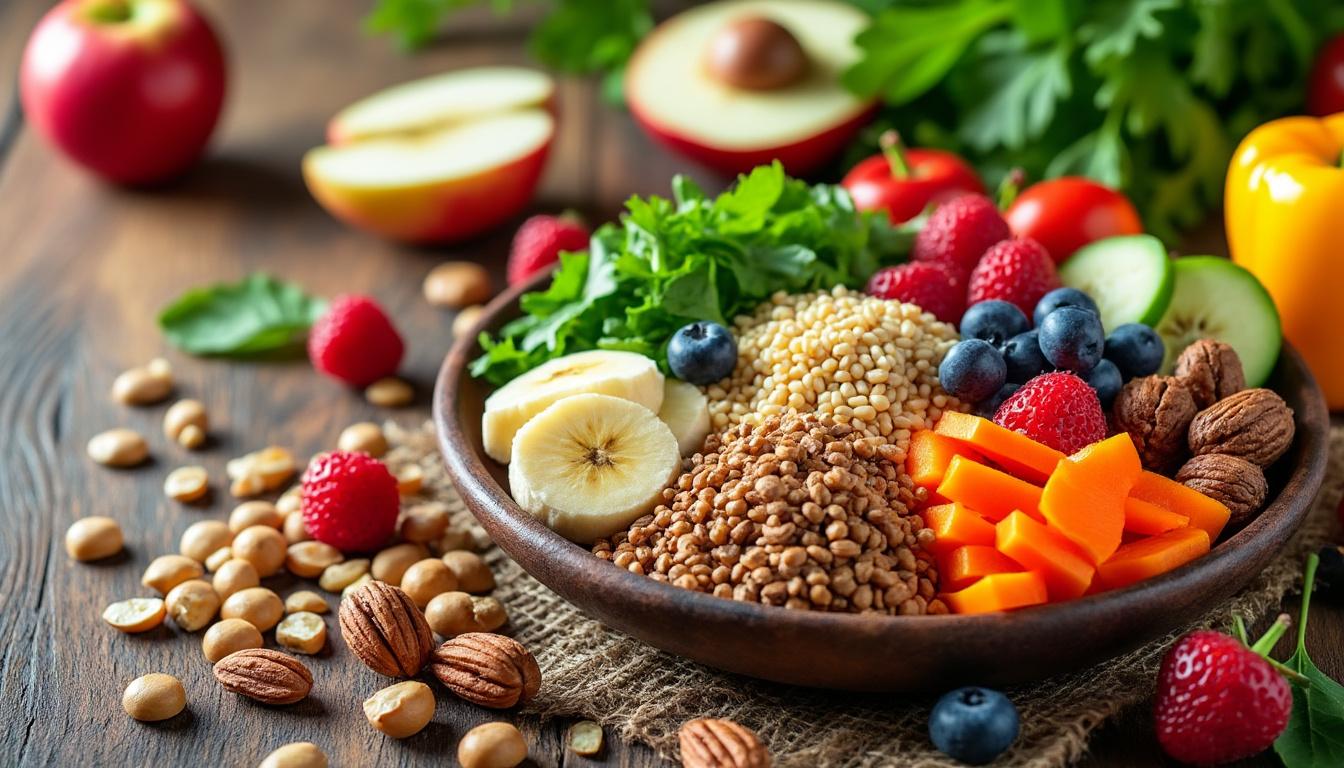
Dietary fiber remains the cornerstone for maintaining optimal gut health. It ensures smooth digestion, supports the growth of beneficial bacteria, and aids in regular bowel movements. Consuming the recommended 25–30 grams of fiber daily is achievable by incorporating a diverse range of foods such as fruits, vegetables, whole grains, legumes, and seeds. For instance, whole grains like oats and quinoa offer not only insoluble fiber to speed up waste transit but also soluble fiber that ferments and fuels gut microbes.
Special attention to prebiotic foods also enriches the gut microbiome. Ingredients such as garlic, onions, asparagus, and bananas encourage the proliferation of health-promoting bacteria. Many probiotic products like Kefir and Nancy’s yogurt help to further enhance this balance by introducing live bacteria that can improve digestion and immunity. Integrating these into meals naturally boosts your fiber intake and microbial diversity.
It’s not just about quantity but also variety. Rotating fiber sources helps sustain a robust and diverse microbiome. Research shows that dietary monotony may lead to less microbial diversity, underscoring the value of colorful salads, different types of beans, and assorted nuts.
- Include beans or lentils in at least three meals per week.
- Snack on seeds and nuts like chia or almonds for added fiber.
- Incorporate a variety of vegetables—leafy greens, cruciferous veggies, root vegetables—daily.
- Choose whole fruit over juices for their fiber content.
- Try probiotic yogurts from brands like Activia or Culturelle regularly.
| Food Group | Example Foods | Primary Fiber Type | Gut Benefit |
|---|---|---|---|
| Fruits | Bananas, apples, berries | Soluble & Insoluble | Supports beneficial bacteria and eases digestion |
| Vegetables | Asparagus, garlic, onions, leafy greens | Prebiotic & Insoluble | Feeds friendly bacteria and promotes bowel regularity |
| Whole Grains | Oats, quinoa, barley | Soluble & Insoluble | Enhances stool bulk and microbial diversity |
| Legumes | Lentils, chickpeas, beans | Soluble & Insoluble | Helps moderate blood sugar and feeds microbiome |
| Seeds & Nuts | Chia seeds, almonds, flaxseeds | Insoluble | Promotes healthy gut lining and motility |
To ensure the fiber you consume truly benefits your gut, pair it with adequate water intake. The next section outlines how hydration interacts with dietary fiber for effective digestion.

Hydration’s Crucial Role in Supporting Gut Function and Microbiome Balance
Maintaining proper hydration amplifies the benefits of a fiber-rich diet by preventing constipation and maintaining the protective mucosal lining within the intestines. Without sufficient fluid, fiber can lead to bloating and digestive discomfort, deterring consistent intake.
Experts recommend a minimum of 2 to 3 liters of water daily, adjusted based on activity levels and climate conditions. Hydration facilitates the smooth transit of waste and supports enzymatic processes involved in nutrient absorption. Additionally, some probiotics like Align and ProNourish formulations advise concurrent hydration to maximize their effectiveness in colonizing beneficial microbes.
Staying hydrated can be enjoyable; herbal teas and infused waters with fresh fruits or herbs provide flavor while offering the required fluids. Avoiding excessive caffeine or alcohol, known to dehydrate, is particularly important when focusing on gut health.
- Aim for 8–12 cups (2–3 liters) of fluids daily, primarily water.
- Include hydrating foods like cucumbers, watermelon, and citrus fruits.
- Drink a glass of water before meals to prepare the digestive system.
- Limit diuretics like coffee or alcohol intake.
- Monitor urine color as a hydration indicator—clear or light yellow signifies adequate hydration.
| Hydration Tip | Benefit for Gut Health |
|---|---|
| Drink water before and during meals | Enhances saliva production and enzyme activity for digestion |
| Consume herbal teas (ginger, peppermint) | Soothes the digestive tract and reduces inflammation |
| Avoid sugary drinks | Prevents microbiome imbalance and excess calorie intake |
| Eat hydrating fruits and vegetables | Supports fluid balance and provides nutrients |
| Use reminders to maintain water intake during busy days | Promotes regular digestion and stool softness |
Understanding the synergy between hydration and other daily habits like exercise is equally vital. Physical activity impacts gut motility and inflammation, topics covered next in this guide to thriving gut health.

Regular Exercise Energizes the Digestive Tract and Fosters Microbiome Diversity
Exercise profoundly affects the gut by stimulating gastrointestinal motility and reducing systemic inflammation. In 2025, several studies reinforce that active individuals tend to have a more diverse gut microbiome, which correlates with better immune responses and reduced digestive disorders.
Engaging in moderate-intensity activities such as yoga, walking, cycling, or swimming for at least 30 minutes most days offers multiple gut-related benefits. Yoga, for example, has specific poses that massage the abdominal organs and promote blood flow, enhancing digestive efficiency. Incorporating these movements into daily routines can be a powerful, drug-free approach for preventing common issues like constipation and bloating.
Apart from mechanical stimulation of the gut, regular physical activity lowers stress hormones, which can otherwise disrupt the gut-brain axis—an important pathway linking emotional health and digestion. For example, products such as Gutgard have been used alongside active lifestyles to reduce gut inflammation and harmonize microbial balance.
- Aim for a minimum of 150 minutes of moderate aerobic activity per week.
- Include strength-building exercises to enhance muscle tone supporting the digestive organs.
- Practice yoga poses like twist and bridge to aid digestion.
- Avoid lengthy periods of inactivity by standing or walking frequently.
- Combine exercise with deep-breathing for stress reduction and improved gut function.
| Exercise Type | Digestive Benefit | Example Activity |
|---|---|---|
| Aerobic | Improves gut motility and microbiome diversity | Brisk walking, cycling |
| Yoga | Massages digestive organs and reduces stress | Spinal twists, child’s pose |
| Strength training | Supports abdominal core muscles | Bodyweight exercises, resistance bands |
| Stretching | Relieves tension affecting digestion | Cat-cow stretches |
| Breathing exercises | Balances nervous system to calm gut-brain axis | Deep diaphragmatic breaths |
Incorporating exercise with a fiber-rich diet and proper hydration composes the triad of gut health success. Next, mindful eating methods encourage awareness for better digestion and nutrient absorption.


Mindful Eating: Tuning into Your Body to Optimize Digestive Efficiency
Mindful eating encourages awareness of the entire experience of eating, from the sensation of taste to the pace at which food is consumed. This habit plays a crucial role in preventing overeating and enhancing the body’s digestive response. Experts emphasize slowing down meals to allow thorough chewing, which mechanically breaks down food and mixes it with saliva rich in enzymes.
Distractions like screens or rushed eating can impair digestion and cause issues such as bloating or acid reflux. By dedicating attention to the meal, your body more effectively signals fullness and begins proper digestive processes. Combining mindful eating with gut-supportive supplements such as BioK or ProNourish can add an extra layer of digestive wellness.
Mindful eating also invites a more positive relationship with food. It increases enjoyment and promotes healthier food choices, often steering one away from ultra-processed snacks known to harm the gut microbiota.
- Eat slowly and chew each bite thoroughly (approximately 20-30 chews).
- Remove distractions during meals, such as phones or television.
- Focus on the flavors and textures of food to increase satiety.
- Listen to hunger and fullness cues to avoid overeating.
- Prefer home-cooked meals with fresh ingredients over packaged foods.
| Mindful Eating Practice | Digestive Benefit |
|---|---|
| Slow eating with thorough chewing | Improves enzymatic breakdown and nutrient absorption |
| Eliminating distractions | Prevents overeating and lowers indigestion |
| Listening to hunger signals | Maintains healthy digestion without overload |
| Enjoying meals | Reduces stress-induced gut discomfort |
| Selecting whole foods | Supports microbiome diversity and richness |
As we appreciate the value of paying attention to what and how we eat, sleep equally influences the gastrointestinal wellness and resilience of the gut microbiome, our next focus.
Prioritize Quality Sleep to Regulate Your Gut Microbiome and Immune Function
Quality sleep is often underappreciated as a pillar of digestive health. Research in 2025 still supports that a consistent sleep schedule between 7–9 hours nightly promotes a balanced gut microbiome and aids the gut’s repair mechanisms. The circadian rhythm, our internal biological clock, orchestrates not just sleep but also the timing of digestive enzyme release and microbial fluctuations.
Disruptions to sleep patterns can increase gut permeability and promote inflammation, which in turn is linked to conditions such as irritable bowel syndrome and other gastrointestinal disorders. Incorporating supplements such as Vital Proteins or Garden of Life collagen powders can assist in the repair of the gut lining and support overall wellness when combined with good sleep hygiene.
To improve sleep quality, maintaining a relaxing bedtime routine and limiting screen exposure before sleep are recommended. The gut-brain axis plays a pivotal role here; restful sleep fosters mood regulation and reduces stress, which benefits digestive function.
- Establish a regular bedtime and wake time, even on weekends.
- Create a calming pre-sleep routine: reading, meditation, or light stretching.
- Avoid caffeine and heavy meals 3–4 hours before bedtime.
- Keep bedrooms cool, dark, and quiet to promote restful sleep.
- Limit screen brightness and blue light exposure before sleep.
| Sleep Hygiene Practice | Gut Health Advantage |
|---|---|
| Consistent sleep-wake schedule | Supports circadian-regulated digestion and microbial balance |
| Relaxing bedtime routine | Reduces stress hormones impacting the gut-brain axis |
| Limiting caffeine in afternoon/evening | Enhances sleep quality and digestive rest |
| Maintaining sleep-environment controls (dark, cool, quiet) | Facilitates restorative sleep supporting gut repair |
| Minimizing blue light before bed | Balances melatonin levels influencing microbiome rhythms |
Incorporating these five habits—high fiber intake, good hydration, regular exercise, mindful eating, and quality sleep—forms a robust foundation for digestive health, becoming a lifestyle rather than a quick fix. The interplay between these elements cultivates a flourishing gut environment, essential for 2025’s wellness goals.

Frequently Asked Questions About Improving Gut Health Daily
- What are the best sources of dietary fiber to improve gut health?
Fruits like apples and berries, vegetables such as asparagus and leafy greens, whole grains like oats, legumes including lentils, and seeds such as chia are excellent sources of fiber that nourish beneficial gut bacteria. - How much water should I drink daily to support digestion?
Aiming for 2 to 3 liters of water daily helps keep bowel movements regular and aids the digestive process. Factors like exercise and climate might require adjusting this intake. - Can probiotics like Activia or Culturelle really improve gut health?
Yes, probiotic-rich products contain live beneficial bacteria that can enhance microbiome balance, support digestion, and boost immunity when consumed regularly. - What role does sleep play in digestive health?
Sleep regulates the gut microbiome and helps the digestive system repair itself. Poor sleep disrupts this balance, increasing inflammation and digestive discomfort. - How does mindful eating contribute to better digestion?
By focusing on how you eat—chewing slowly, recognizing hunger cues, and avoiding distractions—you improve nutrient absorption and prevent issues such as overeating or indigestion.
For further guidance on these and more gut-friendly habits, visit Real Simple’s guide to gut health habits, read expert tips at Fortune’s nutrition advice, or explore practical lifestyle changes at Healix Hospitals.