



Managing Holiday Stress Through Mindfulness and Self-Care Practices
The holiday season often brings a mix of excitement and tension, especially when balancing numerous social gatherings, family expectations, and the colder, darker days of winter. Many individuals find that their mental health experiences fluctuations during this time, with feelings ranging from joy to anxiety and loneliness. Understanding how to manage stress effectively during the holidays is key to sustaining well-being and reducing the risk of burnout.
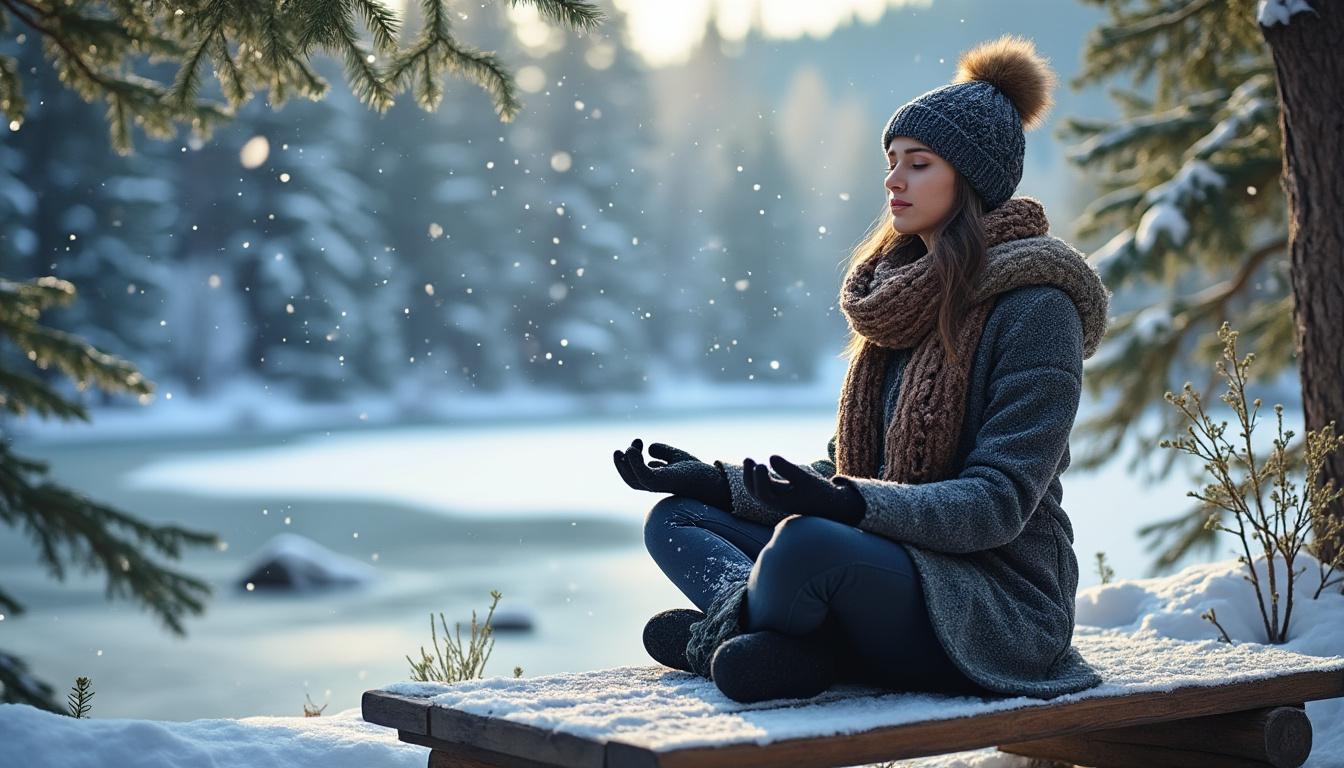
One fundamental approach includes adopting mindfulness techniques that anchor you in the present moment. By paying close attention to your thoughts and emotions without judgment, you develop awareness of your stress triggers and learn to respond thoughtfully rather than react impulsively. For example, during hectic family gatherings, taking a few minutes to perform deep breathing exercises can help soothe anxiety and restore calm.
Self-care routines tailored to the holiday season are essential for buffering the impact of external pressures. These might range from setting realistic limits on your social calendar to dedicating regular time for restorative activities such as meditation, journaling, or gentle yoga. Nurse practitioner Christina Walker highlights that quality of connections during the holidays is more valuable than quantity. Opting to spend meaningful time with a few loved ones instead of spreading yourself thin across many events can alleviate feelings of overwhelm.
Consider incorporating gratitude journaling into your daily wellness habits. Focusing on positive aspects—even amidst challenges—can redirect your mindset from holiday stress toward appreciation and joy. Small acts such as writing thank-you notes or verbally expressing appreciation can reinforce a grateful outlook. These simple gestures not only brighten your mood but cultivate a supportive atmosphere within your social circles.
- Practice mindfulness exercises to manage emotional reactivity.
- Establish boundaries to prevent overcommitment in social events.
- Incorporate gratitude journaling to foster positive mental states.
- Dedicate time to restorative self-care, like meditation or quiet walks.
- Focus on meaningful connections rather than attending every gathering.
Recognizing that stress management is a dynamic skill allows you to adapt as the holiday season unfolds. For further insights into handling holiday stress effectively, check resources like holiday stress tips from the American Heart Association. These guidelines serve as a valuable toolkit for navigating complex emotions and maintaining mental wellness during festive periods.

Balancing Nutrition: Mindful Eating Habits for the Holiday Season
Holiday feasts are legendary for their delicious, rich foods that tempt even the most disciplined eaters. However, sustaining a balanced approach to nutrition during this season is vital for maintaining energy levels and overall health. Nutrition expert Jennifer Welper emphasizes embracing the joy of seasonal flavors without guilt through mindful eating practices.
Mindful eating is about savoring each bite and being aware of hunger and fullness cues rather than mindlessly consuming food in response to stress or habit. By doing so, you can enjoy holiday treats while maintaining healthy habits.
Here are some practical strategies to achieve nutritional balance during the holidays:
- Fill half your plate with vegetables or nutrient-dense salads before adding any festive treats.
- Take smaller portions of indulgent foods, allowing yourself to enjoy them without excess.
- Stay hydrated by drinking water between courses to help regulate appetite.
- Aim for regular meal timing, avoiding skipping meals which often leads to overeating later.
- Include protein-rich options to enhance satiety and stabilize blood sugar.
For those seeking inspiration, health systems like Mayo Clinic provide excellent guidelines on how to eat healthy during the holidays focusing on balance and mindfulness. Sample menus and food swaps designed for festive gatherings can keep celebrations enjoyable yet balanced.
Many people underestimate how a balanced nutritional approach positively impacts not only physical well-being but also mood and cognitive function, especially during colder months when the body requires stability and support. For example, replacing a heavy dessert with a fruit-based option can provide satisfying natural sweetness along with antioxidants, contributing to both pleasure and wellness.
Incorporating these eating habits can also reduce the common post-holiday sluggishness and improve sleep quality, factors that deeply affect your ability to maintain energy and motivation in the season. Nutrition and mental health are intimately connected, making mindful nutrition a cornerstone of holistic holiday self-care.

Maintaining Physical Fitness Through Winter and Holidays: Daily Movement and Outdoor Activities
With shorter daylight hours and often frigid outdoor temperatures, staying physically active during the holiday season presents unique challenges. Yet, integrating fitness into daily routines is critical for mental health, energy balance, and resilience against common winter ailments.
Daily movement need not be strenuous or time-consuming; even brief activities yield significant benefits. For instance, a 10-minute walk during daylight hours energizes, enhances circulation, and supports Vitamin D synthesis. Light stretching routines indoors help reduce muscle stiffness from prolonged sitting or cold weather inactivity.
For those inclined to explore outdoor winter sports, cooling cold environments offer opportunities for unique fitness experiences such as cross-country skiing, snowshoeing, or brisk hikes. These activities engage various muscle groups and stimulate endorphin release, improving mood when daylight is scarce.
Physical activity also counteracts the social isolation that some individuals experience during colder months. Group-based activities, even virtual fitness classes or walks with family members, promote both social connection and motivation.
- Incorporate short daily walks or stretching routines to maintain circulation and mobility.
- Explore winter sports as engaging ways to stay fit and enjoy the season.
- Use fitness as an opportunity to enhance social bonds with friends or family.
- Maintain consistency by setting realistic, achievable movement goals.
- Adapt your fitness routine to indoor exercises when outdoor conditions are extreme.
Avoid the trap of all-or-nothing thinking: even moderate activity contributes to overall wellness. The CDC’s tips for maintaining a healthier lifestyle recommend embracing movement as a joyful element of daily life rather than a chore during holidays. Prioritizing this approach helps sustain vitality through winter’s challenges.
Enhancing Mental Health: Prioritizing Sleep, Limiting Screen Time, and Intentional Social Connections
The complexity of the holiday season often strains one’s ability to achieve restorative sleep, maintain emotional balance, and foster meaningful connections. Prioritizing these aspects is crucial for holistic wellness and the prevention of burnout.
Sleep hygiene forms the foundation of resilient mental health, yet many sacrifice rest to keep up with social and family demands. Optimal sleep durations of 7–9 hours support immunity, mood regulation, and cognitive clarity. Developing a consistent sleep schedule and creating a calming bedtime routine help mitigate common disruptions, such as those from irregular schedules or holiday excitement.
Limiting screen time, especially in the hour before sleep, enhances melatonin production and signals the brain to wind down. The blue light emitted from devices interferes with this natural process, making it harder to fall asleep. Consider reading a book, practicing relaxation exercises, or journaling instead.
Intentional socialization prioritizes quality interactions over quantity to boost emotional nourishment. Experiencing a few meaningful conversations or gatherings can outweigh attending multiple superficial events, which might lead to exhaustion. Benefits include improved mood, stress buffer, and increased feelings of belonging.
- Establish and maintain a regular sleep schedule for better mood and energy.
- Limit screen exposure one hour before bedtime to improve sleep quality.
- Choose social engagements that foster genuine connections and joy.
- Create calming pre-sleep rituals like reading or meditation to ease relaxation.
- Monitor signs of stress or burnout and seek mental health support when needed.
Healthcare models like VitellaCare highlight the interconnectedness of mental health and physical wellness by offering integrated care approaches that include full-time mental health providers available to patients upon need. This comprehensive model acknowledges that nurturing both body and mind leads to sustained wellness during holiday seasons and beyond.
Practical Wellness Routines: Hydration, Gratitude, and Setting Healthy Boundaries
The observance of simple, practical habits can markedly improve holiday health and happiness. Staying well-hydrated is often overlooked in cold months when thirst cues are blunted. Yet, cold ambient air and indoor heating cause significant fluid loss, making it imperative to consciously drink water throughout the day.
Recommended daily water intakes are approximately 2.5 liters for women, 3.5 liters for men, and 1.5 to 2 liters for children. Insufficient hydration manifests in fatigue, decreased stamina, increased susceptibility to illness, and can impair cognitive function and emotional regulation.
Gratitude practice serves as a powerful habit for reframing holiday pressures and enhancing emotional balance. Regularly acknowledging positive experiences and expressing appreciation reinforces a mindset of abundance rather than scarcity or stress.
Equally important is setting healthy boundaries. The holiday season temptation to overschedule can be detrimental, so employ strategies like alternating family visits annually or limiting attendance to select events. This approach respects personal energy limits and safeguards self-care.
- Consume adequate water daily to maintain physical and cognitive functions.
- Keep a gratitude journal or routinely express thanks to shift focus from stress.
- Set limits on social invitations and obligations to avoid overwhelm.
- Prioritize rest and downtime as essential wellness components.
- Regularly assess your physical and mental health needs, adjusting routines accordingly.
These healthy habits build resilience not only for the holiday season but for the entire year-round cultivation of wellness. As nurse practitioner Christina Walker suggests, these practices collectively create a foundation that sustains both the body and mind through winter challenges, fostering a truly balanced holiday experience.
How can mindfulness help reduce holiday stress?
Mindfulness encourages present-moment awareness and non-judgmental acceptance of emotions, which helps individuals navigate stressful holiday situations calmly and intentionally rather than reacting impulsively.
What are some simple ways to maintain healthy eating during the holidays?
Filling your plate with vegetables before festive treats, eating smaller portions, staying hydrated, and maintaining regular meal times help balance indulgence with nutrition during holiday meals.
Why is physical activity important in winter months?
Physical activity enhances circulation, boosts mood through endorphin release, supports immune health, and combats social isolation, all of which are vital during colder, darker months.
How does limiting screen time improve sleep quality?
Reducing exposure to blue light from devices before bedtime allows melatonin levels to rise naturally, helping the brain relax and making it easier to fall asleep.
What strategies help set healthy boundaries during holiday events?
Alternating family visits annually, limiting the number of events attended each day, and prioritizing rest help manage energy levels and prevent burnout throughout the holiday season.