


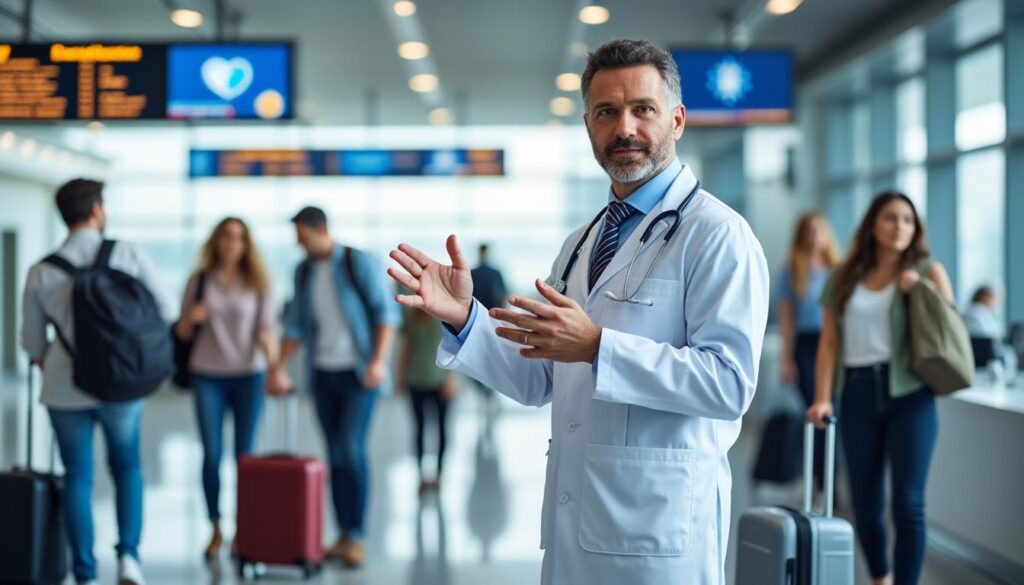
Understanding the Role of Healthy Habits in Preventing Illness While Traveling
Traveling brings excitement and new experiences, but it also increases the risk of encountering various illnesses. According to Dr. Tracy Grotrian, associate medical director at Carle Convenient Care in Champaign-Urbana, cycles of respiratory illnesses such as influenza A, COVID-19, and strep throat tend to surge during the holiday season when many travelers visit family and friends. These illnesses share common symptoms like high fever, sore throat, cough, and body aches, highlighting the importance of adopting healthy habits to prevent the spread of illness.
While it might be tempting to blame airborne transmission solely for these sicknesses, recent research reveals that contaminated surfaces play a significant role in spreading diseases. Traveling introduces individuals to myriad public environments – airports, planes, taxis, hotels – where the risk of touching contaminated objects is high. Therefore, attention to proper hygiene practices can dramatically reduce the spread of infections. Incorporating regular hand washing and sanitizing into your routine while on the move is crucial.
For travelers, particularly during peak seasons, understanding these dynamics helps embrace effective disease prevention. One practical approach is limiting direct contact with eyes, nose, and mouth after touching common surfaces, which reduces the chances of introducing viruses and bacteria into the body. Additionally, wearing masks, especially in crowded or enclosed spaces such as airplanes, can further reduce transmission risks. Travel safety is not just about avoiding accidents but also about minimizing health hazards. Taking these measures seriously can protect both the traveler and their community.
The Centers for Disease Control and Prevention (CDC) provides an essential resource for travelers seeking updated health advisories, vaccination requirements, and practical guidance on staying healthy internationally. Their travel branch website is a critical tool to plan safely and avoid preventable illnesses. Travelers can find detailed information on any destination, highlighting specific risks and crucial preventive steps.
Embracing these habits creates a healthier travel environment, benefiting everyone involved. Following insights from public health experts and doctors enhances your chance of returning from a trip healthy and ready for the next adventure.

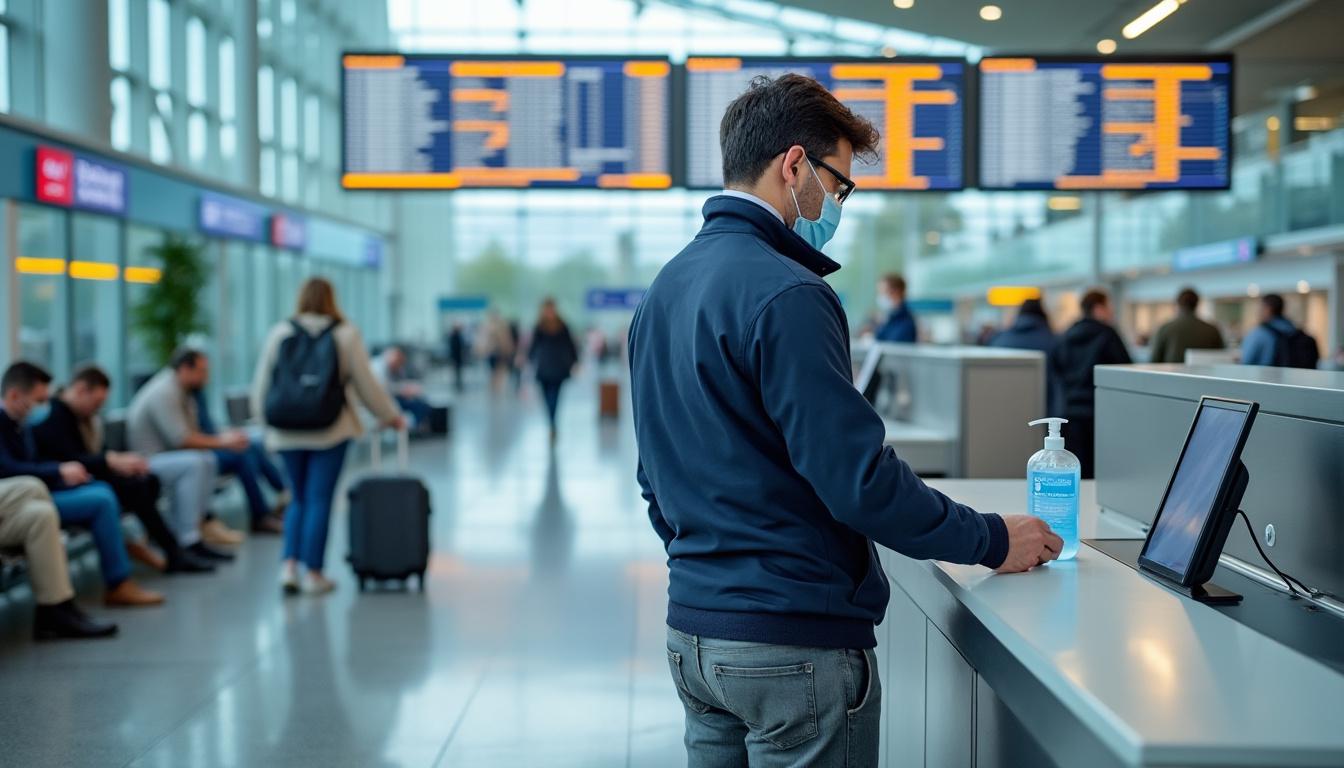
Top Doctor-Recommended Strategies to Maintain Health While Traveling
Medical professionals emphasize a variety of routines to shield themselves and others from illness during travel. Drawing on advice from frontline experts, several habits stand out as particularly effective in disease prevention.
Hand Hygiene and Sanitization
Hand washing remains the cornerstone of illness prevention when traveling. Doctors advise washing hands whenever possible, using soap and water for at least 20 seconds, and supplementing with alcohol-based hand sanitizers when hand washing facilities are unavailable. Particularly before eating, or after touching frequently used objects, this simple action interrupts the transmission chain of pathogens.
Mask Usage and Social Distancing
Even in 2025, the mask remains a potent protective tool during flight or in crowded venues. Masks reduce viral spread by containing droplets expelled while talking, coughing, or sneezing. Additionally, maintaining approximately 3 feet of distance from others in enclosed environments helps lower transmission probability. These practices are especially recommended for travelers interacting with or visiting vulnerable groups such as children under five, the elderly, pregnant individuals, or those with compromised immune systems.
Proper Medication and Immunization Preparation
Professionals advise consulting healthcare providers before traveling to discuss prescriptions, vaccines, and any necessary medical equipment. Carrying essential medications – including immune-boosting supplements, antiviral treatments, or prescriptions for traveler’s diarrhea – ensures preparedness for common ailments encountered abroad or during transit. Vaccination against influenza, COVID-19, and other region-specific diseases is a crucial preventive step backed by research and integrated into travel health protocols.
Notably, Forbes highlights the importance of carrying medications securely and checking expiration dates to avoid interruptions during travel. Good preparation fosters resilience and enables travelers to manage minor illnesses without disrupting their itineraries.
Integrating these doctor-backed strategies into your travel routine boosts your capacity to prevent illness and uphold robust public health standards wherever your journey takes you.
Environmental Factors and Their Impact on Traveler Health
The surfaces we touch during travel offer a critical insight into the actual mechanics of disease transmission. Contrary to popular belief that airborne particles are the only threat, contaminated surfaces such as tray tables, armrests, door handles, and bathroom fixtures can harbor pathogens capable of infecting humans through contact. Dr. April Wilson, a preventive medicine specialist, supports these findings and stresses the importance of frequent surface disinfection and hand hygiene.
Travel settings like airports and planes have high-touch zones, often cleaned only intermittently between flights, providing opportunities for disease spread. To combat this, travelers should consider carrying disinfectant wipes to clean personal spaces before sitting or eating. This simple precaution can be a game-changer in maintaining health on the go.
Hotels and public transport pose similar risks due to shared spaces and surfaces. Beyond cleaning, choosing accommodations with rigorous hygiene protocols and engaging only with trusted transportation options enhances safety. Engaging with destination-specific health alerts via credible sources helps anticipate potential outbreaks or risks and adopt preventive behavior accordingly.
Understanding environmental risks expands awareness beyond personal habits, connecting travelers with broader societal health imperatives. For many, adopting these enhanced precautions is both a personal and social responsibility, contributing directly to community disease control and health protection.

Supporting Vulnerable Populations During Travel: A Doctor’s Perspective
Some travelers, including children under five, seniors over 65, pregnant people, and immunocompromised individuals, face greater risks from contagious diseases while traveling. Doctors recommend tailored strategies to protect these populations, prioritizing their health without compromising travel experiences.
Preparation starts with comprehensive health check-ups ensuring vaccines are current and discussing travel plans well in advance with healthcare professionals. For those undergoing chemotherapy, organ transplantation, or managing chronic ailments, additional protective measures may be advised, such as avoiding crowded places or postponing travel to high-risk destinations.
At destinations, minimizing exposure remains crucial. This may involve maintaining physical distance, avoiding large gatherings, and reinforcing hygiene practices tailored to individual vulnerabilities. Caregivers and family members sharing travels with at-risk persons must also adhere strictly to preventive measures to create a safer environment.
The combination of medical advice, personal vigilance, and informed planning helps mitigate risks substantially. The doctor’s emphasis on this aspect reflects growing awareness in global health circles about travel-related disease dynamics and the need to safeguard vulnerable groups.
Resources like CDC’s Travelers’ Health offer detailed guidance around immunizations, medications, and safety protocols customized to individual health profiles and destinations. Referring to these expert repositories is recommended for anyone planning travel involving vulnerable populations.
Practical Tips and Routine Adjustments for Travelers to Prevent Illness Spread
Aside from clinical advice, travelers can incorporate pragmatic adjustments into daily routines to augment their resilience during trips. Below is an actionable list of doctor-recommended habits that can significantly reduce the likelihood of falling ill:
- Carry hand sanitizer with at least 60% alcohol content and use it frequently, especially after contact with high-touch surfaces.
- Wash hands regularly with soap and water, particularly before meals and after restroom use.
- Avoid touching face, eyes, nose, and mouth since these are primary entry points for viruses.
- Wear a mask in crowded places such as airports, public transport, and enclosed venues.
- Keep a 3-foot distance from other people when possible.
- Clean frequently touched items such as phones, seat trays, and door handles with disinfectant wipes.
- Stay hydrated and maintain a balanced diet to support your immune system.
- Consult your doctor about vaccines and carry any required medications or supplements.
- Avoid close contact with anyone showing symptoms of illness during your travel.
- Monitor your health and seek medical advice promptly if symptoms develop.
These targeted measures, when combined, form a robust defense against the spread of illness on the move. They also contribute to safer travel environments, reinforcing broader public health efforts worldwide. For more in-depth tips, travelers can explore expert resources which elaborate on carrying medicine safely and preparation protocols.
Taking these steps seriously, as advised by healthcare professionals, enhances not only individual safety but also communal well-being by mitigating the transmission of infections across and within countries.
What are the most common illnesses travelers should be aware of during holiday seasons?
The most commonly encountered illnesses include influenza A, COVID-19, and strep throat. These diseases often spread rapidly during times of increased travel and family gatherings due to close contact and shared environments.
How can travelers minimize the risk of contracting illnesses on airplanes?
Travelers should carry hand sanitizer, frequently wash their hands, wear masks, maintain distance where possible, and avoid touching their eyes, nose, and mouth. Cleaning their immediate seating area with disinfectant wipes also helps reduce the risk.
Why are vulnerable populations like children and the elderly at higher risk during travel?
These groups have weaker or compromised immune systems, making it more difficult for their bodies to fight off infections. As a result, they are more susceptible to severe illness and require additional protective measures during travel.
What is the importance of vaccination for travelers in 2025?
Vaccines remain one of the most effective tools for disease prevention. Updated immunizations, including against influenza and COVID-19, protect travelers from potential outbreaks and severe complications, contributing to overall travel safety.
Where can travelers find reliable health information and advice before trips?
Reliable information can be accessed through the CDC Travelers’ Health Branch website and other expert-backed resources that offer comprehensive advice on vaccine requirements, health notices, and practical tips for staying healthy while traveling.