


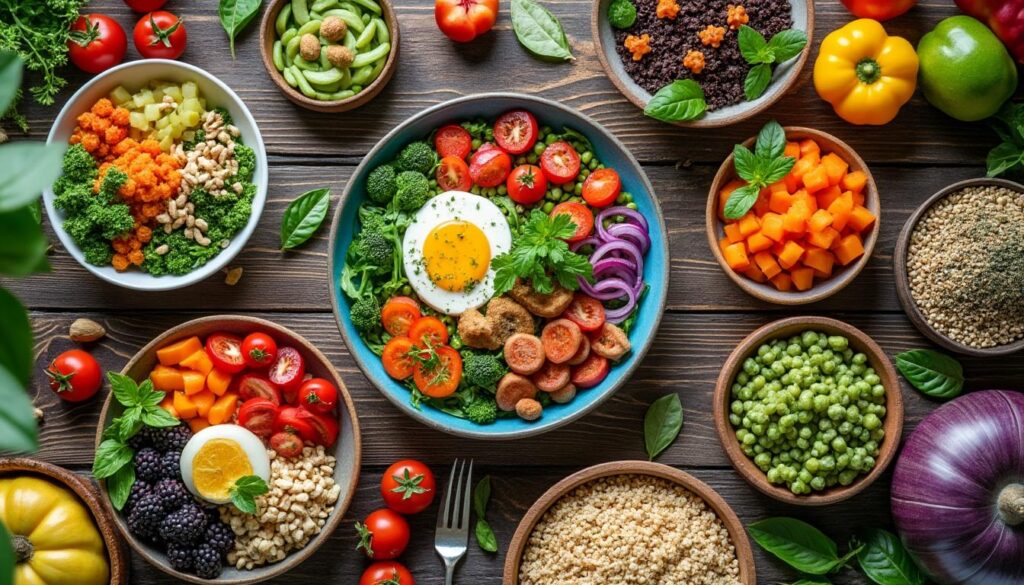
Longevity has become a captivating pursuit worldwide as advances in healthcare and wellness continue to expand life expectancy. Yet, while genetics account for a portion of how long people live, lifestyle choices remain the most critical lever individuals can pull to extend their years and enrich their quality of life. Over the past two decades, comprehensive research into Blue Zones—the five global regions where residents consistently live extraordinarily long and healthy lives—has illuminated habits worth embracing if one hopes to add years to their lifespan. These habits revolve around nurturing whole-food diets, fostering meaningful social connections, integrating consistent movement into daily life, and managing stress and sleep consciously. As we move further into 2025, the power of these discoveries is amplified by modern tools like Fitbit and Garmin that help people track their fitness, apps like MyFitnessPal and Lifesum that optimize nutrition, alongside mindfulness platforms such as Calm and Headspace to reduce stress. Coupled with accessible health foods from Whole Foods and community engagement via Peloton or Nike programs, adopting these evidence-backed behaviors can transform the trajectory of aging, promoting longevity not only in quantity of years but vibrancy of living. This article will unfold six foundational habits to extend your lifespan, illuminated by research, expert insights, and practical tips that anyone can adopt.
Balanced, Plant-Rich Diets: The Nutritional Backbone for Longevity
The relationship between diet and lifespan has been explored extensively, with significant attention given to patterns observed in Blue Zones like Okinawa, Japan, Nicoya in Costa Rica, and Ikaria, Greece. Rather than restrictive calorie counting, the focus is on consuming satisfying, nutrient-dense, plant-forward meals prepared with fresh, locally grown ingredients. The Okinawan principle of hara hachi bu—eating until 80% full—exemplifies mindful eating that naturally prevents overconsumption and promotes digestion and metabolic health.
Whole grains, legumes, nuts, and abundant fruits and vegetables form the cornerstone of these diets, accompanied by occasional fish and minimal processed meats or added sugars. In contrast, average Western diets typically overwhelm the body with refined carbohydrates, ultra-processed foods, and excess sugars, undermining long-term health. Consuming fewer than 7 teaspoons of added sugar daily, a hallmark among Blue Zones populations, contrasts starkly with the American adult mean of 17 teaspoons per day, a difference that profoundly impacts inflammation and chronic disease risk.
Adapting such dietary habits is facilitated today by resources such as MyFitnessPal and Lifesum, apps that track macro and micronutrient intake, helping individuals align their meals with longevity goals. Furthermore, Whole Foods and local markets supply the fresh produce that serves as the foundation for these habits. For busy lifestyles, cooking tools like slow cookers, Instant Pots, and air fryers simplify meal preparation without compromising nutrition or taste.
Key Dietary Practices to Enhance Longevity
- Favor whole, unprocessed plant foods over refined and processed alternatives.
- Practice portion mindfulness using hara hachi bu—stop eating when about 80% full.
- Limit added sugars strictly, aiming for less than 7 teaspoons daily.
- Incorporate fermented foods to promote gut health.
- Opt for home-cooked meals to control ingredients and portion sizes.
| Food Category | Blue Zones Habit | Common Western Practice | Health Impact |
|---|---|---|---|
| Whole grains | Daily inclusion | Often replaced by refined grains | Support steady glucose levels and heart health |
| Added sugars | Limited to ~7 tsp/day | Average 17 tsp/day | Excess promotes inflammation and obesity |
| Plant-based foods | Primary calorie source | Often secondary to animal products | Rich in antioxidants and fiber, reduce chronic disease risk |
| Processed meats | Rarely consumed | Frequently consumed | Linked to cardiovascular disease and cancer |
Embracing these nutritional guidelines allows chronic diseases to be kept at bay and fosters energy levels necessary for active aging. Tools like EatingWell’s resources provide inspiration for creative, longevity-focused recipes, making it easier than ever to adapt your diet toward a longer, healthier life.


Daily Movement and Physical Activity: Natural, Enjoyable Ways to Stay Fit
Movement is a non-negotiable pillar of longevity, yet it extends beyond structured workouts in gyms or marathon runs. Blue Zones residents inherently incorporate activity into everyday life by gardening, walking for errands, or performing manual household tasks that keep the body engaged naturally and consistently. Modern technology offers an assist with smart fitness trackers like Fitbit and Garmin encouraging users to pursue daily steps, heart rate targets, and active minutes, transforming health habits through data-driven motivation.
Physical activity not only preserves muscle mass and bone density but also improves cardiovascular health, mental well-being, and cognitive function as people age. Activities can be enjoyable and social — joining a Peloton class or a community Nike running group creates both accountability and joy, aspects essential for sustained adherence. Even brief bouts of movement have measurable benefits; a simple 2-minute stroll post-meal can stabilize blood sugar levels, reducing risks related to metabolic dysfunction.
Practical Tips to Build Movement into Everyday Life
- Choose walking or biking for short trips instead of driving.
- Engage in household chores and gardening to stay active throughout the day.
- Use a Fitbit or Garmin device to monitor progress and set achievable goals.
- Join group fitness activities like Peloton or Nike-sponsored community runs.
- Incorporate light strength exercises or yoga to build muscle and flexibility.
| Activity Type | Average Daily Duration (Blue Zones) | Recommended Weekly Amount (Guidelines) | Health Benefits |
|---|---|---|---|
| Walking | 60–90 minutes | 150 minutes moderate-intensity | Enhances cardiovascular and mental health |
| Gardening | 20–30 minutes | Included in daily activity | Improves muscle strength and reduces stress |
| Yoga/Tai Chi | 15–30 minutes | 75 minutes moderate-intensity | Supports flexibility and balance, reduces fall risk |
| Strength training | 10–20 minutes | 2 sessions weekly | Maintains muscle mass and metabolic rate |
Making movement a joyful and integral part of the day is a hallmark of the Blue Zones approach and can be seamlessly woven into modern routines. For motivation and guided workouts, apps like Headspace and Calm complement physical activity by fostering mental clarity and stress resilience.

Social Connections and Shared Meals: Building Longevity Through Relationships
The undeniable power of social bonds has been highlighted extensively in longevity research. The Blue Zones reveal that individuals living longer, healthier lives typically cultivate close-knit social circles that encourage positive behaviors and reduce loneliness and stress. For example, Okinawans create moais, lifelong groups of friends offering emotional, social, and even financial support.
Sharing meals becomes more than nutrition; it’s a vital social ritual that reinforces community ties and mental well-being. Strong social connections signal profound benefits including reduced risk of cardiovascular disease, improved mental health, and enhanced immune function. Those who eat regularly with family or friends tend to consume greater quantities of fruits and vegetables, and experience better mood regulation.
How to Foster Longevity-Enhancing Social Habits
- Engage regularly in community groups or clubs aligned with your interests.
- Prioritize family meals and encourage shared cooking responsibilities.
- Use technology platforms like Peloton for connecting with fitness peers.
- Create personal support groups or participate in local moai-style social circles.
- Leverage social networks to adopt and maintain healthy habits.
| Social Behavior | Impact on Longevity | Strategies for Cultivation |
|---|---|---|
| Family Meals | Higher intake of healthy nutrients | Plan weekly dinners or potlucks |
| Supportive Friendships | Reduced chronic disease risk | Join clubs or moais |
| Group Activities | Social engagement enhances mental health | Fitness classes or community projects |
Understanding the contagious nature of health behaviors, as shown in studies like the Framingham Heart Study, helps highlight how surrounding yourself with health-conscious companions can positively reshape habits. Resources such as The Modest Man emphasize building social health alongside physical health for holistic longevity benefits.

Smart Sleep and Effective Stress Management: Foundations for Healthy Aging
Quality sleep and stress regulation are powerful, yet often overlooked, determinants of longevity. Chronic sleep deprivation and unmanaged stress increase inflammation, disrupt metabolic and cardiovascular systems, and diminish cognitive function, accelerating aging and disease onset. Blue Zones residents devote intentional time to rest and relaxation, engaging in routines to lower stress and maintain balanced circadian rhythms.
Simple habits such as unplugging electronic devices an hour before bedtime, engaging in calming meditation via platforms like Headspace and Calm, and scheduling regular naps or social relaxation periods improve sleep quality and emotional resilience. Additionally, reflecting on one’s ancestors or participating in gratitude rituals appear to ground wellbeing and reduce chronic stress.
Techniques to Enhance Sleep and Counteract Stress
- Maintain consistent sleep-wake schedules aligned with natural light cycles.
- Incorporate calming routines such as meditation, breathing exercises, or reading.
- Limit screen time 30–60 minutes before bed to improve melatonin production.
- Schedule at least three weekly sessions dedicated to self-care and stress relief.
- Engage in social relaxation activities like shared happy hours or community events.
| Practice | Benefit | Example Tools or Methods |
|---|---|---|
| Meditation & Mindfulness | Reduces anxiety and promotes sleep | Headspace, Calm apps |
| Sleep Routine | Enhances circadian rhythm alignment | Consistent bedtime, dark room |
| Social Relaxation | Buffers daily stress | Moais, family dinners |
| Screen Time Limit | Improves melatonin secretion | No screens 1 hour pre-bed |
Scientific evidence supports the priority of quality sleep and stress reduction for longevity, with Harvard Health and Verywell Health providing in-depth resources on cultivating these crucial habits. Integrating these strategies creates a biological foundation on which all other healthy behaviors can flourish.
Mindful Habit Formation and Leveraging Technology for Sustainable Longevity
Adopting lasting healthy habits can often challenge even the most motivated individuals. The key lies in harnessing the power of incremental changes and supportive environments rather than relying on willpower alone. Modern innovations empower longevity seekers to integrate wellness routines naturally, creating a lifestyle where the healthy choice is also the easiest choice.
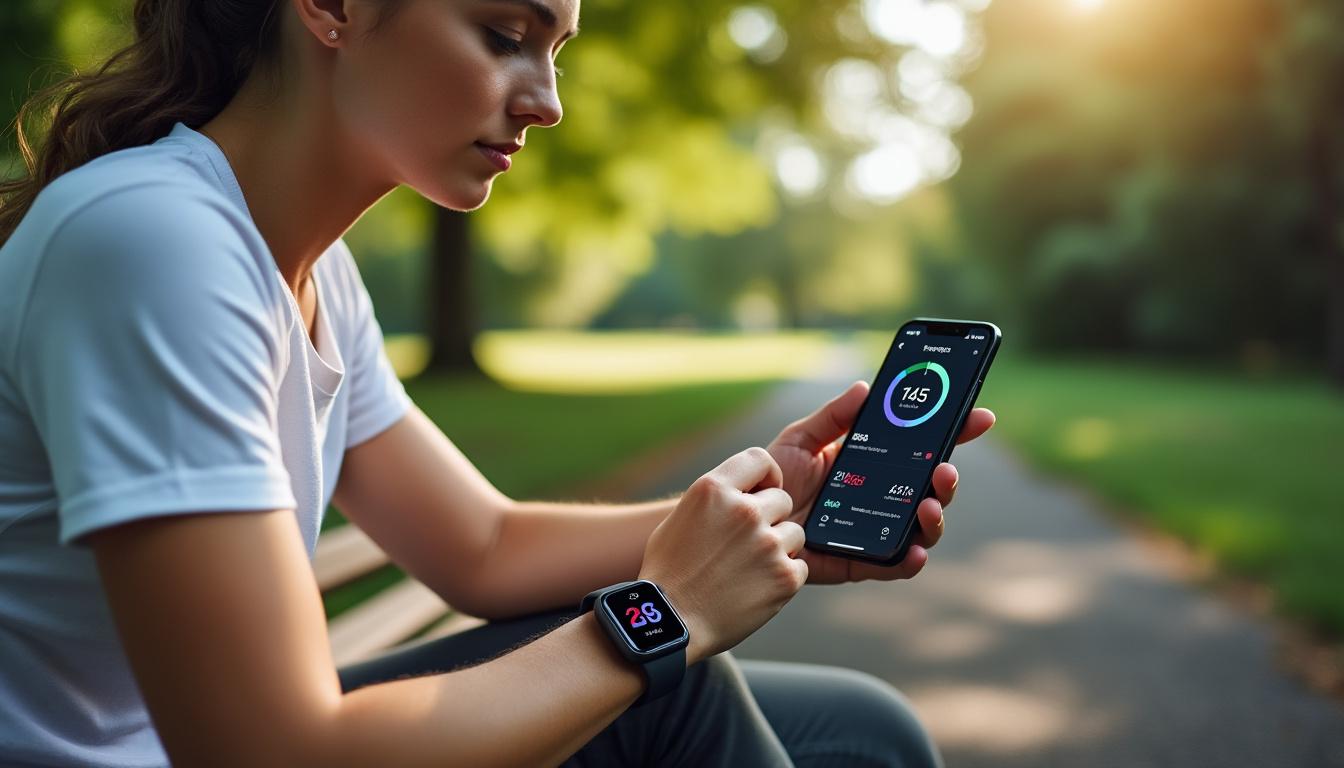
Wearable technologies like Fitbit and Garmin provide detailed feedback on physical activity, heart rate variability, and sleep quality, helping users adjust routines for optimal benefit. Nutrition tracking apps MyFitnessPal and Lifesum simplify diet management while personal meditation apps Headspace and Calm facilitate mental wellness. Engaging with platforms like Peloton and Nike’s community challenges offers social cohesion and motivation, reinforcing new behaviors with positive reinforcement.
Steps to Build and Sustain Longevity Habits
- Set small, achievable goals with gradual progress tracking.
- Use tech tools to monitor fitness, nutrition, and mental health metrics.
- Create environments that nudge healthier choices automatically.
- Involve family and friends to encourage mutual accountability.
- Celebrate milestones and adjust plans based on feedback and progress.
| Technology/Strategy | Main Benefits | Examples |
|---|---|---|
| Fitness Tracking | Motivates consistent movement and exercise | Fitbit, Garmin |
| Nutrition Monitoring | Supports mindful eating and nutrient balance | MyFitnessPal, Lifesum |
| Mental Health Apps | Enhance stress management and sleep quality | Calm, Headspace |
| Social & Community | Strengthen adherence through connectedness | Peloton, Nike |
By integrating these technologies alongside the wisdom of Blue Zones, anyone can tailor a personalized path to longevity. This approach is backed by recent findings that small, consistent lifestyle tweaks cumulatively add healthy years to life, as highlighted in articles such as Live Well Magazine.

Frequently Asked Questions About Healthy Habits for Extended Lifespan
- How much does genetics impact lifespan compared to lifestyle?
The Danish Twin Study found genetics account for about 20% of lifespan determination, with lifestyle and environment making up the remaining 80%. This means adopting healthy behaviors is crucial for longevity. - Can starting healthy habits later in life still improve lifespan?
Yes, research suggests even starting healthy habits at age 60 can add approximately 8½ years to one’s life expectancy, highlighting the value of adopting good practices at any age. - Why is social connection important for longevity?
Strong social ties reduce stress, encourage healthy behaviors, and improve mental health, all of which scientifically correlate with longer, healthier lives. - What role does sleep play in living longer?
Quality sleep supports immune function, reduces inflammation, and promotes healing. Chronic sleep deprivation accelerates aging and disease, so prioritizing rest is essential. - How can technology aid in adopting healthy habits?
Wearables and apps provide real-time feedback, personalized goal setting, and easy tracking, making sustained healthy habit formation more accessible and engaging.