



Gut health is increasingly recognized as a cornerstone of overall wellness, influencing everything from digestion to immunity and even mental well-being. Despite its importance, many daily habits unknowingly sabotage this delicate ecosystem. These habits extend beyond diet and include lifestyle patterns such as stress management and sleep quality—factors that profoundly impact the gut microbiome. In 2025, understanding these intersections remains crucial as more people seek holistic ways to enhance their health. For instance, chronic stress can disrupt the gut-brain axis, while repetitive food choices limit the microbial diversity essential for a resilient digestive system. Proactive measures, including incorporating probiotics like Activia and Yakult, adjusting medication use, and diversifying one’s diet, can help restore balance. This article explores five common yet often overlooked daily practices that might be quietly undermining your gut health and offers actionable strategies grounded in the latest nutritional science and expert guidance from sources such as the best gastro doctor in Ahmedabad.
How Chronic Stress Secretly Deteriorates Your Gut Health
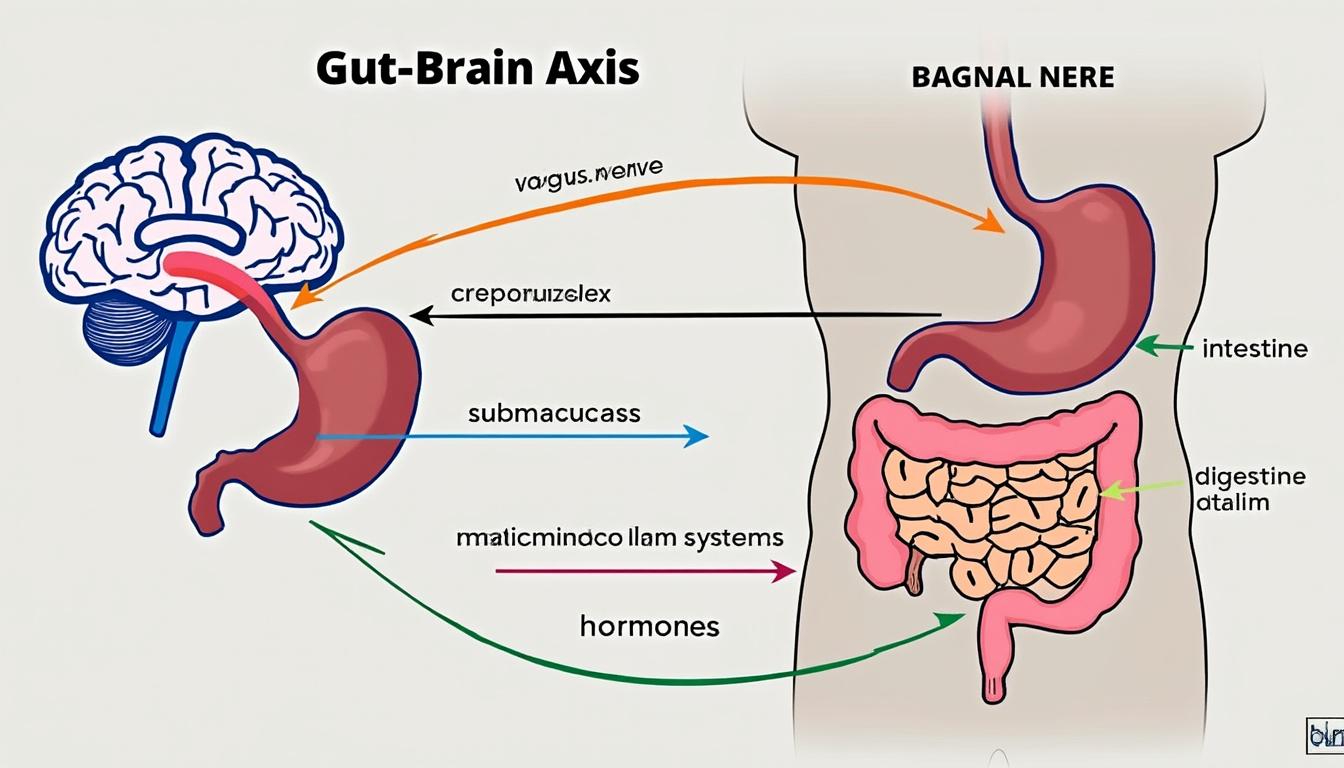
We often underestimate the far-reaching influence of chronic stress on our digestive system. The gut-brain axis is a complex, bi-directional communication network linking our central nervous system with the gastrointestinal tract.
When stress becomes persistent, elevated cortisol levels slow down gut motility, which can lead to uncomfortable symptoms like bloating and constipation. Furthermore, research suggests that continual stress reshapes the gut microbiome by reducing the presence of beneficial bacteria and encouraging harmful strains. This microbial imbalance contributes to increased intestinal permeability, often referred to as “leaky gut,” where toxins and undigested food particles escape into the bloodstream, triggering systemic inflammation.
Understanding this link is crucial because:
- Stress-induced changes in gut bacteria can exacerbate digestive disorders like IBS (Irritable Bowel Syndrome).
- The inflammatory response can worsen chronic diseases, affecting heart health, skin conditions, and mental wellness.
- Persistent gut inflammation damages the protective lining, potentially leading to nutrient malabsorption.
To combat these effects, adopting stress-reduction techniques such as mindfulness meditation, yoga, or even daily walks in nature has shown promise in normalizing gut function. Nutritionists also recommend integrating gut-supportive probiotics like Culturelle or NOW Probiotics to help restore microbial diversity.
Evidence from the 2025 health landscape confirms that managing stress is more than emotional self-care—it’s fundamental gut care. Visit resources such as LiveWell Magazine’s article on mental wellness and sleep for integrated approaches that support both mental and gastrointestinal health.

| Impact of Chronic Stress on Gut Health | Resulting Condition | Suggested Solutions |
|---|---|---|
| Elevated cortisol slows digestion | Bloating, constipation | Mindfulness, yoga, regular exercise |
| Microbial imbalance | Leaky gut, inflammation | Probiotics like Culturelle and NOW Probiotics |
| Reduced gut lining integrity | Nutrient malabsorption | Anti-inflammatory diet, stress management |
The Crucial Role of Sleep Consistency in Maintaining Healthy Gut Microbiota Diversity
Emerging research has established a powerful link between sleep quality and the state of our gut microbiota. Our gut bacteria operate on circadian rhythms much like humans do; thus, irregular or inadequate sleep disrupts these rhythms, impairing the gut’s restorative processes.
The microbiome’s diversity decreases with inconsistent sleep patterns, resulting in fewer beneficial bacteria and a rise in potentially harmful strains. This imbalance compromises gut barrier repair mechanisms that primarily operate during nighttime, increasing vulnerability to inflammation and digestive disorders.
Some studies highlight that sleep deprivation not only deteriorates gut health but also affects mood and energy levels by modulating gut-derived neurotransmitters. Practicing strict sleep hygiene—such as going to bed and waking up at the same time daily, avoiding blue light exposure before bedtime, and creating a relaxing pre-sleep routine—can enhance gut microbiome stability.
Additionally, combining adequate sleep with fermented beverages like Kombucha Wonder Drink or Kefir can provide natural probiotics that support gut healing overnight.
For more comprehensive strategies on improving both sleep and gut health, explore insights offered by World Digestive Health Day 2025 recommendations.

- Maintain consistent sleep schedule
- Avoid blue light one hour before bedtime
- Incorporate calming activities like reading or meditation
- Introduce probiotic-rich hummus or drinks like Yakult an hour before bedtime
| Sleep Habits | Effect on Gut Microbiome | Recommended Actions |
|---|---|---|
| Inconsistent sleep | Reduced microbial diversity | Regular sleep timing and blue light avoidance |
| Insufficient sleep duration | Increased harmful bacteria | 7-9 hours of quality sleep |
| Poor pre-sleep hygiene | Disrupted gut repair | Relaxing pre-sleep routines |
Why Eating the Same Foods Daily Can Weaken Your Gut Microbiome
For many, the convenience of a repetitive diet becomes a hidden enemy of gut health. While choosing healthy options is beneficial, insufficient dietary diversity limits the spectrum of nutrients and prebiotic fibers that nourish a thriving microbiome.
Registered dietitian Maggie Moon, MS, RD, emphasizes that the gut flora needs a wide array of plant-based foods to flourish and maintain its beneficial complexity. Habitual consumption of similar fruits, vegetables, and grains risks diminishing bacterial variety, which is strongly linked to enhanced immune function, digestion, and mood regulation.
To remedy this, gradually introducing one new fruit or vegetable per week can greatly expand microbial diversity, facilitating the growth of beneficial bacterial strains vital for at least these key functions:
- Fermentation of fibers into short-chain fatty acids that nourish colon cells
- Metabolism of dietary polyphenols with antioxidant properties
- Boosting the body’s resistance to harmful pathogens and inflammation
Incorporating fermented products such as Bio-K Plus or supplements from brands like Garden of Life helps reinforce this wide microbial ecosystem. For additional approaches to avoid gut damage due to monotony in eating habits, visit The Health Site.
| Food Variety | Microbial Benefit | Examples to Include |
|---|---|---|
| High diversity | Rich, resilient microbiome | Leafy greens, berries, nuts, whole grains |
| Low diversity | Reduced microbial range | Repeated similar meals |
Why Avoiding Carbohydrates Could Be Detrimental to Your Gut Health
Carbohydrates have long been unfairly vilified in popular diets, yet they play a critical role in maintaining a healthy gut. Complex carbs act as prebiotics, providing fuel for beneficial bacteria to thrive. Dietitian Maggie Moon explains that excluding carbs deprives our microbiome of these essential nutrients, inhibiting its ability to metabolize food effectively and produce health-promoting metabolites.
Foods rich in complex carbohydrates, such as whole grains and legumes, support the proliferation of gut bacteria that modulate inflammation and reinforce the gut barrier. Failure to consume adequate carbs can reduce short-chain fatty acid production, which is a key element in maintaining colonic health.
This explains why foods like bread, especially when paired with probiotic sources like Metamucil or Activia, shouldn’t be dismissed outright. These combinations nurture the gut ecosystem by balancing fiber intake and probiotic presence.
Understanding this can inspire mindful carb integration into your diet, as outlined in comprehensive guidance offered by NDTV’s health resources.
- Carbohydrates provide prebiotic fiber essential to gut bacteria growth
- Whole grains and legumes are particularly beneficial
- Combining carbs with probiotic foods amplifies gut support
| Dietary Pattern | Effect on Gut Microbiota | Recommendation |
|---|---|---|
| Low carb, high protein/fat | Limited beneficial bacteria growth | Incorporate whole grains, legumes |
| Balanced carb intake | Enhanced microbial fermentation | Combine with probiotics like Yakult |
The Hidden Risks of Excessive Medication on Your Gut Lining
Medications, especially the widespread use of NSAIDs like ibuprofen and naproxen, have notable yet often overlooked consequences on gut health. Although effective for pain relief, these drugs can disrupt the protective prostaglandins that maintain the gut lining, increasing susceptibility to irritation and inflammation.
Long-term or frequent NSAID use raises the risk of “leaky gut,” digestive bleeding, and shifts the gut microbiome toward harmful bacterial overgrowth. Antibiotics, although sometimes necessary, similarly wreak havoc by indiscriminately killing beneficial gut flora, making room for resistant, problematic strains.
To alleviate these risks, medical advice now leans toward cautious and guided medication use, paired with gut-protective practices. Supplementing with probiotics such as Align or using fiber supplements like Metamucil can help restore gut integrity after medication courses.
If you rely frequently on such medications, consider consulting healthcare professionals and explore lifestyle adjustments that reduce dependency. For more details and expert tips, resources like Hindustan Times health articles provide valuable guidance.

- NSAIDs disrupt protective gut lining prostaglandins
- Antibiotics can eliminate beneficial bacteria broadly
- Excessive usage increases risk of leaky gut and inflammatory diseases
- Probiotics and fiber supplements aid recovery
| Medication Type | Impact on Gut | Preventive Measures |
|---|---|---|
| NSAIDs (Ibuprofen, Naproxen) | Gut lining irritation, inflammation | Limit use, probiotic supplementation |
| Antibiotics | Disruption of microbial balance | Post-treatment probiotics like Align |

Frequently Asked Questions About Daily Habits Impacting Gut Health
Can stress management alone restore gut health?
While managing stress significantly benefits the gut-brain axis and microbial balance, comprehensive gut health improvement typically requires diet, sleep, and lifestyle changes alongside stress reduction.
What is the best probiotic to support gut diversity?
Probiotics such as Activia, Yakult, Culturelle, and Align provide various bacterial strains. Choosing a product aligned with personal health needs and consulting healthcare providers yields the best results.
How quickly does diet diversity affect the gut microbiome?
Introducing new foods regularly can begin modifying microbial composition within days to weeks, but sustained changes may take several months for stable benefits.
Is it safe to use NSAIDs occasionally without harming the gut?
Occasional, recommended usage under medical guidance is generally safe; problems arise with chronic or excessive consumption.
Can fermented drinks help repair the gut lining?
Fermented drinks like Kombucha Wonder Drink and Kefir supply natural probiotics that support microbial diversity and gut barrier repair, making them helpful adjuncts in gut health strategies.