



In Brief: The Medicare Drug Cap
A landmark provision of the Inflation Reduction Act, which took effect on January 1, 2025, has fundamentally changed the landscape of prescription drug costs for millions. Now in its second year, the $2,000 annual out-of-pocket spending cap for Medicare Part D beneficiaries continues to provide significant financial relief. This cap eliminates the dreaded “donut hole” and protects seniors from catastrophic drug expenses, particularly those managing chronic conditions like cancer.
- What it is: An annual limit of $2,000 on what a Medicare beneficiary pays out-of-pocket for prescription drugs covered by their Part D or Medicare Advantage plan.
- Who is covered: All 50+ million Americans enrolled in a Medicare Part D or a Medicare Advantage plan with drug coverage.
- How it works: The cap is applied automatically. Once your spending on deductibles, copayments, and coinsurance reaches $2,000, your plan covers the cost of your formulary drugs for the rest of the year.
- What’s not included: The cap does not cover monthly plan premiums or the cost of drugs not on your plan’s approved list (formulary).
A New Era of Affordability: Understanding the $2,000 Drug Cap
For millions of American seniors, the daily routine of taking medication has long been shadowed by a persistent anxiety: the staggering cost. Many have faced the impossible choice between purchasing life-saving prescriptions and affording basic groceries. This difficult reality was amplified by Medicare’s former “donut hole,” a coverage gap that could suddenly expose beneficiaries to thousands of dollars in out-of-pocket costs, creating significant financial burdens.
However, the landscape shifted dramatically on January 1, 2025. Thanks to the Inflation Reduction Act of 2022, a new protection was put in place: a $2,000 annual cap on out-of-pocket prescription drug spending. Now, well into 2026, the positive effects are clear. This cap has been what many experts call “a game changer for many seniors,” particularly for patients who rely on expensive medications for conditions like cancer, arthritis, and diabetes.


How Does the $2,000 Spending Limit Actually Work?
The beauty of this new system lies in its simplicity. The cap is applied automatically to anyone with a Medicare Part D plan or a Medicare Advantage plan that includes drug coverage. Your insurance plan tracks your out-of-pocket spending on covered medications throughout the year.
Once your combined payments for your deductible, copayments, and coinsurance hit the $2,000 threshold, you pay nothing more for your covered prescription drugs for the remainder of the calendar year. This effectively ended the notorious coverage gap, providing predictability and peace of mind to over 50 million older Americans.
Maximizing Your Savings: What’s Covered and What’s Not
While the cap is a monumental step forward, it’s crucial to understand the specifics of what contributes to the $2,000 limit. Not every healthcare dollar you spend will count. This distinction is especially important when budgeting for your annual medical expenses and managing your expectations.
For example, the monthly payments you make to keep your insurance active are separate. Understanding how Medicare premiums are structured is essential for a complete financial picture. The table below breaks down what counts toward the cap and what does not.
| Costs That Count Toward the $2,000 Cap | Costs That DO NOT Count Toward the Cap |
|---|---|
| Your annual plan deductible | Your monthly Part D or Medicare Advantage plan premiums |
| Copayments for each prescription | The cost of any drugs not on your plan’s formulary |
| Coinsurance for covered drugs | Drugs covered under Medicare Part B (e.g., certain infusions) |

The Critical Role of Your Plan’s Formulary
The single most important factor in this new system is your plan’s formulary—the official list of prescription drugs it agrees to cover. If a medication is not on your formulary, its cost will not count toward the $2,000 cap, and you could be responsible for the full price.
This is especially critical for those with complex conditions. The high cost of specialized cancer drugs under Medicare makes formulary alignment a top priority. To ensure you receive the full benefit of the spending cap, proactive management is key.
- Review Your Plan Annually: During the Open Enrollment period (typically mid-October to early December), compare your prescription list against the formularies of different plans to find the best fit.
- Talk to Your Doctor: When you are prescribed a new medication, bring your formulary with you. Ask your doctor if there is an effective, covered alternative available.
- Request an Exception: If a specific, non-formulary drug is deemed medically necessary, you and your doctor can file for an exception with your insurance plan.
“Last year, before the cap, I was paying over $6,000 out-of-pocket for my treatment,” shares a fictional senior named Margaret, a cancer survivor. “When the $2,000 limit kicked in, it felt like I could finally breathe. It’s not just about the money; it’s about knowing I can afford to stay healthy without bankrupting my family.”
Do I need to sign up to get the $2,000 drug cap?
No, you do not need to sign up. The cap is a standard feature of all Medicare Part D and Medicare Advantage prescription drug plans and is applied automatically. Your plan provider will track your out-of-pocket spending and stop charging you for covered drugs once you reach the $2,000 limit.
Does the cap cover my monthly plan premiums?
No, the $2,000 cap does not apply to your monthly plan premiums. You must continue to pay your premiums to keep your coverage active, even after you have met the out-of-pocket spending limit for your medications.
What happens if my doctor prescribes a drug that isn’t on my plan’s list?
If a drug is not on your plan’s formulary, its cost will not be covered by the plan or count toward the $2,000 cap. You should speak with your doctor about covered alternatives. If no alternative is appropriate, you can ask your doctor to help you request a formulary exception from your plan.
Is the $2,000 cap amount permanent?
The $2,000 figure was set for 2025. For 2026 and beyond, the cap amount will be adjusted annually to account for inflation. This means the specific dollar limit may increase slightly in future years, so it is important to check for updates each year.
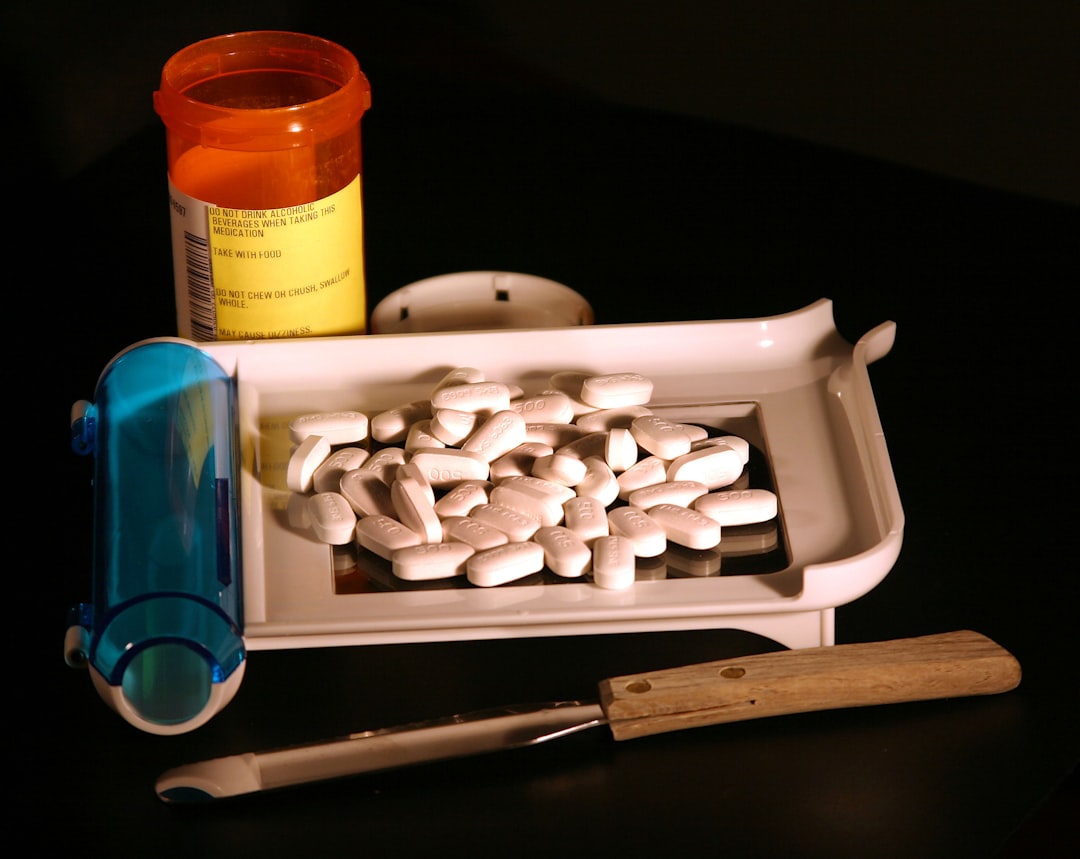
The illustration photo in this article was generated by an artificial intelligence model. Fictional testimonials may have been added to illustrate the subject matter.