


A research team at the University of Colorado Anschutz has reported intriguing new evidence that markers of neuron injury and neuron death rise steadily across the lifespan—and that a long-approved drug might be able to temporarily slow that damage in people with Alzheimer’s disease (AD). The findings are early, but they point to a future where clinicians may track brain health with blood tests sooner—and possibly intervene earlier, too.
Bottom line up front: The drug (sargramostim, also called Leukine) is not FDA-approved for Alzheimer’s. The results so far are considered preliminary, and ongoing clinical trials are needed before anyone should consider it for cognitive decline outside a research setting.
What did the scientists find—exactly?
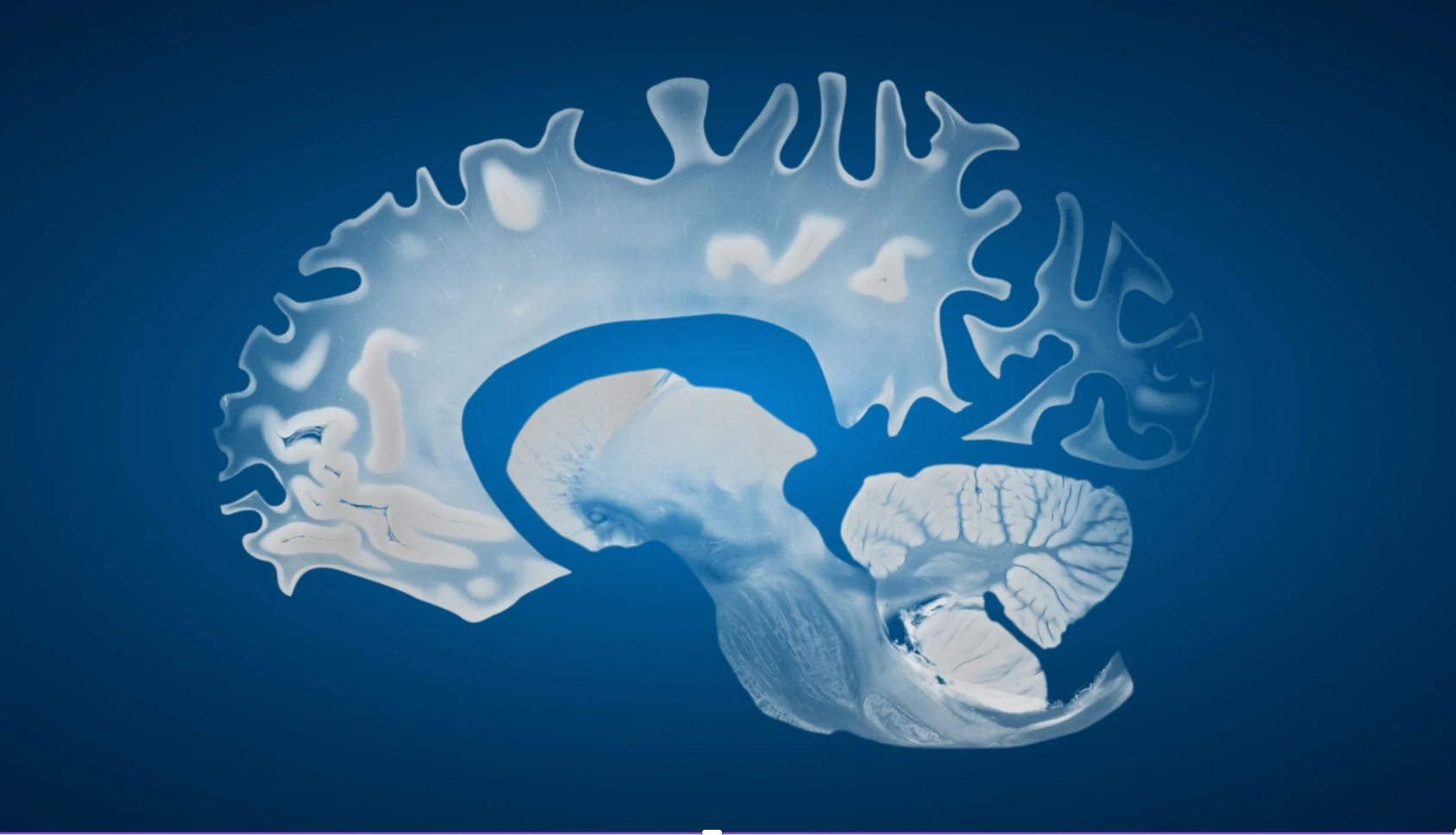

The new study (published in Cell Reports Medicine) focused on proteins that can be measured in blood and are thought to reflect what’s happening inside the brain:
- UCH-L1: a protein released into the bloodstream when brain neurons are dying
- NfL (neurofilament light): a protein that rises with neuron damage
- GFAP: a marker linked to brain inflammation (astrocyte activation), which may contribute to cognitive decline
In a cross-sectional analysis across ages, the researchers reported that UCH-L1 and NfL are low in early life and rise exponentially each year up to around age 85. They also reported that GFAP becomes significantly higher starting around midlife (around age 40)—and that age-related GFAP and UCH-L1 levels were higher in women for reasons that are still unclear.
Importantly, the researchers emphasized that some increase in these markers can be part of normal aging. The key concern is that in later life, steeper increases—especially those tied to inflammation—may be associated with worse outcomes.
Why this matters for Alzheimer’s
Alzheimer’s disease is often discussed as “plaques and tangles,” but many scientists increasingly focus on something even more direct: the rate at which neurons are being injured and lost. If blood tests can reliably reflect that process, they could someday help clinicians:
- Detect risk earlier (before major symptoms appear)
- Track progression more easily over time
- Measure whether a therapy is actually slowing damage
This is the promise of blood biomarkers: not just diagnosing Alzheimer’s earlier, but tracking whether the brain is stabilizing—or deteriorating—month by month.
The drug in the spotlight: sargramostim (Leukine) and GM-CSF
Sargramostim is a synthetic version of a natural human protein called GM-CSF (granulocyte-macrophage colony-stimulating factor). In medicine, it’s been used for decades to stimulate aspects of the immune system—especially in certain cancer-related settings.
Why would an immune-related drug matter for brain health? The researchers’ working theory is that GM-CSF may modulate inflammation and influence immune activity in a way that could reduce ongoing neuron injury. In animal models of Alzheimer’s-like disease, the team has reported cognitive improvements after relatively short treatment periods.
What happened in the first Alzheimer’s clinical trial?
Earlier clinical research tested sargramostim in people with mild-to-moderate Alzheimer’s disease in a randomized, double-blind, placebo-controlled trial. Treatment was given 5 days per week for 3 weeks, with follow-ups afterward.
Key findings reported from that trial included:
- Improvement on one cognitive measure (the MMSE) compared with placebo
- Reduction in blood markers linked to neurodegeneration, including a substantial drop in UCH-L1 during treatment
- No drug-related serious adverse events reported in the trial, and no amyloid-related imaging abnormalities reported
However, there were also important limitations:
- The trial was short, and not every cognitive test improved.
- The biomarker improvement appeared to be time-limited—in the CU Anschutz summary, UCH-L1 returned to pre-treatment levels about 45 days after stopping, even though the MMSE improvement was still observed on that one measure.
- We still don’t know whether benefits require continuous treatment, whether they persist long-term, or which patients might benefit most.
So… is this a breakthrough?
It’s best to think of this as a promising signal, not a cure.
What’s exciting here is the combination of two ideas:
- Blood markers of neuron injury and inflammation may reveal a measurable “trajectory” of brain aging.
- A drug already used in other conditions might be able to slow part of that trajectory—at least while taken.
But before anyone celebrates, the science has to answer big questions:
- Does it meaningfully slow real-world decline (daily function, independence, caregiver burden), not just one test score?
- How long must someone take it—and what happens after months or years?
- What are the risks in older adults with common conditions like heart disease, diabetes, or immune disorders?
- Which stage of Alzheimer’s (early, mild, moderate) is the best target?
A longer, more extensive clinical trial is underway, and that’s the kind of evidence needed before medical guidelines can change.
What seniors and families can do right now (while the research continues)

Even as new drugs are tested, the strongest “brain protection” strategies remain the basics that reduce stress on the brain over time—especially in older adults:
- Protect your heart to protect your brain: blood pressure control, diabetes management, cholesterol care, and smoking cessation matter for dementia risk.
- Move regularly: walking, strength training, balance work, and mobility routines support cognition and reduce fall risk.
- Prioritize sleep: consistent sleep supports memory and may reduce inflammation.
- Stay socially connected: isolation and depression can worsen cognitive outcomes.
- Ask about hearing and vision: untreated hearing loss and poor vision increase cognitive load and can accelerate withdrawal.
- If you’re concerned, ask about evaluation: cognitive screening and modern biomarker discussions (where appropriate) are becoming more common.
If you’re interested in cutting-edge therapies: ask a neurologist or memory clinic about clinical trials. Trials are the safest way to access investigational treatments—with monitoring, clear protocols, and safety oversight.
Safety note: do not self-treat with sargramostim
The researchers themselves emphasize that until the clinical research is complete and regulators evaluate the data, sargramostim should not be used for Alzheimer’s outside approved indications. Off-label use can be dangerous—especially in older adults who may have multiple medical conditions and medications.
If you or a loved one is living with Alzheimer’s or cognitive decline, the best next step is a conversation with a qualified clinician (primary care, neurology, geriatrics, psychiatry) to review evidence-based treatment options and supportive care.
This article is for educational purposes and is not medical advice. If you have urgent symptoms or sudden changes in thinking, behavior, or function, seek medical care promptly.