


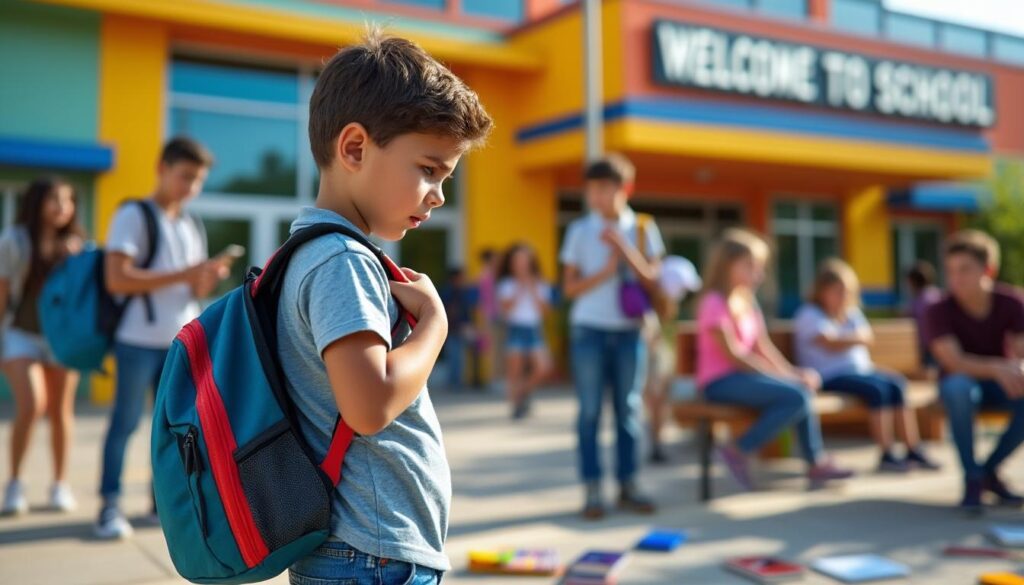
As August winds down and the excitement of a new school year approaches, many families brace themselves not just for the logistical challenge of supplies and schedules, but for the emotional hurdles that come with back-to-school anxiety. From preschoolers clinging at the classroom door to teens facing peer pressures and academic expectations, anxiety manifests in diverse ways. Parents and caregivers seeking effective methods to support their children through these transitions will find that a compassionate approach, combined with practical tools, can transform stress into confidence. In 2025, resources like Headspace, Calm, and educational platforms such as Khan Academy and Scholastic have become invaluable allies, enhancing both mental preparedness and learning engagement.
Recognizing Back-to-School Anxiety: Signs and Symptoms Across Ages
Understanding how anxiety presents at different stages is critical. It’s not always verbalized as nervousness or tears; often, it hides behind subtle signs.
- Preschool and Early Elementary (Ages 3–7): Look for clinginess during school drop-offs, regressive behaviors like bedwetting or tantrums, and expressed fears about separation from home.
- Late Elementary to Middle School (Ages 8–13): Anxiety may surface as worries about friendships, academic performance, or social acceptance. Signs include perfectionism, evading certain activities, or complaints of headaches and stomachaches.
- Teens (Ages 14+): Anxiety often becomes more internalized in adolescents. Watch for mood changes, withdrawal from social interactions, or heightened self-criticism, frequently tied to mounting social and academic pressures.
Recognizing these manifestations paves the way for tailored responses, focusing on connection rather than correction, a method that bolsters resilience over time.
Building a Foundation Through Early and Open Communication
Engaging your child in discussions about school weeks before it begins normalizes their emotions and prepares them mentally for the change ahead. Simple, open-ended questions such as “What excites you about this year?” or “What worries you about school?” invite them to express their feelings authentically.
- Initiate conversations gradually to avoid overwhelming them.
- Validate their fears with empathy, for example: “It’s okay to feel nervous; many kids feel that too.”
- Share stories of past successes and challenges to foster a sense of familiarity and confidence.
Even programs like Big Life Journal and Sesame Workshop offer tools and narratives that encourage children to articulate their feelings constructively.
Strategies to Reduce Anxiety Through Preparation and Routine
Familiarity breeds comfort. Practical steps that expose children to their upcoming environment and routine can greatly ease stress.
- Visit the school ahead of the first day, if possible, to familiarize your child with the building and surroundings.
- Rehearse morning rituals, from waking up early to packing lunches (Consider integrating educational snack ideas from Bright Horizons).
- Review daily schedules or school maps, especially for kids transitioning to new schools.
- Role-play common school-day scenarios such as asking a teacher for help or finding their classroom to encourage independence.
Visual scheduling apps like ClassDojo or Calm’s mindfulness exercises can complement these preparations, promoting a smoother transition.
Equipping Children with Effective Coping Tools
Before school commences, it’s invaluable to develop and practice calming strategies that your child can use independently:
- Deep Breathing Exercises: Techniques like “smell the flower, blow out the candle” help regulate emotions.
- Grounding Techniques: Encouraging children to identify sensory details around them stabilizes anxious moments.
- Worry Journals or Artistic Expression: For kids who enjoy writing or drawing, documenting their feelings offers relief and insight.
- Positive Mantras: Creating affirmations such as “I can handle hard things” builds internal strength.
Tools from Breathe for Change and PBS Kids often integrate these approaches into engaging activities that children eagerly embrace. Consider assembling a personalized “calm kit” with your child, including visuals and tactile items to aid in quick stress relief.
How Parents Can Model Calm and Create a Predictable Environment
Children internalize parental emotional cues deeply. Modeling calmness and steady confidence during this transition is pivotal.
- Adopt a soothing tone when discussing school-related topics.
- Avoid dismissive reassurances like “You’ll be fine,” opting instead for affirmations of past resilience: “You’ve overcome new challenges before.”
- Verbally share your own coping strategies, demonstrating that anxiety is manageable.
- Establish and maintain consistent bedtime and morning routines well ahead of school start, fostering a sense of security.
Small daily rituals, like a reassuring morning hug or a handwritten lunchbox note, serve as emotional anchors. For more on building nurturing habits, explore strategies outlined in embrace wellness resources.
Recognizing When Professional Support is Needed
While some back-to-school anxiety is typical, intense or persistent distress merits attention from professionals:
- Continuous refusal to attend school.
- Unexplained physical complaints such as headaches or stomachaches.
- Severe distress during drop-off that does not improve after several weeks.
- Disrupted sleep patterns or appetite changes.
- Withdrawal from friends or previously enjoyed activities.
Resources like Scholastic and insights from pediatric specialists support parents navigating this terrain, reminding us that seeking help is a sign of strength, not weakness.
For additional natural ways to cope with anxiety and stress, explore these expert-backed tips. New research even explores intriguing avenues like gut bacteria transplants playing a role in managing anxiety (read more).