


Staying active is essential for healthy aging. Regular movement supports cardiovascular health, maintains mobility, boosts mood, and reduces the risk of chronic diseases. However, as the summer months approach, rising temperatures introduce new challenges for older adults. What might seem like a harmless morning walk or light gardening session can quickly become hazardous if precautions aren’t taken. Among the most dangerous seasonal threats is heatstroke—a serious, potentially fatal condition that occurs when the body overheats and can no longer regulate its internal temperature. As the mercury climbs, so does the risk, particularly for seniors whose bodies are less able to adapt to extreme heat. Without proper planning, summer activity can shift from beneficial to dangerous in a matter of minutes.
Fortunately, with a few simple precautions and smart fitness choices, seniors can maintain their physical activity routines while protecting their health. What should you do to stay cool, safe, and energized this summer?
Why seniors are more vulnerable in the heat
As we age, our bodies become less efficient at regulating temperature. The ability to sweat decreases, circulation may slow, and certain medications or chronic illnesses—such as heart disease or diabetes—can further impair heat response. These changes make it easier for older adults to overheat, even with moderate activity.
Heatstroke can set in quickly, often without early warning. For seniors, the signs may be subtle, such as confusion or weakness, making it vital to adopt preventative habits before symptoms appear.
The best exercises to stay fit in summer
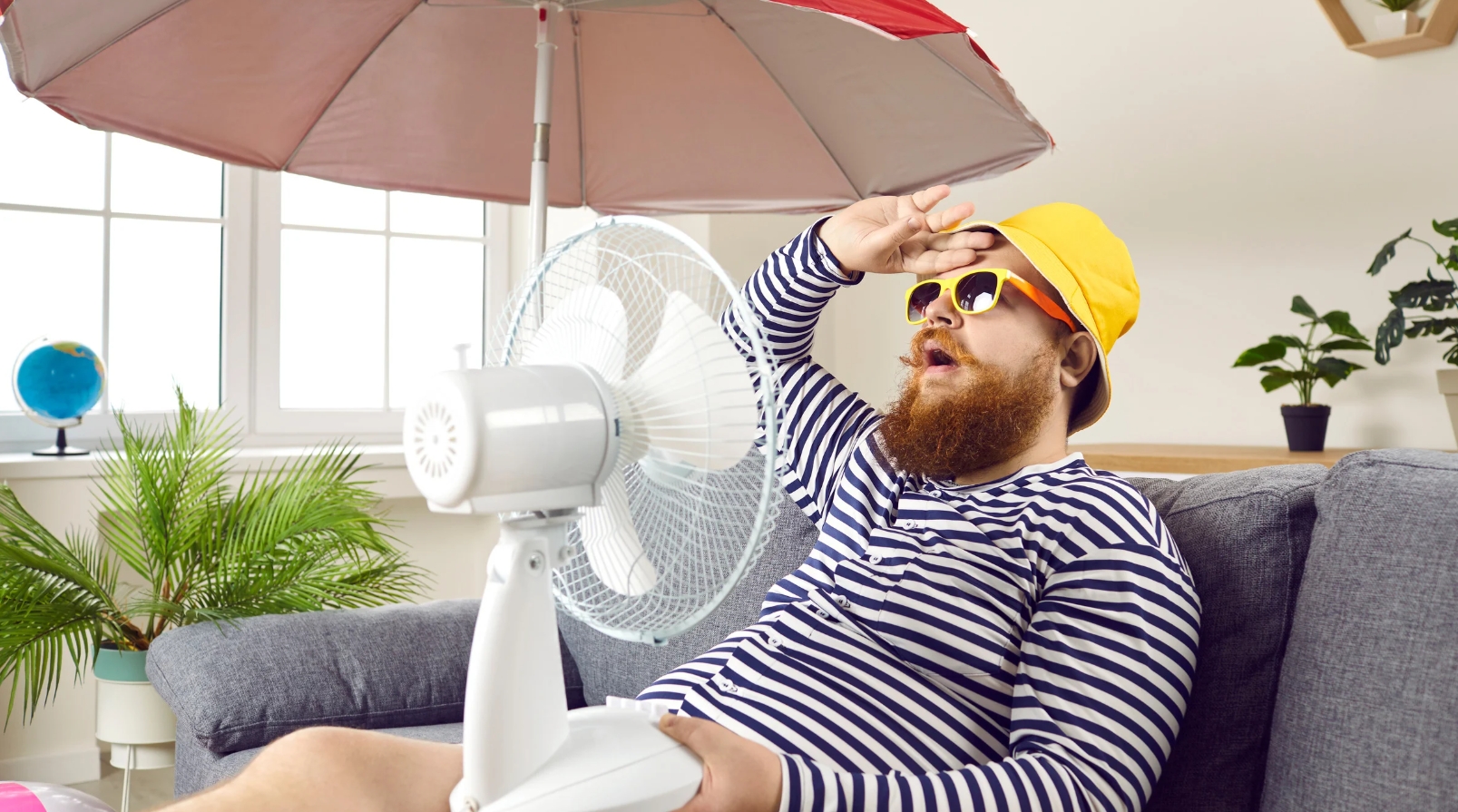

Low-impact activities are the safest choice when temperatures rise. It’s best to avoid vigorous outdoor exercise during midday hours. Instead, consider these senior-friendly options:
- Water aerobics or swimming at a community center or local pool
- Indoor walking at shopping malls or gyms with air conditioning
- Chair yoga or seated stretching routines
- Light gardening in shaded areas early in the morning
Focus on consistent movement rather than intensity. The goal is to keep joints limber, muscles toned, and circulation active—without putting undue strain on the heart or increasing body heat too much.
Essential safety tips to prevent heatstroke
Exercising smartly in hot weather means being proactive. Here are the top strategies for keeping your body cool and hydrated during summer workouts:
- Hydrate regularly—don’t wait until you feel thirsty. Aim for small sips throughout the day.
- Exercise during cooler hours, such as early morning or after sunset.
- Wear loose, breathable clothing in light colors to reflect sunlight and allow airflow.
- Use fans or cooling towels during and after physical activity.
Avoid exercising outdoors if the humidity is high or temperatures exceed 85°F. Always check the weather index, and consider staying indoors if air quality is poor or ozone levels are high.
Recognizing the warning signs of heat-related illness
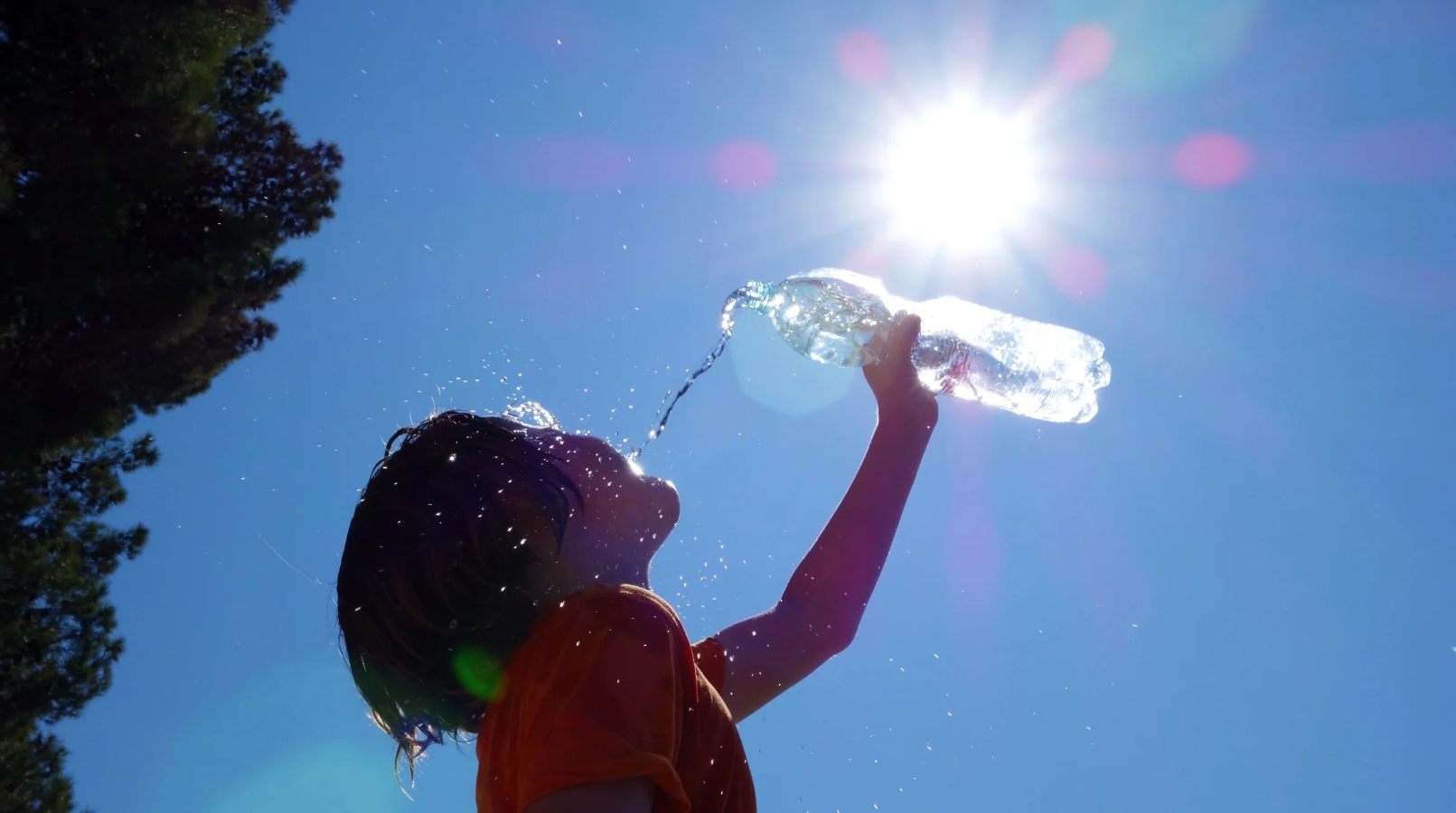

Even with precautions, it’s crucial to recognize the early signals that your body is overheating. Stop all activity and seek shade or cool air immediately if you notice any of the following:
- Headache or dizziness
- Nausea or a rapid heartbeat
- Flushed skin or muscle cramps
- Unusual fatigue, confusion, or unsteadiness
Heat exhaustion can progress quickly to heatstroke, which may include fainting, loss of consciousness, or body temperatures over 104°F. This is a medical emergency and requires immediate attention.
Stay active, but stay protected
Staying physically fit in summer is not only possible for seniors—it’s vital to long-term well-being. By choosing the right time of day, dressing appropriately, and staying hydrated, older adults can safely enjoy the benefits of exercise even when the heat is high.
When in doubt, listen to your body, consult your doctor, and never hesitate to rest. The goal is a summer full of movement, joy, and above all—good health.