


Understanding the Science of Circadian Rhythms and Their Impact on Daily Well-Being
Every cell in the human body functions as a remarkable timekeeper, equipped with its own molecular clock regulating biological processes. These cellular clocks collectively maintain our internal circadian rhythm, a roughly 24-hour cycle dictating sleep patterns, digestion, energy levels, and metabolic functions. Yet, these clocks do not perfectly align with the outside world by themselves. This is why external cues such as light exposure, meal timing, and physical activity are critical to resetting and maintaining synchronization with the day-night cycle.
Research by chronobiologists like Dr. Emily Manoogian highlights how different organs possess their own clocks that are coordinated by a “master clock” in the brain’s suprachiasmatic nucleus. This master clock relies heavily on environmental cues, or zeitgebers, to stay aligned with the Earth’s rotation. Natural sunlight in the morning is one of the most powerful entraining agents, helping reset our internal clocks daily. This biological alignment plays a crucial role in optimizing sleep quality, metabolic health, and overall vitality.
Disruption of circadian rhythms has been linked to increased risks of chronic diseases like obesity, diabetes, cardiovascular problems, and even certain cancers. For example, shift workers who face irregular sleep and eating schedules often experience significant metabolic disturbances. Conversely, adopting routines that align with our circadian biology promotes resilience and longevity.
Key Environmental Signals Regulating Circadian Rhythms
- Light Exposure: Morning sunlight exposure resets the master clock and promotes wakefulness, while dimming lights and reducing blue light from screens in the evening helps signal the body that it’s time to wind down. Devices like the Philips Wake-Up Light simulate natural dawn to aid in gentle waking aligned with biological rhythms.
- Meal Timing: The first bite of the day activates clocks in the digestive system, setting metabolism in motion. Restricting eating to an appropriate window, typically about 10 hours, supports optimal blood sugar control and reduces chronic disease risk.
- Physical Activity: Exercise acts as a cue signaling alertness. Morning or afternoon workouts enhance circadian alignment, while intense late-night exercise can interfere with sleep onset and quality.
Incorporating tools such as the Oura Ring and Garmin wearable devices allows individuals to monitor sleep patterns, heart rate variability, and activity levels. These insights help fine-tune lifestyle choices that respect intrinsic biological clocks. Apps like Headspace provide timed meditation and relaxation techniques to support winding down in the evening.
Maintaining a stable circadian rhythm thus requires conscious synchronization of multiple daily habits, focusing on consistent light exposure, meal schedules, exercise, and sleep timing. These strategies not only enhance immediate well-being but confer lasting health protections by fortifying the body’s inherent timing system. Learn more about how circadian rhythms improve productivity and health.

Optimizing Sleep Through Circadian Rhythm Alignment for Peak Health
Sleep is arguably the cornerstone of well-being, and its quality is deeply intertwined with the circadian rhythm. The master clock governs not just when we fall asleep, but also the stages and restorative depth of sleep. Consistent bedtimes and wake times reinforce the timing and strength of these rhythms, resulting in improved cognitive function, memory consolidation, and metabolic regulation.
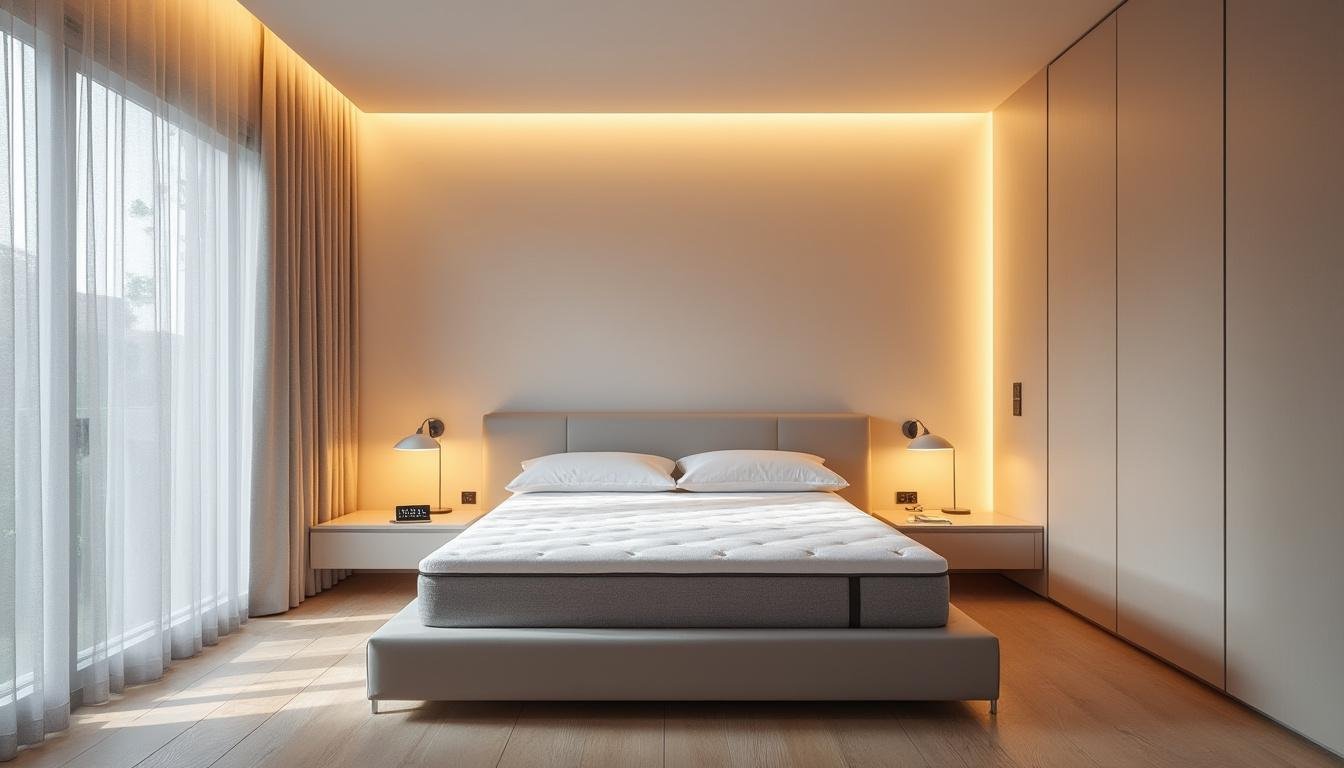
Technologies such as Sleep Number beds and Eight Sleep smart mattresses help tailor the sleeping environment, adjusting temperature and support to enhance circadian-friendly rest. Avoiding artificial blue light exposure before bedtime through software like F.lux or using dim ambient lighting supports melatonin production, the hormone critical for sleep initiation. Moreover, the Philips Wake-Up Light gently mimics natural dawn, promoting a smooth transition from sleep to wakefulness.
Strategies for Circadian-Friendly Sleep Habits
- Maintain Regular Sleep-Wake Times: Strive to go to bed and wake up around the same time daily, even on weekends, to stabilize your internal clock.
- Limit Exposure to Light at Night: Use blackout curtains or devices like Withings sleep trackers to measure light exposure while sleeping and keep the room dark.
- Establish a Wind-Down Routine: Utilize relaxation apps such as Headspace to meditate and ease into sleep, minimizing mental chatter.
- Avoid Late-Night Meals or Heavy Snacks: Eating close to bedtime disrupts metabolic cycles and may impair glucose regulation overnight.
- Manage Bedroom Temperature: Cooler temperatures encourage deeper, more restorative sleep phases, which smart mattresses can help regulate.
By prioritizing sleep within your circadian framework, you optimize not only rest but cognitive performance, emotional balance, and long-term disease resistance. Monitoring tools like Oura Ring provide personalized feedback on sleep quality and circadian alignment, empowering individuals to adapt lifestyle choices daily.
According to experts, slight variations from your routine don’t cause irreparable harm but chronic inconsistency wears down the circadian system, akin to water dripping on stone causing erosion. This analogy underscores the necessity of steady habits to maintain youthful vitality and mental clarity over time.
Meal Timing and Metabolic Health in Sync with the Body Clock
Aligning eating patterns to your biological clock leverages natural rhythms in digestive enzyme production, insulin sensitivity, and energy metabolism. The digestive tract itself houses a circadian clock sensitive to food signals, which primes metabolic processes to handle nutrients efficiently during daytime. Conversely, nighttime is when the body anticipates fasting and shifts toward cellular repair and detoxification.
Research demonstrates that time-restricted eating — confining caloric intake within a roughly 10-hour window — can produce significant improvements in glycemic control without reducing calories. For instance, a notable study involving adults with metabolic disease symptoms showed a 60% reduction in Type 2 diabetes risk markers by following such an eating schedule for three months.
Best Practices for Circadian-Aligned Nutrition
- Eat Breakfast Soon After Waking: Synchronizes digestive clocks to daylight hours.
- Prefer Larger Meals Earlier in the Day: Consuming the biggest meal in the afternoon aligns with peak insulin sensitivity and promotes weight management.
- Avoid Late Night Eating: Prevents metabolic disruption and preserves natural fasting periods during sleep.
- Hydrate Consistently, Especially During Daytime: Water supports metabolic functions timed by circadian cycling.
- Record Meal Times and Glucose Trends: Using apps such as the myCircadianClock helps assess and adjust timing for metabolic benefit.
This deliberate meal timing strategy reflects the principle that what and when you eat influences your body’s ability to maintain energy balance, avoid fat accumulation, and reduce inflammation. Tools like Lumen provide real-time metabolic tracking, aiding users in selecting food timing and composition aligned with their circadian biology.
Research on circadian rhythms emphasizes the increase in obesity and metabolic disorders when eating patterns are misaligned with the body clock. By adapting your diet schedule, you can harness your natural biology to promote longevity and vitality.
Strategic Exercise Timing: Boosting Energy and Fitness Aligned with Your Internal Clock
Physical activity provides a powerful daily cue that helps entrain peripheral clocks and harmonizes the circadian system. Optimal exercise timing varies depending on individual chronotypes, the genetic predisposition that influences whether you are a morning person or an evening person.
Dr. Phyllis Zee of Northwestern University explains that morning workouts benefit early risers by fostering regularity and boosting daytime alertness. Meanwhile, those naturally more alert later in the day may find afternoon or early evening exercise more effective. However, intense workouts too close to bedtime can stimulate the nervous system excessively and disrupt sleep quality.
Implementing Circadian-Friendly Fitness Practices
- Identify Your Chronotype: Use questionnaires or wearable insights from devices like Garmin to discover your peak energy times.
- Schedule Exercise Within Your Sweet Spot: Aim for morning or afternoon based on your energy peaks.
- Avoid Vigorous Evening Workouts: Allow your body time to wind down before sleep.
- Mix Aerobic, Strength, and Flexibility Training: Complete a balanced routine that suits daily rhythms.
- Track Recovery and Restfulness: Employ a smart sleep system like Casper’s bedroom solutions to optimize recuperation.
Even when schedules require working out off-peak, exercise remains beneficial. The stimulus signals wakefulness, metabolic activation, and improved mood, all of which contribute to circadian system strength over time. Incorporating movement timed with your biological rhythm enhances workout efficacy as well as restorative rest.
A holistic approach involving proper light management, nutrition, and appropriately timed exercise ensures the synchronization necessary to maximize health benefits and lifelong resilience.
Technological Innovations and Practical Approaches to Support Circadian Health
The surge of technology aimed at circadian optimization offers accessible tools for personal health management. Devices like the Oura Ring provide continuous biometric data, assessing sleep stages, heart rate variability, and body temperature to tailor guidance based on real-time circadian feedback.
Sleep Number beds incorporate biometric insights directly into their comfort and pressure settings to improve sleep quality. Similarly, the smart lighting system Philips Wake-Up Light mimics natural sunrise, easing waking without abrupt alarm sounds, promoting a more invigorated start to the day aligned with circadian cues.
Apps such as Headspace introduce mindfulness and meditative practices to manage stress and enhance pre-sleep routines, thereby stabilizing rhythms. The use of F.lux software to reduce blue light emitted by screens during evening hours prevents melatonin suppression and encourages natural sleep timing.
Additional Practical Tips to Balance Your Circadian Rhythms
- Limit screen time and exposure to artificial light a few hours before bed.
- Create a consistent sleeping environment, maintaining darkness and comfortable temperature.
- Adopt a daily schedule that respects your body’s natural energy highs and lows, found through self-observation or guided tools.
- Use metabolic tracking devices like Lumen to optimize nutritional timing alongside energy expenditure.
- Practice regular mindfulness breaks during the daytime to reduce stress-induced circadian disruptions.
Integrating these advancements with fundamental lifestyle principles enables more people than ever to reclaim control over their biological clocks in today’s 24/7 society. For those seeking actionable plans, expert resources provide detailed daily scheduling tips tailored to balance circadian rhythms, fostering wellness and peak productivity. See further insights at effective daily circadian schedules.
How does light exposure influence circadian rhythms?
Light, especially natural sunlight in the morning, resets the master clock in the brain, regulating sleep-wake cycles and hormone production. Reducing blue light exposure in the evening helps promote melatonin release, preparing the body for sleep.
What is the benefit of restricting eating to a 10-hour window?
Limiting food intake to a 10-hour daily window improves metabolic efficiency, aids blood sugar regulation, and reduces the risk of chronic diseases like Type 2 diabetes, as the body aligns digestion and metabolism with its natural circadian rhythm.
Can exercising late at night disrupt sleep?
Yes. Vigorous exercise close to bedtime acts as a stimulatory cue, increasing adrenaline and body temperature, which can delay sleep onset and reduce sleep quality.
Are there any gadgets that support maintaining circadian alignment?
Devices like the Sleep Number bed, Oura Ring, Philips Wake-Up Light, and the Withings sleep tracker provide data and environmental adjustments that help regulate sleep and daily habits in sync with circadian rhythms.
How important is consistency in sleep and meal times?
Consistency anchors the circadian clocks by providing reliable cues daily. Regular bedtimes and meal timings help the body anticipate and perform optimal metabolic and restorative functions, thereby enhancing overall health.
