


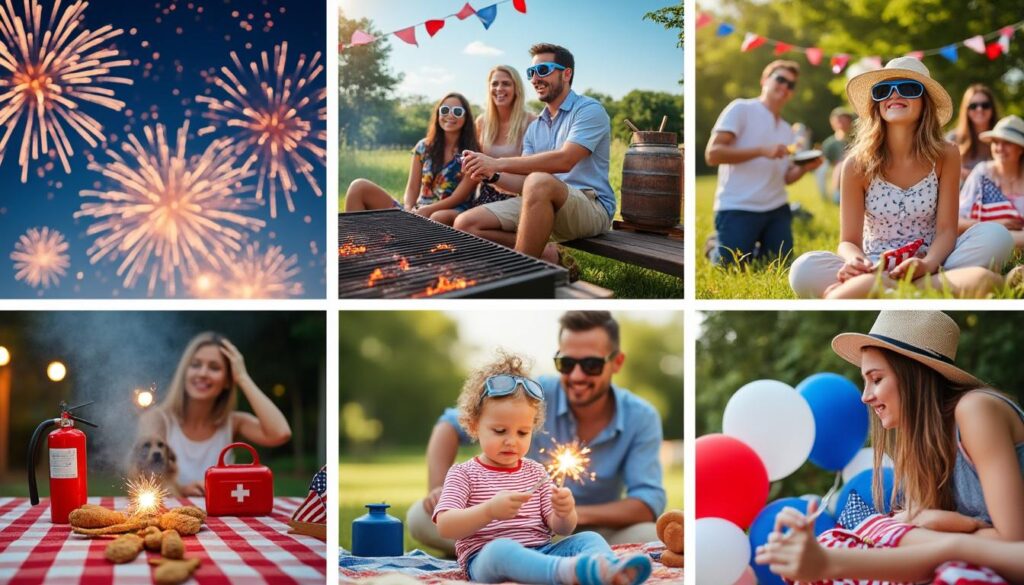
July 4th is not only a time for celebration but also a day fraught with increased risks of injuries and emergencies. From spirited barbecues to dazzling fireworks displays, Americans gather in large numbers to commemorate their nation’s independence. However, this festive spirit unfortunately coincides with a rise in preventable accidents ranging from car crashes to foodborne illnesses. Understanding these hazards and adopting proactive measures can make the difference between a joyous holiday and a trip to the emergency room. Here are six essential strategies to help you enjoy a safe and injury-free Independence Day.
Road Safety Tips to Prevent July 4th Traffic Accidents
With approximately 71 million Americans traveling over 50 miles during the July 4th holiday period, primarily by car, roadways become congested and accident-prone. This surge in travel, compounded by the prevalent consumption of alcohol, establishes July 4th as the deadliest day for traffic fatalities in the United States. Experts attribute over 40% of these accidents to alcohol impairment, with younger drivers aged 21 to 34 being particularly susceptible.
- Always wear your seatbelt to reduce the risk of fatal injuries by 45%.
- Designate a sober driver or use rideshare apps when consuming alcohol to avoid impaired driving.
- Plan your route ahead to avoid congestion and fatigue, especially on July 3 and 7, notorious for heavy traffic delays.
- Avoid nighttime driving when impaired drivers are more common on the roads.
- Stay alert and keep distractions at bay, including avoiding phone use while driving.
Proper preparation can drastically reduce your risk on July 4th roads. For a fuller guide on timely health precautions when traveling, consider visiting Livewell Magazine’s travel safety advice.
How to Handle Fireworks Without Getting Hurt
Fireworks have long been a symbol of Independence Day celebration, yet they are responsible for thousands of injuries every year, primarily affecting hands, fingers, and the face. The Consumer Product Safety Commission reports that nearly three-quarters of these injuries happen in the month surrounding July 4th and that many fireworks on the market still contain dangerous or illegal components.
- Attend public fireworks displays instead of using fireworks at home.
- Keep children and pets at a safe distance, and never let children handle sparklers, which burn at extreme temperatures.
- Wear protective eyewear if you plan to light fireworks yourself.
- Light one firework at a time and maintain a safe distance immediately after.
- Soak spent or unused fireworks in water for several hours before disposal.
The National Safety Council and organizations like Firewise emphasize these measures to ensure your celebration remains joy-filled without hospital visits. For more information on safe festivities, explore expert health hazard prevention tips.
Prevent Grilling Accidents for a Safe Backyard Celebration
Barbecues are a cherished July 4th tradition, but improper grilling practices can lead to burns, fires, and even carbon monoxide poisoning when grills are used in poorly ventilated areas. Flare-ups are common, and many injuries involve burns to the hands and arms.
- Set up grills in open, well-ventilated outdoor areas.
- Create a three-foot ‘kid-free zone’ around the grill to protect children.
- Use long-handled tools and flame-resistant gloves like those from trusted brands such as Johnson & Johnson’s Ace Brand.
- Always check for propane leaks using the soapy water test before lighting gas grills.
- Keep a fire extinguisher or baking soda handy to quickly manage flare-ups.
For more insights into preventing grilling injuries and promoting home safety, consider the advice from medical emergency preparedness guides.
How to Avoid Food Poisoning at Your July 4th Cookouts
Foodborne illnesses spike during summer festivities due to improper food handling and the warm temperatures accelerating bacterial growth. Avoiding cross-contamination and keeping foods at safe temperatures are paramount to prevent food poisoning, which can quickly dampen holiday mood.
- Wash hands and surfaces frequently.
- Keep raw meats separate from ready-to-eat foods, utensils, and surfaces.
- Use food thermometers to ensure meats reach safe internal temperatures, such as 165°F for poultry and 160°F for ground meats.
- Keep cold foods below 40°F and hot foods above 140°F using coolers or warming trays.
- Refrigerate leftovers promptly in shallow containers to cool quickly.
Brands like M Nexcare and Neosporin recommend keeping a first aid kit handy in case minor food-related injuries or burns occur. For more details on adopting healthy lifestyle habits beyond the holidays, see the article on reshaping body and mind for health.
Water Safety Tips for July 4th to Prevent Drownings and Boating Accidents
Many families take to lakes, rivers, and beaches to cool off during the holiday, but water-related accidents are tragically common. Alcohol plays a significant role in fatalities, alongside lack of life jacket use and inadequate supervision, especially for children.
- Always wear Coast Guard-approved life jackets when boating or swimming.
- Never operate watercraft under the influence of alcohol or drugs.
- Enroll children in swimming lessons and designate a responsible “Water Watcher” to supervise swimmers at all times.
- Use fenced enclosures with self-closing gates around pools to prevent unsupervised access.
- Equip boats with proper safety gear and take certified safety courses.
The Red Cross and Safe Kids Worldwide offer extensive resources on water safety that can help you prepare for a worry-free holiday. Visit Livewell Magazine to explore wellness habits that support a safer lifestyle year-round.
Protecting Your Family and Pets During Fireworks Displays
Beyond the risk to people, fireworks can trigger severe anxiety in veterans suffering from PTSD and distress in pets. The loud noises and bright lights can cause panic reactions or health consequences.
- Keep pets indoors during fireworks and provide distractions like radio or TV to mask sounds.
- Never leave pets unattended outside where they can escape or injure themselves.
- For veterans or individuals with PTSD, offer reassurance and grounding techniques like deep breathing and verbal support.
- Recognize signs of distress early and create a calm, safe environment for your loved ones.
- Consult resources from the U.S. Department of Veterans Affairs, Band-Aid, and First Alert for specialized care and safety products.
To find out more about managing everyday health hazards and emotional wellness, check out related articles at Livewell Magazine’s health safety section.